
Emergency Chimney Leak and Repair Readiness Across the Triangle
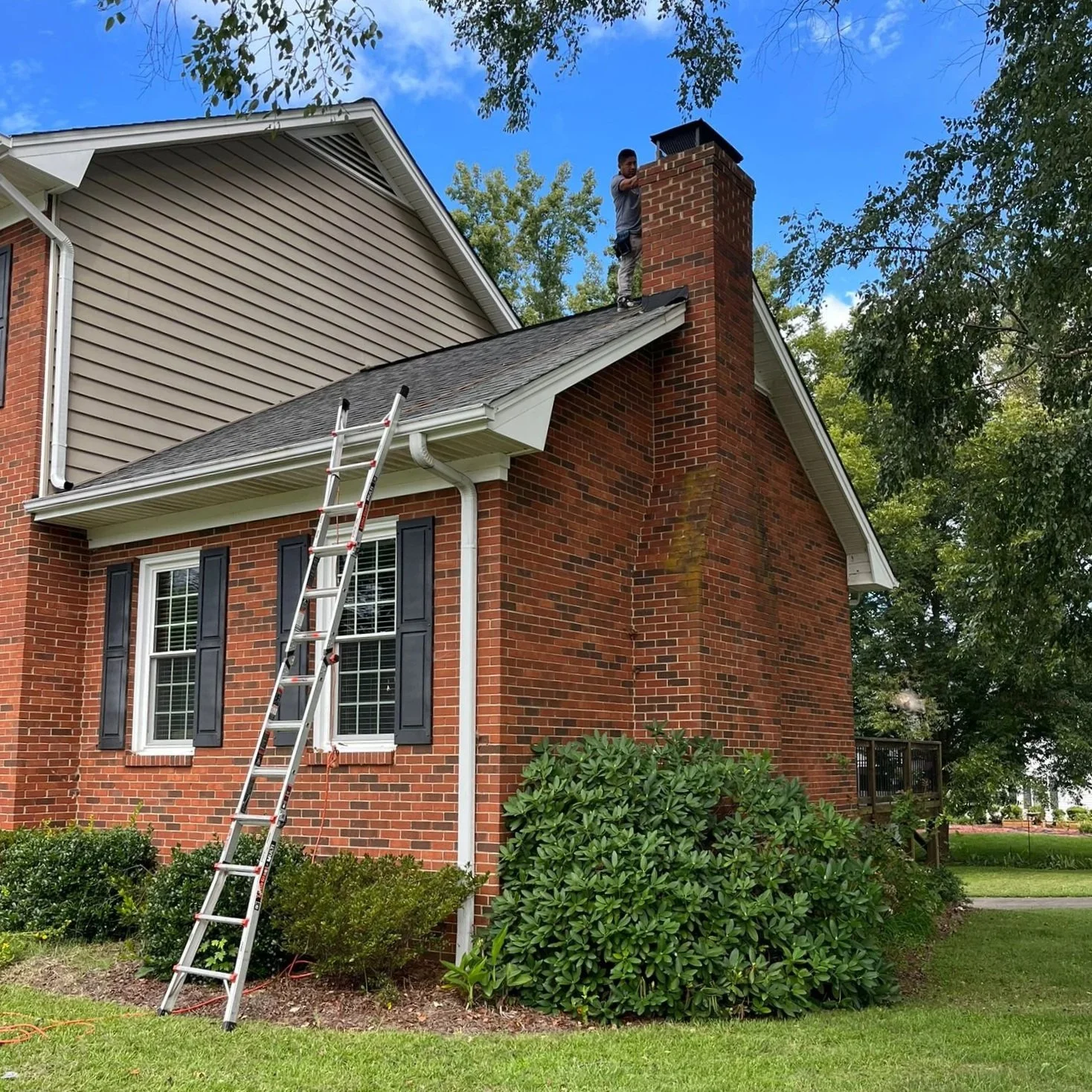
Professional chimney repair services across Raleigh, Durham, and Chapel Hill stay on call for these moments, offering fast, reliable solutions when the weather refuses to cooperate.
When storm clouds roll through the Triangle, they often leave homeowners dealing with more than wet driveways and soggy lawns. Chimneys, standing tall and proud, tend to catch the worst of it. A sudden leak can quickly turn a cozy fireplace into a costly headache. Professional chimney repair services across Raleigh, Durham, and Chapel Hill stay on call for these moments, offering fast, reliable solutions when the weather refuses to cooperate.
Understanding Why Chimneys Leak After Storms
Chimneys are exposed year-round, taking a constant beating from rain, wind, heat, and freezing temperatures. Over time, mortar joints weaken, crowns crack, and flashing begins to separate from the roof. Once gaps form, water slips through, wreaking havoc inside the masonry.
Heavy rain or high winds often accelerate those small vulnerabilities. Water can pool on the crown, seep between bricks, and drip down into the flue. Once inside, moisture damages the liner, rusts metal components, and eventually stains ceilings and walls. A small crack today becomes a full-blown chimney leak tomorrow if not addressed promptly.
Why Chimney Leaks Demand Immediate Attention
Water might seem harmless, but inside a chimney system, it’s one of the most destructive forces at work. Moisture weakens brick and mortar, allowing more water to enter each time it rains. Over time, repeated exposure causes the chimney to lose structural integrity, leading to leaning, cracking, or even collapse.
Unchecked leaks also cause mold and mildew to grow in the surrounding drywall or insulation. The longer water goes undetected, the more expensive the repair becomes. Quick professional attention not only prevents further damage but restores safety and function before the next storm hits.
The Importance Of Post-Storm Inspections
After a Triangle thunderstorm, it’s tempting to assume the roof took the worst of it. However, chimneys are often the first to show hidden damage. A post-storm inspection allows professionals to identify weak points before they escalate into emergencies.
Trained technicians use specialized tools to detect leaks that might not be visible from the ground. They examine the crown, flashing, and brickwork for cracks or gaps and inspect the flue for moisture or debris buildup. By catching small issues early, homeowners avoid costly masonry repairs or interior water damage later.
Common Causes Of Chimney Leaks In The Triangle
The Triangle’s varied weather creates several opportunities for water to sneak in. A cracked crown is one of the biggest culprits. When the crown deteriorates, water seeps downward into the chimney’s interior structure. Raleigh’s mix of humid summers and freezing winters only accelerates the damage.
Flashing, the metal barrier that seals where the chimney meets the roof, often becomes dislodged during heavy wind or hail. Once it lifts or rusts through, water flows directly beneath it, soaking insulation and roof decking. Missing chimney caps are another major cause. Without a cap, rain pours straight into the flue, carrying debris and nesting materials that trap moisture inside.
How Professionals Locate And Repair Leaks
Diagnosing a chimney leak requires more than a visual check. Professionals perform moisture testing, thermal imaging, and detailed inspections to pinpoint the source. Once identified, repairs are tailored to the problem area.
For crown cracks, technicians apply high-strength sealants or rebuild the crown entirely using waterproof concrete designed to withstand the elements. When flashing fails, they replace it with properly sealed step and counter-flashing systems that create a tight, weatherproof bond. Missing or damaged caps are replaced with stainless steel models that keep out rain, debris, and curious critters.
The Role Of 24-Hour Chimney Repair Services
Storm damage doesn’t wait for business hours, which is why 24-hour chimney repair services across the Triangle are so valuable. When torrential rain causes sudden leaks or high winds dislodge a chimney cap, professionals respond immediately to prevent worsening damage.
Emergency crews often apply temporary waterproofing or protective coverings until full repairs can be made safely. Their quick response minimizes water intrusion, protecting both the chimney and the home’s interior. For homeowners dealing with Raleigh’s fast-moving summer storms, that peace of mind is priceless.
Why Chimney Leaks Often Go Unnoticed
Many chimney leaks start small. A slow drip behind the bricks or a faint musty smell near the fireplace might not seem urgent. However, by the time those signs appear, water has likely been inside for weeks—or even months.
Moisture often travels behind walls or under roofing materials, showing up far from its actual entry point. That’s why professional diagnosis matters. Technicians trace the problem to its source, whether it’s a cracked flue liner, loose flashing, or deteriorated mortar. They repair not just the symptom but the cause.
Seasonal Maintenance Keeps Chimneys Ready Year-Round
Regular maintenance is the secret to preventing emergency repairs. Seasonal inspections and cleanings keep chimneys ready for whatever the Triangle’s weather can throw at them. Professionals recommend scheduling maintenance twice a year—once before the rainy season and again before winter heating begins.
During maintenance visits, technicians remove creosote buildup, inspect masonry for signs of wear, and test all components for safety and performance. They also check for animal activity, as birds and squirrels often move into chimneys during the warmer months.
When Animal Nests Create Hidden Hazards
Animal nest removal might not sound like a chimney concern, but in North Carolina, it’s a common problem. Birds, squirrels, and raccoons love the shelter an open chimney provides. Unfortunately, their nesting materials block airflow, trap moisture, and create a fire hazard.
Professionals handle removal safely, clearing out debris and sanitizing the area to eliminate odors or contaminants. Once cleared, they install screened chimney caps that prevent reentry while maintaining proper ventilation. That simple upgrade protects both the chimney and the wildlife that might otherwise get trapped inside.
Why Waterproofing Is Essential In The Triangle
Greensboro and Raleigh both experience frequent rainfall and high humidity, which takes a toll on masonry. Even small cracks absorb water like sponges, leading to long-term deterioration. Professional waterproofing treatments help defend against that constant exposure.
Technicians apply vapor-permeable coatings that repel water but allow internal moisture to escape. Unlike store-bought sealants, professional-grade products penetrate deep into the masonry instead of forming a surface film that eventually peels. That invisible shield keeps the chimney dry through every storm season.
Chimney Leak Prevention After Storm Repairs
Once a chimney has been repaired after a major leak, preventive care becomes the focus. Professionals often recommend adding a custom-fitted cap, tuckpointing mortar joints, and resealing the crown for extra protection. Each step strengthens the chimney’s resistance to future weather events.
Flashing and waterproof coatings are also revisited periodically. Over time, even the best materials wear down under North Carolina’s heat and rain. A quick maintenance visit before each storm season keeps the system sealed tight and ready to handle heavy rainfall.
The Value Of Local Expertise Across The Triangle
Chimney systems in Raleigh, Durham, and Chapel Hill face similar challenges but often require slightly different approaches depending on local conditions. Raleigh’s storms bring heavy rainfall, Durham experiences more wind-driven weather, and Chapel Hill’s mix of old and new homes means a wide range of chimney materials.
Local professionals understand those differences. They tailor repair methods to the region’s specific weather patterns, brick types, and architectural designs. Their familiarity with the Triangle’s climate gives homeowners an edge in long-term chimney performance and durability.
When To Call For Emergency Service
Sometimes, waiting even a day can mean the difference between a minor fix and major water damage. Call for chimney emergency repair if water drips inside during rain, you notice missing flashing or caps after a storm, or there are visible cracks in the crown.
Other red flags include rust on the damper, discolored walls, or a sudden drop in fireplace performance. When those signs appear, it’s time for a professional inspection. Technicians respond quickly, diagnose the issue, and provide both immediate relief and permanent solutions.
Why Professional Repair Beats DIY Solutions
Climbing a roof with a caulk gun rarely solves a chimney problem. DIY sealants often trap moisture rather than prevent it, leading to faster deterioration. Flashing repair and masonry sealing require specialized materials and experience to last through North Carolina’s temperature swings.
Professional chimney repair technicians bring the right tools, materials, and training to the job. They understand how to work safely on steep roofs, apply waterproofing effectively, and restore full functionality without risking additional damage. Their repairs don’t just stop leaks—they extend the chimney’s lifespan.
Preparing For The Next Triangle Storm
The Triangle’s weather keeps homeowners guessing, but a little preparation goes a long way. Professional chimney maintenance before storm season helps avoid surprise leaks, damaged caps, and late-night emergency calls. When repairs are needed, having a trusted local team ready 24 hours a day means peace of mind when the skies open up.
A well-maintained chimney doesn’t just survive storms—it thrives through them. With timely inspections, expert waterproofing, and responsive emergency service, your fireplace stays dry, your home stays safe, and your chimney stands tall no matter what Mother Nature has in store for Raleigh, Durham, or Chapel Hill.
