
Fire Damage Chimney Restoration: How Experts Rebuild After a Chimney Fire
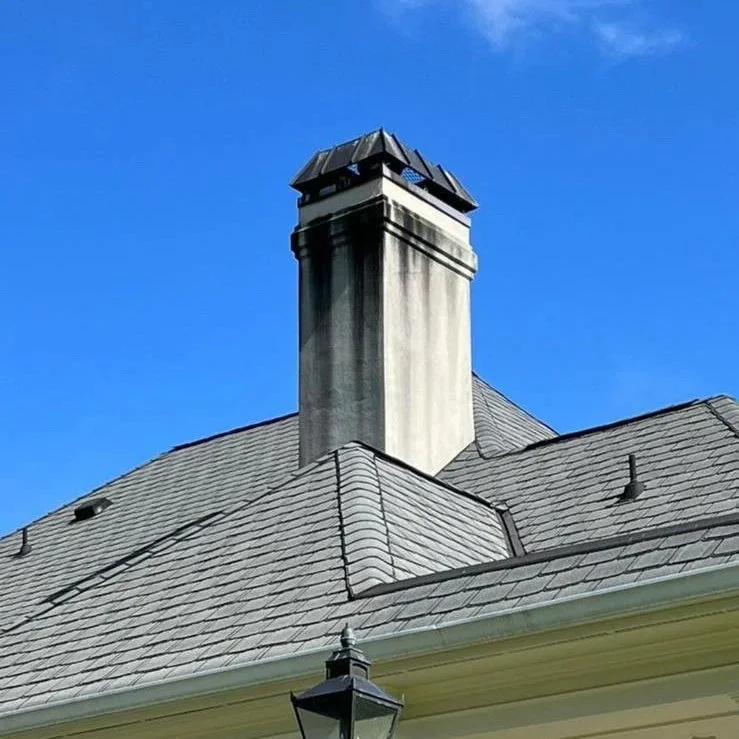
Chimney fires are fierce, unpredictable, and silent destroyers of masonry.
A roaring fire in a hearth is one of life’s simple joys, but when that fire climbs into the chimney, the story changes fast. Chimney fires are fierce, unpredictable, and silent destroyers of masonry. They can ignite in seconds, shooting flames through the flue, cracking interior tiles, and spreading heat hot enough to damage mortar and brick. Even when the flames don’t breach the chimney exterior, the interior can look like it’s been through a furnace.
That’s where professional chimney restoration steps in. Experts trained in masonry repair, chimney crack repair, and smoke chamber resurfacing know exactly how to assess and rebuild after a chimney fire. The goal isn’t just restoring what was lost but creating a chimney stronger and more resilient than before.
How Chimney Fires Start
Chimney fires usually begin with creosote buildup. Creosote, a tar-like residue left behind by burning wood, clings to flue walls. When it thickens and the temperature spikes, it ignites like rocket fuel. The resulting blaze can roar upward with a sound similar to a freight train.
Improper maintenance, obstructed airflow, or the use of unseasoned wood can accelerate creosote accumulation. A cracked liner or missing mortar joint gives that heat a shortcut into surrounding masonry, quickly transforming minor issues into major damage. Once the fire ends, the chimney might appear intact on the outside, but inside, the damage could be extensive.
The Aftermath Of A Chimney Fire
After a chimney fire, soot and smoke residue usually coat every surface. More critically, the structural integrity of the liner, smoke chamber, and crown may be compromised. Mortar can crumble, bricks can spall, and clay flue tiles can crack from extreme heat. Even a short-lived blaze can leave the chimney unsafe to use.
Technicians performing fire damage assessments use specialized cameras to inspect the flue and smoke chamber. Using that footage, they determine whether the damage can be repaired with targeted masonry restoration or if sections require full replacement. Every rebuild begins with that careful diagnosis.
Why Immediate Inspection Matters
Many homeowners don’t realize that a chimney fire has occurred until a sweep or inspection reveals burn marks and distortions inside the flue. Some fires move slowly and burn out on their own, smoldering quietly for hours. The danger lies in unseen structural fractures. Cracks that develop inside a flue can open pathways for heat and smoke to escape into surrounding wood framing, risking another fire later.
Professional inspections spot issues invisible to the naked eye. Using smoke tests, thermal imaging, and camera scopes, technicians pinpoint where heat breached the liner or weakened brickwork. Detecting those vulnerabilities early prevents the next fire from escalating beyond control.
The Step-By-Step Chimney Rebuild Process
Rebuilding after fire damage starts with cleaning away all soot, debris, and unstable materials. Chimney specialists remove damaged bricks and mortar section by section. Once cleared, they rebuild using heat-resistant masonry designed for long-term durability.
If the chimney’s liner cracked or collapsed, professionals typically install a new stainless steel or refractory liner. These modern systems not only resist heat and corrosion but also improve safety and draft efficiency. Rebuilding the smoke chamber often follows, smoothing and reshaping the area to restore optimal airflow. Masonry repair techniques, such as tuckpointing and new mortar applications, restore the structure to a solid state.
Throughout the process, technicians test for proper venting and air movement. The masonry restoration isn’t complete until the chimney draws correctly and traps no residual moisture or gas leaks.
Smoke Chamber Resurfacing After Fire Exposure
Few parts of a chimney suffer more during a fire than the smoke chamber. The intense heat often cracks its surface, leaving the masonry rough and brittle, making it vulnerable to collapse. Smoke chamber resurfacing is an essential step in the restoration process. Professionals apply a high-temperature refractory coating that seals cracks, smooths airflow paths, and adds a fresh barrier against future heat damage.
This layer enhances drafting efficiency and reduces creosote buildup. The resurfaced chamber becomes a smoother, safer conduit between the fireplace and flue—key to restoring both safety and functionality after fire damage.
Crown Reconstruction And Moisture Prevention
Fires often destroy the chimney crown, the concrete cap protecting the top of the stack. A cracked or burned crown allows water infiltration that worsens existing fire damage. Rebuilding involves removing the compromised material, casting a new crown with proper slope and overhang, and finishing with a waterproof sealant to redirect moisture.
Chimney professionals may also install a protective cap and spark arrestor to block embers and debris from reentering the flue. This addition reduces the risk of future flare-ups and extends the life of the chimney rebuild.
Addressing Smoke And Odor Damage
Even after structural repair, lingering smoke odor can remain. Fire restoration experts use industrial-grade cleaning solutions and HEPA vacuums designed for masonry surfaces to eliminate residue lodged deep inside pores. Odor-eliminating treatments such as ozone or thermal fogging restore air quality, making the fireplace safe to use again.
Proper airflow adjustment through the resurfaced smoke chamber and new liner also helps dissipate residual odors naturally during operation. A fully restored chimney not only looks strong—it smells clean and burns efficiently.
When Is A Full Rebuild Necessary?
Not every fire-damaged chimney needs to be torn down completely. If the exterior walls remain stable and cracks are limited, partial rebuilds and resurfacing may suffice. However, if both the inner core and the outer masonry show heat distress or displacement, complete reconstruction is required for safety.
Professionals look for signs such as warped flue tiles, split mortar joints, misaligned brickwork, and areas of collapsed masonry. They also assess moisture infiltration after the fire, as trapped water can worsen the damage. If major cracks or separations appear beyond repairable limits, rebuilding from the flashing up—or even from the foundation—is the safest path forward.
How Experts Differentiate Between Repair And Restoration
A repair corrects an isolated problem, like fixing cracks or replacing a few bricks. Restoration, on the other hand, rebuilds sections of the chimney completely to restore full structural and operational integrity. After a chimney fire, experts evaluate the entire system, from the firebox to the cap, determining whether targeted repair or comprehensive restoration best serves long-term safety.
Restoration teams often coordinate with insurance adjusters to accurately document fire damage. This documentation supports claims while guiding the scope of necessary reconstruction. For homeowners, it provides transparency and confidence that the work performed truly returns the chimney to code compliance.
Safety Comes First In Every Stage
Every step of fire damage chimney restoration is about reestablishing safety. Crews work methodically to reinforce stability, align mortar joints, and create adequate venting channels. Structural rebuilds meet local building code requirements and national chimney safety standards.
Technicians also verify the chimney’s proximity to combustible materials and perform smoke tests after completion. These assessments confirm that flue gases vent correctly and that no hidden cracks allow leaks into living spaces. By the time restoration concludes, the chimney’s performance matches or exceeds its original condition.
The Role Of Modern Materials In Long-Term Protection
One major advancement in today’s chimney restoration is the use of high-tech materials built to withstand intense conditions. Refractory mortars, stainless steel liners, and vapor-permeable waterproof coatings all contribute to more resilient rebuilds. These materials resist heat, prevent water intrusion, and extend the life of repaired structures.
By integrating these solutions during restoration, technicians reduce the risk of future chimney fires. Homeowners gain peace of mind knowing their rebuilt chimney has been reinforced with methods tested to withstand extreme temperatures and moisture.
Prevention: The Final Phase Of Restoration
Restoration doesn’t end when the brickwork dries. Education plays a central role in preventing future fires. Professionals teach homeowners to recognize warning signs such as excessive creosote buildup, difficult draftiness, and popping sounds during a burn.
Scheduling annual inspections and chimney sweeps is the simplest way to keep problems from returning. Using seasoned wood, maintaining proper airflow, and checking for cracks or stains during routine maintenance keep fire risk minimal. Prevention might not sound dramatic, but it’s the best protection a homeowner can have.
Why Expert Restoration Beats Quick Fixes
After a chimney fire, temporary patches can make things worse. Unqualified repairs using general-purpose mortar or chemicals may trap moisture or compromise flue shape. Expert restoration crafts a comprehensive solution—repairing, resurfacing, and rebuilding using the right materials for high-heat endurance.
Professionals take a whole-system view: smoke-chamber condition, liner alignment, crown slope, and moisture penetration are considered together. That holistic approach yields lasting results that prevent recurring leaks, cracks, and performance problems.
The Resilience Of Professional Craftsmanship
Chimney restoration is more than brick and mortar—it’s a combination of science, experience, and craftsmanship. Each project tells a story of revival, transforming fire-damaged structures back into safe, efficient hearth systems. Fire may test a chimney’s limits, but expert hands can rebuild it stronger, smarter, and safer than it was before.
Professional masons and restoration specialists take pride in returning chimneys to both function and beauty. For homeowners, it means one comforting truth: even after fire damage, the heart of the home can burn bright again.
Get professional, reliable, and high-quality chimney repair and restoration, chimney leak repair, chimney mortar repair and repointing, and chimney brick and crown repair with Perfect Chimney Cleaning. Serving Greensboro, NC, and the surrounding areas, we ensure 100% customer satisfaction. We also offer commercial chimney solutions. Available 24/7. Schedule a consultation today.
