
How Soot And Creosote Buildup Impacts Fireplace Efficiency
A fireplace should warm the room, not make it harder to breathe. When soot and creosote accumulate in the chimney, efficiency and safety take a hit. In Greensboro and nearby North Carolina communities, homeowners often discover that poor fireplace performance has less to do with the wood they burn and more to do with what's lingering in their flue. Understanding how buildup affects airflow and energy output makes professional chimney cleaning an essential part of seasonal maintenance.
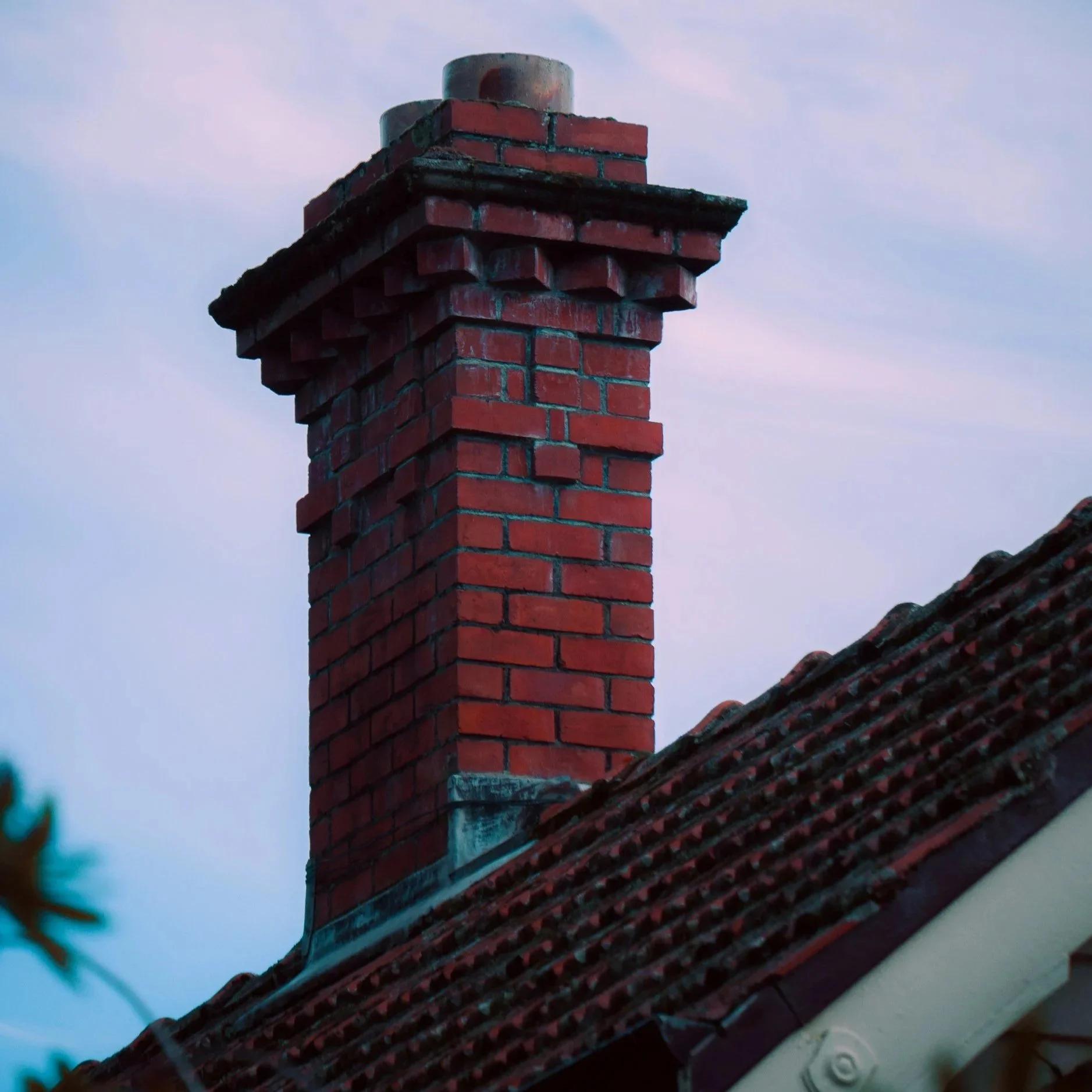
Trustworthy chimney inspections, cleanings, and repairs for safer, more efficient homes in Greensboro and nearby areas.
The Science Behind Soot And Creosote
Every fire produces smoke, and that smoke carries fine carbon particles and gases. When those byproducts cool before escaping the chimney, they stick to the flue walls as soot and creosote. Soot is soft and powdery, but creosote hardens into a glossy black coating that clings stubbornly to surfaces. Both restrict airflow, forcing smoke and heat back into the home rather than venting them safely outside.
Professional chimney sweeps recognize the difference between light soot accumulation and dense creosote buildup. The more creosote present, the less efficient the fireplace becomes, and the higher the fire risk. Regular chimney cleaning prevents those substances from turning a cozy hearth into a hidden hazard.
Why Fireplace Efficiency Declines
Fire needs oxygen to burn efficiently, and chimneys act like the lungs of the system. When soot or creosote narrows the passageway, the fire cannot draw enough air. That leads to weak flames, more smoke, and unburned fuel. The wood takes longer to ignite, produces less heat, and leaves behind even more residue.
In a clean chimney, hot gases rise freely, pulling in fresh air and maintaining a steady draft. Once the flue becomes clogged, that balance collapses. The result is wasted energy and higher heating costs. Professional soot removal restores airflow, allowing the fireplace to burn hotter and cleaner with less effort.
The Hidden Cost Of Poor Combustion
When a chimney struggles to vent properly, smoke lingers longer inside the flue. That extended contact allows more creosote to form, creating a cycle of inefficiency and buildup. Homeowners may notice black streaks around the fireplace opening, smoky odors, or a haze that settles after every fire.
Over time, those byproducts can damage interior masonry and corrode metal components. Firebox bricks may crack, dampers may rust, and liners may degrade. A simple cleaning performed by a certified chimney sweep not only removes the residue but also protects structural integrity, reducing the likelihood of expensive repairs.
The Role Of Moisture In Buildup
Moisture plays a sneaky role in fireplace inefficiency. When humidity or rainwater enters through an uncapped or cracked chimney, it reacts with soot and creosote to create a sticky, acidic layer. That residue traps even more particles, accelerating buildup.
In Greensboro's humid climate, moisture is a year-round concern. Professional chimney sweeps inspect for leaks during routine maintenance and may recommend waterproofing treatments or crown repairs. Keeping moisture out of the flue is key to reducing odor, corrosion, and excessive creosote formation.
How Buildup Leads To Chimney Blockages
As soot and creosote accumulate, they gradually narrow the flue opening. In severe cases, the buildup becomes thick enough to partially or entirely block airflow. Blockages trap carbon monoxide and smoke inside the home—two problems that should never be ignored.
A professional chimney cleaning clears obstructions safely using specialized brushes and vacuums designed for different flue types. In some cases, a camera inspection helps verify that all debris has been removed. Once the flue is clear, airflow returns to normal, and the fireplace performs efficiently again.
The Connection Between Odor And Inefficiency
An unpleasant smell often indicates the fireplace isn't venting properly. When airflow slows, soot and creosote hold moisture, creating a musty or tar-like odor that spreads through the home. Negative air pressure from HVAC systems can pull odors indoors, even when the fireplace isn't in use.
Professional odor diagnosis during a chimney inspection identifies whether the smell comes from buildup, trapped moisture, or animal debris. After a full cleaning, technicians apply neutralizing agents to eliminate any lingering scent. A clean, odor-free chimney not only smells better but also functions more efficiently.
How Chimney Sweeping Improves Heating Efficiency
A freshly cleaned chimney acts like a clear highway for exhaust gases. With no blockages or residue, smoke moves upward easily, and the fire burns hotter with less wood. An improved draft means more oxygen feeds the flames, reducing smoke output and increasing overall heat generation.
Professional sweeps use high-powered rotary brushes, vacuums, and soot-control methods that protect indoor air quality. Once the flue is restored to full capacity, homeowners notice faster ignition, brighter flames, and more consistent warmth. It's the difference between a fireplace that struggles to perform and one that feels effortless.
Creosote And Fire Hazards
Creosote is not just an efficiency issue—it's also highly flammable. When temperatures inside the chimney rise, thick layers of creosote can ignite suddenly, causing a dangerous chimney fire. Those fires burn intensely, sometimes reaching over 2,000 degrees, damaging masonry and threatening the home's structure.
Regular chimney cleaning prevents that risk entirely. Professional sweeps remove flammable residue before it can ignite. For frequent fireplace users in Greensboro, an annual cleaning is a must for both safety and efficiency.
The Benefits Of Professional Soot And Ash Removal
Ash left in the firebox might seem harmless, but it retains moisture and releases fine dust particles into the air. Over time, that dust mixes with soot inside the chimney, creating a thicker layer of residue. Professional ash removal eliminates those particles and prevents them from compounding the problem.
Certified chimney sweeps use containment systems to clean without spreading dust indoors. They also inspect the surrounding materials, looking for signs of corrosion or damage from ash buildup. A complete cleaning service addresses every component —from the firebox to the cap —leaving the entire system ready for efficient operation.
The Greensboro Difference
In North Carolina's Piedmont region, seasonal weather plays a big role in chimney performance. Humid summers, rainy falls, and chilly winters each present unique challenges for fireplace systems. Moisture intrusion, draft fluctuations, and rapid temperature changes all contribute to soot and creosote buildup.
Local chimney professionals understand those regional factors. Their cleaning schedules and maintenance programs are tailored to Greensboro's climate, helping homeowners keep chimneys performing efficiently year-round. From soot removal to annual inspections, local expertise makes a noticeable difference.
When To Schedule Chimney Maintenance
The best time for chimney cleaning is before the heating season begins, typically in late summer or early fall. A post-season cleaning in spring is also smart, as it removes soot and moisture left behind after months of use. For homes that burn wood regularly, mid-season checkups can keep buildup from reaching problematic levels.
Professional maintenance programs include inspections, cleanings, and performance evaluations. They help homeowners maintain a consistent schedule without worrying about forgetting an appointment. Consistent care keeps the system efficient, reduces repair costs, and extends the chimney's lifespan.
Why Professional Cleaning Beats DIY
Store-bought brushes and cleaning logs might sound convenient, but they rarely solve the problem completely. Creosote often hides deep inside the flue, beyond the reach of simple tools. DIY methods also risk pushing residue farther up or damaging the liner.
Professional chimney sweeps use specialized equipment, training, and protective gear to safely and thoroughly remove buildup. They also provide detailed reports showing what was cleaned and where potential issues were found. Homeowners gain peace of mind knowing their fireplace is ready to perform safely and efficiently.
The Value Of A Clean Chimney
Efficiency, safety, and comfort all depend on a clean chimney. When soot and creosote buildup restrict airflow, the fireplace works harder and delivers less warmth. Regular professional cleaning restores performance, prevents odor, and protects the structure from damage.
In Greensboro, where weather patterns demand reliable home heating, maintaining a clean, obstruction-free chimney is both practical and economical. A professional chimney sweep keeps fires burning bright, air clear, and energy bills manageable. Clean chimneys work better—every spark, every flame, every time.
Perfect Chimney Cleaning is a Greensboro, NC-based company offering chimney cleaning and maintenance, chimney animal and nest removal, dryer vent cleaning and repair, and annual chimney maintenance services. Our trained technicians provide trusted professional expertise and follow necessary safety protocols. Call today for a free quote.
