
Why Every North Carolina Home Needs an Annual Chimney Inspection
When smoke curls out of the chimney on a chilly North Carolina evening, everything feels just right. But behind that cozy moment, your chimney quietly works overtime. Keeping it safe, clean, and efficient takes more than a quick glance inside with a flashlight. Professional chimney inspections are the key to protecting your home, your family, and your peace of mind.
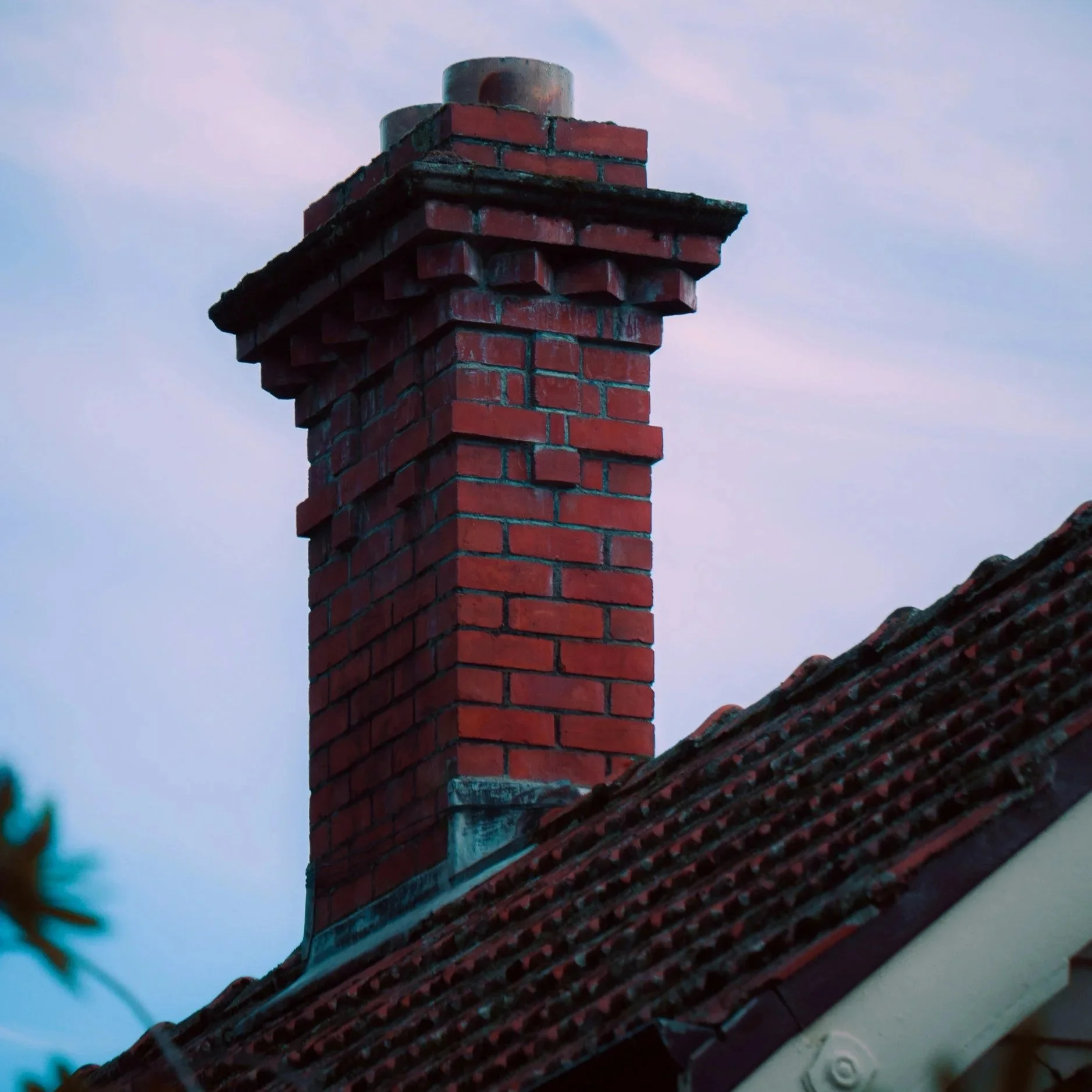
Trusted chimney inspections, cleanings, and repairs in Greensboro — keeping your home safe and efficient year-round.
The Importance Of A Chimney Inspection
A chimney inspection is not just a formality before winter; it is a health check for your entire fireplace system. North Carolina homeowners know that heat, humidity, and sudden storms can take a toll on brick and mortar. Over time, cracks form, joints loosen, and creosote builds up. A professional chimney inspection identifies hidden problems before they become expensive or dangerous.
Certified chimney specialists use advanced tools, training, and experience to evaluate the interior and exterior of your chimney. All the components—from the flue liner to the chimney cap—play a part in keeping smoke moving safely out of your home. Without regular inspection, you might never know that your flue is partially blocked, that moisture has entered through a cracked crown, or that a bird decided to call your chimney home for the summer.
Understanding Level 1 Chimney Inspection
A Level 1 inspection is the standard service for homeowners who use their fireplace regularly and have not changed their heating system. It focuses on accessible parts of the chimney, fireplace, and flue. Professionals look for structural soundness, obstructions, and combustible deposits.
During a Level 1 inspection, the technician examines the readily visible areas—inside and out—to confirm that the system is operating safely. A flashlight might reveal soot accumulation, a deteriorating mortar joint, or a small blockage. Even a minor buildup can reduce airflow and increase the risk of chimney fires. Regular Level 1 inspections keep everything working smoothly and extend the life of your system.
When To Schedule A Level 2 Chimney Inspection
A Level 2 inspection goes deeper. It is recommended that, after severe weather events, when a home changes ownership, or when any changes are made to the system, such as switching fuel types or adding a new liner. North Carolina’s unpredictable storms can push water, debris, or even small animals into the flue, so a more detailed evaluation becomes necessary.
A Level 2 chimney inspection involves a video flue inspection using specialized cameras. The technician guides the camera through the flue interior to reveal cracks, blockages, or damage that are invisible from the surface. The detailed footage provides precise documentation, which is especially helpful for real estate inspections. Buyers and sellers appreciate having visual proof of the chimney’s condition before closing a sale.
How Video Flue Inspection Adds Precision
Technology has revolutionized chimney inspections. A video flue inspection lets professionals explore every inch of the chimney interior without dismantling it. Even tiny hairline fractures or misaligned joints can be spotted in seconds. For North Carolina homeowners, where humidity and temperature swings can stress masonry, this step is invaluable.
Video inspection helps create a record of the chimney’s health over time. During future maintenance visits, technicians can compare footage to see whether cracks are widening or if new creosote buildup has appeared. The result is a clear, evidence-based maintenance plan rather than guesswork.
The Connection Between Chimney Maintenance And Home Safety
Regular chimney maintenance goes hand in hand with inspection. Both are preventive measures that protect your home from fire hazards and carbon monoxide leaks. When creosote thickens inside the flue, it becomes highly combustible. Pair that with a blocked vent or damaged liner, and a simple evening fire can turn dangerous.
A chimney maintenance program includes routine cleaning, soot removal, and professional evaluation. Many North Carolina homeowners schedule maintenance before each heating season to confirm that the flue and firebox are clear. The service also identifies early signs of masonry wear, corrosion on metal components, or moisture infiltration—all common issues in humid regions.
Real Estate Inspections: Protecting Buyers And Sellers
A chimney may look perfect from the outside, but still conceal damage within. That is why real estate inspections are vital during property transactions. A professional chimney evaluation assures buyers that the fireplace system is safe and code-compliant. Sellers, on the other hand, can avoid unexpected repair negotiations after an offer is made.
For agents and buyers in Raleigh, Greensboro, Cary, Durham, and Chapel Hill, a documented chimney report is a valuable part of the inspection process. Level 2 chimney inspections with video flue documentation provide transparency and confidence for both parties. Homebuyers can move in knowing the fireplace is safe to use, while sellers demonstrate responsible property maintenance.
What Happens During A Professional Chimney Evaluation
When a certified chimney technician arrives, the process starts with an exterior review of the structure. The professional checks the chimney crown, flashing, and masonry joints for cracks or leaks. Any evidence of staining or efflorescence suggests moisture intrusion, which can quickly compromise structural integrity.
Inside the home, the inspection continues at the hearth, firebox, and damper. A camera or specialized scope is inserted into the flue to record a detailed view. Soot, glaze, or obstructions are documented. The technician explains the findings and, if necessary, provides a written report with photos or video clips.
Should repairs be needed, homeowners receive clear recommendations—ranging from crown sealing and mortar repair to full flue relining. Every step focuses on restoring safety and function, not cosmetic quick fixes.
Why North Carolina Homes Benefit From Regular Inspections
The climate across the state presents unique challenges. Coastal humidity, sudden thunderstorms, and winter cold can all stress brick and mortar. Moisture that seeps into the chimney can freeze and expand, causing cracks. In summer, trapped humidity may produce odor or encourage mold growth.
Regular chimney inspections adapt to these seasonal changes. Technicians identify early warning signs, preventing minor issues from evolving into costly structural repairs. By scheduling annual inspections, homeowners protect their chimney and their investment in the home.
Recognizing When It Is Time For An Inspection
Certain clues suggest your chimney is overdue for attention. A smoky smell lingering after a fire, visible soot stains on the hearth, or water spots near the ceiling could indicate underlying problems. Birds nesting on the chimney cap or debris falling into the fireplace also signal blockages.
Instead of waiting until smoke fills the room, call a certified chimney specialist for an inspection. The ease that comes from a clean, safe, and efficient fireplace is worth far more than the cost of preventive service.
The Value Of Professional Expertise
Professional chimney inspectors combine specialized training with practical field experience. They understand how each part of the chimney system interacts—from the flue liner’s airflow to the crown’s weather resistance. While a homeowner might spot a loose brick, a professional identifies the cause and how to fix it permanently.
Technicians follow safety standards established by the Chimney Safety Institute of America (CSIA) and the National Fire Protection Association (NFPA). Their inspections are methodical, evidence-based, and backed by industry certifications. That level of expertise cannot be replaced by a quick DIY check.
Building Long-Term Fireplace Efficiency
A well-maintained chimney does more than keep smoke flowing upward. It improves heating efficiency, reduces energy waste, and creates a cleaner indoor environment. When air moves properly through the flue, fires burn hotter and cleaner. The fireplace becomes not only safer but also more enjoyable to use.
Many North Carolina families schedule their chimney evaluation at the end of summer or early fall. Timing inspections before the first fire of the season prevents surprises when temperatures drop. Consistent maintenance means you can relax in front of the flames knowing every component is performing as it should.
Why Homeowners Trust Certified Chimney Professionals
Trust plays a major role in home maintenance, especially when it comes to something as essential as fire safety. Certified chimney professionals take pride in their craft, combining old-fashioned masonry skills with modern inspection technology. They provide honest assessments, clear communication, and dependable service from the first call to the final report.
Homeowners in North Carolina value that level of care. Whether it is a simple Level 1 inspection or a detailed video flue inspection for a real estate transaction, the goal remains the same: safe, efficient fireplaces and satisfied homeowners.
Making Chimney Care Part Of Routine Home Maintenance
Every homeowner understands the importance of roof checks, HVAC tune-ups, and gutter cleaning. Chimney inspection belongs on that list as well. A fireplace system that is regularly evaluated stays cleaner, performs better, and lasts longer.
Professional chimney inspections are a straightforward, affordable way to prevent hazards and preserve comfort. They transform fireplace ownership from a potential risk into a steady source of warmth and beauty. For families across North Carolina, that level of protection is worth scheduling every year.
Perfect Chimney Cleaning is a Greensboro, NC-based company offering chimney cleaning and maintenance, chimney animal and nest removal, dryer vent cleaning and repair, and annual chimney maintenance services. Our trained technicians provide trusted professional expertise and follow necessary safety protocols. Call today for a free quote.
