
Common Chimney Leak Problems Greensboro Homeowners Face
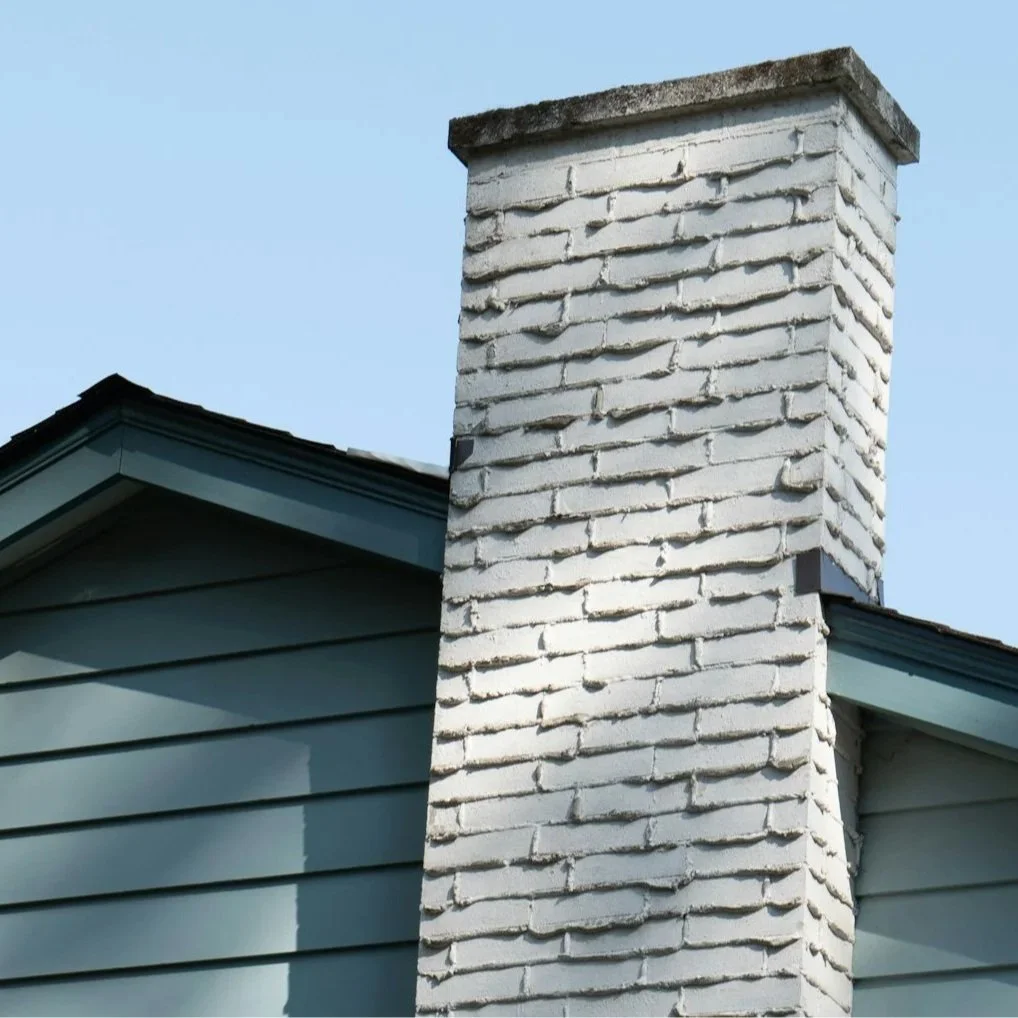
By catching the warning signs early—and calling for expert help when a leak appears—you save your structure, your budget, and quite possibly your weekend plans.
Water And Brick Don’t Mix
Few things cause more frustration after a North Carolina thunderstorm than spotting a water stain around the fireplace. Chimneys are natural magnets for moisture, especially when rain, heat, and aging mortar start working against one another. In Greensboro’s unpredictable climate, chimneys face everything from humid summers to heavy downpours that test the limits of even the best masonry.
Professional technicians see the same pattern again and again: small leaks becoming big repair bills. The goal of chimney emergency repair services is to stop that cycle before water damage works its way inside the home. By catching the warning signs early—and calling for expert help when a leak appears—you save your structure, your budget, and quite possibly your weekend plans.
How Chimney Leaks Begin
No chimney wakes up one morning and decides to leak. The process usually starts quietly and progresses over time. A few common culprits cause most of the grief Greensboro homeowners face:
Cracked masonry or mortar joints that allow water to seep behind the brick surface.
Worn chimney flashing separating where the roof and chimney meet.
Damaged or missing chimney caps that leave the flue completely open to rain.
Failed crown coatings that no longer repel moisture.
Animal nests inside the flue blocking pathways and forcing water back down.
Each of these issues has its own ugly chain reaction. A tiny crack collects rainwater, freezes in winter, and begins to widen. By spring, the leak has penetrated deeper into the brickwork. What once looked like a cosmetic imperfection now channels gallons of water straight toward your living room ceiling.
When The Leak Turns Into An Emergency
Storm season in Greensboro doesn’t play nice with neglected chimneys. After a powerful summer downpour or January ice storm, many homeowners notice damp bricks, peeling paint, or even water dripping onto the hearth. That’s when 24-hour chimney repair becomes your best friend.
Professional chimney specialists treat emergency calls seriously. They arrive equipped with moisture scanners, tarps, and sealant kits to stop the flow fast. While temporary fixes stabilize the situation, experienced masons later follow up with permanent repairs, such as flashing replacement, crown rebuilding, and full waterproofing—everything needed to restore the structure’s integrity.
Post-Storm Inspection: The Smart Homeowner’s Secret Weapon
In Greensboro, post-storm inspection isn’t just a routine task—it’s a survival plan for your chimney. Every major weather event can leave behind hidden cracks or loosened components that lead to leaks weeks later. Regularly scheduling professional inspections after big storms keeps your system in top condition and catches problems before water has time to migrate deeper into the brickwork.
Technicians climb roofs, examine the flashing, check cap alignment, and run moisture readings to confirm whether infiltration has begun. If any weak points are spotted, sealing or resurfacing takes place right away so the next storm doesn’t get in.
Flashing: The Silent Leak Starter
Flashing is the thin metal sheet where the chimney meets the roof. It’s a simple installation, but if it warps, rusts, or pulls away from the masonry even slightly, water slips through with every rainfall. Greensboro homeowners often assume their roof is leaking when all they need is flashing repair.
Skilled repair technicians reseat flashing using long-lasting materials such as stainless steel or copper. Counter flashing gets embedded into mortar joints for superior hold. Properly fitted flashing forms a watertight bridge that sends rain away from the chimney base where it belongs. Once restored, it’s a small detail that prevents massive headaches later.
Crowns: The Guardian At The Top
The chimney crown doesn’t get enough credit. Acting like a miniature rooftop, it diverts water away from the bricks below. When cracks appear or old concrete starts to flake, rainwater pools on the surface and begins to wick downward into the structure.
Professional crown repair uses elastomeric, waterproof coatings that flex with temperature changes, preventing cracking. Where damage runs deep, specialists rebuild the entire crown with modern materials designed to handle Greensboro’s heavy rainfall.
Combined with flashing and cap upgrades, a secure crown reduces 90% of the typical leaks homeowners encounter.
Chimney Caps: First Line of Defense
In a perfect world, every chimney would come fitted with a durable cap from day one. Yet many older Greensboro homes still lack this small but mighty addition. Without a cap, rain, leaves, and critters drop straight down the flue. The result: clogs, corrosion, and damp odors filling the living space.
Chimney technicians fit stainless steel or copper caps that block debris while allowing smoke to escape freely. They also seal the flue against nesting birds and squirrels—a common complaint across Guilford County. Fitted caps are one of the quickest, most affordable upgrades for leak prevention.
The Hidden Threat: Animal Nests And Buildup
Sometimes the problem isn’t structural—it’s furry. Greensboro’s wildlife, especially birds and raccoons, love a warm, dry chimney for their seasonal homes. Unfortunately, twigs, leaves, and straw all hold moisture, which quickly seeps into the masonry.
Animal nest removal isn’t just about eviction—it’s also about cleaning residue that keeps absorbing humidity long after the intruder leaves. Professional animal removal specialists use chimney-safe tools to clear nests completely, sanitize the area, and add pest-proof screening to keep surprise tenants from returning.
The Case For Seasonal Maintenance
Think of chimney care like going to the dentist: minor problems caught early prevent painful repairs later. Seasonal maintenance appointments every spring or fall give professionals the chance to inspect mortar, flashing, and caps before the heavy rains or cold weather hit Greensboro.
Chimney sweeps and leak specialists often find tiny separations in joints that could have turned disastrous by winter. A quick reseal now saves a major expense later. Routine service appointments also prepare fireplaces safely for cold-weather use by removing soot and blockages.
Diagnosing Chimney Leaks: The Greensboro Approach
When technicians in Greensboro receive a chimney leak call, they never rely on guesswork. They follow a precise checklist to diagnose the problem:
Visual assessment of brick condition and crown stability.
Moisture testing around flue liners and interior walls.
Camera inspection of flue passages for unseen cracks.
Evaluation of roof flashing and cap installation.
Using infrared imaging, professionals detect moisture traveling through masonry long before discoloration appears inside. It’s part of a comprehensive strategy combining technology and trade expertise to trace every drop’s origin.
Long-Term Fixes Versus Quick Patches
Some chimney leaks seem to be fixed with a little roofing cement or silicone sealant. But quick patches often trap moisture inside, worsening internal rot. Long-term solutions from certified professionals restore breathability while keeping rain out.
Permanent repairs may include waterproof crown coatings, repointed mortar joints, replacement of chimney flashing, and full-coverage waterproofing sprays formulated for breathable masonry protection. Over time, the cost of expert restoration is much lower than repairing rotted framing or replacing damaged drywall.
Emergency Calls After Midnight
Every local service professional knows trouble rarely strikes at convenient hours. During summertime thunderstorms or freezing rain, homeowners notice leaks spreading fast. Having a reliable 24-hour chimney repair service on speed dial can make all the difference.
Emergency crews arrive ready to perform temporary containment first—covering crowns and sealing flashing—to minimize interior damage. Once conditions allow, full inspections and repairs follow immediately. Companies in the Greensboro area offer homeowners true round-the-clock support, handled professionally by certified technicians who know the local housing stock.
Common Leak Misdiagnoses
Water can be deceptive. Homeowners often blame the roof when the problem begins at the chimney, or vice versa. Similarly, moisture entering through porous bricks might appear several feet away on the ceiling, creating confusion about its path.
Professional leak detection eliminates the guesswork. Experts don’t just fix visible symptoms; they investigate all potential sources—chimney flashing, crown, cap, or liner—and stop water at the root. When handled this way, future leaks rarely return.
Greensboro’s Historic Homes And Extra Care
Many older neighborhoods, like Fisher Park, Irving Park, and Aycock, have chimneys built of century-old brick. These materials require specialized care because older mortar mixtures lack the elasticity found in modern cements. Using the wrong patching compound risks trapping water beneath the surface and accelerating deterioration.
Professionals specializing in chimney leak repair for historic properties use gentler processes, such as hand-tuckpointing and traditional lime mortars, that maintain the authentic appearance while improving durability. In a city that values architectural heritage, keeping these classic features intact matters as much as preventing leaks.
Beyond Repairs: Preventive Waterproofing
Long-term prevention starts with applying breathable waterproof coatings around the chimney. These formulas repel water without completely sealing pores, allowing moisture vapor to escape. In Greensboro’s muggy climate, that breathability makes all the difference.
Waterproofing adds a protective layer that lasts several years and can dramatically reduce future emergency calls. Combined with a reliable inspection schedule, it’s the most efficient way to maintain both aesthetic and structural integrity.
Common Signs It’s Time To Call For Help
You don’t need to be a masonry expert to know when something’s off. The warning signs are easy to spot when you know where to look.
Dark streaks developing on the interior walls of the fireplace.
Persistent smoky smell after rainfall.
Peeling paint or soft drywall near the chimney.
White, powdery residue forming on the outside of the bricks.
Rust stains around flashing or damper components.
Each symptom points to moisture finding its way inside. Calling a professional before it worsens means less clean-up, quicker solutions, and fewer surprises for your next utility bill.
Restoration That Lasts And Looks Good
Professional chimney leak repairs should never mar your home’s appearance. Skilled technicians match brick types, mortar color, and texture for a seamless finish. After repairs, homeowners often remark that their chimneys look better than before the damage.
A beautifully repaired chimney becomes both functional and visually appealing—a detail that adds curb appeal and conveys solid home maintenance to future buyers.
Partnering With Trusted Local Professionals
Greensboro residents benefit from service providers specializing in chimney leak repair, waterproofing, and seasonal maintenance. Hiring experienced professionals guarantees accurate diagnostics, clean job execution, and insights tailored to Greensboro’s seasonal weather patterns. With proactive service, homeowners enjoy confidence each time another Carolina thunderstorm rolls through.
The Everyday Value Of Expert Chimney Care
A dry chimney doesn’t just save repair costs—it also improves indoor air quality and fireplace performance. Properly sealed systems draft efficiently, preventing smoke re-entry and keeping heating bills lower during winter.
A professional team turns what could have been a crisis into comfortable fireplace living once again. After emergency repairs and waterproofing, regular inspections maintain peace of mind and safe performance all year long.
Get professional chimney repair and restoration, chimney leak repair, chimney mortar repair and repointing, and chimney brick and crown repair in Greensboro, NC, with Perfect Chimney Cleaning. For us, safety is the priority. Our team delivers trusted professional expertise and personal care. Count on us for transparent pricing and excellent workmanship. Get your free quote today!
