Spalling Brick on Your Chimney? Here’s What It Means and How to Fix It
Spalling brick is one of the most common warning signs your chimney gives when moisture starts winning the fight against masonry.
When bricks start flaking, chipping, or popping off your chimney, they’re not being dramatic—they’re sending a distress signal. Spalling brick is one of the most common warning signs your chimney gives when moisture starts winning the fight against masonry. It may look cosmetic at first, but left unchecked, spalling can compromise the whole structure.
A chimney with spalling bricks isn’t just losing surface layers; it’s losing protection. Professional chimney repair teams encounter this issue frequently, especially in older homes or in regions with cold winters and heavy rainfall. The good news? Spalling brick is completely fixable when addressed early, and the right chimney repair or masonry restoration can prevent it from recurring.
What “Spalling” Actually Means
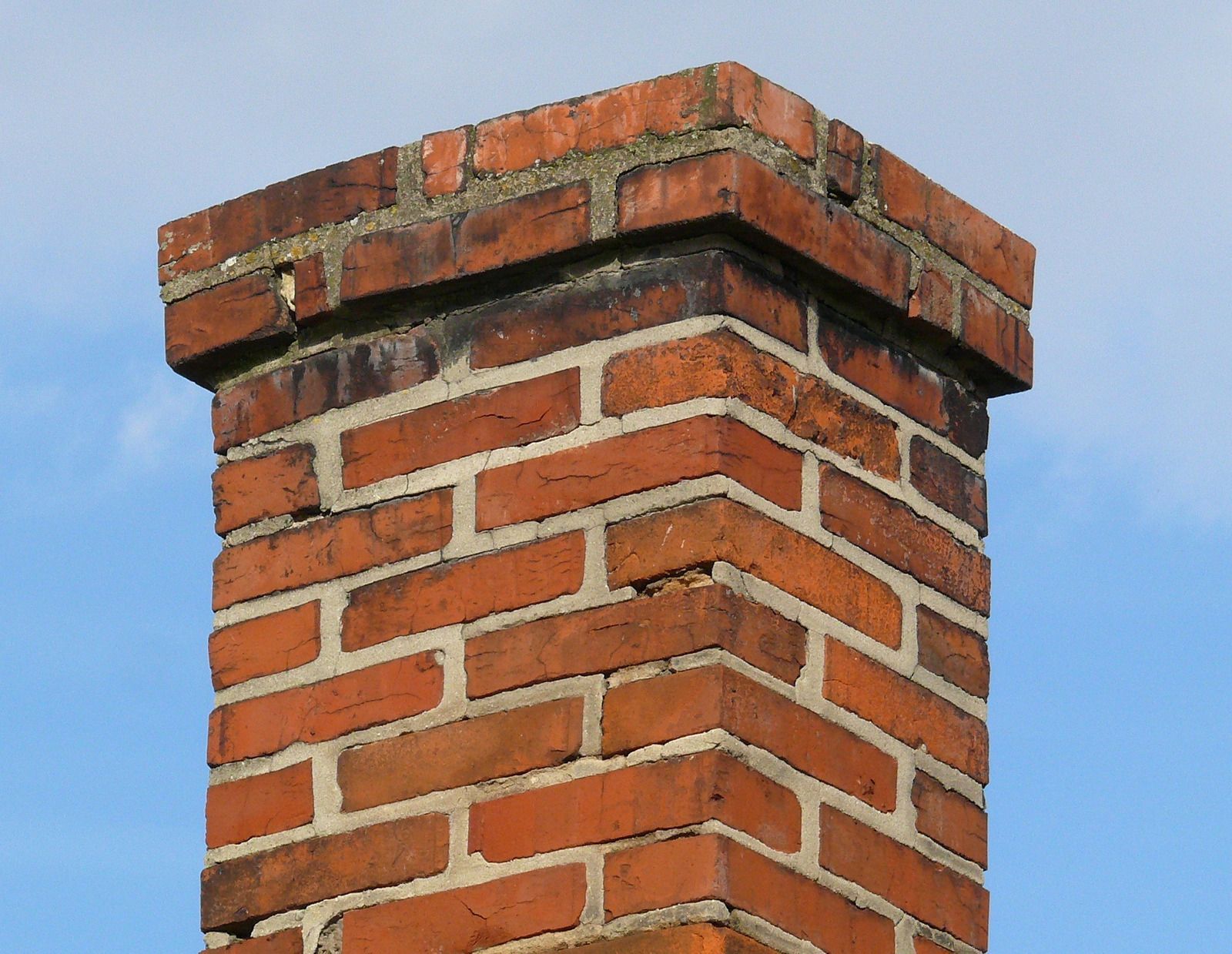
Spalling refers to the breakdown of bricks—flaking, chipping, peeling, or even sections popping out. It’s typically caused by water infiltrating porous masonry and expanding during freeze-thaw cycles. Each time water freezes, it swells slightly, pushing apart the brick’s surface. When it thaws, the moisture contracts, taking bits of the brick with it, repeating until the outer layers crumble away.
Spalling can begin subtly with small chips or loose mortar. Over time, the problem worsens, and bricks begin to disintegrate across the chimney face. Aside from looking unsightly, spalling opens the door to further damage, such as internal moisture intrusion, structural weakening, and even flue compromise.
How Brick Spalling Starts
The number one culprit behind spalling is moisture. Chimneys are constantly exposed to weather—rain, snow, sleet, and heat—so water intrusion is almost inevitable without proper maintenance. Defective crowns, cracked mortar, or missing flashing worsen the problem by allowing more water to soak into the masonry. Other factors play secondary roles. Poor construction and low-quality mortar that can’t handle expansion and contraction make bricks more brittle. Salvaged or overly porous bricks absorb water more quickly, increasing their susceptibility to freeze-thaw cycles. Even aggressive cleaning methods like pressure washing and sandblasting can strip protective coatings, leading to spalling later.
Climate’s Role In Making It Worse
Regions with cold winters and variable humidity levels see the highest rates of chimney spalling. Every freeze-thaw cycle acts like nature’s chisel, expanding trapped moisture and prying apart the brickwork. In drier southern climates, spalling can result from prolonged sun exposure or salt crystallization when wind-driven rain evaporates on hot masonry surfaces.
Where continual exposure to rain and snow combine with wind-driven moisture, chimneys need extra attention. Localized GEO optimization becomes relevant here—chimney service providers near coastal regions, cold-weather zones, or high-rainfall cities can tailor their restoration plans to those local conditions for better long-term protection.
Signs Your Chimney Is Spalling
Identifying spalling early is half the battle. Look for these visible clues:
Flaking or peeling brick surfaces
Crumbling mortar joints or small chips scattered near the base
White powdery residue known as efflorescence
Discoloration or damp patches on the chimney sides
Bricks that sound hollow or feel soft when tapped
Lingering moisture or visible brick fragments after a rainstorm are strong indicators that your chimney needs attention. Since spalling rarely fixes itself, calling a professional masonry repair expert is the smartest step before more damage occurs.
How Professionals Diagnose The Problem
Professional inspection starts by identifying the moisture source. Chimney repair specialists use visual assessments and sometimes moisture meters to track how water enters and where it accumulates inside the structure. Damaged flashing, cracked crowns, loose mortar, or missing waterproofing are common contributors.
During inspections, technicians also check whether the underlying bricks still have integrity. Sometimes, only the outer layers are affected. In more advanced cases, spalling may extend deep enough to justify rebuilding sections of the chimney through partial masonry restoration.
Repairing A Spalling Brick Chimney
There are several effective repair methods, depending on severity:
Tuckpointing and Repointing: When damage is limited to surface cracks or eroded mortar, tuckpointing replaces weakened joints with fresh mortar. Experts carefully color-match the new mix to blend seamlessly with existing brickwork while reinforcing structural stability.
Individual Brick Replacement: Badly spalled bricks are removed and replaced using compatible masonry. This restores both appearance and strength, preventing spreading damage. High-quality bricks with similar porosity are crucial to maintaining proper moisture balance.
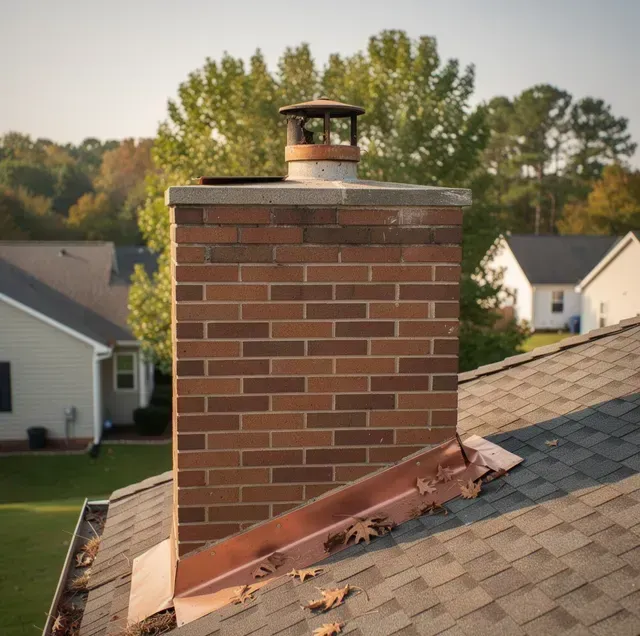
Crown Repair: Damaged chimney crowns often trigger chronic spalling by letting water drip down into the bricks below. A professional crown rebuild or resurfacing redirects rainwater away and seals off future moisture entry points.
Waterproof Coating: Once repaired, applying a breathable waterproof sealant prevents water absorption while still allowing trapped vapor to escape. It’s a fine line—a good sealer protects without suffocating the masonry.
When spalling accompanies more serious damage, such as internal cracking, full or partial reconstruction may be required. Professionals sometimes rebuild the upper courses of the chimney while maintaining the original aesthetic, restoring safety, and dramatically extending the lifespan.
What Not To Do: The DIY Mistakes Everyone Makes
One of the biggest homeowner missteps is using the wrong materials. Applying non-breathable paint or generic concrete sealer traps moisture inside the bricks—exactly what caused spalling in the first place. Another common error is trying to patch or caulk the chimney instead of replacing damaged components. Temporary fixes lead to concealed moisture buildup that escalates the problem.
DIY pressure washing also does more harm than good by stripping away protective mineral surfaces. Chimney professionals use controlled cleaning techniques that remove dirt without damaging masonry layers. It’s always worth leaving chimney crack repair and spalling work to certified experts who understand heat-resistant materials and structural safety.
The Long-Term Fix: Professional Masonry Restoration
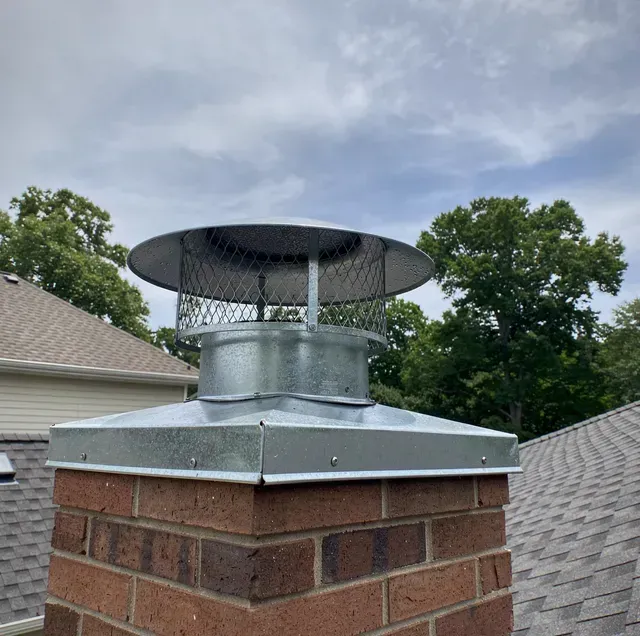
For a lasting solution, chimney restoration focuses on comprehensive prevention. Experts not only repair broken bricks but also address the root causes—crown cracks, defective flashing, and poor drainage around the chimney base. Full-service masonry restoration may also include installing a properly sloped crown, replacing caps, resurfacing smoke chambers, and adding waterproofing treatments.
These steps restore both structural integrity and curb appeal. After all, a clean, uniform brick finish adds beauty to any home exterior and helps prevent further weather damage.
Preventing Spalling In The Future
Once your chimney has been restored, regular maintenance keeps future spalling at bay. Annual inspections help catch small cracks before they grow. Keep your crown sealed and your flashing intact to block water entry points. If you live in an area prone to freezing temperatures, consider professional waterproof treatments every few years.
Cleaning should always be gentle—no harsh chemicals or power washing. Homeowners can also improve protection by confirming gutters and downspouts divert water away from the masonry. A professionally maintained chimney can last for generations with minimal repair needs.