
Roof Leaks and Chimney Flashing Issues: Fast Response in Cary
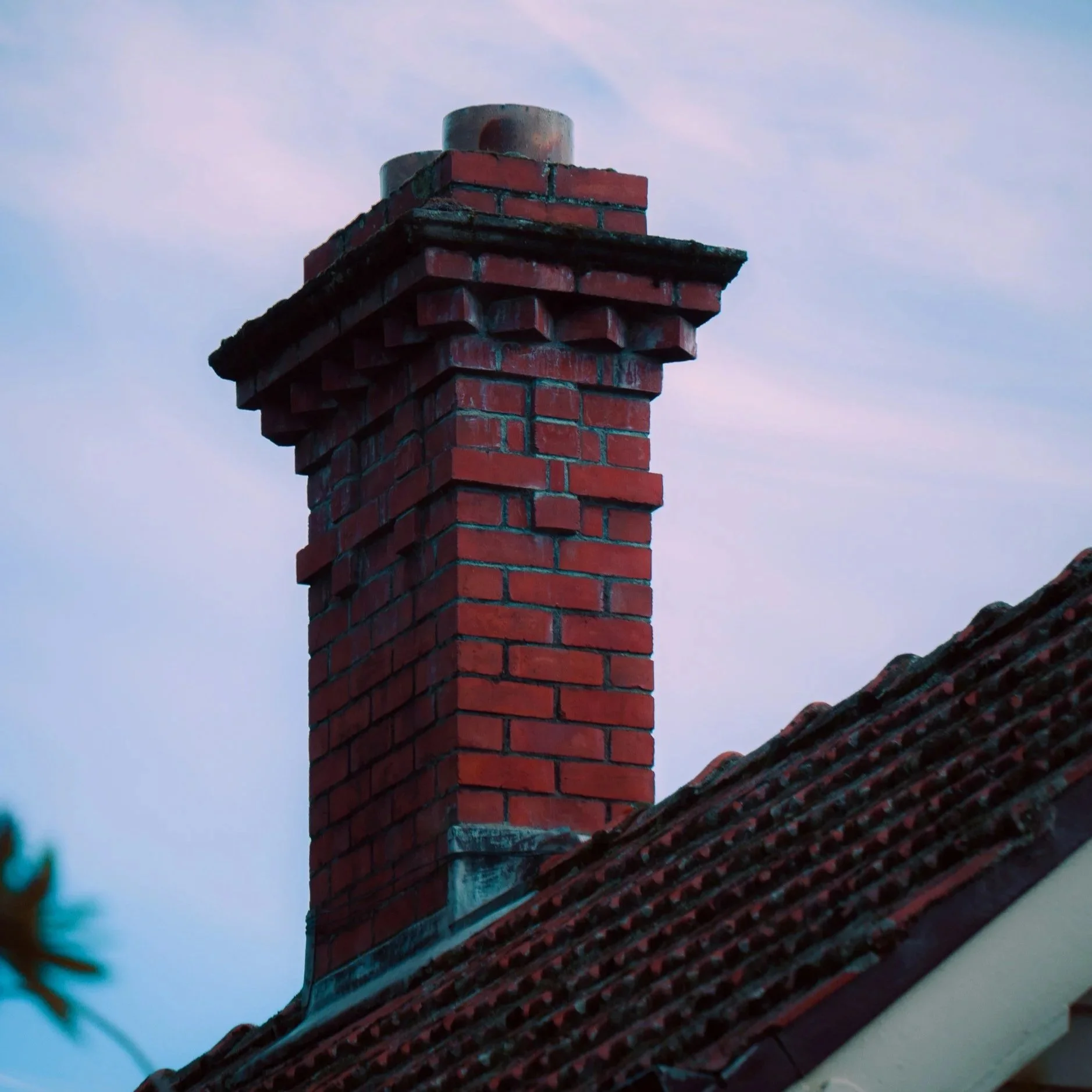
Trusted chimney inspections, cleanings, and repairs in Greensboro—safe, efficient, and affordable solutions.
When A Drip Becomes a Disaster
Few sounds are more startling than the drip of water right after a North Carolina thunderstorm. In Cary homes, those tiny drips often trace back to one surprising culprit—the chimney flashing. The thin metal that connects the chimney to the roof has one job: to keep water out. When it fails, everything below it gets wet, from attic beams to living room ceilings.
Professional chimney technicians respond to these emergencies faster than you can grab a bucket. Flashing repair is one of the most requested services after heavy rainfall, and for good reason. When handled correctly, it restores a watertight barrier between roof and masonry, blocking moisture before it spirals into structural damage.
What Makes Flashing So Important
Chimney flashing may be minimal in size, but it plays a major role in keeping roofs dry. The seal is created by flashing bridges, two materials that naturally expand and contract differently—roofing shingles and brick. Over time, Cary's steamy summers and chilling winters flex those materials just enough to cause microscopic separations.
Once those gaps appear, water seeps in. Over several cycles of rain and heat, flashing corrodes, sealant cracks, and leaks form. Water follows gravity, so a small opening near the chimney base can send moisture far into rafters, insulation, or even drywall. Professional flashing repair closes that path before it becomes a waterfall hidden inside your walls.
Common Signs Of Flashing Damage
Spotting roof leaks isn't always easy. Water likes to stay secretive, hiding behind paint or creeping across beams before surfacing in unexpected spots. Cary homeowners often discover flashing issues when they notice:
Stains on ceilings near fireplaces.
Water that drips into attics during rain.
Rust streaks or dark marks on exterior brickwork.
Damp or musty odors in chimney areas.
Paint blistering near the fireplace wall.
Once any of these red flags appear, acting fast prevents greater damage. Calling a chimney repair professional beats guessing where the water is coming from.
How Weather Plays Its Part
Cary's weather does not take it easy on flashing. Rain often combines with gusty winds that push water horizontally against chimneys, forcing moisture through weak seams. During summer, ultraviolet rays dry out sealants, causing them to crumble. Winter freeze cycles expand any water trapped under loose metal, worsening gaps.
Local chimney service teams know the area's weather patterns well. They use corrosion-resistant metals like copper or stainless steel that better withstand North Carolina's temperature shifts than older aluminum flashing. A durable material choice saves homeowners from frequent patch jobs later.
The Anatomy Of Durable Flashing
A correctly installed flashing system works like interlocking armor plates. Base flashing wraps the chimney base, while step flashing tucks between roof shingles to divert water. Counter flashing is then layered into the masonry to seal the upper edges.
Each component serves a purpose, and missing just one section leaves the system incomplete. Many leaks occur because previous roofers skipped or improperly overlapped these layers. Trained chimney professionals install flashing with precision, ensuring water follows the intended pathway—off the roof and into the gutters, not into the living room.
Why Chimney Leaks Require More Than Roofing Skills
While roofers handle shingles well, chimney flashing requires masonry knowledge as well. The repair involves grinding small grooves into mortar joints to embed counter flashing, then sealing it with specialized waterproof compounds.
Professional chimney technicians combine roofing and brickwork expertise to achieve long-term protection. Their understanding of structure and draft design gives them an advantage over general contractors who might only patch the surface without inspecting deeper issues inside the chimney.
Fast Action During Chimney Emergencies
After a storm, time matters. A persistent leak can ruin insulation and rot wooden rafters overnight. That's why many Cary homeowners rely on 24-hour chimney repair services for immediate help.
Technicians arrive equipped with tarps, sealants, and moisture detectors to stop active leaks on the spot. Once the skies clear, they complete a thorough inspection, replacing damaged flashing or sealing crowns if needed. An emergency call may start as a water stop, but ends with preventive care that fortifies the roof-chimney connection for years to come.
The Role Of Seasonal Maintenance
Cary's year-round humidity makes seasonal maintenance your roof's best friend. Routine chimney inspections reveal rust, cracks, or separations before they grow severe. Spring visits clean up after winter's freeze-thaw cycles, while fall appointments prepare systems for cooler, wetter months ahead.
Professionals perform post-storm inspections that assess flashing, crowns, caps, and mortar joints simultaneously. Combining these evaluations reduces costs while preventing surprise leaks. Consistent maintenance keeps roofs and chimneys functioning in sync—an essential partnership during North Carolina's unpredictable weather swings.
When Water Isn't The Only Problem
Roof leaks sometimes pair up with another household invader: animals. Squirrels, raccoons, or birds often exploit gaps created by worn flashing or missing caps. Once inside, they introduce nesting materials that trap moisture, accelerating masonry decay and clogging airflow.
Animal nest removal during flashing repair addresses both problems simultaneously. Technicians clear debris and replace caps with stainless-steel mesh designs that keep wildlife from returning. The result is a cleaner, safer, and quieter chimney system—no surprise chirps required.
Diagnosing A Leak The Professional Way
Every drip follows a trail. Locating it correctly means looking deeper than the surface. Professionals use thermal imaging and moisture scanners to trace water migration through roofing layers and into the chimney structure.
Often, what seems like a roof issue stems from hairline cracks in the chimney crown or missing mortar around the counter flashing. Experts read these clues like detectives, making repairs where they're truly needed instead of applying quick patches that fail after the next storm.
Urgency Meets Precision In Cary
When homeowners in Cary call for chimney emergency repair, they're often dealing with leaks discovered late at night or after major storms. Local response teams operate with service vehicles stocked for quick-turn restoration. They apply temporary heat-resistant sealants or metal wraps, then replace them permanently once the weather stabilizes.
Because Cary's neighborhoods vary from historic homes to new constructions, technicians adapt materials and methods accordingly. For older clay brick chimneys, flexible counter flashing avoids mortar strain. For modern metal-sided structures, custom chase pans guard against future water entry. Each repair plan fits the home's specific personality.
When Flashing Damage Affects Roof Integrity
Ignoring flashing problems eventually spreads damage across the roofline. Moisture sneaking under shingles soaks the decking, causing rot that weakens structural strength. Fungal growth can appear, producing telltale dark streaks visible from the yard.
Timely professional flashing repair prevents those progressive damages. Specialists also inspect nearby roof valleys, gutters, and ventilation systems to check if leaks have migrated farther. Repairing flashing alone may stop the source, but verifying adjacent components gives complete confidence in the home's moisture defense.
Professional Repairs Done Right The First Time
Chimney leak repair isn't just applying sealant; it's a whole restoration process built to last. Professionals grind and re-bed flashing into cleaned mortar joints, use high-performance sealants that flex with temperature changes, and align every piece to direct water safely downward.
They also pressure-test the repair by simulating rainfall with controlled water flow before leaving the site, confirming that flashing holds strong under storm conditions. That kind of diligence keeps Cary homeowners from making repeat calls every rainy season.
Why Picking Local Experts Makes A Difference
Cary and the surrounding Triangle area are home to several established chimney companies. Local professionals know the unique mix of clay and sand used in Triangle-area masonry, as well as the typical roof-slope angles in residential neighborhoods.
They also understand regional building codes, helping homeowners avoid insurance headaches later. Working with certified CSIA technicians guarantees clean, compliant, and consistent performance standards tailored to North Carolina's architecture and climate.
Preventing Recurring Issues
Once repaired, the goal is to keep leaks from ever returning. Waterproofing the upper chimney, sealing crown cracks, and regularly reapplying protective coatings extend the lifespan of both flashing and brick.
Professionals usually follow repair service with a water-repellant treatment that bonds to masonry while allowing vapor to escape. The coating repels rain and snowmelt, preventing moisture absorption that can compromise flashing adhesion. With that simple step, future leaks have nowhere to hide.
Flashing And Roof Leaks Work Hand In Hand
While flashing often steals the spotlight, other small details influence its performance. Clogged gutters overflow, sending water backward against the chimney base. Moss buildup traps moisture where flashing meets shingles. Proper maintenance addresses all these surrounding factors, too.
Chimney flashing never works in isolation—it's part of a network of water management defenses. When technicians fix a leak, they often recommend minor roof or gutter adjustments that complement the repair and keep the entire system balanced.
The Dry Advantage: How Homeowners Benefit
Freshly replaced flashing does more than prevent leaks—it protects your home's value. Moisture-free attics retain insulation efficiency, ceilings stay clean, and indoor air quality improves. Homeowners also enjoy lower long-term maintenance costs thanks to stronger structural performance.
New flashing adds curb appeal, too. Clean, sealed metal lines show attention to detail, a subtle yet reassuring feature for anyone considering resale down the road. And for families who want comfort in every storm, proper flashing delivers it effortlessly.
Staying Ahead With Proactive Care
Home maintenance is easier when handled like clockwork. Scheduling annual chimney inspections prevents small leaks from becoming emergency repairs. Seasoned technicians can spot corroded flashing during regular cleaning visits and fix it before heavy rain hits.
Some Cary residents pair chimney care with other seasonal services, such as gutter flushing and skylight checks, for complete peace of mind. A little proactive effort goes a long way toward keeping ceilings dry and cozy during North Carolina's stormy afternoons.
When Speed Matters Most
Water has no patience, and neither should homeowners with active leaks. Fast response chimney repair stands between minor dampness and structural damage. Professionals in Cary prioritize emergency dispatch during storm seasons to deliver immediate containment and rapid restoration.
They cover exposed flashing with waterproof wraps, divert runoff using drip edges, and coordinate with roofing teams if joint replacements are necessary. Within hours, the leak that caused sleepless nights turns into a small story for later laughs—with dry walls to prove it.
Keeping Cary Chimneys Leak-Free
Every Cary home tells its own story about surviving rain, wind, and southern humidity. A well-done chimney flashing repair becomes part of that story—a quiet but vital detail that keeps everything working above the ceiling line.
Professional technicians understand that success lies in precise craftsmanship, reliable follow-ups, and a dash of humor when the job gets messy. Once flashing is restored, homeowners enjoy peace of mind knowing the roof above their heads is once again solid, dry, and storm-ready.
Perfect Chimney Cleaning proudly offers chimney cap installation and replacement, chimney liner and flue repair, chimney waterproofing and leak prevention, and chimney flashing and roof integration repair in Greensboro, NC. We have trained technicians and boast decades of combined experience. Call us today for more information.
