
Seasonal Chimney Checkups: Preparing For North Carolina's Cold Season
As fall rolls across North Carolina, the smell of wood smoke and the first cool breeze hint at fireplace season. The shift from sweltering humidity to crisp evenings means it is time to think about the one structure that keeps warmth safely flowing through your home—the chimney. A seasonal chimney checkup is more than a formality. It is the best way to make sure your fireplace performs efficiently, safely, and with fewer surprises once temperatures drop.
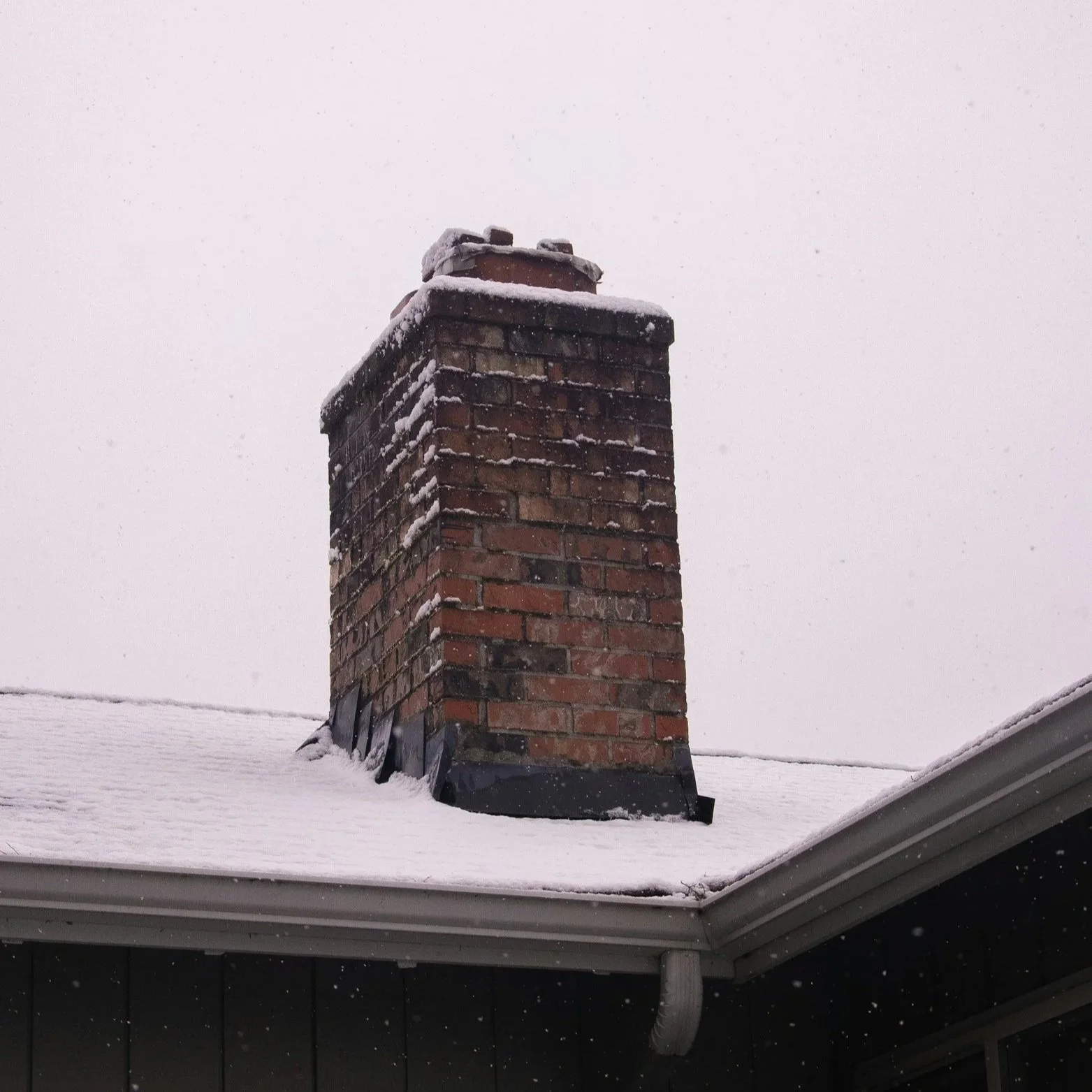
Trusted chimney inspections, cleanings, and repairs in Greensboro — safe, efficient, and affordable solutions.
Why Seasonal Chimney Maintenance Matters
A chimney works hard all winter and then spends months battling North Carolina's humidity, thunderstorms, and temperature swings. Over time, moisture seeps into brick and mortar, expanding and contracting with the weather. Those small shifts create cracks, gaps, and loose mortar joints that can cause water leaks or even structural damage. Add the soot and creosote from last year's fires, and you have a system that needs attention before it handles another season of heat and smoke.
A seasonal chimney inspection gives technicians the chance to perform a thorough chimney evaluation and catch early warning signs before they turn into costly repairs. It also confirms that every component—from the cap to the flue—is in working order. A clean, well-maintained chimney provides a strong draft, efficient heat, and most importantly, a safe environment for your family.
What A Seasonal Chimney Checkup Includes
When professionals conduct seasonal chimney maintenance, they begin with a visual assessment of the exterior. They look for cracks, leaning stacks, and signs of moisture intrusion. Damaged flashing or missing mortar often indicates that water has entered.
Inside, the focus shifts to the firebox, smoke chamber, and flue. A certified chimney technician performs a Level 1 inspection if there have been no significant changes since the last checkup. For homeowners who have renovated, switched fuel types, or experienced severe weather, a Level 2 inspection might be recommended. That includes a detailed video flue inspection using high-definition cameras to identify cracks, blockages, or corrosion deep inside the flue.
Technicians also check for soot and creosote buildup, which can restrict airflow and pose fire risks. If needed, they clean the flue and smoke chamber, removing debris or nesting materials left by animals that found a temporary home over the summer.
How A Chimney Evaluation Protects Your Home
A chimney evaluation does more than confirm that your fireplace works—it protects your property from potential damage. Moisture is the most persistent enemy of chimneys in North Carolina. When water enters through cracks or an open cap, it seeps into the masonry. As temperatures drop, that moisture freezes, expands, and gradually breaks apart the brick. Over time, that damage spreads through the chimney structure and even into interior walls.
Regular chimney inspections and seasonal maintenance help prevent those problems. By sealing cracks, replacing missing caps, and cleaning the flue, professionals keep the chimney functioning as a safe ventilation system. It also prevents odors from trapped creosote and keeps smoke moving freely upward instead of drifting into your living space.
The Role Of A Level 1 Inspection
A Level 1 inspection is the foundation of good chimney maintenance. It involves checking all visible and accessible areas for soot buildup, blockages, or damage. It is perfect for homeowners who use their fireplace regularly but have not made major changes since the last inspection.
During a Level 1 inspection, technicians look for obvious structural concerns and test components like the damper and firebox. They verify that the chimney liner is intact and that there is no excessive creosote buildup. A quick annual check like this prevents minor issues from becoming expensive repairs later.
When A Level 2 Inspection Becomes Necessary
A Level 2 inspection goes beyond the basics. It is typically performed when a property is changing ownership, after severe weather, or when system modifications occur. A video flue inspection is included, allowing technicians to see every inch of the interior. The footage captures cracks, loose mortar joints, or blockages that might not be visible otherwise.
In Raleigh and surrounding cities, where storms and humidity can accelerate chimney wear, Level 2 inspections are an excellent choice for homeowners preparing for winter. The recorded video also provides documentation for real estate inspections or insurance records, giving homeowners confidence that their chimney is safe and code-compliant.
The Connection Between Chimney Maintenance And Energy Efficiency
A well-maintained chimney contributes to energy efficiency throughout the home. A blocked or damaged flue disrupts airflow, reducing the efficiency of fireplaces. That can increase fuel consumption and reduce indoor comfort. Regular inspections and cleaning improve draft performance and allow fireplaces or heating appliances to operate at peak efficiency.
When warm air escapes through gaps in the flue or a poorly sealing damper, heating costs rise. Seasonal chimney inspections address leaks by repairing or replacing worn components, helping maintain consistent indoor temperatures. Homeowners in Cary, Durham, and Chapel Hill often notice lower heating bills after scheduling professional maintenance.
The Dangers Of Skipping Seasonal Inspections
Ignoring seasonal chimney inspections may not cause immediate problems, but the risks accumulate quickly. Creosote buildup, for instance, becomes highly flammable over time. All it takes is one spark to ignite it, turning a relaxing night by the fire into a serious emergency.
Structural issues are another silent threat. Cracks in the liner can allow heat and gases to escape into nearby walls. Water damage from leaks can cause rotting wood, mold growth, or even ceiling stains. Skipping inspections also shortens the chimney's lifespan, resulting in higher long-term repair or rebuild costs.
Professional chimney maintenance dramatically reduces those risks. It keeps small issues manageable and prevents emergencies that no homeowner wants to face mid-winter.
How Professionals Use Video Flue Inspection Technology
The introduction of video flue inspection technology has changed how chimney professionals approach safety. The camera provides an inside look that even the most experienced technician could not achieve by sight alone.
Video inspections are especially valuable for North Carolina homeowners with older properties. Over the years, heat cycles, moisture, and settling can create internal weaknesses invisible to the eye. The video enables technicians to identify problems early and recommend targeted repairs that preserve the chimney's structure. The footage can also be saved and compared during future chimney evaluations to monitor ongoing conditions.
Why North Carolina's Climate Makes Maintenance Essential
North Carolina's climate keeps chimney professionals busy. The combination of summer humidity, fall rain, and winter cold creates ideal conditions for masonry deterioration. Even a small leak during hurricane season can cause major problems by winter if left untreated.
Seasonal chimney checkups act as preventive care against those regional challenges. Professionals apply waterproofing treatments, repair crowns, and reseal flashing to keep moisture out. Homeowners benefit from a chimney that performs reliably despite the region's unpredictable weather swings.
The Added Value For Real Estate
For homeowners planning to sell, seasonal chimney inspections are essential to real estate transactions. A recent inspection report reassures buyers that the fireplace system is safe, functional, and compliant with codes. Level 2 inspections, complete with video flue inspection footage, provide powerful documentation for home listings and appraisals.
Buyers often appreciate seeing that a chimney has been professionally maintained. It signals responsible ownership and removes a potential obstacle during negotiations. For sellers, it can mean faster closings and fewer buyer-requested post-inspection repairs.
Why Professional Service Beats DIY
Climbing on the roof or peering up the flue might sound adventurous, but professional chimney care is far more effective and far safer. Certified chimney technicians possess training, specialized tools, and the knowledge to identify problems invisible to the untrained eye. They understand how to interpret inspection footage, measure draft performance, and recognize code violations.
DIY cleaning often misses the deeper buildup inside the flue or fails to address structural weaknesses. Professionals not only clean but also evaluate, repair, and document every aspect of chimney performance. Homeowners save time, avoid risks, and gain ease knowing that experts have handled the work.
Making Chimney Care A Seasonal Tradition
A seasonal chimney inspection should be as routine as changing the batteries in a smoke detector. It keeps your fireplace safe, efficient, and ready for the first cold night of the year. Professionals who specialize in chimney maintenance know exactly what to look for and how to prepare your system for North Carolina's diverse weather conditions.
Scheduling your chimney inspection in early fall helps avoid last-minute rushes and allows plenty of time for any needed repairs. By the time the cold settles in, you can relax in front of the fire knowing your chimney is operating perfectly, your home is protected, and your comfort is secure for the season ahead.
Perfect Chimney Cleaning is a Greensboro, NC-based company offering chimney cleaning and maintenance, chimney animal and nest removal, dryer vent cleaning and repair, and annual chimney maintenance services. Our trained technicians provide trusted professional expertise and follow necessary safety protocols. Call today for a free quote.
