
The Hidden Dangers of Chimney Leaks and How to Repair Them Fast
A cozy fire on a chilly evening sounds perfect until you hear the dreaded drip of water coming from your chimney. A chimney leak might not sound like a big deal at first, but water and masonry have never been good friends. Moisture intrusion can start small and quickly turn into a structural nightmare, leading to crumbling mortar, weakened bricks, and even interior water damage. Understanding the dangers of chimney leaks and how professionals handle repairs can save homeowners from expensive fixes down the road.
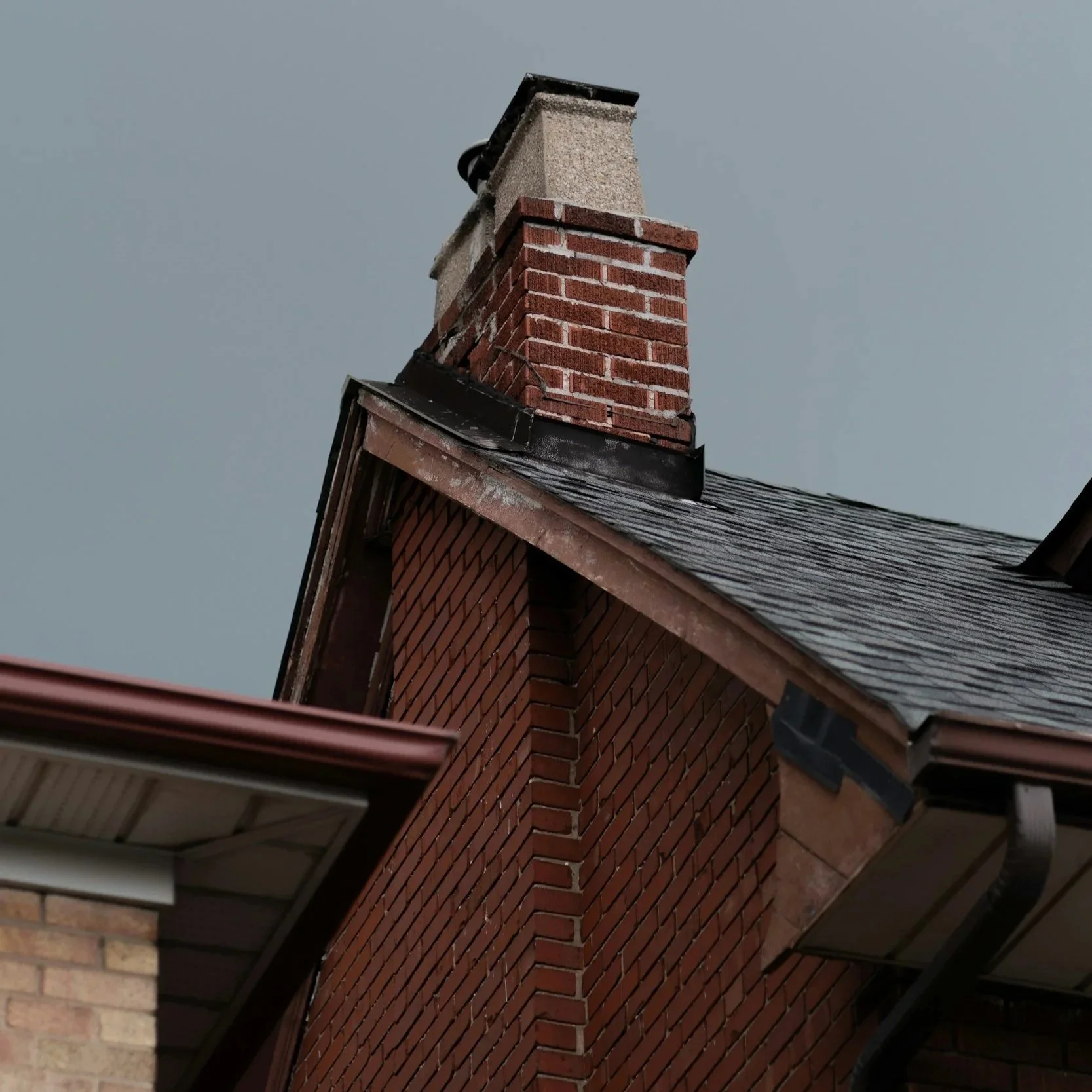
Trusted chimney inspections, cleanings, and repairs in Greensboro — safe, efficient, and affordable service.
Understanding The Causes Of Chimney Leaks
Chimney leaks don't appear out of thin air. They usually develop over time due to a combination of exposure, aging materials, and weather fluctuations. Cracked mortar joints, deteriorated flashing, and a damaged crown are often the usual suspects. Heavy rainfall and snowmelt can seep into these vulnerable spots, saturating bricks and causing them to expand and contract with changing temperatures. That movement eventually widens cracks, inviting even more water inside.
A missing or poorly installed chimney cap also plays a significant role. Without a proper cover, rainwater pours straight into the flue, soaking the smoke chamber and firebox. Some chimneys even suffer from leaks caused by issues higher up the roofline, where flashing was never properly sealed or has begun to lift. Once water sneaks past the flashing, it can travel unseen behind walls and ceilings before revealing itself through unsightly stains or musty odors.
Recognizing Early Signs Of Chimney Leaks
A chimney doesn't always shout when it's in trouble; sometimes it whispers. Dark water stains on the ceiling near the fireplace are a classic warning. Damp odors, peeling paint, or rusted damper components can also point toward hidden moisture. White, powdery deposits known as efflorescence often appear on chimney bricks as water evaporates, leaving mineral salts behind.
A cracked chimney crown is another giveaway. The crown, that concrete slab at the very top of the chimney, keeps rainwater out. Once it begins to break apart, moisture seeps in, causing slow but steady damage. Even a few hairline cracks can lead to major problems if left unchecked, especially during freeze-thaw cycles.
Why Chimney Leaks Are More Dangerous Than They Look
Water and masonry might sound harmless together, but when combined repeatedly, they create a perfect recipe for decay. Moisture weakens mortar joints, causing them to crumble and loosen over time. As bricks absorb water, they expand and contract, accelerating deterioration and inviting more leaks.
Unchecked leaks can lead to a rusted firebox or damper, a damaged smoke chamber, and even damage to interior drywall or insulation. Worse yet, prolonged exposure to moisture can compromise the chimney's structural integrity, posing real safety hazards. In extreme cases, the weakened structure could partially collapse, especially during high winds or storms.
From a safety standpoint, chimney leaks can also lead to inefficiency in the smoke chamber. Damp masonry disrupts airflow, leading to poor draft performance and potentially causing smoke to back into the home. That means reduced efficiency, higher energy costs, and potentially hazardous indoor air quality.
Professional Inspection And Diagnosis
Repairing a chimney leak starts with a professional inspection. Chimney experts use specialized tools and knowledge to trace water's sneaky path. They'll check the crown, flashing, mortar joints, cap, and surrounding roofing for clues. In some cases, video inspections inside the flue help reveal internal damage that might otherwise go unnoticed.
A professional inspection also helps determine whether the issue stems from surface-level cracks or deeper structural damage. Understanding the root cause means the repair plan will actually stop the leak rather than just patching the symptoms.
Effective Masonry Repair And Restoration Techniques
Once the problem is identified, professionals use targeted masonry repair techniques to restore the chimney. Tuckpointing, for example, is one of the most common and effective solutions. Technicians carefully remove deteriorated mortar from between bricks and replace it with fresh, durable mortar that restores strength and appearance.
For chimneys with visible cracks or missing bricks, masonry restoration may include replacing damaged sections entirely. Skilled masons match new materials to the original structure for a seamless repair that maintains both function and curb appeal. In some cases, waterproof sealants are applied to protect the repaired surface from future moisture penetration.
When a chimney crown has crumbled or eroded, a crown rebuild may be necessary. Professionals create a new, properly sloped concrete surface that directs water away from the flue. They also include drip edges to prevent water from running down the sides, one of the most overlooked but critical design details.
Repairing Smoke Chambers And Fire Damage
Moisture intrusion doesn't stop at the bricks. It can also affect the smoke chamber, the transition area between the firebox and flue. Over time, cracks in the chamber's surface allow heat, gases, and smoke to leak into surrounding materials. That's where smoke chamber resurfacing comes in.
Using a heat-resistant, insulating material, professionals smooth and seal the entire interior of the chamber. This repair not only fixes water-related damage but also improves airflow, helping fires burn cleaner and safer. For chimneys that have suffered from fire damage, specialized restoration methods repair scorched masonry, replace compromised flue liners, and restore safe operation.
Addressing Flashing And Roof Integration
Even a perfectly built chimney can leak if the flashing around its base fails. Flashing is the metal barrier that seals the joint where the chimney meets the roof. Over time, it can rust, warp, or separate from the masonry. A small gap might look harmless, but it's an open invitation for water infiltration.
Professionals repair flashing by resealing or replacing it with high-quality materials designed to withstand temperature fluctuations and weather exposure. Properly installed step flashing and counter flashing work together to form a watertight barrier. When done correctly, the new flashing not only stops leaks but also lengthens the lifespan of both the chimney and the roof.
When Crown Rebuilds And Tuckpointing Go Hand In Hand
Sometimes a chimney leak calls for more than one repair strategy. For example, a chimney with both a deteriorated crown and eroded mortar joints may require a full crown rebuild followed by tuckpointing. Rebuilding the crown prevents water from entering from above, while tuckpointing seals weakened mortar joints along the stack.
Combining these services offers a long-term solution rather than a temporary fix. Homeowners gain the comfort of knowing the entire chimney system is sound, not just patched in spots. It also enhances the structure's overall appearance, giving it a clean, well-maintained look that adds curb appeal and property value.
Preventing Future Chimney Leaks
Once the chimney is repaired, prevention becomes the next step. Professional waterproofing treatments can help masonry repel moisture without trapping vapor inside. Installing a sturdy chimney cap provides year-round protection against rain, debris, and even curious wildlife looking for shelter.
Regular inspections are also key. Having a certified chimney professional check the system annually helps catch small issues before they become costly disasters. After major storms or freeze-thaw seasons, a quick visual check for cracks or missing mortar can save homeowners from bigger surprises later.
Why Professional Chimney Repair Is Worth It
Attempting to repair a chimney leak without professional tools or experience often leads to short-lived results. What might appear as a surface crack could hide deeper structural weakness. Certified technicians understand how water moves through masonry and know which repair methods work best for each situation.
They also use specialized materials designed for chimney restoration, including high-heat mortars, waterproof sealants, and insulation-safe resurfacing compounds. Professional repair not only fixes the current problem but also reinforces the chimney against future damage, saving homeowners money over time.
Professional masonry repair also contributes to fire safety. Water-damaged chimneys can create dangerous conditions that increase the risk of chimney fires. Regular maintenance, combined with timely repairs, keeps the system performing efficiently and safely throughout the heating season.
Chimney Repair As Part Of Overall Masonry Maintenance
A chimney isn't just a functional feature; it's also an architectural focal point. Keeping it in top condition benefits the entire home. When professionals address chimney leaks promptly, they often identify related issues in surrounding masonry structures, such as porch columns, brick walls, or retaining features.
Masonry repair and restoration keep the property structurally sound and visually cohesive. Addressing all problem areas together creates a uniform appearance and prevents the need for repeated repairs. Whether it's repointing joints, sealing cracks, or rebuilding worn sections, skilled masons approach the job with an eye for both durability and design.
Why Water Damage Should Never Be Ignored
It's easy to overlook a small leak or dismiss a water stain as minor, but water damage is relentless. Once it infiltrates masonry, it spreads through capillary action, reaching places far beyond the visible damage. What starts as a slow drip can end with major structural compromise, especially during freeze-thaw cycles that cause expanding ice to widen cracks.
In severe cases, water damage inside the chimney can reach the flue liner, leading to corrosion, flaking, and blockages that affect draft performance. That's why timely chimney crack repair and masonry restoration are not just aesthetic improvements but safety measures that protect both property and lives.
Restoring Safety And Comfort
When a chimney leak threatens comfort and safety, professional chimney repair services restore peace of mind. From crown rebuilds and tuckpointing to smoke chamber resurfacing and flashing repair, each service works together to eliminate leaks and restore strength. The result is a system that performs efficiently, resists weather, and keeps the home safe and cozy through every season.
Whether your chimney is leaking, cracked, or showing signs of water damage, acting quickly makes all the difference. Masonry repair and chimney restoration not only prevent further deterioration but also protect your investment for years to come.
Get professional chimney repair and restoration, chimney leak repair, chimney mortar repair and repointing, and chimney brick and crown repair in Greensboro, NC, with Perfect Chimney Cleaning. For us, safety is the priority. Our team delivers trusted professional expertise and personal care. Count on us for transparent pricing and excellent workmanship. Get your free quote today!
