
Common Chimney Blockages And How Professionals Clear Them Safely
Nothing ruins a cozy night in North Carolina faster than smoke filling the living room or an unexpected chimney odor. That is where a professional chimney inspection steps in to save the day. It is not about curiosity; it is about safety, performance, and catching small issues before they turn into brick-sized headaches. Understanding the differences between a Level 1 and a Level 2 inspection helps homeowners make informed choices about chimney maintenance and long-term care.
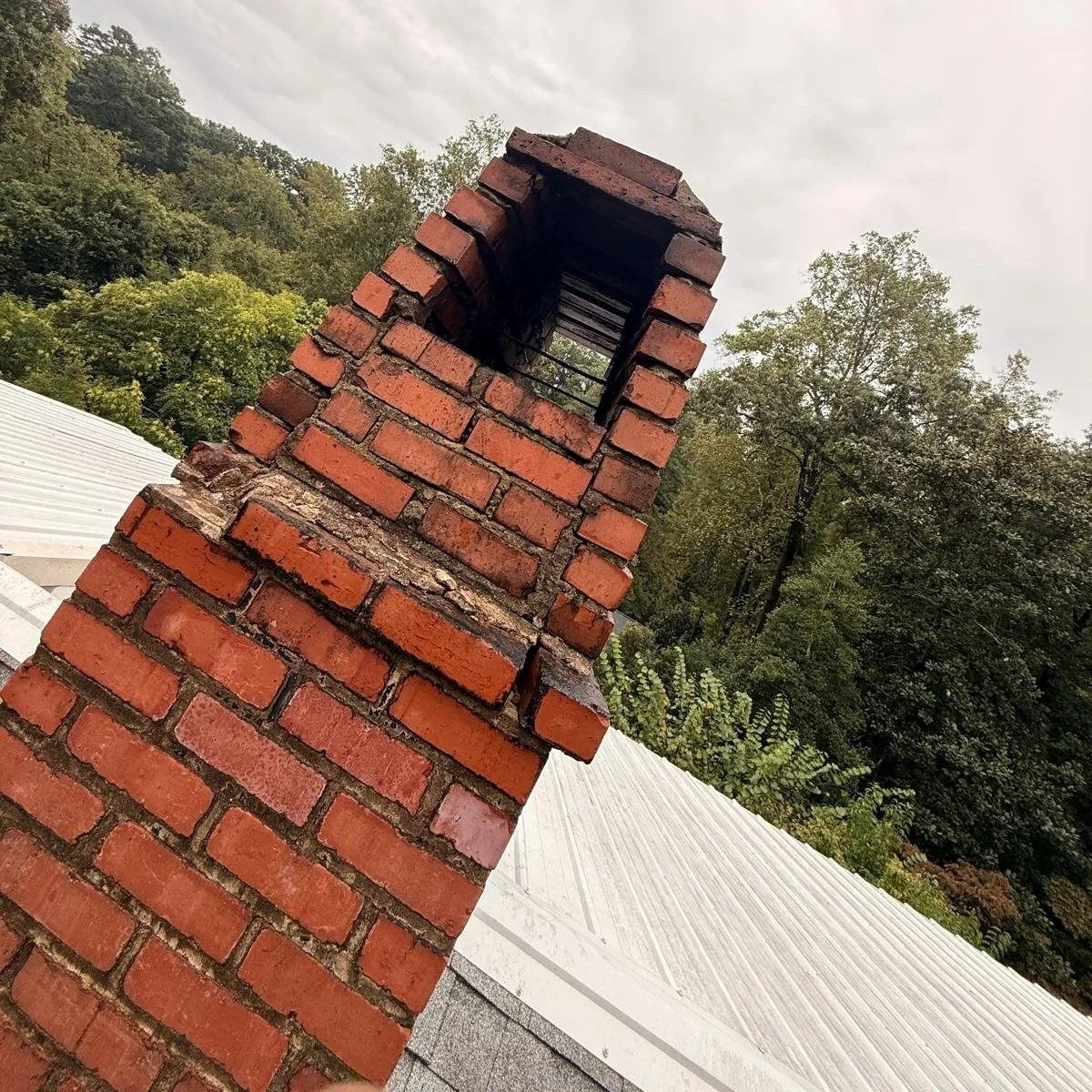
Professional chimney inspections, cleanings, and repairs in Greensboro — improving safety and efficiency affordably.
The Usual Suspects Behind Chimney Blockages
Every chimney faces wear, but some problems develop faster than others. Soot, ash, and creosote from regular fireplace use are the most common offenders. Over time, those residues coat the flue walls and begin to narrow the passageway. Add a few stray leaves, twigs, or even a bird nest, and airflow quickly becomes restricted.
Creosote buildup is hazardous because it's not just a blockage—it's also flammable. The sticky residue clings stubbornly to surfaces, trapping other debris and forming thick layers that reduce efficiency and increase fire risk. Soot and ash exacerbate the problem, reducing the system's ability to vent smoke and gases safely.
Professionals in chimney cleaning often say that blockages rarely happen overnight. They build quietly over months of use, showing subtle signs like poor drafting, smoky rooms, or faint odors before becoming severe enough to notice.
Signs Your Chimney Might Be Blocked
A blocked chimney doesn't always announce itself dramatically, but the warning signs are easy to spot once you know them. Smoke backing into the room is the most apparent indicator that air isn't flowing correctly. You might also notice a strange smell, especially during humid weather, as creosote and soot react with moisture.
Another subtle clue appears when fires struggle to start or burn unevenly. Without adequate airflow, flames suffocate and leave behind excess ash. Some homeowners even hear chirping or scratching—unwelcome signs that wildlife may have moved in. When any of those symptoms appear, it's time to call a professional chimney sweep for inspection and soot removal.
Creosote: The Hidden Fire Starter
Creosote forms when wood smoke cools too quickly and condenses on the inside of the chimney walls. At first, it looks like fine soot, but with repeated burning, it hardens into a tough, tar-like glaze. That material doesn't just block airflow—it can ignite under high heat.
Professionals use rotary brushes and high-powered vacuums to safely remove creosote. For heavy buildup, chemical treatments soften the hardened layers before cleaning. The process eliminates fire hazards and restores proper ventilation, allowing the fireplace to function efficiently again.
Soot And Ash Accumulation
Even when creosote levels stay low, soot and ash can still cause blockages. Fine soot particles cling to interior walls, while leftover ash at the bottom of the firebox traps moisture and forms compact layers that restrict airflow. Over time, those materials act as insulation, keeping smoke inside the flue rather than allowing it to escape outdoors.
Professional chimney sweeps use industrial vacuums and flexible rods to obliterate soot and ash. They also clean dampers, smoke chambers, and fireboxes, making sure every part of the system breathes freely. With regular maintenance, homeowners avoid smoky rooms, strange odors, and reduced fireplace efficiency.
Animal Nests And Nature's Intruders
One of the more surprising causes of chimney blockage comes from wildlife. Birds, squirrels, raccoons, and even bats find chimneys an ideal shelter, especially when the cap is missing or damaged. Their nests can block airflow, trap smoke, and sometimes cause dangerous backdrafts.
Professional chimney sweeps handle animal-related blockages with care and respect for the creatures involved. They remove nests, sanitize affected areas, and install animal-proof chimney caps to prevent future issues. In areas around Greensboro with dense tree cover, animal nest removal is one of the most common seasonal services requested.
Leaves, Twigs, And Outdoor Debris
Autumn in North Carolina brings falling leaves and gusty winds—two perfect ingredients for chimney blockages. Debris carried by the wind often settles inside uncapped chimneys, especially after heavy storms. Even a small buildup of leaves and twigs can reduce draft efficiency, making it harder to start and maintain fires.
Professional chimney cleaning services include debris removal using vacuum systems and brushes that clear the flue from top to bottom. Afterward, technicians often recommend installing or replacing a chimney cap to prevent future blockages. A properly fitted cap also helps prevent rain from entering, reducing moisture problems and odor.
Structural Issues Inside The Chimney
Sometimes, the blockage isn't caused by residue or debris—it's structural. Over time, mortar joints crumble, tiles shift, or liners crack, causing fragments to fall into the flue. Those fragments partially block the airflow and create uneven surfaces that trap soot more easily.
Professionals use video inspection equipment to identify structural blockages deep inside the chimney. Once located, repairs include re-lining, repointing, or masonry restoration. Addressing the problem early prevents significant damage and extends the chimney's lifespan.
The Odor Connection
Odor often becomes the first noticeable symptom of a blocked chimney. When soot, creosote, or animal debris trap moisture, they create a distinct, unpleasant smell that spreads through the house. Negative air pressure from heating and cooling systems can pull those odors inside even when the fireplace isn't in use.
Professional odor diagnosis identifies the source of the smell. During a cleaning, technicians neutralize the odor-causing substances, dry the interior, and apply deodorizing treatments that leave the chimney fresh and clean. Eliminating the blockage also improves air circulation, keeping unwanted smells from returning.
How Professionals Clear Chimney Blockages Safely
Professional chimney sweeps approach each blockage differently, depending on its cause. For light soot buildup, mechanical brushing and vacuuming may be enough. For heavy creosote accumulation, specialized rotary tools and chemical treatments loosen the hardened layers before removal.
When animal nests or debris are involved, technicians use cameras to inspect the area first, making sure nothing living remains inside. They then remove the blockage manually and sanitize the affected surfaces. Safety equipment, such as respirators, drop cloths, and dust control systems, protects the home from contamination.
Advanced tools like HEPA vacuums prevent soot particles from escaping during cleaning. Afterward, technicians perform a full inspection to verify that the flue is clear and structurally sound. Every step focuses on safety, cleanliness, and long-term chimney performance.
The Benefits Of Routine Chimney Cleaning
Regular chimney maintenance prevents blockages before they start. Annual cleaning removes residue and debris, allowing air to move freely through the flue. It also improves heating efficiency, lowers the risk of chimney fires, and reduces odor.
For Greensboro homeowners, where seasonal humidity accelerates the buildup of residue, routine chimney cleaning is essential. Professional sweeps tailor cleaning schedules to local conditions and recommend more frequent service for heavy fireplace users. Consistent care keeps fireplaces burning cleanly and homes smelling fresh all year.
Why Professional Service Beats DIY
Attempting to clear a chimney blockage without proper tools or training can cause more harm than good. Pushing debris deeper into the flue or scratching the liner creates costly problems later. Climbing onto a roof to remove a blockage also poses safety risks that most homeowners aren't equipped to handle.
Professional chimney sweeps have the equipment and experience to thoroughly and safely clear blockages. They also identify hidden issues like cracks, leaks, or corrosion that may not be visible to the untrained eye. Hiring professionals means the chimney is cleaned efficiently without mess or guesswork.
Keeping Chimneys Safe And Efficient In Greensboro
Chimney blockages don't have to interrupt the warmth and comfort of home. Whether it's soot, creosote, debris, or a feathered intruder, professional chimney cleaning restores smooth airflow. Greensboro homeowners who schedule regular chimney sweeping enjoy cleaner air, safer fires, and more efficient heating.
A clear chimney isn't just a maintenance task—it's a sign of a healthy, happy home. When smoke rises easily and the air smells fresh, you know your fireplace is ready to keep every cozy night exactly the way it should be.
Meta: Keep your Greensboro home safe and efficient with professional chimney sweeping. Schedule soot removal and blockage clearing today for cleaner air and stronger fireplace performance.
Perfect Chimney Cleaning is a Greensboro, NC-based company offering chimney cleaning and maintenance, chimney animal and nest removal, dryer vent cleaning and repair, and annual chimney maintenance services. Our trained technicians provide trusted professional expertise and follow necessary safety protocols. Call today for a free quote.
