
The Role of Chimney Crowns in Preventing Structural Water Damage
Trusted chimney inspections, cleaning, and repairs in Greensboro — safe, efficient, and affordable solutions for your home.
The Unseen Protector At The Top
Every home with a masonry chimney has a silent defender sitting at the very top—the chimney crown. Most homeowners rarely notice it, but professionals know this component makes the difference between a healthy chimney and one slowly crumbling from hidden moisture damage. The crown’s main job is simple: keep water out. Yet that single role impacts everything from structural stability to indoor air safety.
A chimney crown functions like the roof of the chimney, shielding brickwork and mortar beneath from rain, snow, and ice. When water sneaks in, the structure begins to deteriorate from the inside out. A properly designed crown, sealed with a breathable, waterproof coating, plays a significant role in preventing that damage from ever starting.
What The Chimney Crown Actually Does
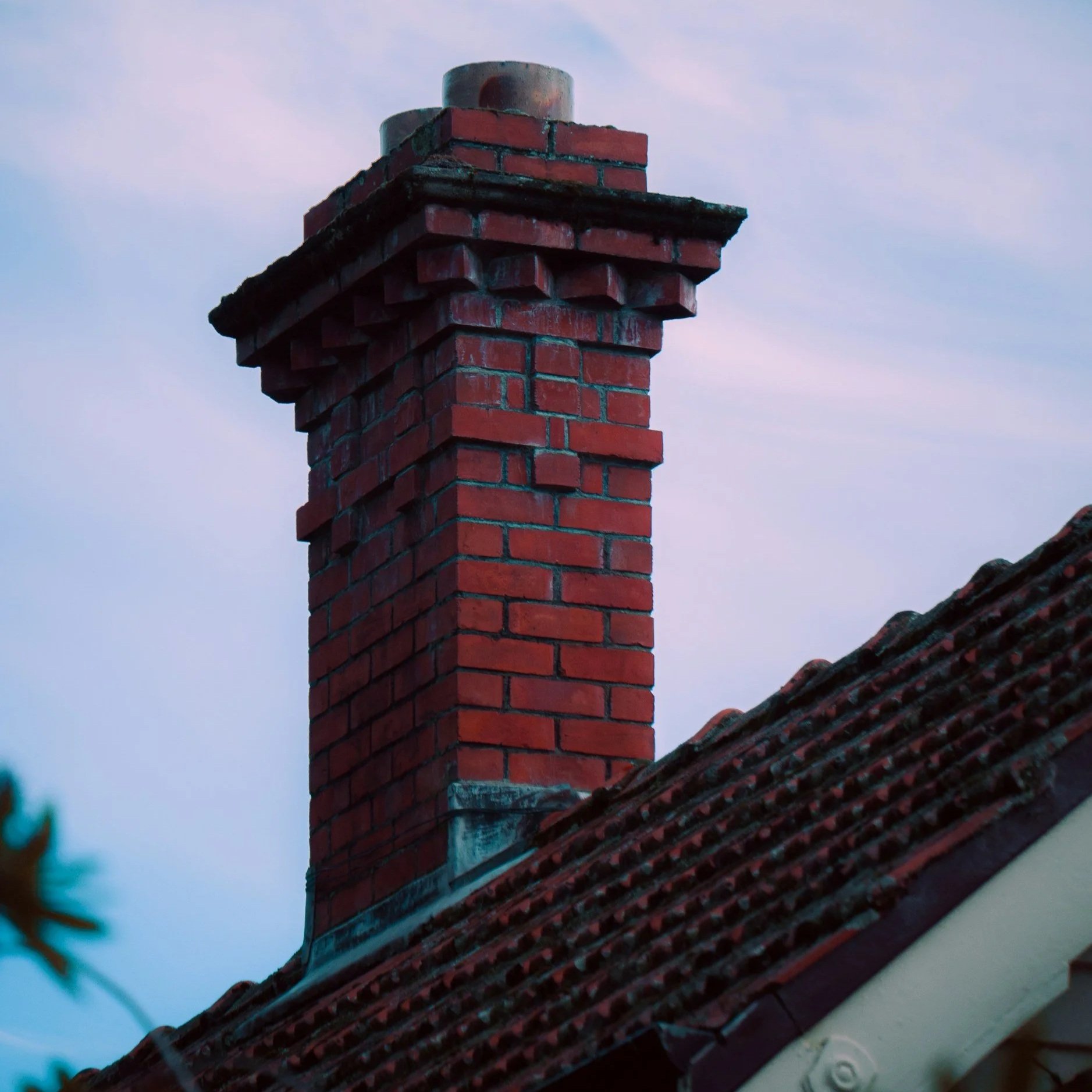
The crown is more than decorative cement. It’s the topmost concrete or masonry slab poured to extend slightly past the chimney’s outer walls, creating a miniature roof for the entire stack. Its sloped surface directs rain and meltwater away from the flue opening and down past the masonry, preventing pooling and seepage.
When functioning correctly, the crown performs four vital protective tasks:
Shields masonry from direct rainfall by diverting water away from the bricks
Prevents freeze-thaw damage by blocking moisture entry during winter
Reduces internal leaks that lead to staining, mold, and structural weakening
Protects the flue liner from water corrosion and temperature stress
Its importance multiplies in regions with heavy rain, snow, or ice cycles, where unprotected chimneys can absorb gallons of moisture through even micro-cracks.
How Water Damages Chimney Structure
Water doesn’t just wash over the surface—it infiltrates. Brick and mortar are porous materials that naturally absorb moisture. When water finds its way into those pores and freezes, it expands by roughly ten percent. That expansion exerts enough pressure to chip surfaces, widen existing cracks, and break bonds between bricks. Over multiple cycles, those tiny imperfections can grow into major cracks, leading to spalling and eventual structural failure.
Inside the chimney, trapped moisture can corrode liners, rust dampers, and weaken the mortar joints that hold the stack together. Once water reaches interior walls, homeowners notice peeling paint, musty odors, or discoloration around the fireplace. All those problems can be traced back to one vulnerable spot—the crown.
Common Causes Of Chimney Crown Damage
A perfect crown can last decades, but several factors speed up wear:
Freeze-thaw cycles: Repeated weather shifts expand and contract moisture trapped in small pores.
UV exposure: Direct sunlight dries concrete unevenly, creating brittle zones.
Improper construction: Crowns made without slope or overhang allow water to pool and penetrate.
Poor materials: Regular mortar or non-waterproof concrete deteriorates quickly under weather stress.
Neglected maintenance: Small cracks left unrepaired gradually spread across the surface.
Even well-built crowns eventually experience surface fatigue after constant exposure to the elements. Regular inspections and professional sealing treatments prevent minor flaws from becoming full-scale repairs.
The Domino Effect Of A Cracked Crown
A damaged chimney crown doesn’t just leak—it sets off a chain reaction. Cracks allow rainwater to flow into the masonry below, where it begins dissolving mortar salts. That process produces a white powdery buildup called efflorescence along the chimney’s outer face. Over time, interior moisture can encourage rust on metal components such as flashing and dampers.
Eventually, the brickwork begins to spall, meaning the outer layer peels or flakes off due to water pressure from behind. Once that happens, the chimney’s structural integrity decreases rapidly. It shifts, leans, or begins shedding material onto the roof—creating both aesthetic and safety concerns.
The Role Of Waterproof Crown Coatings
Professional chimney maintenance frequently includes applying a waterproof crown coating—a flexible, vapor-permeable barrier that prevents water intrusion while allowing trapped moisture inside the masonry to escape as vapor. These coatings are a modern upgrade to traditional cement surfaces.
Technicians begin by cleaning the surface, repairing visible cracks, and ensuring the slope and overhang are adequate. A specialized elastomeric sealant is then brushed or sprayed over the crown’s surface to seal micro-fissures and reinforce waterproofing. This layer flexes with temperature changes, preventing further cracking or delamination.
The result is a chimney crown that sheds rainwater efficiently without trapping moisture—a must-have for homes in rain-prone or freeze-thaw climates.
How A Chimney Crown Protects The Entire House
A well-maintained crown doesn’t just protect the chimney; it safeguards the roof and the home below. Water infiltration through the crown often spreads into attic framing, insulation, or drywall. Those leaks mimic roof damage but actually originate from the top of the chimney.
By efficiently channeling moisture away, a proper crown prevents costly interior repairs. That small slab of concrete plays a major defensive role in keeping wood framing dry and mold-free. When combined with flashing repair and chimney cap installation, it functions as part of a holistic waterproofing system.
The Differences Between Crown Coating And Chimney Waterproofing
Though often used interchangeably, crown coating and full chimney waterproofing cover different levels of protection. Crown coating focuses solely on the upper layer—the concrete top—while masonry waterproofing applies to the vertical brickwork of the chimney stack. Both services work best together.
A complete professional waterproofing plan includes:
Crown coating: Stops moisture penetration from above
Brick waterproofing treatment: Seals pores while allowing breathability
Flashing repair: Keeps the chimney base watertight where it meets the roof
Chimney cap addition: Prevents rainwater from entering the flue directly
Together, these steps create a multi-layer barrier that guards against leaks and deterioration from every angle.
Mold, Mildew, And Moisture: The Unseen Threat
Moisture left inside the chimney doesn’t stay isolated. Once behind masonry surfaces, it creates dark, humid conditions ideal for mold growth. Even small colonies release spores into indoor air, aggravating allergies and affecting respiratory health.
Because crowns sit at the entry point of most moisture, preventing leaks from above keeps the entire system dry. The combination of a watertight crown, intact flashing, and breathable masonry sealant prevents humidity buildup inside walls or ceilings connected to the fireplace. It’s a simple fix that solves a complex problem long before it becomes a health concern.
The Science Of A Properly Built Crown
A professional chimney crown has three engineering principles behind its design:
Slope: The surface must tilt slightly outward from the flue to direct runoff away from masonry.
Overhang (drip edge): The edge should extend at least two inches past the chimney wall to prevent water from dripping directly onto the face of the bricks.
Separation joint: A small flexible joint between the flue liner and crown absorbs temperature expansion and prevents cracking.
Many older chimneys lack those features entirely. Some have flat tops made of regular mortar, which absorb water rather than shed it. Others were built without proper expansion joints, which almost guarantees cracking within the first few seasons.
Professional Repair And Replacement
When cracks or deterioration appear, prompt repair prevents extensive water damage later on. Chimney professionals evaluate surface condition and decide whether sealing, resurfacing, or full reconstruction is required.
Crown sealing: For minor cracks, technicians clean the existing surface and apply a waterproof sealant.
Crown resurfacing: For wider cracks or uneven wear, a new layer of concrete compound is spread across the repaired surface for a smooth, reinforced finish.
Crown rebuilding: When the crown has extensive damage or a poor slope, professionals obliterate it and rebuild from scratch, adding proper overhang and joint spacing.
Each method depends on the extent of wear, local climate conditions, and the chimney’s age.
Seasonal Maintenance Tips For Long-Term Protection
Homeowners can protect their investment by adopting a seasonal checklist:
Schedule annual chimney inspections before heavy rain or snow.
Watch for visible cracks, chips, or moss on the crown surface.
Remove debris or branches that trap moisture above the crown.
Verify that the chimney cap remains secure and that flashing seals are tight.
Request professional waterproofing every few years for lasting protection.
A few minutes of maintenance can prevent hundreds of dollars in structural repairs later.
How Chimney Crowns And Roof Systems Work Together
The chimney isn’t an isolated system—it’s part of the roof’s drainage network. When the crown deteriorates, rainwater finds alternative escape paths, often under shingles or along flashing seams. That’s why roofers and chimney professionals often collaborate during leak inspections.
A crown designed with proper slope and overhang channels water toward the gutters rather than down the face of the chimney. This prevents streaking, staining, and the kind of ice buildup that leads to cracked masonry or roofing material in winter.
Preventing Structural Failure With Proactive Care
Repeated moisture exposure does more than cosmetic damage—it weakens the chimney’s load-bearing structure. Mortar joints expand, bricks shift, and the stack’s weight distribution changes. Left unchecked, that process can lead to leaning or partial collapse.
Crown repair and waterproofing act as a crucial intervention point in that cycle. By halting moisture infiltration at the top, professionals preserve stability below. That’s why annual maintenance schedules often prioritize the crown as the first inspection target each spring.
Modern Materials For Superior Protection
Today’s chimney crowns benefit from better materials than ever before. Specialty concrete blends mixed with waterproof additives create dense, long-lasting surfaces—polymer-based resurfacing compounds bond to existing crowns without cracks or peeling.
Technicians also use flexible polyurethane sealants to fill expansion joints, preventing stress fractures as the flue heats and cools. Combined with vapor-permeable coatings, these materials deliver decades of protection against weather, UV rays, and water intrusion.
Partnering With Professionals
While visual checks can highlight surface wear, assessing the internal structural condition requires professional expertise. Certified chimney specialists use moisture meters, crack gauges, and infrared tools to detect hidden weaknesses.
A professional evaluation not only identifies problems but also recommends tailored solutions based on the local climate and chimney design. From reinforced rebuilds to eco-friendly sealants, trained technicians deliver both safety and longevity in a single service call.
Why Preventive Maintenance Saves Homeowners Money
Repairing a cracked crown early typically costs a fraction of what it takes to fix water-damaged masonry later. Once internal moisture begins to compromise bricks, replacement becomes the only option. Preventive maintenance avoids those cascading expenses and preserves chimney value for years longer.
By integrating regular inspections, waterproof coatings, and customized crown care into the yearly service plan, homeowners avoid surprise leaks, mold remediation, and major masonry restoration.
The Top Line: Small Structure, Big Impact
For such a modest component, the chimney crown carries monumental responsibility. When built and maintained correctly, it repels water, strengthens structural stability, and prevents costly deterioration below the roofline. Whether coated, repaired, or replaced, a solid crown keeps moisture—the chimney’s greatest enemy—where it belongs: outside.
Professional chimney crown maintenance represents one of the most cost-effective ways to protect both your fireplace and your home’s structural integrity. A waterproof crown today means no leaks, no mold, and no future headaches tomorrow.
The expert chimney technicians at Perfect Chimney Cleaning offer fireplace repair and restoration, chimney crown construction and repair, damper installation and repair, and emergency chimney repair services solutions in Greensboro, NC. We ensure clear communication and top-notch workmanship. Call today for free consultation.
