
What to Expect from a Level 1 vs. Level 2 Chimney Inspection
Nothing ruins a cozy night in North Carolina faster than smoke filling the living room or an unexpected chimney odor. That is where a professional chimney inspection steps in to save the day. It is not about curiosity; it is about safety, performance, and catching small issues before they turn into brick-sized headaches. Understanding the differences between a Level 1 and a Level 2 inspection helps homeowners make informed choices about chimney maintenance and long-term care.
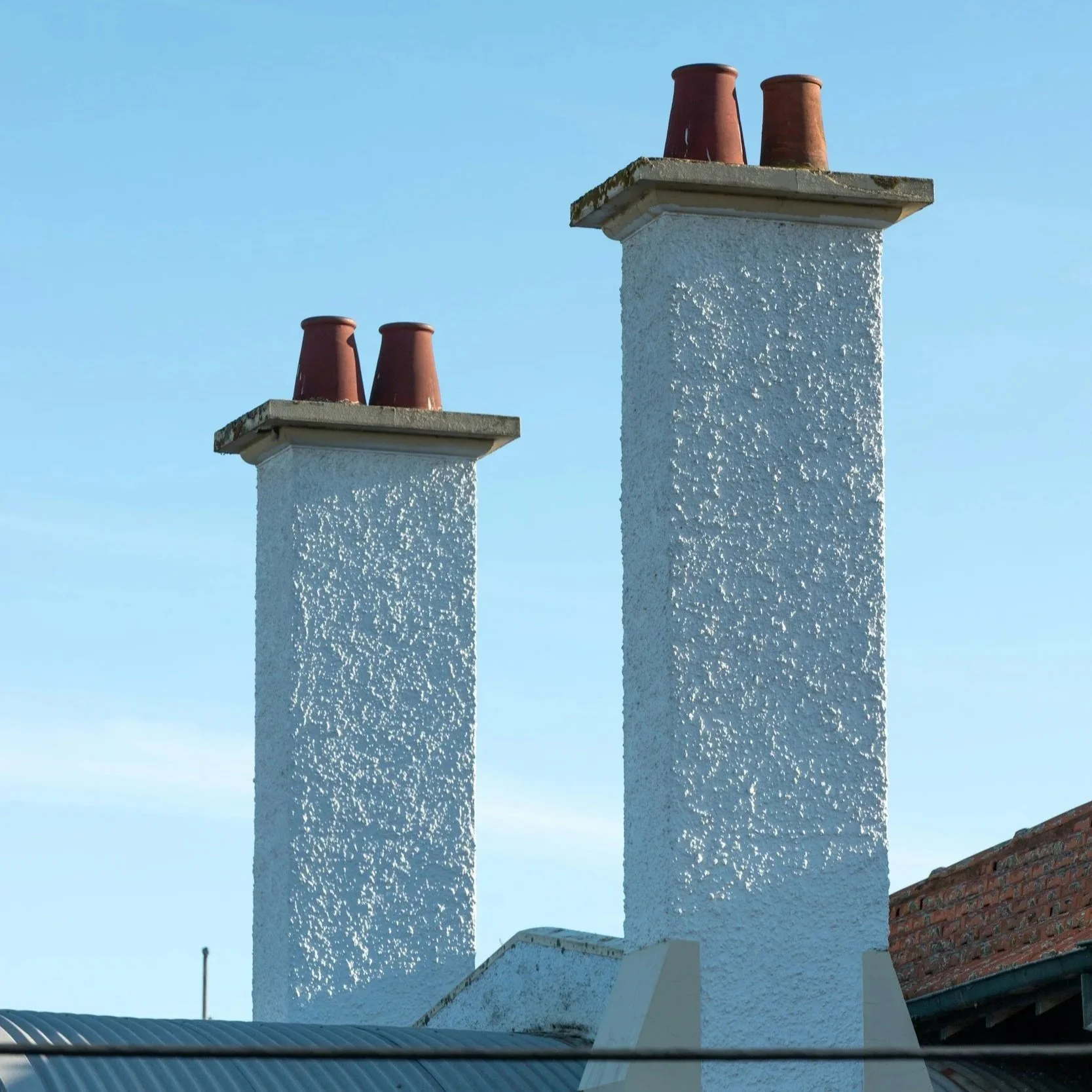
Trusted chimney inspections, cleanings, and repairs in Greensboro — safe, efficient, and affordable solutions.
The Purpose Of A Chimney Inspection
A chimney inspection is the backbone of a safe and efficient fireplace system. It is not just about looking for soot; it is a full-scale evaluation of how well your chimney breathes, burns, and protects. Every North Carolina home that uses a fireplace, wood stove, or furnace vent benefits from a professional chimney evaluation. Without it, unseen cracks, hidden leaks, or animal blockages could lurk out of sight until they cause costly damage.
Certified technicians perform chimney inspections using specialized equipment, including lights, cameras, and structural testing tools. The process identifies wear caused by heat, moisture, and natural aging. A professional inspection also confirms whether your chimney meets building and fire safety codes, a crucial step for homeowners in Raleigh, Greensboro, Durham, Cary, and Chapel Hill.
What A Level 1 Inspection Includes
A Level 1 inspection is the standard, go-to service for homeowners who regularly use their fireplace under normal conditions. It is ideal for routine chimney maintenance and annual safety checks. During a Level 1 inspection, a professional examines the easily accessible portions of the chimney and fireplace system, inside and out.
The inspection covers the firebox, damper, smoke chamber, and flue entry. The technician looks for obstructions such as soot buildup, animal nests, or creosote deposits that can restrict airflow. Any signs of cracks, missing mortar, or corrosion are also noted. By addressing these findings promptly, homeowners can maintain safe operation and prevent more expensive issues later.
Many North Carolina homeowners schedule a Level 1 inspection before the colder months begin. It acts as both a preventive and diagnostic measure, confirming that the system is ready for steady use during the winter season.
When A Level 2 Inspection Becomes Necessary
A Level 2 inspection delves deeper into the chimney's structure. It is required whenever a home changes ownership, after severe weather, or following any modification to the heating system. For example, switching from wood-burning logs to gas inserts requires a more comprehensive inspection.
The Level 2 chimney inspection includes all the checks from Level 1, plus a detailed internal review using a video flue inspection camera. The technician inserts the camera into the flue to capture every detail of the chimney's interior surface. This process reveals cracks, misalignments, or blockages that may not be visible from the top or bottom.
In real estate inspections, the Level 2 chimney inspection provides critical documentation for both buyers and sellers. A clean bill of health can reassure buyers that their future home is safe, while sellers can demonstrate proactive maintenance. When issues are discovered, the professional inspection report makes negotiations straightforward and transparent.
How Video Flue Inspection Improves Accuracy
Video flue inspection technology has become an essential tool for chimney professionals. It takes the guesswork out of diagnostics by offering a real-time, high-definition look inside the chimney. Tiny flaws that might otherwise escape notice, such as hairline fractures or internal gaps, appear clearly on video.
For North Carolina homes exposed to frequent temperature swings and humidity, internal deterioration can occur faster than expected. A video flue inspection helps technicians identify those weak spots before they lead to water leaks, odor problems, or chimney fires. The footage also becomes part of the chimney's long-term record, providing a reference for future maintenance visits.
Why Chimney Maintenance Matters Year-Round
Many homeowners assume chimney maintenance only matters in winter, but seasonal upkeep is vital year-round. Rain, heat, and humidity can all affect the chimney's structure and performance. Moisture entering through small cracks can freeze and expand during colder months, widening the damage.
Routine chimney maintenance, combined with regular inspections, prevents seasonal issues from becoming costly repairs. Cleaning soot, removing animal nests, and applying waterproofing treatments are all part of a long-term preservation strategy. Professional chimney maintenance keeps the system running efficiently, helping homeowners cut down on heating costs and reduce fire risks.
The Differences In Inspection Depth
The leading distinction between Level 1 and Level 2 inspections lies in the level of access and equipment used. A Level 1 inspection is visual and surface-based, perfect for annual upkeep when nothing significant has changed. In contrast, a Level 2 inspection uses advanced technology to uncover deeper structural issues.
For example, a Level 1 inspection might reveal soot buildup, while a Level 2 inspection could expose a hidden flue crack behind that soot. The video camera allows technicians to assess the integrity of the liner and joints in a way that manual checks cannot. In both cases, the goal remains the same: maintaining safety, performance, and compliance with fire safety standards.
When A Real Estate Inspection Requires A Level 2 Evaluation
Buying or selling a home with a fireplace adds an extra layer of responsibility. A real estate inspection that includes a Level 2 chimney evaluation helps prevent unpleasant surprises after closing. Many buyers in Raleigh or Greensboro request this service to confirm that the fireplace is fully functional and safe to use.
The detailed video footage and written report from a Level 2 chimney inspection serve as valuable documentation. Buyers can confidently plan future chimney maintenance, while sellers can demonstrate proper care of their home's heating system. Professional chimney inspectors work directly with agents and property inspectors to provide accurate, timely reports for closing packages.
The Professional Process Of A Chimney Evaluation
A thorough chimney evaluation starts with an exterior inspection. Technicians look for structural issues such as leaning stacks, deteriorated bricks, or missing flashing around the base. Inside, they examine damper operation, firebox condition, and smoke-chamber integrity.
During a Level 2 inspection, the technician inserts the video flue inspection camera to record the interior surface of the flue liner. The footage is reviewed for obstructions, cracks, or structural damage. Any potential safety hazards are noted, and the homeowner receives a clear explanation of the recommended next steps.
Professionals also assess airflow performance and check that venting aligns with the type of appliance used. A blocked or misaligned flue can trap smoke and carbon monoxide inside the home, creating a serious hazard.
Common Findings During Inspections
Even a well-maintained chimney can surprise homeowners. Technicians frequently uncover hidden creosote buildup, deteriorating mortar joints, or bird nests tucked inside the flue. Small cracks may seem harmless, but they can allow heat and gases to escape into nearby walls.
Moisture intrusion is another common culprit. North Carolina'sCarolina's humid climate encourages water absorption through porous brick. Over time, that moisture can cause spalling, where bricks start to flake or crumble. Regular inspections and maintenance help prevent these issues before they compromise the chimney's stability.
The Role Of Professional Expertise
Certified chimney technicians possess specialized training that covers structural design, fire safety, and diagnostic technology. Their experience allows them to recognize early warning signs and recommend accurate solutions. A homeowner might see a dark stain on the masonry and assume it is soot, while a professional could identify it as a sign of hidden leakage or condensation.
Professionals also understand the regional challenges posed by North Carolina's weather. They adjust inspection strategies to address humidity, temperature swings, and seasonal rain patterns. That knowledge results in better long-term outcomes and safer fireplaces for homeowners across the state.
Keeping Your Chimney Safe For Every Season
A chimney should serve as a source of warmth and comfort, not worry. Level 1 and Level 2 inspections keep the system operating at peak performance while preventing hazards before they start. Whether it is a simple maintenance visit or a detailed video flue inspection, every step contributes to safety, efficiency, and ease.
For homeowners across North Carolina—from the coast to the Piedmont—scheduling professional chimney inspections and routine maintenance keeps every fire season-ready. A clean, well-functioning chimney is more than a luxury; it is the heart of a safe, comfortable home.
Perfect Chimney Cleaning offers reliable and affordable chimney inspection, real estate chimney inspection, and chimney camera and flue inspection in Greensboro, NC, and the surrounding areas. We boast a team of certified technicians, available 24/7 to meet all your needs. Call today!
