
Why You Should Never Skip An Annual Chimney Maintenance Program
A fireplace is one of those features that instantly turns a house into a home. The gentle crackle of burning wood, the warmth radiating across the room, and the soft glow on a winter evening create a sense of comfort that is hard to match. Yet behind every perfect fire is a hardworking chimney system that quietly handles smoke, heat, and gases. Skipping an annual chimney maintenance program may not seem like a big deal, but it can lead to costly repairs, safety hazards, and reduced efficiency over time. Professional chimney maintenance keeps your fireplace in top condition and your home safe season after season.
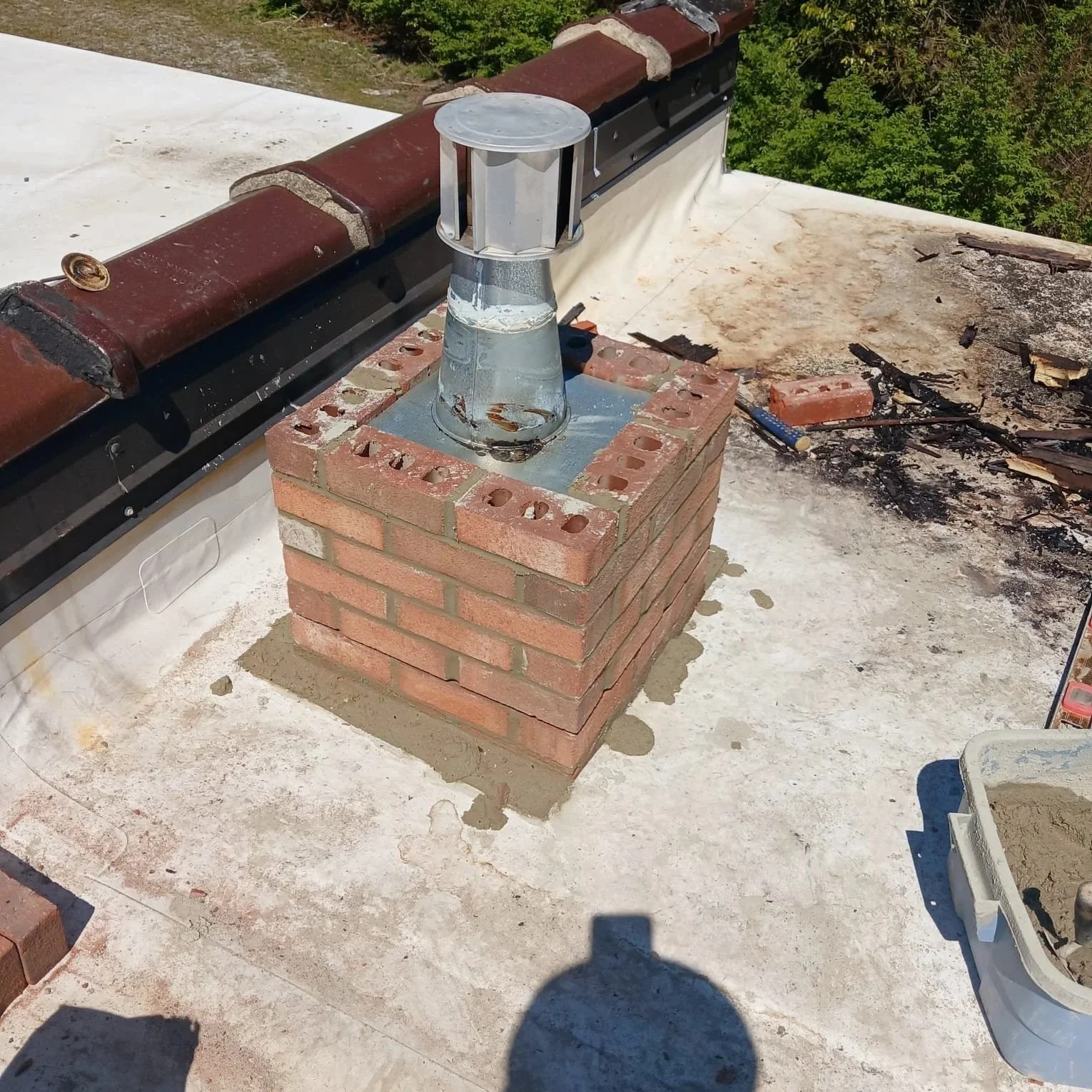
Trusted chimney inspections, cleanings, and repairs in Greensboro — safe, efficient, and affordable.
Why Annual Maintenance Is Essential
A chimney does more than carry smoke out of the house. It acts as a ventilation system, drawing in air to fuel combustion while safely channeling exhaust outdoors. When soot, creosote, or debris begin to accumulate, that delicate balance breaks down. Restricted airflow means fires burn less efficiently, producing more smoke and leaving behind more residue. The buildup accelerates quickly, and before long, the entire system starts to perform poorly.
An annual chimney inspection and cleaning prevents that cycle. Professionals remove flammable deposits, repair small issues before they grow, and confirm that the flue and liner remain structurally sound. Without that maintenance, minor wear can turn into severe damage, making the system unsafe to use.
How Maintenance Protects Against Fire Hazards
Creosote, the sticky black residue that forms as wood burns, is a leading cause of chimney fires. Even a thin layer can ignite under high heat. Once burning, it spreads rapidly up the flue, damaging tiles, metal liners, and even surrounding framing. Many homeowners do not realize how quickly creosote accumulates or how easily it can ignite.
Professional chimney sweeps use specialized brushes and vacuums to remove that residue completely. During a chimney evaluation, they also check for cracks or warping caused by heat exposure. Regular service prevents dangerous buildup and keeps the fireplace safe for daily use. Homeowners across North Carolina, from Raleigh to Greensboro, trust these services to protect their homes during the long heating season.
The Role Of Level 1 And Level 2 Inspections
An annual chimney maintenance program typically includes either a Level 1 inspection or a Level 2 inspection, depending on the condition of the system. A Level 1 inspection covers all accessible areas and is suitable when there have been no significant changes to the chimney or heating appliance. Technicians look for soot buildup, blockages, or visible damage.
A Level 2 inspection, which often includes a video flue inspection, offers a deeper look inside the chimney. Using a high-resolution camera, the technician can identify cracks, gaps, or structural concerns that are not visible to the naked eye. This type of inspection is especially important during real estate inspections or after severe weather events. Both levels of inspection contribute to maintaining safety and performance.
The Cost Of Skipping Maintenance
Skipping an annual maintenance program can lead to more than just soot and smoke. Small cracks in mortar or flue liners can expand over time, allowing heat and gases to escape into nearby walls. Moisture entering through damaged crowns or flashing can cause rust, mold, and even interior water stains. When repairs become necessary, they are often far more expensive than preventive maintenance would have been.
Homeowners sometimes assume that because their fireplace appears to work, everything must be okay. In reality, many chimney problems develop silently. Hidden leaks, blocked flues, or damaged dampers may go unnoticed until they create substantial damage or reduce indoor air quality.
How Maintenance Improves Efficiency
A clean chimney drafts better. When airflow is unrestricted, fires burn hotter, cleaner, and with less smoke. The fireplace uses less fuel and produces more heat, which keeps the home comfortable while reducing energy waste. Regular chimney cleaning also removes soot that absorbs heat, allowing the fireplace to radiate warmth more effectively.
Professionals can adjust dampers, inspect gaskets, and verify that all components are sealing properly. That attention to detail adds up to measurable energy savings, especially during long North Carolina winters. Efficient fireplaces not only provide warmth but also help reduce the strain on other heating systems in the home.
The Role Of Video Flue Inspections
Video flue inspections have revolutionized chimney maintenance. With a camera inserted into the flue, technicians can inspect every inch of the interior surface. The footage reveals cracks, blockages, or signs of wear that might otherwise go undetected.
For homeowners in Raleigh, Cary, and Durham, where weather conditions vary throughout the year, that level of precision provides confidence that the fireplace is safe and ready for use. It also creates a visual record for future maintenance, making it easier to track how the system changes over time.
Why Chimney Maintenance Protects Indoor Air Quality
A poorly maintained chimney can allow smoke, soot, and carbon monoxide to drift into the home. That not only creates unpleasant odors but also affects respiratory health. When flues are blocked or lined with residue, they cannot vent gases efficiently. Professional cleaning removes the buildup that causes backdrafts and odors, keeping indoor air fresh and breathable.
Chimney maintenance also addresses animal nests or debris that may have collected during the warmer months. Removing those obstructions prevents smoke from backing up and protects against unexpected pest problems.
The Weather Factor In North Carolina
North Carolina’s climate brings its own set of chimney challenges. The combination of humidity, rain, and fluctuating temperatures wears down brick and mortar over time. Water that seeps into small cracks expands when it freezes, causing further damage. In coastal areas, salt air accelerates corrosion in metal components.
An annual chimney maintenance program accounts for those regional factors. Technicians apply waterproofing treatments, reseal flashing, and repair crowns to keep moisture out. Seasonal maintenance keeps chimneys sturdy despite the state’s unpredictable weather.
How Professionals Customize Maintenance Programs
Every chimney is different. Age, design, fuel type, and usage all influence how often maintenance is needed. Professional chimney services design custom programs to fit each system’s needs. Some homeowners may require more frequent cleanings, especially if they use their fireplace daily during the winter or burn softwood that produces more creosote. Others may need inspections focused on moisture control or masonry repair.
Customized maintenance ensures that every part of the chimney—from the cap to the firebox—receives the right level of care. The result is a long-lasting, efficient, and safe heating system tailored to the home’s specific conditions.
How Maintenance Supports Real Estate Value
Homebuyers love fireplaces, but they want reassurance that the chimney is safe and functional. A documented maintenance history proves that the system has been professionally serviced and inspected. That record can increase buyer confidence and even boost property value.
During real estate inspections, a clean, defect-free chimney makes the selling process smoother. It eliminates negotiation delays caused by repair requests and signals that the home has been well-maintained. For sellers, annual maintenance is a simple way to make their property more attractive.
The Safety Net Of Professional Expertise
Certified chimney technicians bring experience and knowledge that goes beyond surface cleaning. They are trained to recognize structural issues, airflow problems, and safety hazards before they become serious. Their tools allow them to perform detailed inspections safely and efficiently, whether that means scaling a roof in Chapel Hill or conducting a video inspection in a downtown Raleigh home.
Professionals follow standards set by the Chimney Safety Institute of America and the National Fire Protection Association. Their expertise keeps the process thorough, compliant, and safe across all types of chimney systems.
When To Schedule Annual Maintenance
The best time for an annual chimney inspection and cleaning is before the heating season begins—typically in early fall. Scheduling early allows enough time for any necessary repairs and avoids the seasonal rush once cold weather arrives. Homeowners who maintain a yearly schedule rarely face unexpected problems when winter fires become a daily ritual.
Even if the fireplace is rarely used, annual maintenance remains important. Unused chimneys still collect dust, moisture, and animal debris that can cause odor or blockage. Regular inspection makes sure the chimney is ready whenever needed.
Peace Of Mind For Every Fire
A well-maintained chimney is more than a convenience—it is a safety feature, an energy saver, and a comfort guarantee. Skipping annual maintenance puts all of that at risk. With professional inspection, cleaning, and preventive care, your fireplace stays efficient, your home stays safe, and your family enjoys warmth without worry.
For homeowners across Raleigh, Durham, Greensboro, and Cary, investing in an annual chimney maintenance program is the smartest decision they can make for comfort and security. A chimney that breathes freely, burns cleanly, and performs reliably is one that will keep delivering warmth for many seasons to come.
Meta: Keep your fireplace safe and efficient with annual chimney maintenance in North Carolina. Schedule your professional chimney inspection and cleaning today.
Perfect Chimney Cleaning is a Greensboro, NC-based company offering chimney cleaning and maintenance, chimney animal and nest removal, dryer vent cleaning and repair, and annual chimney maintenance services. Our trained technicians provide trusted professional expertise and follow necessary safety protocols. Call today for a free quote.
