Hannah Kendrick • August 1, 2024

Choosing the Right Chimney Cap: Copper vs. Stainless Steel Explained

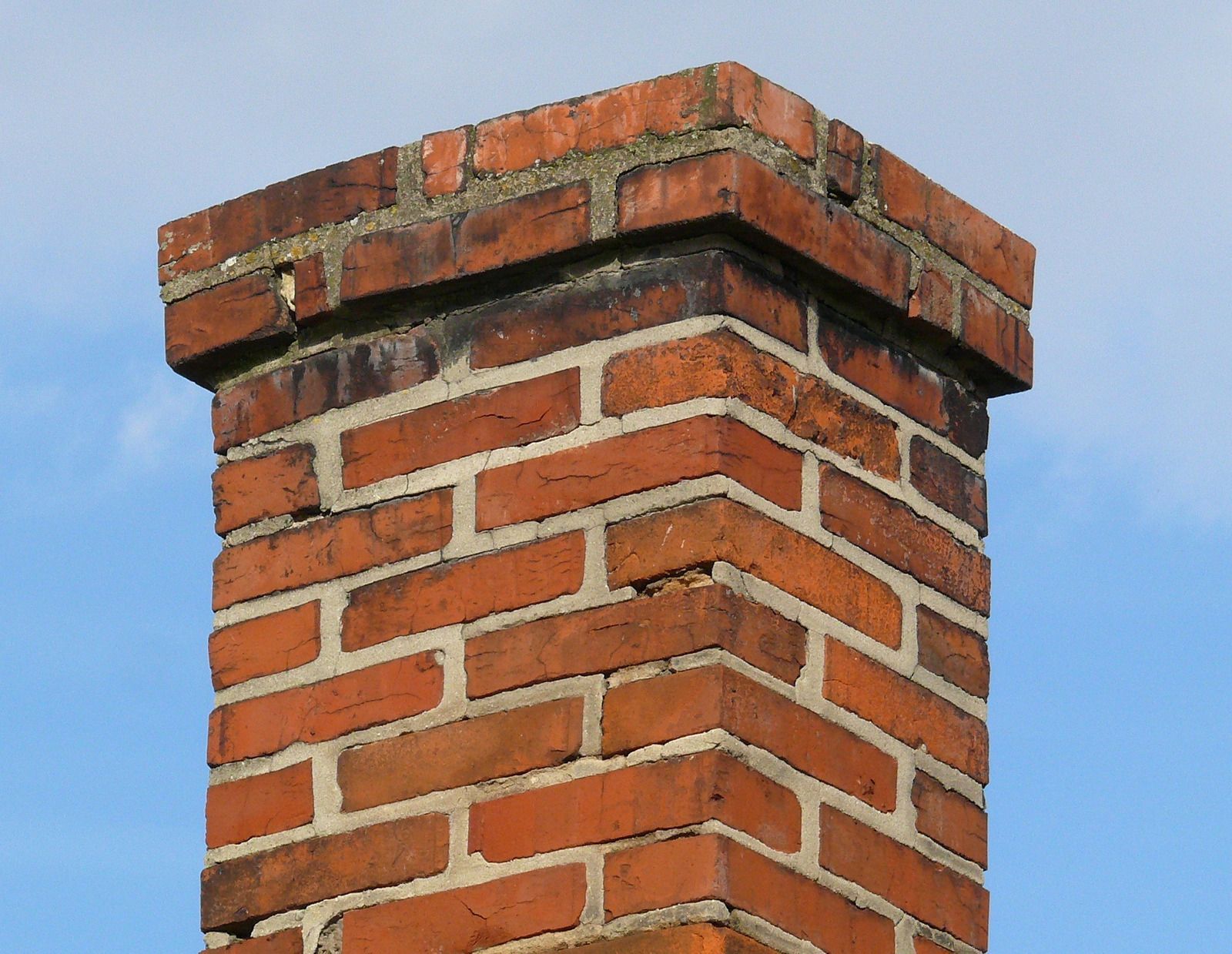
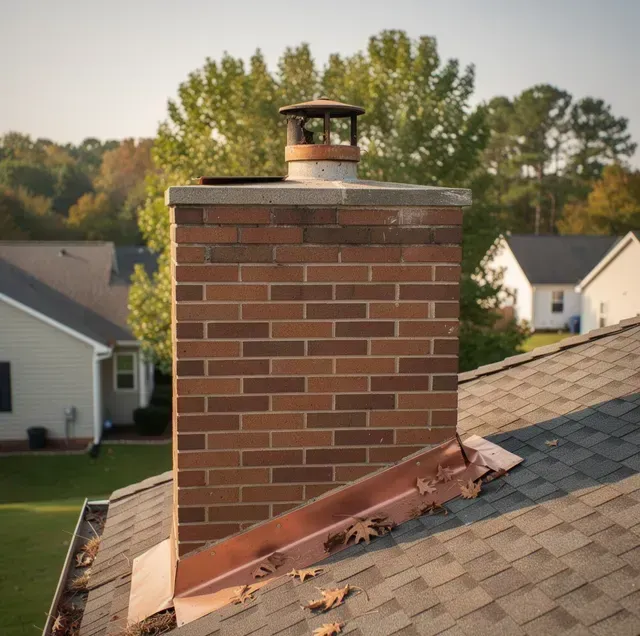
A chimney without a cap is like a house without a roof—it’s just asking for trouble. Rain, wind, debris, and even small critters will find their way inside if the top of your chimney stays unprotected. That’s why professional chimney cap installation is one of the brightest investments a homeowner can make. The question is, which type should you choose? Copper and stainless steel are the two most popular materials, each with its own strengths, style, and level of protection. The right choice depends on your home’s needs, your local climate, and your taste for durability versus design flair.

Understanding The Purpose Of A Chimney Cap

Before choosing materials, it helps to understand exactly what a chimney cap does. Positioned at the very top of the flue, the cap serves as a shield against weather and wildlife. When installed correctly, it prevents rainwater from running down into the flue, where it can mix with soot and cause corrosion or unpleasant odors. It also prevents sparks from escaping and landing on your roof, adding an important layer of fire safety.


A quality cap plays a big role in chimney waterproofing. Without it, heavy rain and melting snow pour straight down the chimney, soaking the smoke chamber, rusting the damper, and damaging the firebox. Over time, that water seeps into the masonry, leading to cracking, spalling, and expensive chimney leak repairs.

Why Material Choice Matters

Not all chimney caps are created equal. The wrong material can rust, warp, or deteriorate quickly, especially under constant exposure to rain and humidity. Homeowners in humid climates like the Raleigh-Durham area need caps made from corrosion-resistant metals that perform well in both summer heat and winter freeze-thaw cycles.


Copper and stainless steel stand out from other options for their longevity, strength, and style. Aluminum caps might look appealing initially, but they corrode faster and often need replacement after just a few years. Copper and stainless steel, on the other hand, can last decades with minimal maintenance.

The Case For Copper Chimney Caps

Copper chimney caps bring elegance to any home. Over time, the shiny orange-brown metal develops a natural patina, turning into shades of green and turquoise that add character and charm. Beyond their beauty, copper caps are incredibly durable. The material doesn’t rust, and the patina actually strengthens its weather resistance over time.


Copper’s longevity makes it ideal for historic homes or those with traditional architecture. A professional copper chimney cap installation offers more than visual appeal—it delivers superior performance. Copper naturally resists corrosion, withstands Raleigh’s humid summers, and handles temperature fluctuations without warping.


The initial cost of copper is higher than that of stainless steel, but homeowners often see it as a long-term investment. A well-crafted copper cap can last a lifetime and add to the home’s value. For those who appreciate craftsmanship and want their chimney to stand out, copper is the way to go.

The Strength Of Stainless Steel Chimney Caps

Stainless steel chimney caps focus on practicality and performance. They’re strong, sleek, and highly resistant to rust and corrosion. Stainless steel stands up to the region’s rainy climate, making it a top choice for homeowners who prioritize durability over aesthetics.


Unlike copper, stainless steel maintains its original color and shine with minimal upkeep. It’s also more affordable while still offering decades of reliable service. Professionals often recommend stainless steel for modern homes, multi-flue chimneys, or situations where cost efficiency and function are top priorities.


For homeowners who value protection and longevity without the high-end price tag, stainless steel caps deliver outstanding results. With proper installation, they can last twenty years or more while keeping rain, debris, and pests out of the chimney system.

Why Chimney Cap Installation Is Never DIY

Installing a chimney cap might look simple from the ground, but proper installation requires precision, experience, and safety measures. A poorly fitted cap can restrict airflow, trap moisture, or even blow off during a storm.


Professional chimney technicians precisely measure the flue, select the correct cap size, and secure it with durable fasteners and sealants. They also check related components, such as flashing and the crown, to make sure the entire system works together to repel water. A proper installation doesn’t just protect the flue—it protects the entire chimney structure below.

How Chimney Caps Work With Other Leak Prevention Systems

A chimney cap is part of a larger waterproofing strategy. Even the best cap can’t stop leaks if other areas of the chimney are compromised. Professional chimney waterproofing, crown coating, and flashing repair all work together to create a watertight system.


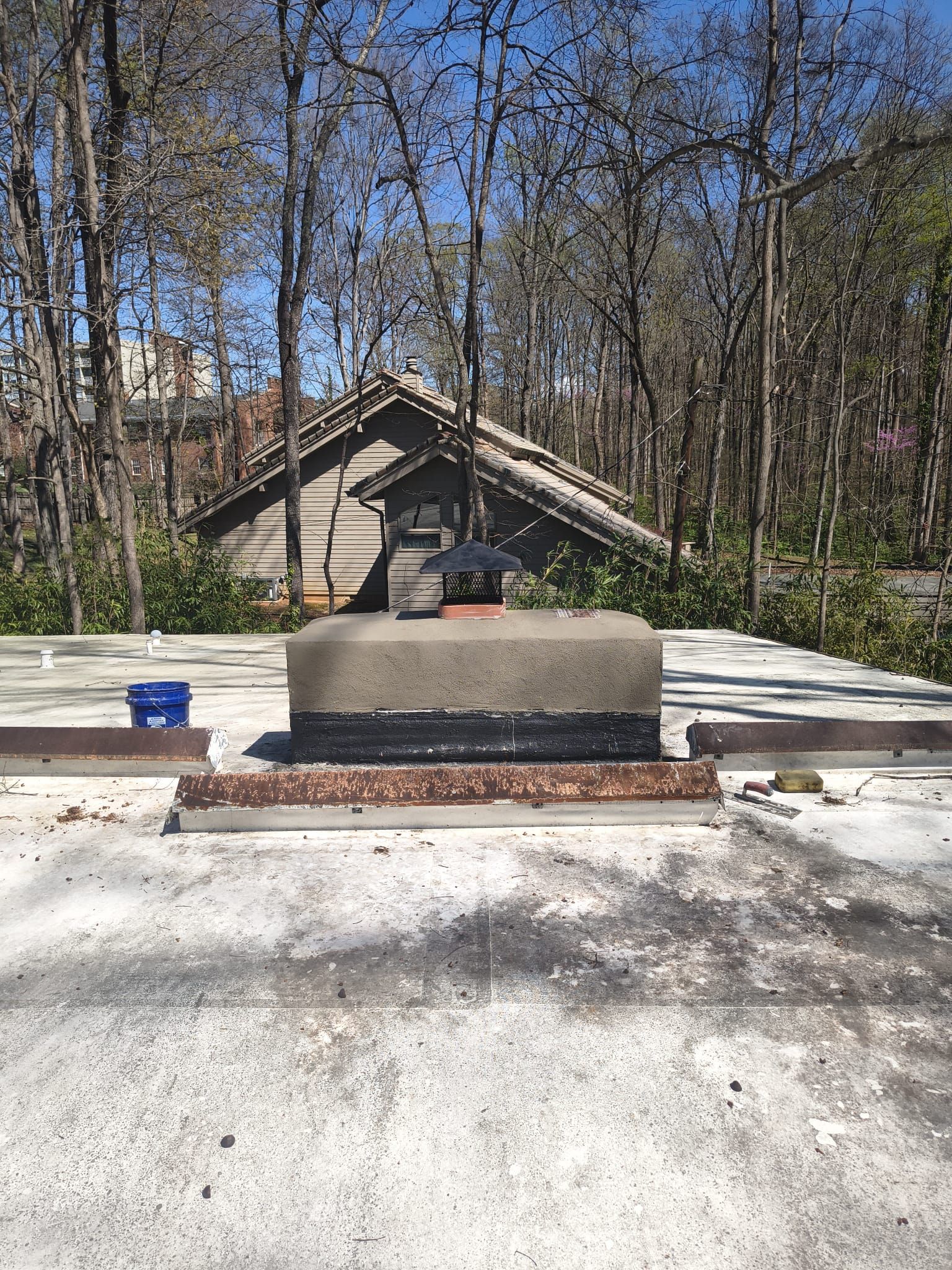
The chimney crown, made of concrete or mortar, seals the top of the stack around the flue. Over time, cracks develop, allowing water to seep inside. Technicians apply specialized crown coatings that fill cracks and form a flexible, weather-resistant layer. That prevents rain from soaking into the masonry and reduces the need for future chimney leak repairs.


Flashing —the metal barrier where the chimney meets the roof —also plays a key role. When it rusts or separates, water flows directly into the attic or down the walls. Professional flashing repair and resealing stops that hidden source of leaks. Together, these components—cap, crown, and flashing—create a comprehensive waterproofing system.

Preventing Pests With The Right Chimney Cap Design

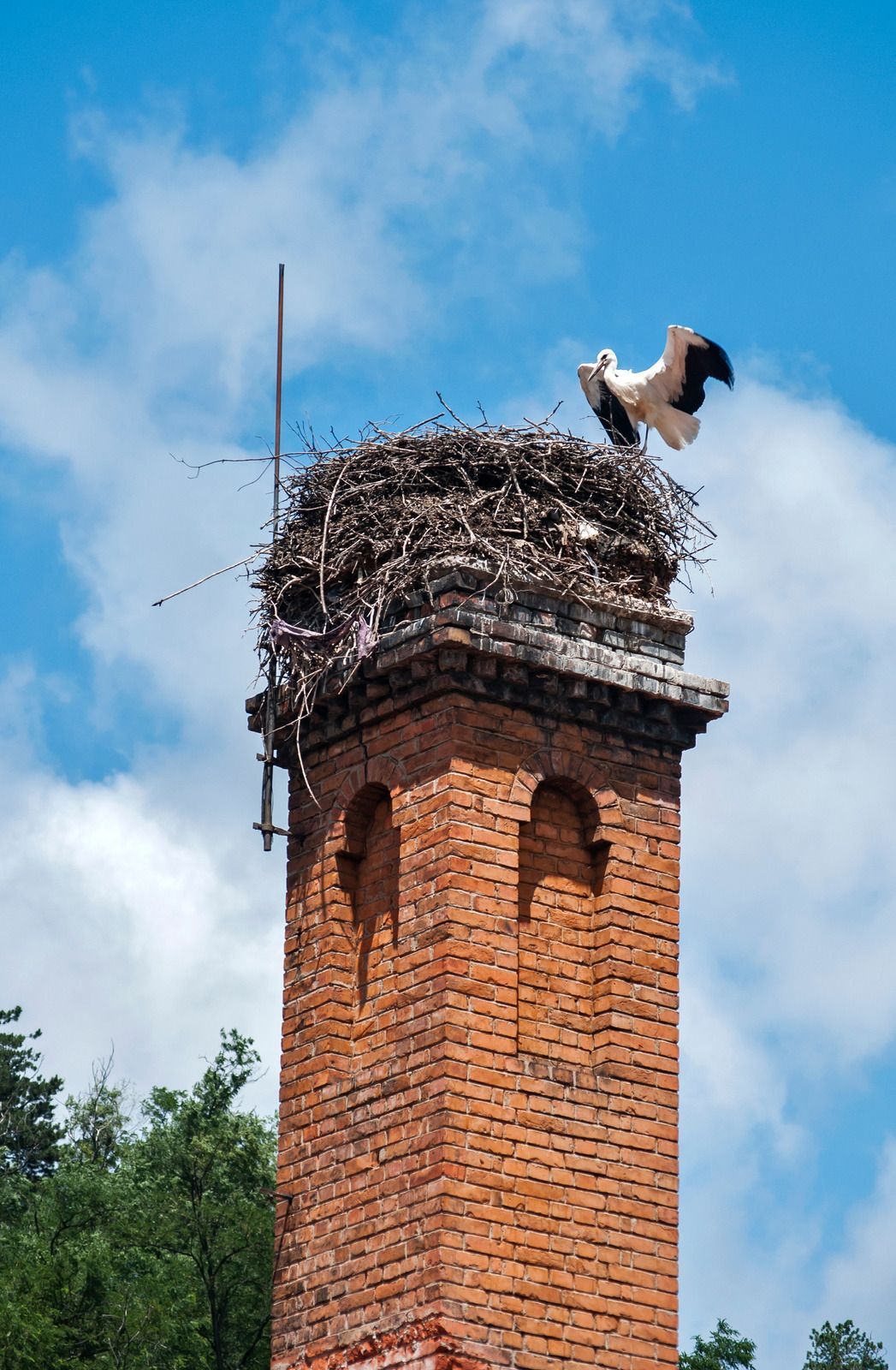
Aside from keeping water out, chimney caps are essential for pest protection. Birds, squirrels, and raccoons love the warmth of a chimney, especially during cold months. Once inside, they can build nests that block airflow or even fall into the flue, creating safety hazards and unpleasant odors.


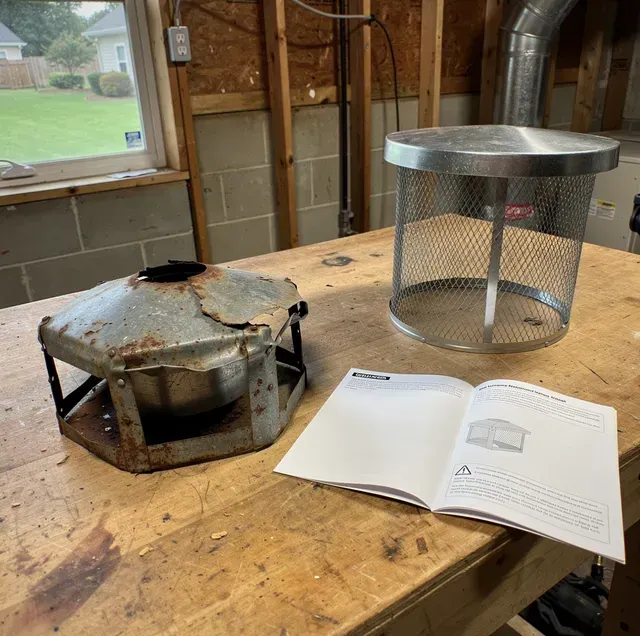
Both copper and stainless steel caps can be fitted with mesh screening to prevent animal intrusion. The mesh openings are designed to allow smoke and gases to escape while keeping wildlife and debris out. Professional installation guarantees the mesh is securely attached and properly sized to the flue for maximum protection.

The Role Of Leak Detection In Chimney Maintenance

A chimney cap is often the first line of defense against leaks, but it’s not the only one. Water can invade through cracks in the masonry, missing mortar joints, or compromised flashing. Professional leak detection services locate the true source of water entry using specialized tools and moisture meters.


Once the source is identified, technicians perform targeted repairs, such as resealing flashing, repointing mortar joints, or applying waterproof coatings. With the cap and other preventive measures working together, the chimney remains dry and durable year-round.

Adding Extra Protection With Dampers

A top-sealing damper offers another layer of defense when paired with a high-quality cap. Installed just below the cap, a damper creates an airtight seal when the fireplace isn’t in use. It keeps warm air inside during winter and keeps humidity and odors from entering in summer.


Damper installation also deters pests that might sneak past older or ill-fitting caps. Together, a damper and cap form a strong protective system that enhances energy efficiency and prevents moisture from damaging the flue.

Choosing Between Copper And Stainless Steel

Both copper and stainless steel chimney caps deliver exceptional protection, but the right choice depends on your priorities. Copper offers unmatched style and longevity for homeowners who value traditional design and lasting beauty. It’s ideal for historic or luxury homes throughout the Triangle area where architectural detail matters.


Stainless steel, on the other hand, delivers strength, affordability, and low maintenance. It fits seamlessly with modern homes and provides reliable protection without the need for polishing or patina management. For homeowners focused on practicality, it’s the perfect combination of performance and value.

Maintaining Your Chimney Cap For Long-Term Performance

Once installed, chimney caps require minimal upkeep, but occasional maintenance keeps them performing their best. Professionals inspect caps during seasonal maintenance visits, checking for corrosion, loose fasteners, or clogged mesh. Cleaning away soot, leaves, or bird debris helps maintain airflow and prevents rust from forming.


Regular chimney inspections also provide an opportunity to monitor other waterproofing components, such as the crown and flashing. When technicians detect early signs of wear, they can reseal or recoat those areas before leaks develop. Preventive care saves homeowners from costly masonry repairs and preserves the chimney’s lifespan.

Why Homeowners Across The Triangle Choose Professional Installation

From Raleigh to Durham and Chapel Hill, homeowners face a mix of humid weather, sudden storms, and temperature swings that test every chimney. Professional services provide local expertise, understanding how the region’s conditions affect materials and performance.


Technicians not only install the cap correctly but also assess the chimney’s entire condition, addressing potential weak points before they become expensive problems. Their experience, combined with high-quality materials and precise installation, keeps homes dry, efficient, and pest-free year-round.


Perfect Chimney Cleaning proudly offers chimney cap installation and replacement, chimney liner and flue repair, chimney waterproofing and leak prevention, and chimney flashing and roof integration repair in Greensboro, NC. We have trained technicians and boast decades of combined experience. Call us today for more information.

Recent Posts

Close-up of a charred, cracked tunnel floor with soot-covered debris and light at the far end
July 20, 2026
Wondering what that black crust in your chimney is? Learn how creosote forms, its three stages, why it ignites, and how to keep buildup in check.
Top view of a metal chimney or pipe opening surrounded by cracked concrete and terracotta tiles
July 14, 2026
Not sure what a chimney liner does or whether yours is failing? Learn what the flue liner protects, the three common types, and the warning signs to watch.
Close-up of a brick tunnel interior with a dark metal chute overhead and sunlight at the far end
July 7, 2026
Booking a chimney inspection and unsure what they look at? See what gets checked, the three inspection levels, and which one your situation calls for.
Clogged dryer vent hose with lint buildup in a laundry room
July 1, 2026
Clothes drying slower, a hot laundry room, or a burning smell? Learn the warning signs of a clogged dryer vent before lint turns into a house fire.
Stone chimney on a wet gray shingled roof with a metal cap
By Hannah Kendrick June 28, 2026
Learn common causes of chimney leaks like damaged caps & flashing. Act fast to prevent costly water damage. Schedule your service today!
Brick fireplace with burning logs and wisps of smoke inside a black metal screen
By Hannah Kendrick June 21, 2026
Learn why your fireplace smells in summer due to creosote and humidity. Schedule a professional chimney cleaning today!
Stone fireplace with a small burning fire, smoke, and fireplace tools beside it.
By Hannah Kendrick June 14, 2026
Understand creosote, a fire hazard in chimneys. Schedule your cleaning today to prevent dangerous buildup!
Brick chimney with metal cap on a shingled roof
By Hannah Kendrick June 7, 2026
Learn 6 signs your chimney needs cleaning now. Ensure safety & efficiency—schedule your inspection today!
Brush cleaning a rooftop chimney flue under a blue sky.
By Hannah Kendrick CSIA-Certified Chimney Sweep #12553 June 1, 2026
Understand how often to sweep your chimney for safety. Schedule your service today for expert care!
Brick rooftop chimney with a black metal cap and terracotta flue surround on a shingled roof
By Hannah Kendrick May 22, 2026
Get custom chimney caps to protect your home from elements & wildlife. Schedule your service today!
Show More