First Fire After Months Off? 6 Checks Before You Light It
| Factor | Older/historic masonry | Modern masonry |
|---|---|---|
| Mortar binder | Lime-based, low or no Portland cement | Portland-cement-based, harder curing |
| Mortar flexibility | Softer, some self-healing of hairline cracks | Rigid once cured, cracks stay cracked |
| Brick type | Handmade or soft-mud, lower fire temperature | Extruded, wire-cut, higher fire temperature |
| Brick porosity | More absorbent, prone to spalling | Denser, less water uptake |
| Typical liner status | Often unlined, undersized, or original clay tile | Liner sized and installed to current standards |
| Repair priority | Match mortar chemistry, not just color | Standard modern mortar mixes generally compatible |
| Common failure pattern | Brick face spalling; joint self-healing can mask real deterioration | Joint cracking tends to precede brick damage |
Older chimneys were often built on shallower footings than current standards call for, and after decades of ground movement and the chimney's own weight, some settling is common: a slight lean, a visible gap where the chimney meets the roofline, or a stair-step crack pattern following the mortar joints diagonally. A small, stable lean or an old, dormant crack isn't automatically an emergency, but telling "old and stable" from "active and worsening" benefits from a hands-on inspection rather than a guess from the ground.
A technician can often get a first read on mortar type without lab testing. Dragging a metal key or nail across a joint that leaves a visible scratch and a little powder points toward a softer, lime-rich mix, while a joint that resists scratching and holds a sharp edge points toward a harder, Portland-heavy mix. This test doesn't replace a proper inspection or lab analysis of the actual composition, but it's a useful first check before assuming a chimney can be treated like standard modern construction.
The damper is the movable plate that opens and closes the path between the firebox and the flue above it. Traditional dampers are a hinged metal flap mounted at the throat, right in front of the smoke shelf at essentially the same level; newer systems often use a top-mount damper instead, a sealing plate at the very top of the flue operated by a cable or lever from the firebox. The damper's job: it closes off the flue when there's no fire burning, so conditioned indoor air doesn't pour straight up the chimney, and it opens fully to let smoke and gases draft out when you do have a fire going. A damper that won't seat properly, whether warped, rusted, or coated in old creosote, wastes energy and can also affect how well a fireplace drafts once lit.
Hearth Extension
When a Post-Renovation Inspection Is (and Isn't) Warranted
The hearth extension, the noncombustible floor pad in front of the firebox opening, catches stray ash, bark, splinters, and the occasional ember that pops clear of the fire. A quick vacuum with a shop vac or a canister vacuum's brush attachment once a week during active burning keeps this debris from working into carpet fibers or wood flooring at the hearth's edge, and it's your chance to glance for embers that landed outside the firebox and cooled without your noticing. Check that logs, kindling, and any decorative items on the mantel or nearby furniture haven't crept closer to the opening than the several feet of clearance most fireplace manufacturers and fire-safety groups recommend as a baseline. This is also a good moment to make sure nothing- a rug corner, a stack of kindling, a pet bed- has migrated into that clearance zone since the last time you checked.
The first fire after a long break has its own smell: wood smoke curling into cold air, dust burning off logs you stacked ages ago, the pop and hiss of a fire finding its rhythm. There's a kind of anticipation to it, matchbook in hand, everyone gathered on the rug, the promise of a warm room after a hearth that's sat cold and dark for weeks or months. It's tempting to strike the match right there and let the moment happen.
Give it a few extra minutes first. A fireplace, insert, or wood stove that has sat idle doesn't behave the same way it did the last time you used it. Dust settles, moisture works its way in, mechanical parts stiffen, and small problems that were invisible in daylight announce themselves the second heat and draft hit them. Here's the walk-through worth doing before that first fire, whatever week of the year it happens to land on.
Look Up the Flue Before You Strike the Match
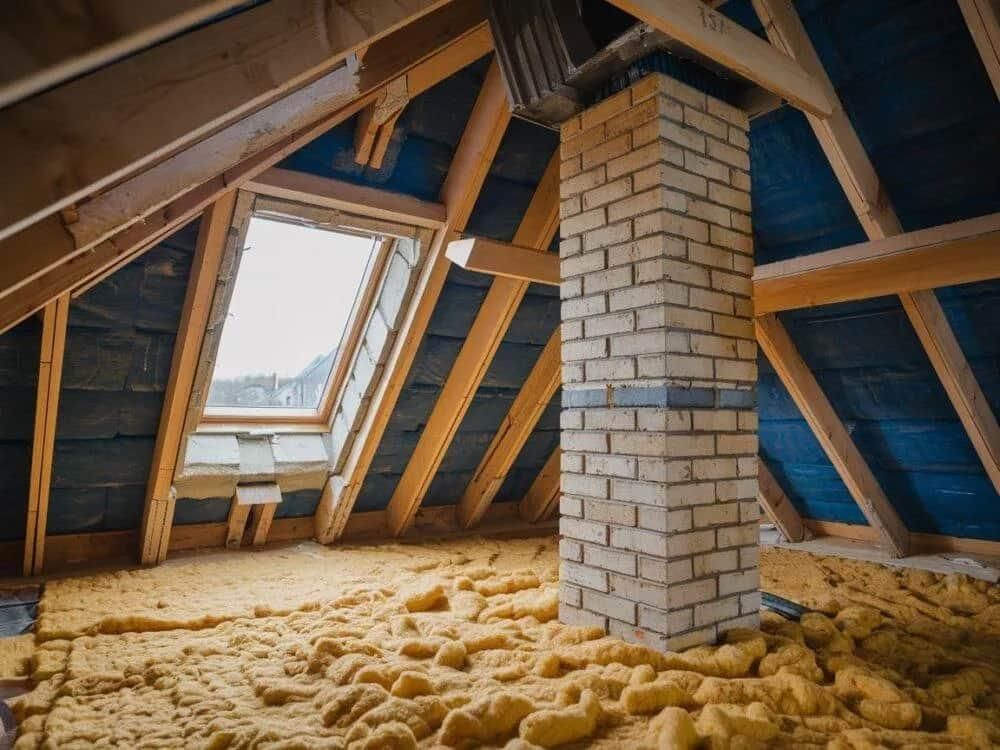
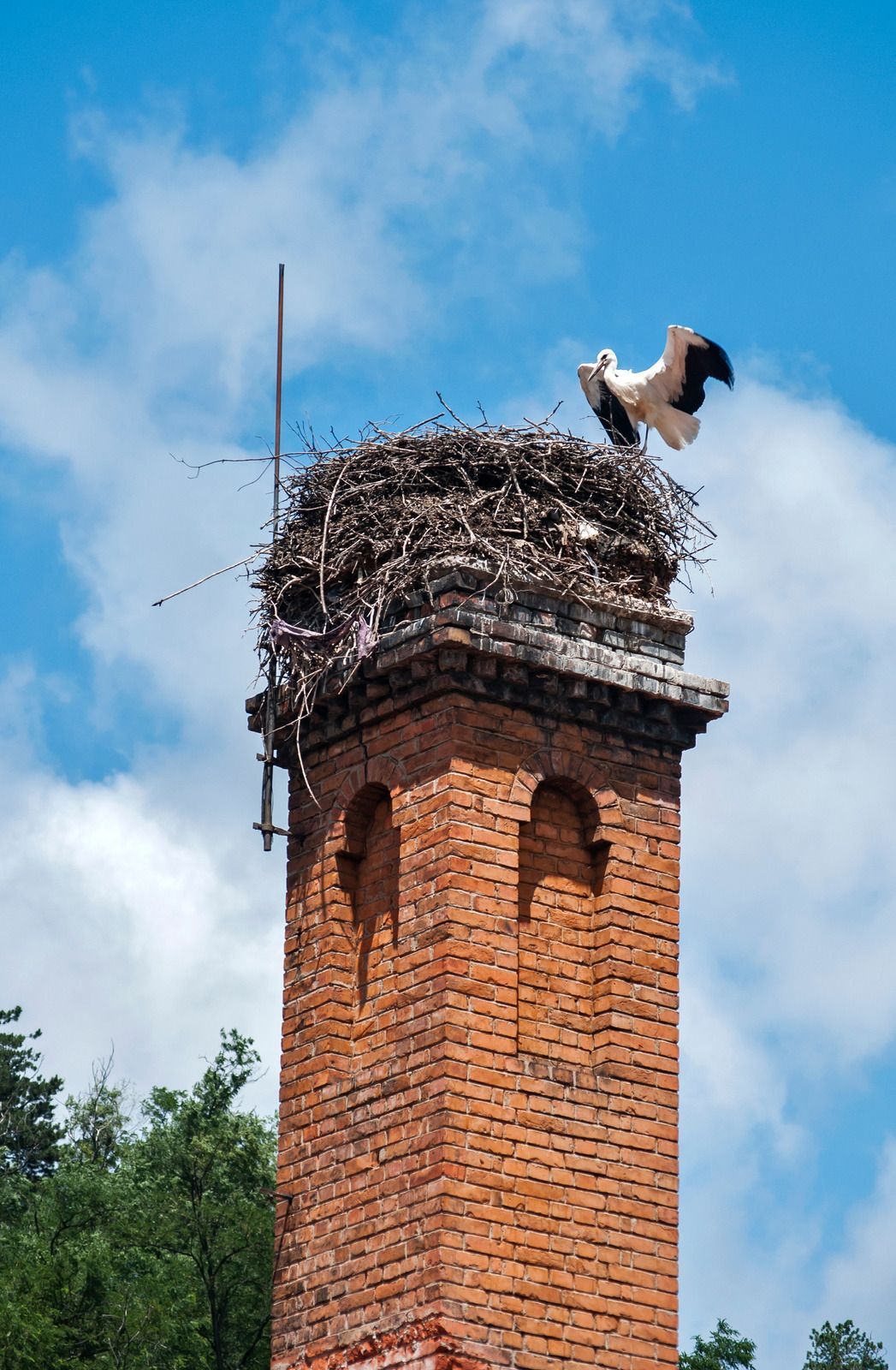
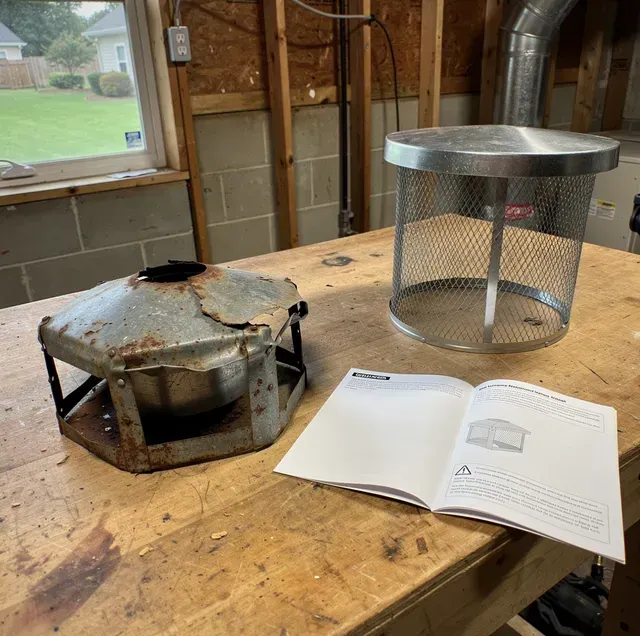
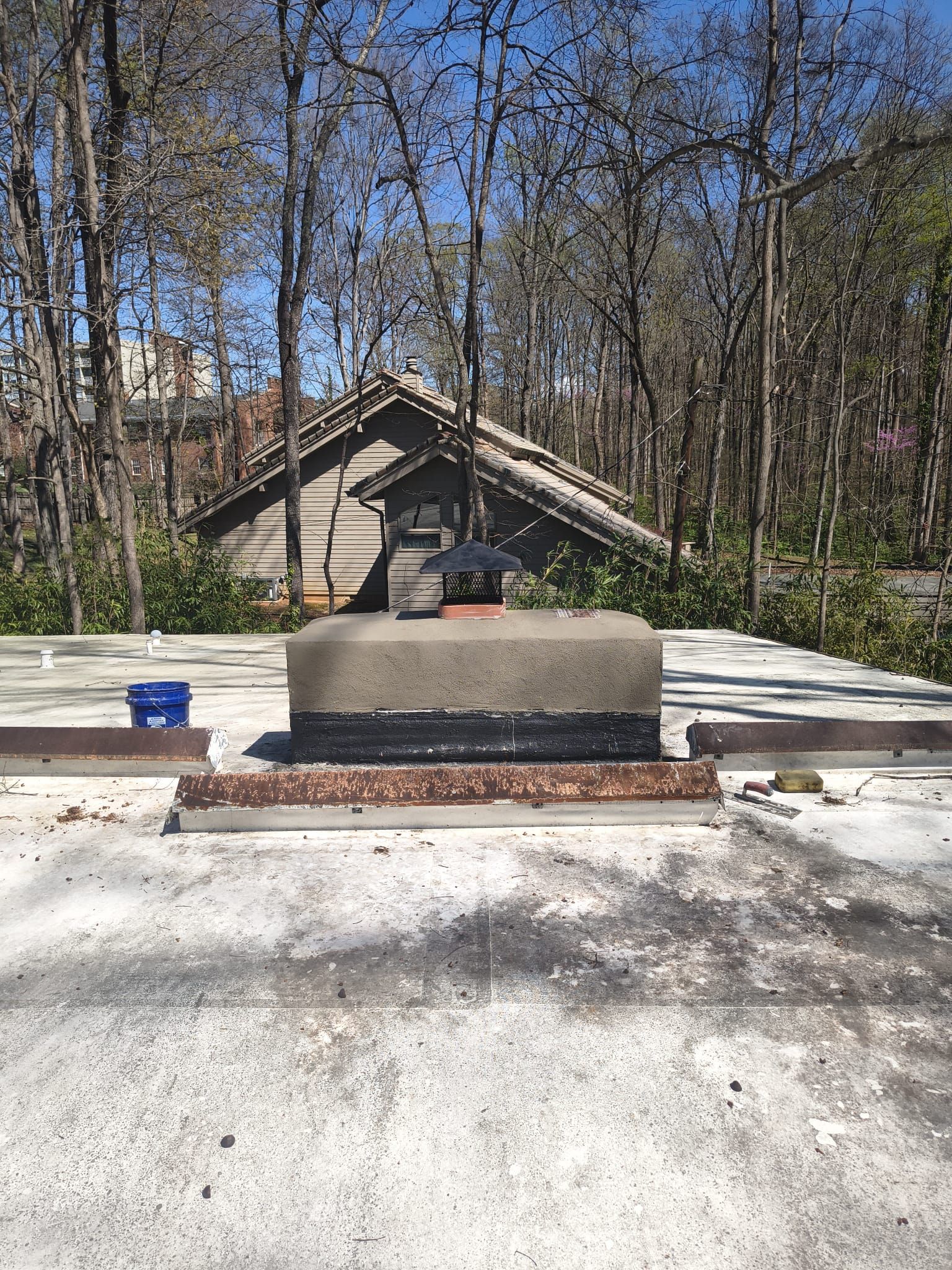
Grab a flashlight and look up into the flue from the firebox with the damper open. Any stretch of disuse turns a chimney into a sheltered cavity that birds, squirrels, and other small animals find appealing, especially one without a cap. A nest of twigs and leaves sitting a few feet above an open flame is dry fuel waiting for a spark, and even without a nest, wind-blown debris and leaves collect in an open flue over time. If you see anything beyond soot coating the walls, don't light the fire. Call for an inspection and, if needed, animal removal first; never try to smoke out or burn out something that might be nesting in there.
Check for Creosote, Not Just Leftover Ash
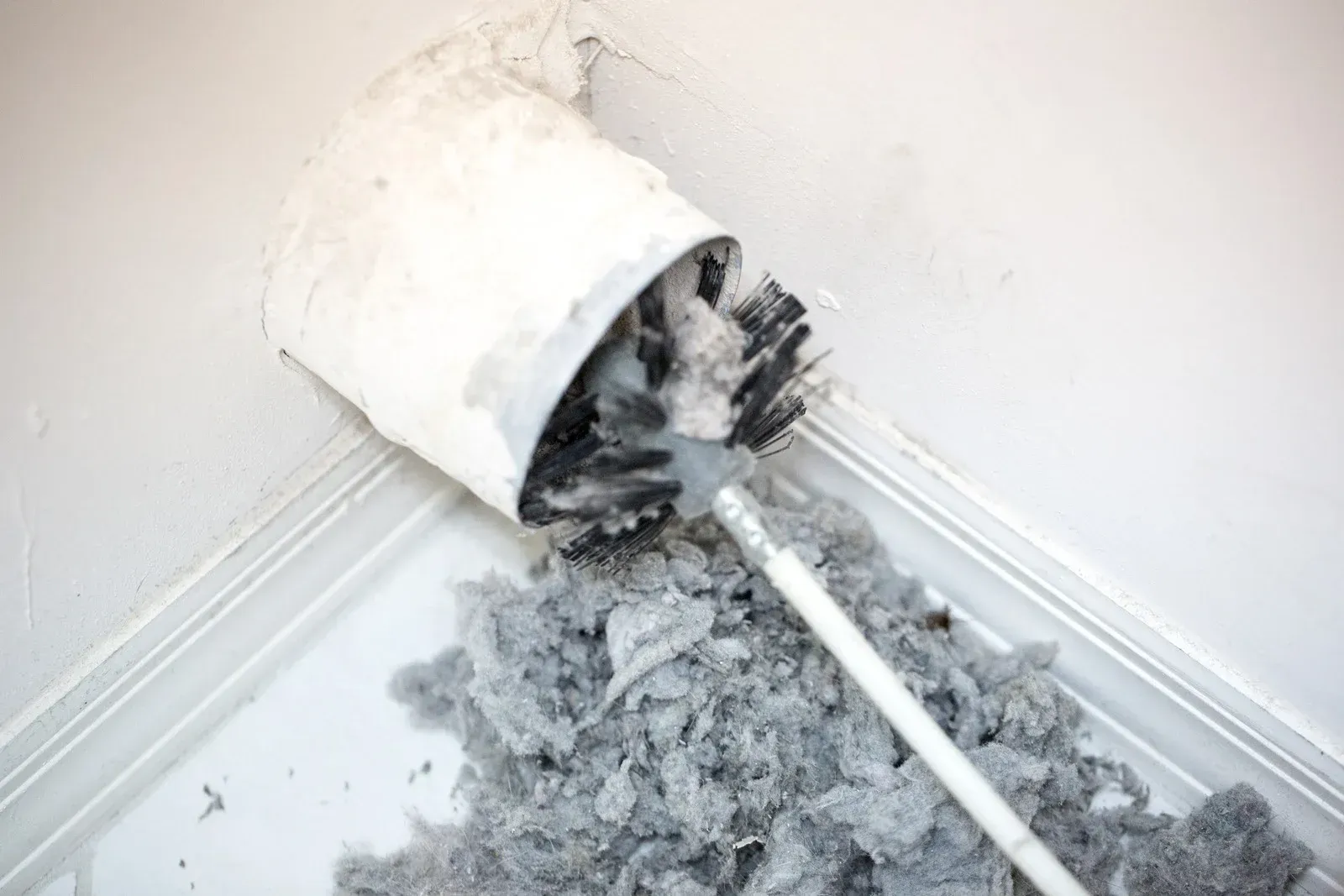
Every wood fire leaves behind creosote, the tar-like residue that condenses on the flue's interior walls as smoke cools on its way out. It builds in stages: a light, flaky soot at first, then a thicker, tar-like layer, and eventually a hardened, glossy glaze that's the main driver of chimney fires because it ignites at a much lower temperature than the wood in your firebox. A season of prior burns can leave this layer well established even when the hearth itself looks swept clean. Shine a light up the flue and look for anything shiny or glassy on the walls rather than dull and sooty. A coating thicker than roughly an eighth of an inch, or one with that glazed sheen, means the flue needs a proper sweep with rotating brushes and rods before you burn anything else in it.
Confirm the Damper Opens Fully and Seats Tight When Closed
The damper, whether it's a throat-style plate on a chain or a modern top-mount unit, is the one moving part standing between your fire and the sky. Moisture and rust that build up during a long idle stretch can seize the mechanism partway open or stuck shut. Work the handle or key through its entire range before lighting anything; you should feel the plate swing freely and see daylight when it's fully open. Then check that it seats fully closed when you're done, since a damper that doesn't close snug lets conditioned air leak up the flue and lets rain work its way in when the fireplace isn't in use.
Warm the Cold Flue Before You Build the Fire
A flue that hasn't drawn air in months behaves a little like a straw you haven't sipped through in a while: it takes a moment to get moving, and anything sitting in the way makes itself known right away. Cold air is denser than warm air, and after a long idle stretch that dense column can sit in the flue almost like a plug, which is why smoke sometimes rolls back into the room the instant you light a fresh fire. Chimney sweeps call this a lazy or cold flue. The fix is simple: hold a rolled sheet of newspaper or a lit firestarter up near the open damper for a few moments before you build the main fire. It warms the air column and gets the draft moving upward so smoke follows it out instead of into the living room.
Clear the Hearth and Check Clearance From Combustibles
Hearths tend to collect things during a slow season: seasonal decor, a stack of firewood pulled in too close, a rug someone dragged nearer to fill the empty-looking space, a basket of kindling parked right at the opening. Walk the area and pull anything flammable back several feet from the firebox opening, a practical clearance most fireplace manufacturers and fire-safety groups recommend as a baseline. Confirm the screen or glass doors are in place and moving freely, too. They're what stop a popping ember from landing on a rug or hardwood floor while you're distracted refilling a drink.
Inspect the Firebox and Surrounding Masonry
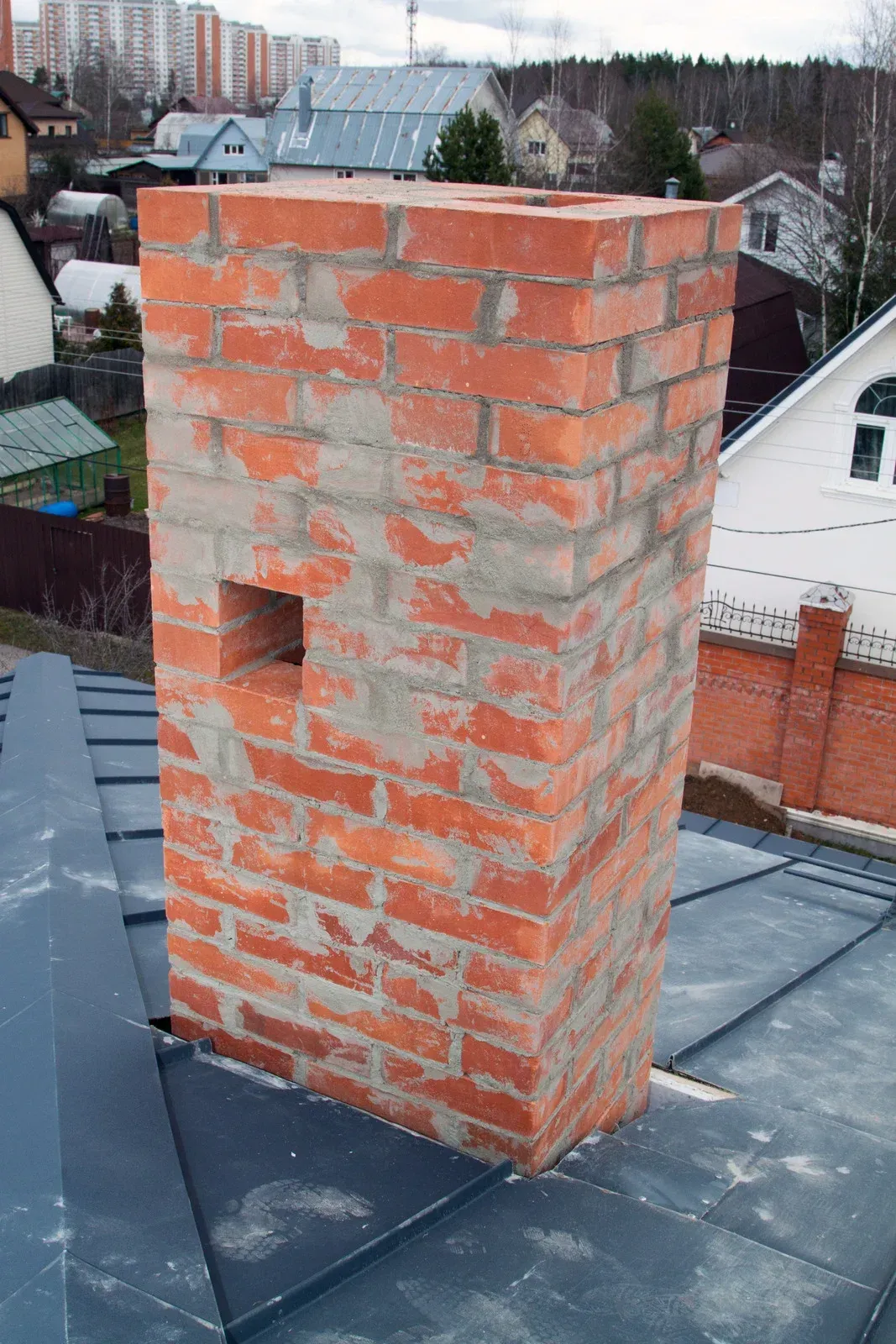
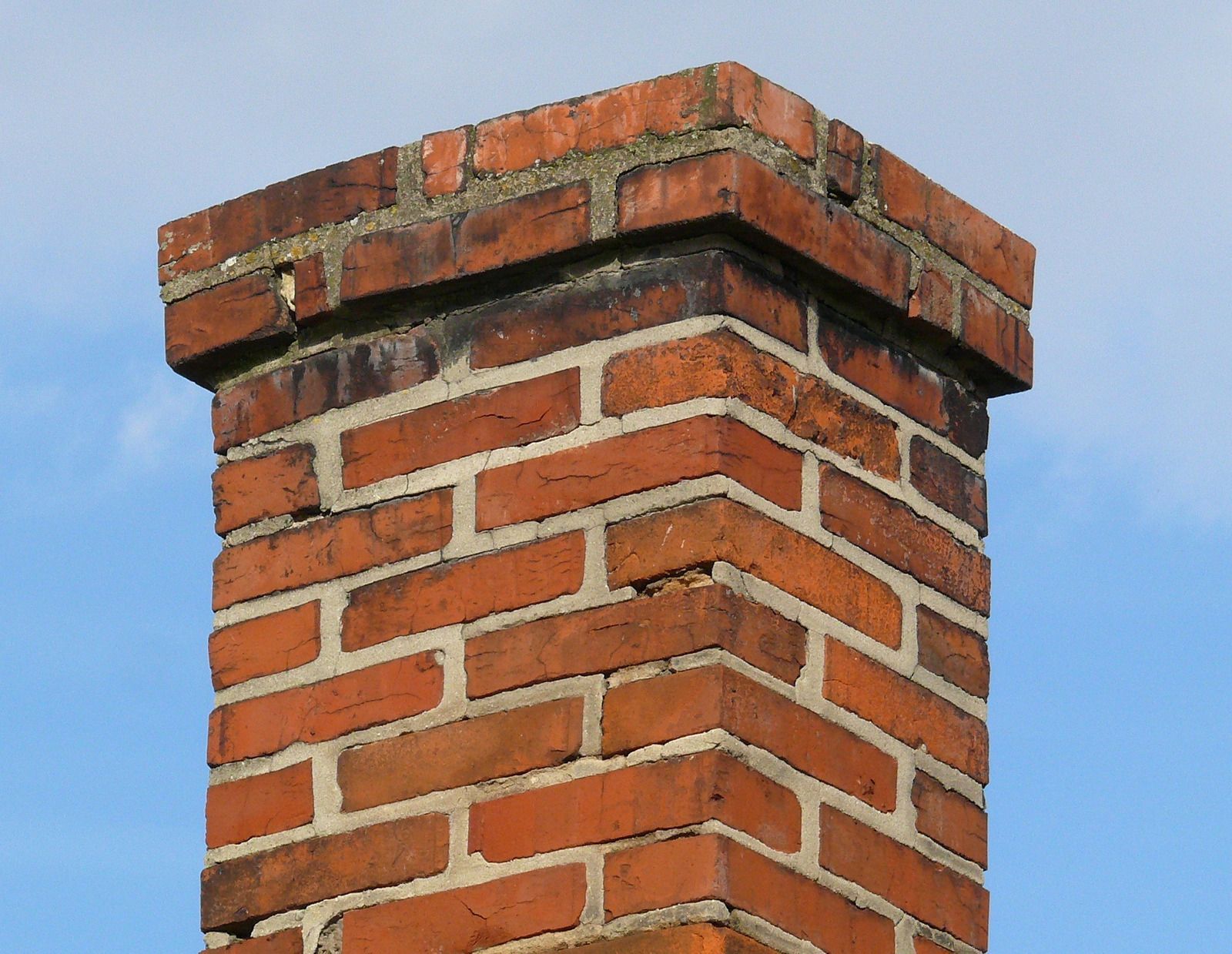
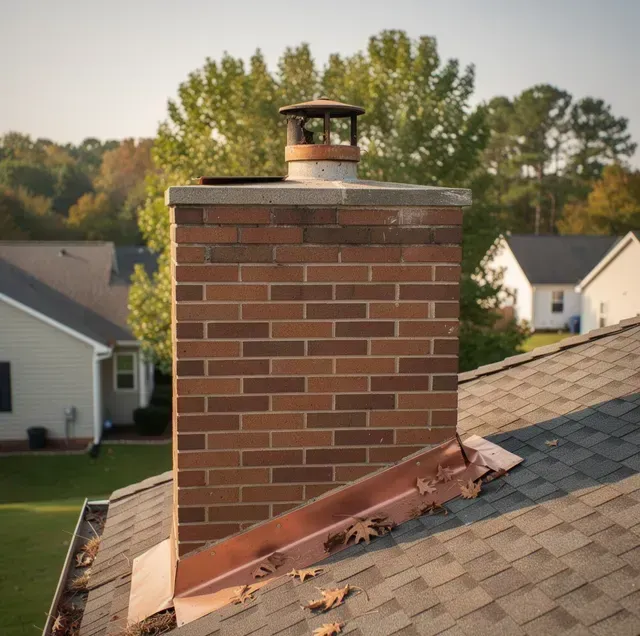
Look over the firebox for cracked firebrick or gaps opening up in the mortar joints, and step outside to check the exterior masonry for white, chalky staining called efflorescence or for brick faces that look like they're flaking (spalling). Masonry is porous. In freeze-thaw stretches, water that's soaked into brick expands as it turns to ice and widens hairline cracks a little more each cycle; the rest of the year, that same porous brick just keeps absorbing rain and humidity, so the deterioration isn't something that only shows up in cold weather. A cracked firebox panel is more than cosmetic, since it can let heat reach the wood framing behind it. If you spot any of this, hold off on burning until it's been evaluated.
Test Every Smoke and Carbon Monoxide Detector in the House
Press the test button on every unit, not just the one nearest the fireplace, and check the manufacture date stamped on the back. Detectors have a service life, and one that's been quietly aging on a hallway ceiling through a long stretch without fires is easy to forget about. Replace batteries or units that are past due before your first burn, not after.
Know When to Call a Professional First
Some situations are worth a CSIA-certified inspection before you touch a match at all: it's been more than a year since the last sweep, last season ended with heavy smoke backing into the room or a chimney fire, you smell a strong sour or campfire odor from a cold fireplace, or you've just moved into a home and don't know the chimney's service history. A Level 1 inspection covers the readily accessible parts of the flue, damper, and firebox; a Level 2, which includes a camera scan of the flue interior, is the right call after any chimney fire, major weather event, or change of ownership.
That first fire is worth having, and it's worth having safely. None of this takes long once you know what to look for, and most of it becomes second nature after you've done it once. A few minutes of checking now is a lot easier than dealing with smoke damage, a stuck damper, or worse, later.
Frequently Asked Questions
How long does it take a flue to fully dry out and reach normal draft after sitting unused?
It depends on the liner. An insulated stainless steel liner warms up and starts drawing well within a few minutes of a primed fire, while an older, unlined masonry flue holds cold and damp longer and may take a slightly larger kindling fire to establish a strong draft.
What's the real difference between a Level 1 and Level 2 chimney inspection?
A technician moves from a Level 1 to a Level 2 scan when the visual check turns up something inconclusive: a suspected liner gap, evidence of a prior chimney fire, or simply no service history to go on for a chimney that's new to you. The camera scan is the only way to confirm what's happening along sections of flue a flashlight can't reach, and it typically adds a short scan to the same appointment rather than requiring you to schedule a separate visit.
Can I scrape off the creosote I can see myself, or does it need a professional?
A basic handheld brush reaches soot on the lower few feet of a straight flue, but it can't remove hardened, glazed creosote higher up, which typically needs a rotary or chain-flail brush system run the full length of the flue, sometimes paired with a creosote-softening treatment between full sweeps.
My gas fireplace or gas log set sat unused too. Does the same checklist apply?
Not exactly. Gas appliances don't build up creosote the way wood fires do, but a pilot assembly and thermocouple can corrode or fail from disuse, ceramic logs can shift or crack out of position, and it's worth having the pilot ignition and gas connections checked before you rely on it again.
What does it mean if I smell an odor from the fireplace even before I light anything?
A musty or acrid smell from a cold fireplace usually means moisture in the air is reacting with old creosote residue in the flue, which happens more in humid weather. It's a sign the flue needs cleaning, and if the smell comes with any dampness on the surrounding wall, it's also worth having the chimney checked for a water leak.
If I only burn a handful of fires a season, do I still need an annual inspection?
Yes. Animal activity, weather, and settling happen to a chimney whether or not you've used it, so an annual inspection is recommended even in a year where the fireplace burned zero fires, not just based on how often the appliance runs.
Schedule a Pre-Burn Chimney Inspection — Have a CSIA-certified technician check your flue, damper, and firebox so you can light that first fire with confidence. Perfect Chimney Cleaning serves Greensboro, High Point, and Winston-Salem. Call (336) 604-6711.