
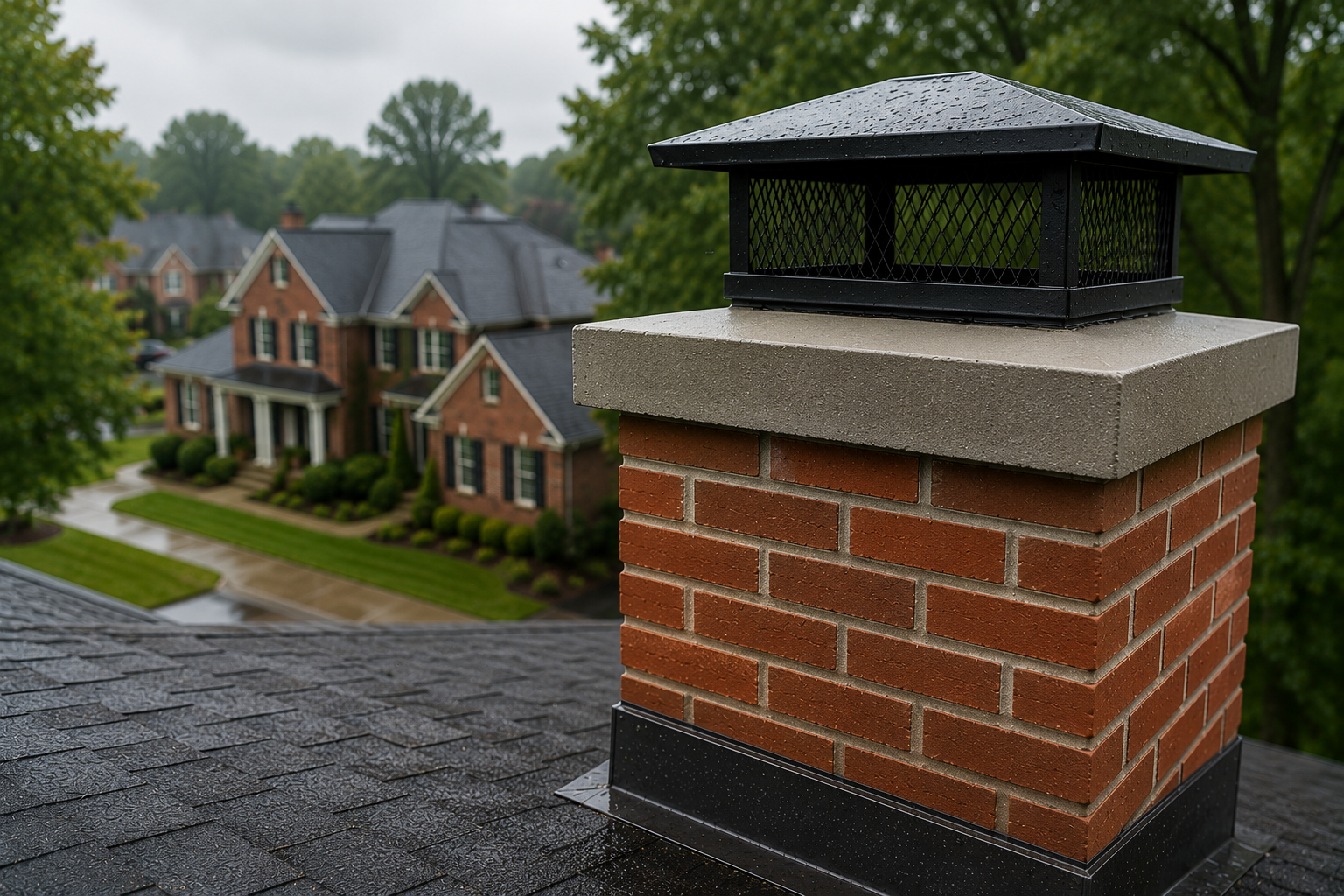
Every roof has its heroes. The gutters keep rain in check, the shingles take the storm hits, and the chimney cap quietly saves the fireplace from chaos.
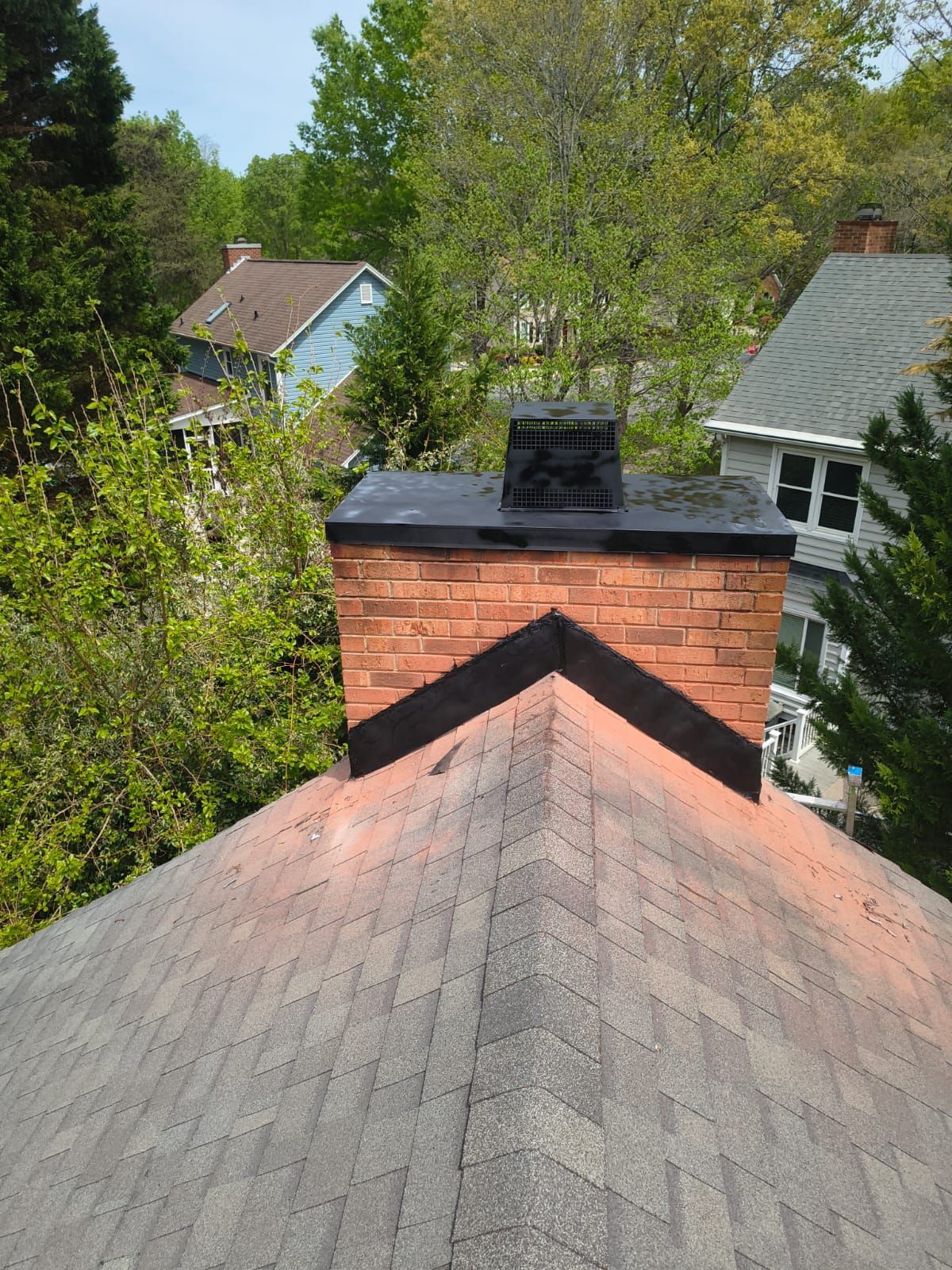
Every fireplace deserves a secret weapon, and a top-sealing damper fits that role perfectly. It looks simple from the outside—just a snug-fitting metal lid sitting atop the chimney—but its performance is anything but ordinary.
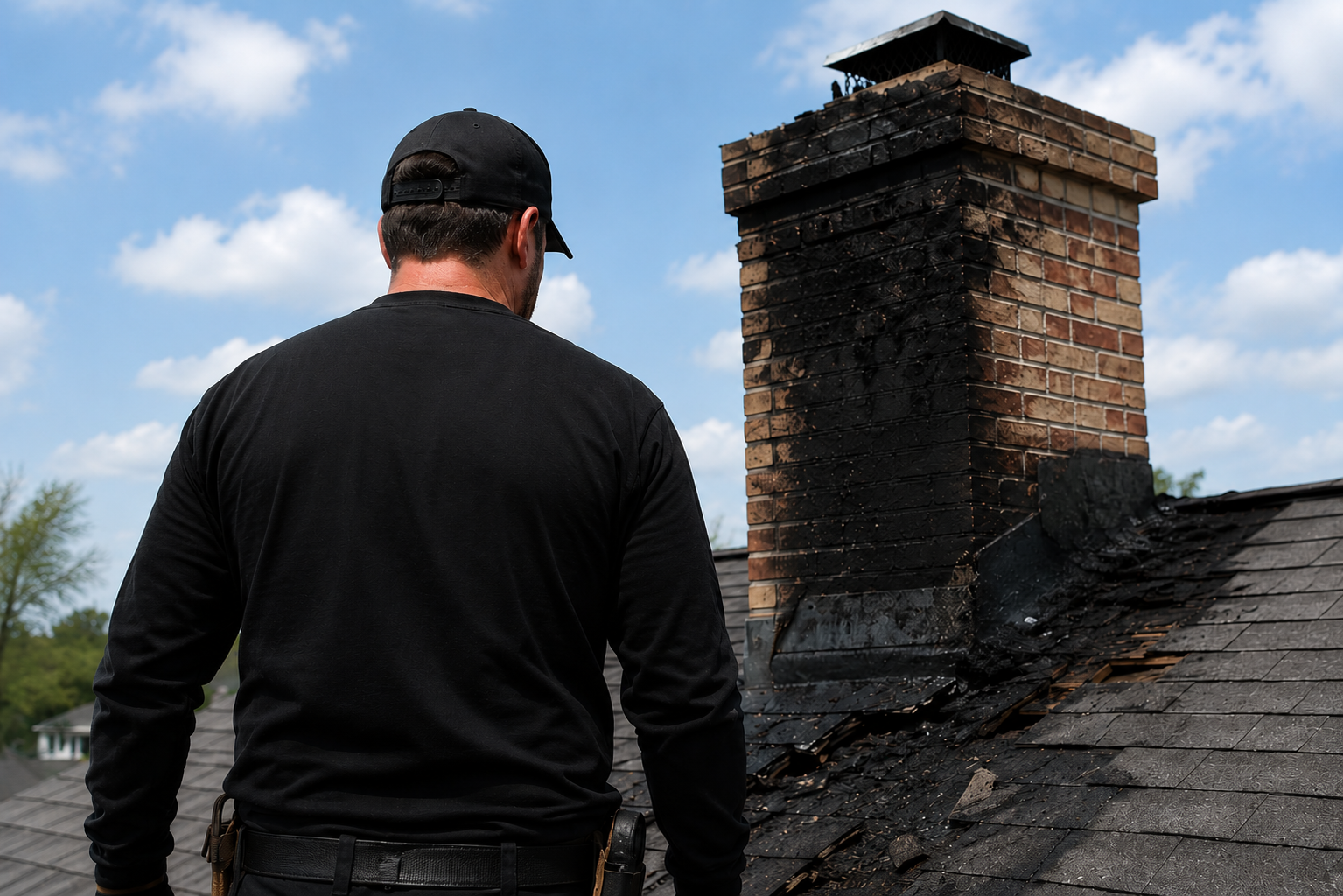
A roaring fire in a hearth is one of life’s simple joys, but when that fire climbs into the chimney, the story changes fast. Chimney fires are fierce, unpredictable, and silent destroyers of masonry. They can ignite in seconds, shooting flames through the flue, cracking interior tiles, and spreading heat hot enough to damage mortar and brick. Even when the flames don’t breach the chimney exterior, the interior can look like it’s been through a furnace. That’s where professional chimney restoration steps in. Experts trained in masonry repair, chimney crack repair, and smoke chamber resurfacing know exactly how to assess and rebuild after a chimney fire. The goal isn’t just restoring what was lost but creating a chimney stronger and more resilient than before.
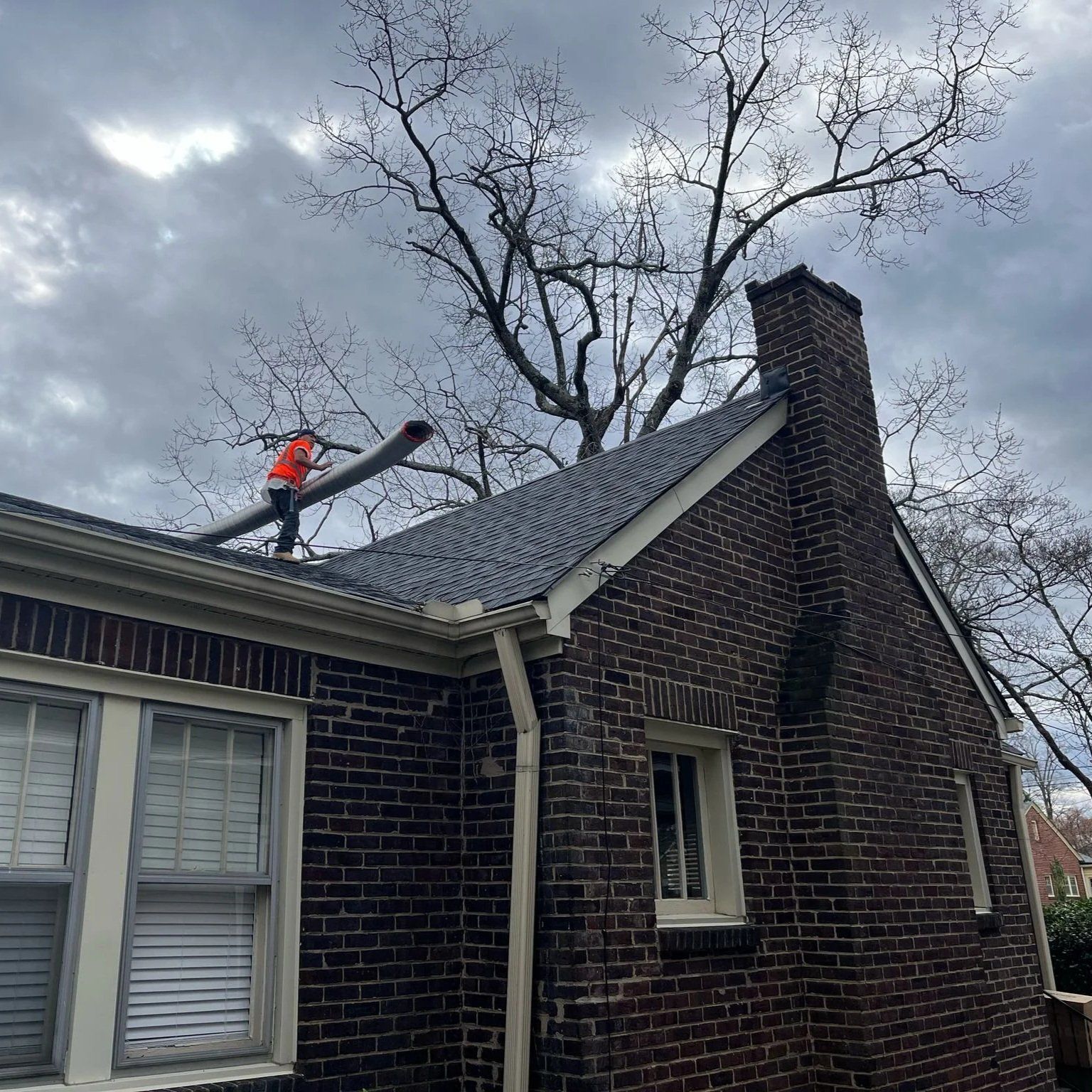
Greensboro’s weather can be as unpredictable as a cat chasing a laser pointer. Sunny mornings turn into stormy afternoons, and humid summers give way to frosty winters that test even the sturdiest brick chimneys. Over time, that constant exposure to heat, moisture, and shifting temperatures can shorten the life of your chimney’s brickwork. Professional chimney maintenance becomes the key to keeping the structure solid, leak-free, and beautiful year after year. Understanding How Weather Affects Brick Chimneys Brick may look strong and timeless, but it’s actually porous. Every brick in your chimney absorbs small amounts of water when it rains. When that water freezes during cold weather, it expands, creating tiny cracks that widen with each freeze-thaw cycle. As those cracks grow, the chimney starts losing its strength, allowing even more moisture to sneak inside. Greensboro’s humid climate adds another layer of challenge. Warm, moist air accelerates the growth of moss and algae on chimney surfaces, which trap additional moisture and speed up deterioration. The result is a chimney that looks tired, feels damp, and starts to crumble long before its time. Why Moisture Is The Biggest Enemy Water is a brick chimney’s worst nightmare. When moisture seeps through cracks or worn mortar joints, it begins to erode the interior as well as the exterior. Over time, that water exposure leads to spalling, in which the brick surface flakes off. It can also cause interior leaks that show up as stains on ceilings or walls near the fireplace. Professional chimney leak repair prevents that chain reaction by addressing the problem early. A trained technician can identify where the water is entering—whether it’s through cracks in the masonry, gaps in flashing, or a failing chimney crown—and apply targeted repairs that restore the system’s integrity. How Freeze-Thaw Cycles Shorten Chimney Life Greensboro winters may not rival the Arctic, but temperatures frequently dip below freezing at night, creating perfect conditions for freeze-thaw damage. Water inside the bricks expands when it freezes, pushing apart the material from within. When it melts during the day, it leaves behind weakened spots that crack further with every temperature change. Professional masonry repair services address those weak points through repointing, sealing, and waterproofing treatments that protect the chimney from future damage. The earlier the intervention, the longer the bricks last—and the fewer emergency repairs homeowners face later. The Importance Of A Strong Chimney Crown The chimney crown is your chimney’s first line of defense against rain, snow, and sleet. When it cracks or erodes, water slips into the masonry below, starting a slow but steady process of decay. In Greensboro’s storm-prone climate, even a small crown crack can cause significant damage during heavy rain. Professional chimney crown repair or rebuild restores that essential barrier. Technicians create a smooth, sloped surface that directs water away from the flue and onto the roof. A well-built crown, combined with professional waterproofing, adds years of protection to the entire chimney structure. The Role Of Flashing In Preventing Leaks Flashing might not get much attention, but it’s the unsung hero of leak prevention. It seals the joint where the chimney meets the roof, keeping rainwater from slipping underneath. When flashing rusts, warps, or separates from the brick, water quickly finds its way into the attic or walls. A professional post-storm inspection often reveals flashing issues that homeowners miss from the ground. Repairing or replacing flashing before leaks start saves money and prevents long-term water damage. After major Greensboro rainstorms, a quick check by a chimney expert can make all the difference. Why Chimney Caps Protect More Than You Think A quality chimney cap keeps more than rain out. It blocks debris, leaves, and small animals from entering the flue. Without it, water pours straight down the chimney during storms, soaking the smoke chamber, rusting metal components, and causing unpleasant odors. After severe weather, birds and squirrels often seek shelter in open chimneys, leaving behind nests that block airflow. Professional animal nest removal clears those obstructions safely, restoring proper ventilation and reducing fire risk. Installing or replacing a chimney cap afterward keeps wildlife from returning. Seasonal Maintenance And Brick Preservation Seasonal maintenance is the secret to long-lasting chimneys in Greensboro. During spring and fall, professional technicians inspect the chimney for cracks, damaged mortar, and early signs of water infiltration. They also check the flue liner, smoke chamber, and damper for buildup or corrosion. A clean, structurally sound chimney handles weather changes far better than one left unattended. Regular maintenance not only extends brick longevity but also prevents chimney emergency repair calls after unexpected storms. The Benefits Of Professional Waterproofing Waterproofing doesn’t make a chimney shine—it makes it survive. Professionals apply vapor-permeable sealants that repel rain and snow while allowing internal moisture to escape. Unlike store-bought sealants, professional-grade products penetrate deep into the masonry instead of forming a surface film that eventually peels away. In Greensboro’s humid climate, waterproofing plays a vital role in preventing long-term deterioration. A single treatment can protect your chimney for years, keeping bricks strong and color-rich despite heavy rainfall and seasonal humidity. How Professional Masonry Repair Restores Strength When chimney bricks begin to crumble, patching them with regular mortar won’t hold up. Professionals use a process called tuckpointing to remove deteriorated mortar and replace it with a fresh, color-matched blend. That restoration not only strengthens the structure but also improves its appearance. Repointing and tuckpointing services reinforce weak joints and prevent further water infiltration. When paired with sealing and waterproofing, they help older Greensboro chimneys regain their original resilience. What Happens When Chimney Damage Goes Ignored A few missing mortar joints or cracked bricks might not seem serious at first, but neglecting them can cause major problems. Water seeping through damaged areas gradually undermines the chimney’s foundation. Over time, leaning, separation, or complete structural failure can occur. Leaks also spread to nearby roofing materials and interior walls, leading to mold growth and costly restoration work. The longer homeowners wait to schedule chimney repair, the more extensive the damage—and the higher the repair bill. When To Call For Chimney Emergency Repair Some problems can’t wait until Monday morning. After strong Greensboro storms, a chimney may suffer sudden leaks, dislodged caps, or collapsed bricks. In those cases, 24-hour chimney repair services step in to stabilize the structure and prevent further damage. Emergency technicians cover exposed areas, reseal flashing, and apply temporary protection until permanent repairs can be completed. Fast action keeps water from spreading through ceilings or walls and reduces the risk of expensive secondary damage. Why Post-Storm Inspections Are Essential After every major storm, homeowners should schedule a post-storm inspection. High winds and driving rain can loosen mortar, crack crowns, and shift flashing without showing obvious signs from the ground. Professionals use specialized tools to detect subtle structural weaknesses and moisture intrusion. In Greensboro’s unpredictable climate, routine inspections after severe weather provide early warning for potential leaks or structural issues. By identifying problems quickly, technicians can make targeted repairs that preserve the chimney’s lifespan. The Connection Between Seasonal Maintenance And Chimney Longevity Chimney care isn’t just about fixing problems—it’s about preventing them. Seasonal maintenance keeps every component, from the cap to the foundation, working together to protect against weather extremes. Regular cleaning removes soot and debris that trap moisture, while periodic inspections catch damage before it spreads. Homeowners who stay on top of maintenance rarely face emergency repairs. Their chimneys perform more efficiently, look better, and last decades longer than those left to fend for themselves. Why Greensboro Homeowners Benefit From Local Expertise Local professionals understand Greensboro’s unique weather conditions better than anyone. They know how fluctuating humidity, heavy rain, and occasional frost affect masonry structures. That knowledge shapes every repair, waterproofing treatment, and inspection plan. Working with local chimney specialists means faster service, better material selection, and maintenance schedules tailored to North Carolina’s climate. It’s a smart investment in both home safety and long-term property value. The Importance Of Professional Service Over DIY Repairs DIY chimney fixes may seem tempting, but without professional training, they often lead to more damage. Misapplied sealants trap moisture inside bricks, while improper mortar mixtures cause faster cracking. Working on a roof without the right safety equipment also puts homeowners at serious risk. Professional chimney repair technicians use industry-grade materials, proper safety measures, and years of experience to restore and protect masonry systems. Their work not only repairs visible damage but also strengthens the structure against future weather challenges. Keeping Your Chimney Ready For Every Greensboro Season Greensboro weather keeps homeowners guessing, but a well-maintained chimney never misses a beat. With professional waterproofing, seasonal inspections, and prompt repairs, your brickwork can withstand years of sun, rain, and frost. From emergency leak repair to full masonry restoration, professional chimney care services help your home stay comfortable, safe, and ready for whatever weather rolls through next. A strong chimney isn’t just a structural feature—it’s your home’s year-round guardian against the elements. This is a direct copy of your content, now formatted with appropriate headings and paragraphs. If you need further assistance in embedding this into your Duda template, feel free to let me know!
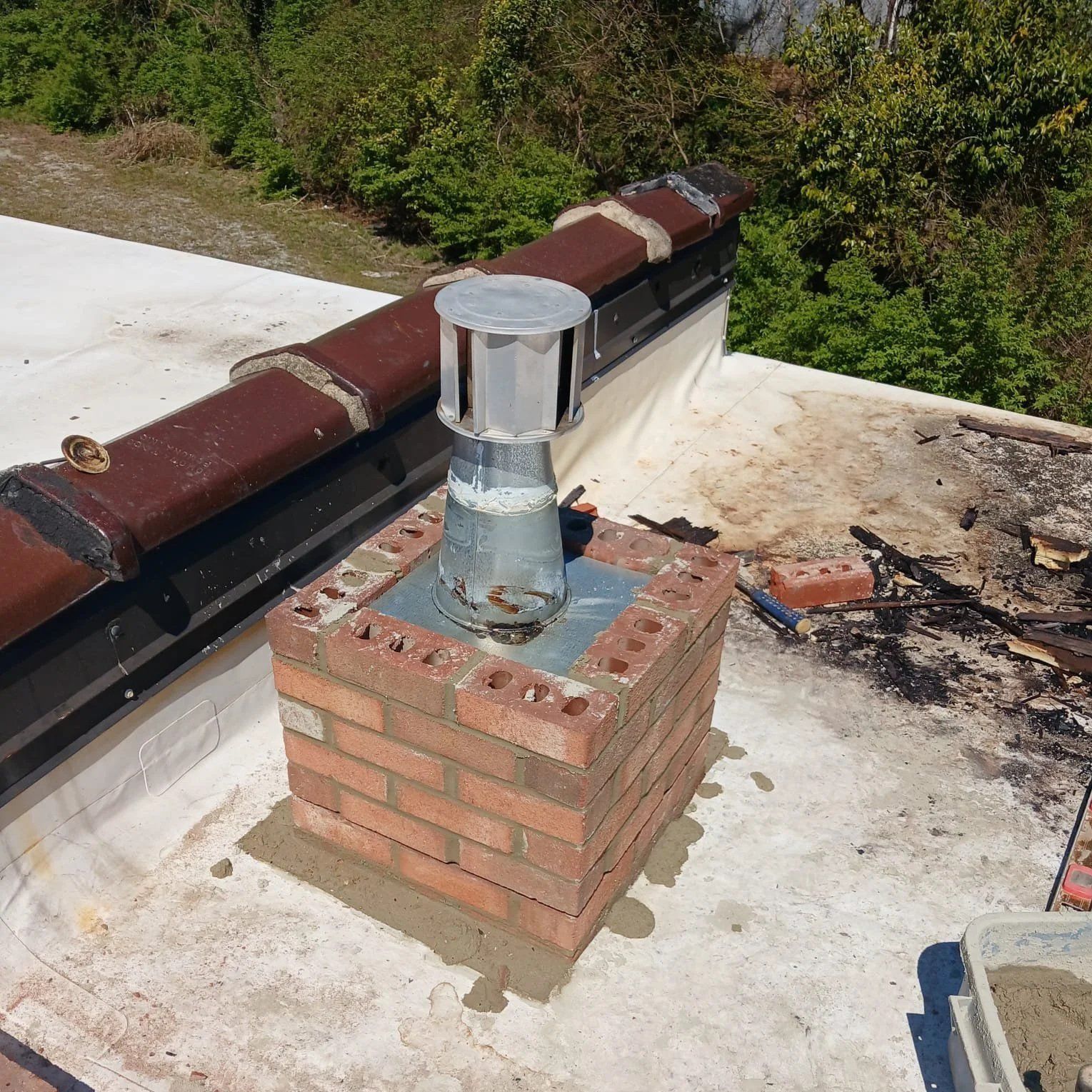
Chapel Hill’s historic homes are a testament to timeless craftsmanship—from brick chimneys that have seen generations of family fires to masonry joints that have braved every Carolina storm. Over time, even the best-built fireplaces start to show subtle cracks, worn mortar, and signs of age. Those faint lines across bricks aren’t just character—they’re the whisper of maintenance asking for attention. Professional fireplace masonry repair restores strength, safety, and charm, making sure each fire burns as beautifully as it did decades ago. Experts specializing in local masonry repair understand how to keep Chapel Hill’s fireplaces standing proud, blending old-world aesthetics with modern structural reinforcement. Why Brick And Mortar Matter Fireplace masonry isn’t just decorative; it’s structural. The combination of brick and mortar serves as both armor and foundation against intense heat, smoke, and moisture. When cracks form, they create passageways for water, soot, and even carbon monoxide leaks. Moisture intrusion is particularly damaging in Chapel Hill’s humid climate. It weakens the mortar joints and promotes efflorescence, the white chalky substance that appears on old brick surfaces. Once that happens, restoration goes from optional to urgent. Professional masonry specialists step in to permanently repair those mortar joints, replace damaged bricks, and reestablish a solid barrier that protects both home and family. How To Spot Trouble Before It Spreads Not every sign of damage is easy to see. Some start small—like hairline cracks in the mortar or light discoloration under the mantel. Others make themselves more obvious during rainy weather. Homeowners should call for a chimney and fireplace inspection when they notice: Mortar flaking or crumbling between bricks. Gaps are forming where the mortar used to sit evenly. Water stains or moisture at the firebox edges. A smoky odor even without using the fireplace. Rust spots on the damper frame. Each of these symptoms hints at brick or mortar failure. Professional chimney experts inspect the structure using high-intensity lighting and moisture-detection tools. They identify deeper problems you can’t spot from the living room. The Science Behind Masonry Repair Masonry repair isn’t simply replacing mortar—it’s architectural chemistry. The trick lies in matching the composition, grain size, and compressive strength of the original mix. Chapel Hill’s older homes often use lime-based mortar rather than the Portland cement common today. The difference matters: modern mortar can be too rigid for historic brickwork, leading to new cracks when temperatures fluctuate. Seasoned chimney technicians custom-blend lime-and-sand mortars to maintain flexibility and allow masonry to breathe. Every repaired joint looks original and performs flawlessly through decades of Carolina rain and heat. Matching materials isn’t a suggestion; it’s what separates authentic restoration from patch jobs. Tuckpointing: The Gentle Fix That Saves Strong Brickwork Tuckpointing is the art of removing deteriorated mortar joints and refilling them with a precise blend that matches the old construction almost seamlessly. Professionals carve into joints only deep enough to reach the firm material before carefully applying new mortar. The outcome isn’t just a patch—it’s a restoration of both strength and aesthetics. Properly done, tuckpointing rejuvenates entire chimneys or fireplaces, reinforcing their structure while keeping every joint neat, precise, and weather-resistant. Homeowners in Chapel Hill often request tuckpointing as part of seasonal maintenance because it prevents small cracks from blooming into full-on masonry repairs. It’s the definition of smart preventive care: quiet, thorough, and effective. Smoke Chamber Resurfacing: The Hidden Hero Just above the fireplace throat lies the smoke chamber—a spot most homeowners never see but depend on every time the fire burns. Over years of use, intense heat erodes the chamber’s inner walls, leaving rough surfaces that trap soot and disrupt proper airflow. Professionals resurface the chamber using high-temperature refractory coatings that smooth the walls and reinforce their strength. The smoother the chamber, the better the draft and the safer the burn. It’s a hidden service with noticeable benefits: less smoke, better efficiency, and reduced fire hazards. Smoke chamber resurfacing isn’t glamorous work, but it might be the single most important repair for maintaining fireplace performance in older Chapel Hill homes. Repairing Chimney Fire Damage Fireplaces that have survived minor chimney fires often continue to operate without obvious visual changes—but inside, damage lingers. The intense heat can crack mortar joints, weaken flue tiles, and distort the masonry’s structure. Fire restoration specialists carefully examine each section of the chimney and fireplace to locate heat stress fractures invisible to untrained eyes. From there, they perform precise chimney crack repair, replacing or rebuilding compromised sections before the damage spreads. In cases of advanced fire damage, smoke chamber resurfacing and crown rebuilding join the process to restore full functionality and safety. Chapel Hill homeowners appreciate this comprehensive approach—smart restoration beats costly reconstruction any day. The Role Of The Crown In Brick Stability Think of the chimney crown as the rain hat that protects everything underneath it. A cracked or eroded crown allows moisture to seep into the masonry below, accelerating deterioration in the bricks and mortar joints. Professional masons often rebuild cracked crowns with flexible, waterproof materials that prevent water pooling and shed rain efficiently. The key lies in shaping the crown with a proper slope and drip edge. Done correctly, rainwater flows away from the bricks, extending the life of the entire chimney. Crowns on older Chapel Hill properties often lack that slope, making crown rebuild services one of the most requested forms of chimney maintenance in the area. Rebuilding Brickwork With Style Brick replacement serves both aesthetic and structural purposes. Damaged or spalling bricks compromise both the appearance and function of chimneys. Skilled technicians salvage what’s intact and match new sections using vintage bricks identical in color, texture, and dimension. Whether replacing a few decorative hearth bricks or sections of an exterior chimney stack, professionals treat every project as a work of art. Their goal: give the structure its original symmetry back while making it weatherproof for the long term. Chapel Hill craftsmanship prides itself on a balance between traditional design and lasting durability. Why It Pays To Repair Instead Of Replace Historic fireplace repair costs significantly less than replacement and preserves irreplaceable design integrity. Repairing cracked mortar, resurfacing the smoke chamber, and rebuilding crowns may sound like fine detail work—and it is—but those details prevent the need for future demolition. Replacement often requires tearing out functional fireplaces and rebuilding entirely new systems, losing both authenticity and budget. By opting for masonry restoration instead of replacement, homeowners maintain architectural continuity while strengthening heat resistance and structural performance. It’s the smarter investment for anyone balancing charm with practicality. Masonry Repair And Home Value Buyers in Chapel Hill love character but not surprises. A structurally sound, well-maintained fireplace adds measurable value to a home. During inspections, visible cracks or stains around brickwork can scare off potential buyers or trigger expensive repair contingencies. Professional restoration, on the other hand, reassures buyers by showing proactive care. Restored masonry also enhances curb appeal. A freshly reconstructed fireplace or chimney draws eyes as a centerpiece rather than a forgotten feature. Sellers often find that the aesthetic boost alone justifies the service costs. How Professionals Approach Masonry Work Every professional fireplace service in Chapel Hill follows a structured yet highly detailed approach. The process usually begins with a chimney inspection, including moisture-level testing and visual evaluation of cracks. After identifying damaged mortar or bricks, experts plan the repair with accuracy: Secure staging and safety equipment. Remove compromised mortar with specialized chisels. Repoint joints to full depth using historic mortar blends. Replace or reinforce bricks where needed. Apply breathable, water-resistant sealant across the surface. Companies like Mr. Smokestack Chimney Service and Nexus Chimney Services specialize in these methods, caring for fireplaces across historic neighborhoods from Carrboro to Franklin Street. When Modern Meets Historic Modern technology doesn’t erase traditional craftsmanship—it perfects it. Using advanced moisture sensors, infrared imaging, and vibration-resistant fillers, chimney specialists diagnose weaknesses long before visible cracking appears. Technicians also use flexible bonding materials that move naturally with the brickwork. Combined with traditional tuckpointing skills, this hybrid style of craftsmanship blends heritage authenticity with modern durability. Every seam reflects both precision and innovation. When To Call For Professional Help A fireplace shouldn’t make odd noises, shed powdery residue, or leak water. Early detection saves time, money, and walls from mess. Professional chimney teams---like those serving Chapel Hill year-round---offer seasonal inspections specifically designed to identify hidden weaknesses before they lead to serious repair costs. Homeowners often call after a storm or during humid seasons when moisture amplifies existing cracks. Post-weather evaluations help confirm damage progression and guide repair timing. Waiting until visible leaks appear isn’t just stressful—it’s expensive. Maintenance That Keeps Masonry Going Strong Even the best repairs need minimal upkeep to maintain longevity. Seasonal maintenance appointments allow masons to evaluate crown condition, mortar stability, and smoke chamber performance before small issues evolve. Many residents schedule chimney sweeps and masonry inspections together for efficient care. Protective waterproof coatings tailored for Chapel Hill’s climate help resist recurring moisture issues, giving masonry surfaces extended durability. Some coatings even improve the color depth of brick patterns, reinforcing both structure and style at the same time. Supporting Chapel Hill’s Architectural Legacy Every arch, keystone, and hearth built a century ago adds to the region’s character today. Professional masonry restorers work with respect for that legacy. Through patient craftsmanship, local fireplace experts protect more than brick—they preserve community identity. Whether it’s repairing cracked mortar joints on a colonial home or restoring heat resilience after chimney fire damage, every service embodies the same mission: keep history alive, one brick at a time. Get professional chimney repair and restoration , chimney leak repair , chimney mortar repair and repointing , and chimney brick and crown repair in Greensboro, NC, with Perfect Chimney Cleaning. For us, safety is the priority. Our team delivers trusted professional expertise and personal care. Count on us for transparent pricing and excellent workmanship. Get your free quote today!
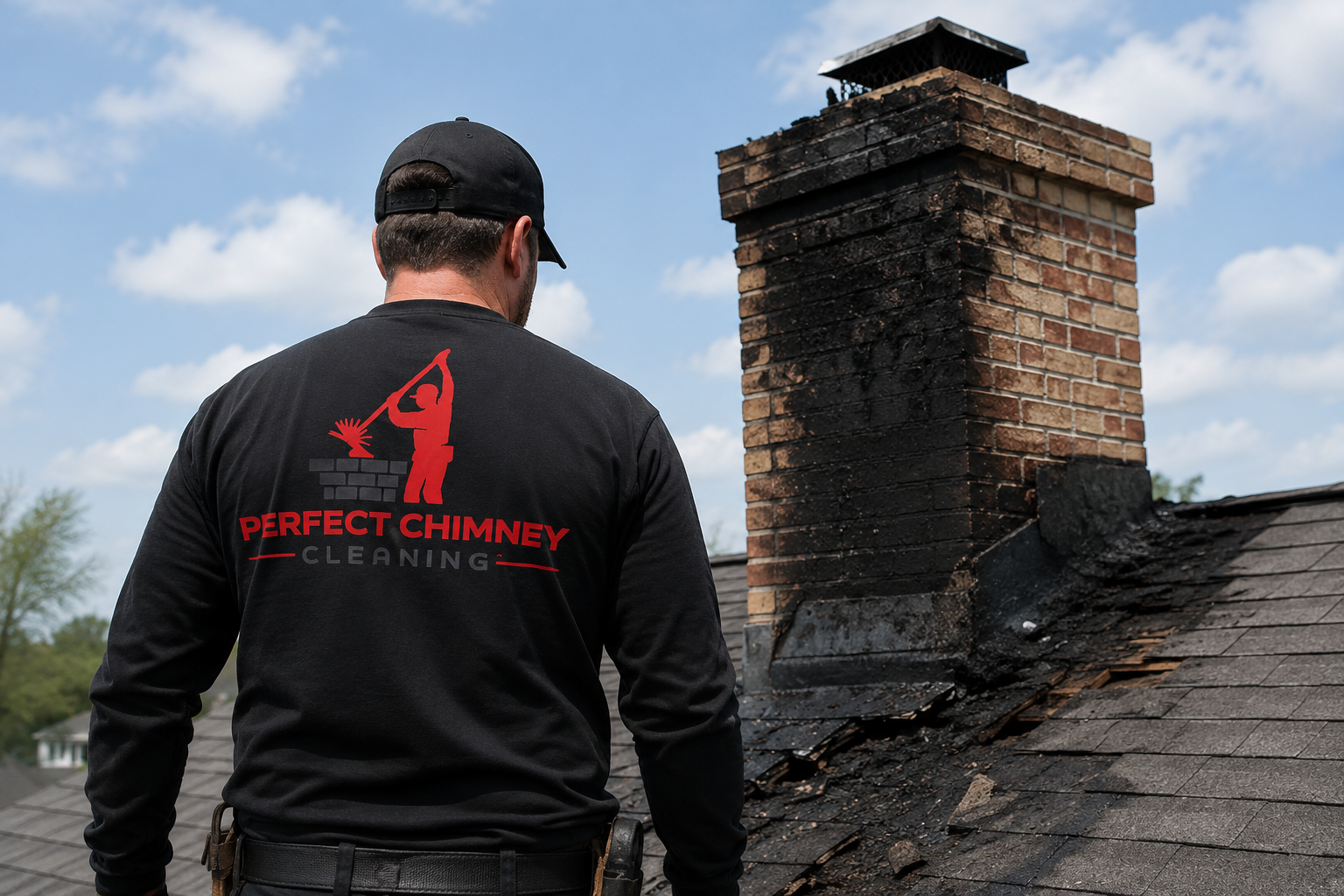
Chapel Hill’s historic homes are a testament to timeless craftsmanship—from brick chimneys that have seen generations of family fires to masonry joints that have braved every Carolina storm.

Why Chimneys Leak in North Carolina’s Climate
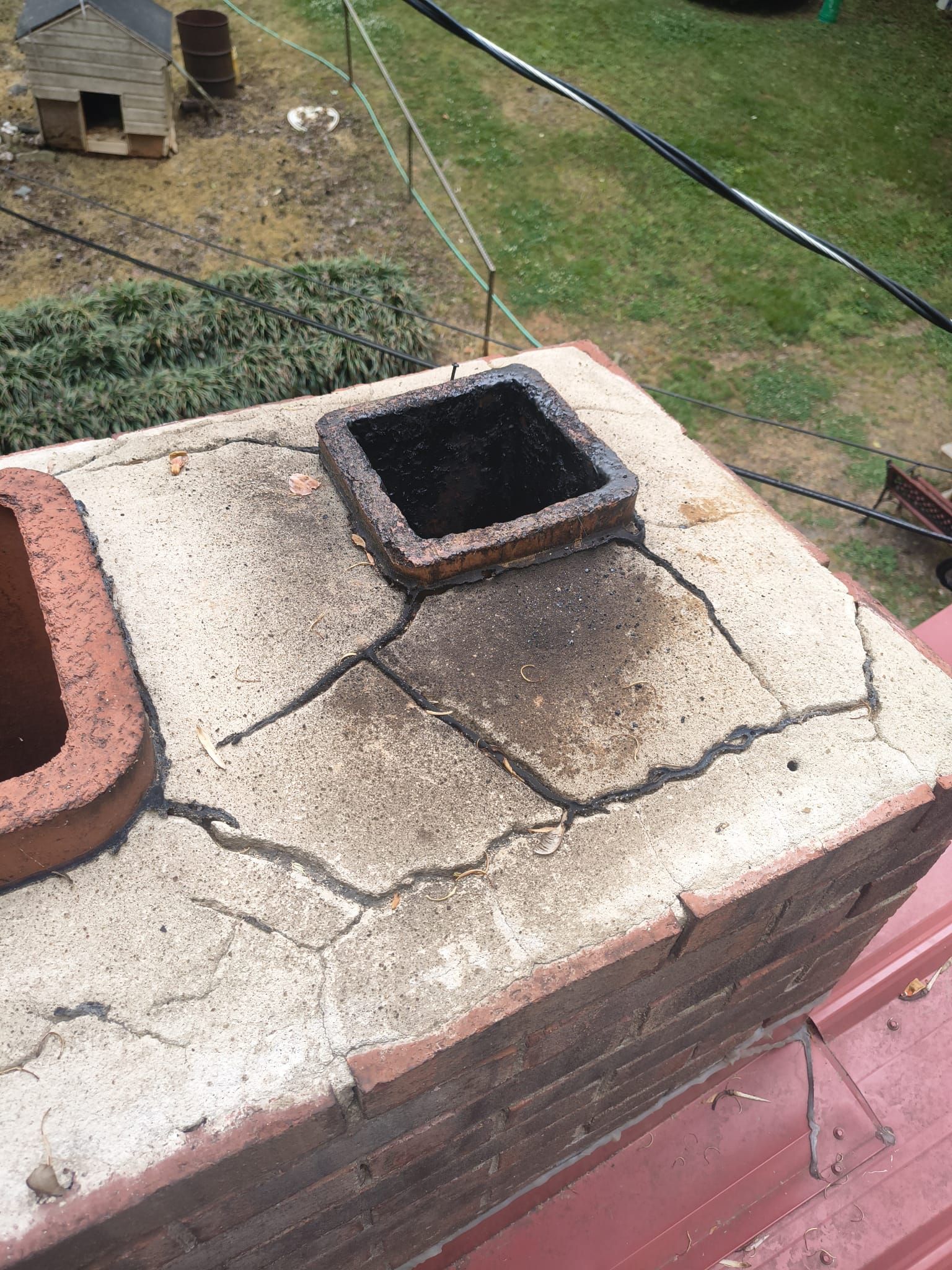
When storm clouds roll through the Triangle, they often leave homeowners dealing with more than wet driveways and soggy lawns.
Nature’s Curiosity Meets Your Chimney
Durham's historic neighborhoods and modern communities share one thing in common—a love for cozy fireplaces that turn chilly evenings into warm gatherings.