Hannah Kendrick • October 1, 2025

The Importance of a Camera Video Flue Inspection Before Winter

When the air in North Carolina turns crisp and the first chill settles over Raleigh or Greensboro, fireplaces across the state roar back to life. The crackle of a wood fire is comforting, but behind that warmth, the chimney quietly handles heat, smoke, and combustion gases. Before the season’s first fire, a professional camera video flue inspection can make all the difference between a cozy evening and a costly hazard.

Why a Chimney Needs More Than a Quick Look

A chimney inspection might sound simple, but flue systems are more complicated than most homeowners realize. Over time, heat, moisture, and natural wear can cause small cracks, shifting tiles, and buildup that go unnoticed. Birds or squirrels may have claimed the flue as their summer residence. Soot and creosote can form thick deposits that restrict airflow. Without a professional chimney evaluation, those issues can lead to poor ventilation or even a chimney fire.


A camera video flue inspection allows trained technicians to see the inside of the chimney with precision. Instead of relying on flashlights or mirrors, professionals use specialized cameras that navigate the full length of the flue. The high-definition video captures every inch of the surface, revealing cracks, obstructions, or structural damage.

How Video Flue Inspections Work

The process starts with a certified chimney specialist inserting a flexible camera line into the flue. The equipment transmits a live video feed to a monitor, allowing the inspector to view the entire interior in real time. Every joint, seam, and curve becomes visible. Professionals can pause, zoom, and record sections for review.


In North Carolina homes, where humidity and temperature swings often stress masonry, small defects can develop quickly. The video inspection reveals whether moisture has entered the chimney, if there is creosote buildup, or if the liner has shifted. The footage is then analyzed to produce a detailed report for the homeowner, including recommendations for chimney maintenance or repair, if needed.

Why Winter Demands Extra Attention

Cold weather increases fireplace use, placing greater demand on the chimney system. Without a clean and intact flue, smoke and carbon monoxide can leak into the home. The mixture of cold outdoor air and hot combustion gases can also create condensation inside the chimney, accelerating damage.


In areas like Raleigh, Cary, and Durham, winter storms and fluctuating temperatures can worsen existing cracks in brick or clay liners. A camera video flue inspection before winter gives professionals the chance to identify weaknesses early and protect the system before heavy use begins. It is the most efficient way to confirm that the chimney is ready for another season of fires without surprises.

The Difference Between a Level 1 and a Level 2 Inspection

A Level 1 inspection focuses on visible and accessible parts of the chimney and is suitable for routine maintenance. A Level 2 inspection, often performed during a real estate inspection or after a major weather event, includes the camera video flue inspection. That added step provides a detailed internal view and is ideal before winter, especially if the fireplace has not been used for a while.


During a Level 2 inspection, technicians check for structural integrity, clearances, and any signs of deterioration that might not be visible during a basic review. The video flue inspection becomes the centerpiece of that process, confirming that the flue liner is intact and capable of safely channeling smoke and heat out of the home.

How Video Footage Helps Homeowners

The camera inspection produces more than a service report—it creates visual proof. Homeowners can see exactly what the technician sees, making it easier to understand the system’s condition. The footage also serves as a record for future chimney maintenance. Comparing videos from one year to the next allows professionals to track gradual changes and spot patterns of wear.


If the chimney ever requires repair or relining, having that video history helps technicians plan efficient, targeted solutions. It also builds trust between the service provider and homeowner, replacing guesswork with clear, visual evidence.

Why Traditional Inspections Fall Short

Traditional chimney inspections rely on visual observation and basic tools. While useful, they cannot reveal hidden damage deep within the flue. A flashlight cannot illuminate a misaligned liner halfway up the chimney or identify moisture trapped between layers of masonry. That is where camera video technology proves invaluable.


Even minor flue damage can lead to serious consequences if left unchecked. Heat escaping through a small crack can reach combustible materials surrounding the chimney. Over time, that heat exposure weakens wood framing and creates fire risks. Video inspection eliminates uncertainty by revealing the complete internal condition of the chimney, leaving nothing to assumption.

Chimney Maintenance Made Smarter

A camera video flue inspection pairs perfectly with annual chimney maintenance. After the flue is cleaned, the camera can move smoothly through the passage to check for wear or residue. The inspection confirms that cleaning was effective and that no blockages remain. It is also an opportunity to identify leaks or weak mortar joints before they become problems.


For homeowners in Greensboro and Chapel Hill, where moisture and cold often work together to damage chimneys, annual video inspections can significantly extend the lifespan of the system. The process also helps reduce soot buildup and improve draft efficiency, which means cleaner, warmer fires all winter.

Common Issues Revealed By Video Inspection

Every chimney tells a story, and a video flue inspection makes it visible. Professionals often find creosote accumulation, cracked liners, loose bricks, or missing mortar joints. Sometimes the culprit is water infiltration from damaged flashing or crowns. Other times, the problem is more surprising—bird nests, leaves, or even small animal remains lodged inside the flue.


By catching these issues early, technicians can recommend repairs before the damage spreads. A cracked liner can be relined, flashing can be resealed, and nests can be removed safely. The result is a cleaner, safer chimney prepared for frequent winter use.

How Chimney Inspections Support Fire Safety

Chimneys endure extreme heat, smoke, and flammable residue whenever a fire burns. When creosote builds up inside the flue, it becomes highly combustible. A camera video flue inspection identifies where those deposits have accumulated, allowing technicians to remove them before they ignite.


Flue cracks or gaps are equally dangerous, allowing heat to escape into the surrounding walls. Professional inspection prevents these hazards from going unnoticed. A well-maintained chimney not only reduces fire risk but also boosts indoor air quality by efficiently venting smoke and gases.

The Value Of Professional Expertise

Camera video flue inspections require specialized tools and training. Certified chimney technicians know how to safely navigate the equipment, interpret footage accurately, and properly diagnose issues. Their expertise turns what might look like a simple video into a detailed analysis of structure, airflow, and safety.


Professionals also understand how Raleigh’s local climate affects chimney systems differently from those in other regions. Seasonal moisture, frequent rainfall, and temperature fluctuations all contribute to chimney wear. That regional knowledge helps technicians provide recommendations tailored to each home.

Why Homeowners Should Schedule Before The First Frost

Scheduling a camera video flue inspection before the first frost offers several benefits. Technicians have more availability before peak season, and any repairs can be completed before temperatures drop. Homeowners can relax knowing that their fireplace is safe to use when cold weather hits.


Waiting until winter begins often results in longer scheduling times and higher repair costs if problems are discovered. Early inspection helps avoid that rush and keeps the home ready for cozy nights by the fire.

The Bigger Picture Of Chimney Health

A chimney is more than a vent—it is part of the home’s breathing system. When it functions correctly, it draws air through the fireplace, supports clean combustion, and releases smoke outdoors. A video flue inspection confirms that each of those steps happens as intended.


By combining professional evaluation with modern camera technology, chimney care moves from reactive to proactive. Instead of waiting for problems to appear, homeowners gain insight that protects their property and their comfort. Raleigh, Cary, and Durham residents who schedule camera video flue inspections before winter enjoy not only safer fires but also smoother homeownership.


Meta: Keep your home safe and efficient with annual chimney inspections in North Carolina. Schedule your expert inspection today with our certified team.


Perfect Chimney Cleaning offers reliable and affordable chimney inspection, real estate chimney inspection, and chimney camera and flue inspection in Greensboro, NC, and the surrounding areas. We boast a team of certified technicians, available 24/7 to meet all your needs. Call today!

Recent Posts

Brick chimney with soot stains above a shingled roof, topped by black vent caps.
October 8, 2026
The machines next door shake the whole house. See how that energy reaches a chimney footing, and what a survey before the work establishes.
Attic under construction with exposed wooden beams, a brick chimney, blue insulation, and a window opening
October 8, 2026
A chimney that drew fine for twenty years can change the weekend after the attic is sealed. What tightening the house does to the draft, and to the flue.
Modern dining room with dark table, silver chairs, large windows, and a white fireplace with a fire burning
October 2, 2026
Thinking about swapping wood for gas logs or an insert? See what your fireplace and flue need to pass before that conversion happens.
Brick chimney with metal flashing on a gray shingle roof, showing cracked mortar at the base.
September 27, 2026
Cold snaps don't just chill the air; they widen cracks in brick and mortar. Learn how freeze-thaw damage builds season after season and what stops it.
Open top-loading washing machine with a lint filter in a laundry room
September 25, 2026
One load now takes two or three cycles to dry. Here's what usually causes it, and why ignoring it is a fire-safety issue, not just a nuisance.
Brick chimney above a shingled roof under a cloudy sky, with trees in the background
September 18, 2026
A chalky white bloom on chimney brick is more than a surface stain. Learn what efflorescence is, why it forms, and when it flags a leak worth fixing fast.
Black fireplace hearth with a metal cover, cords, and leaves on a brick surround.
September 9, 2026
Scratching, odd smells, or smoke that backs up into the room can mean an animal moved into your chimney. Learn the warning signs, the risks, and what to do.
Broken white vent cover on a house exterior wall with visible damage and debris underneath
September 5, 2026
Lint builds up inside the duct, not just the trap. Learn how often a dryer vent needs cleaning and the warning signs it's already overdue.
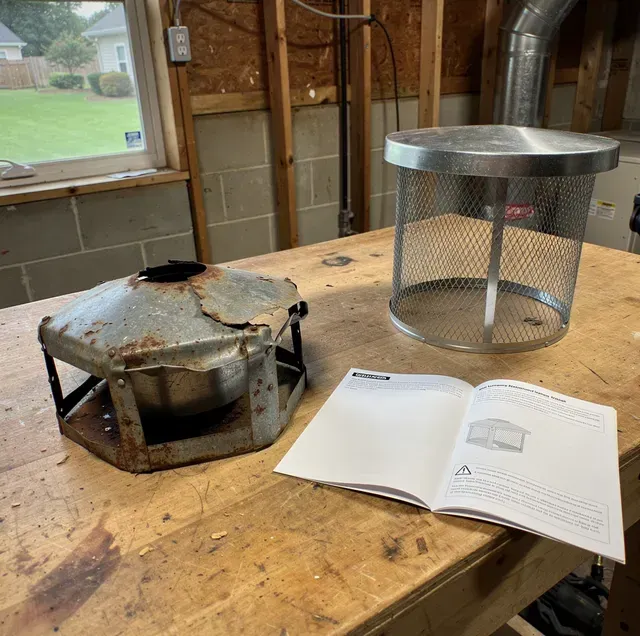
Two metal stove parts on a workbench beside an open instruction manual in a workshop.
September 2, 2026
Original cap discontinued, and a universal one lists the right diameter? See what a factory-built chimney's own literature says about swapping parts.
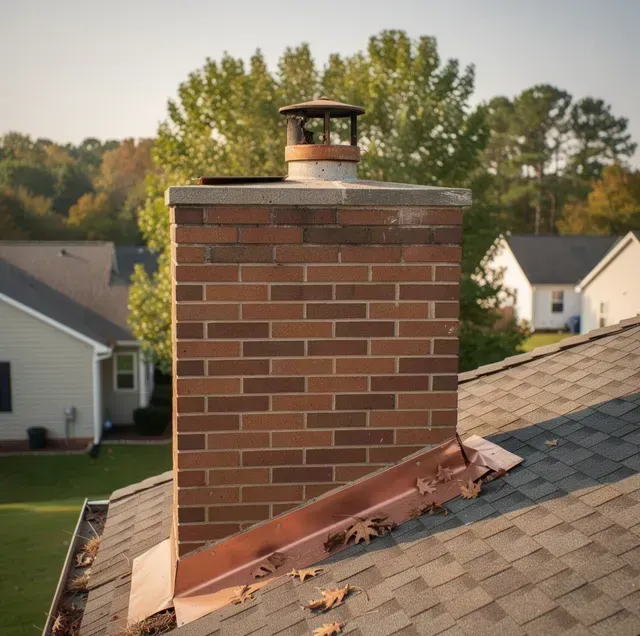
Brick chimney on a shingled roof with damaged flashing and scattered debris, houses and trees in background
September 2, 2026
Your chimney cap is gone and the flue sits open to the sky. See why a cap that held for years can leave in one gust, and what to do before the next rain.
Show More