What Causes a Chimney Fire? 4 Ways It Actually Starts
| Factor | Older/historic masonry | Modern masonry |
|---|---|---|
| Mortar binder | Lime-based, low or no Portland cement | Portland-cement-based, harder curing |
| Mortar flexibility | Softer, some self-healing of hairline cracks | Rigid once cured, cracks stay cracked |
| Brick type | Handmade or soft-mud, lower fire temperature | Extruded, wire-cut, higher fire temperature |
| Brick porosity | More absorbent, prone to spalling | Denser, less water uptake |
| Typical liner status | Often unlined, undersized, or original clay tile | Liner sized and installed to current standards |
| Repair priority | Match mortar chemistry, not just color | Standard modern mortar mixes generally compatible |
| Common failure pattern | Brick face spalling; joint self-healing can mask real deterioration | Joint cracking tends to precede brick damage |
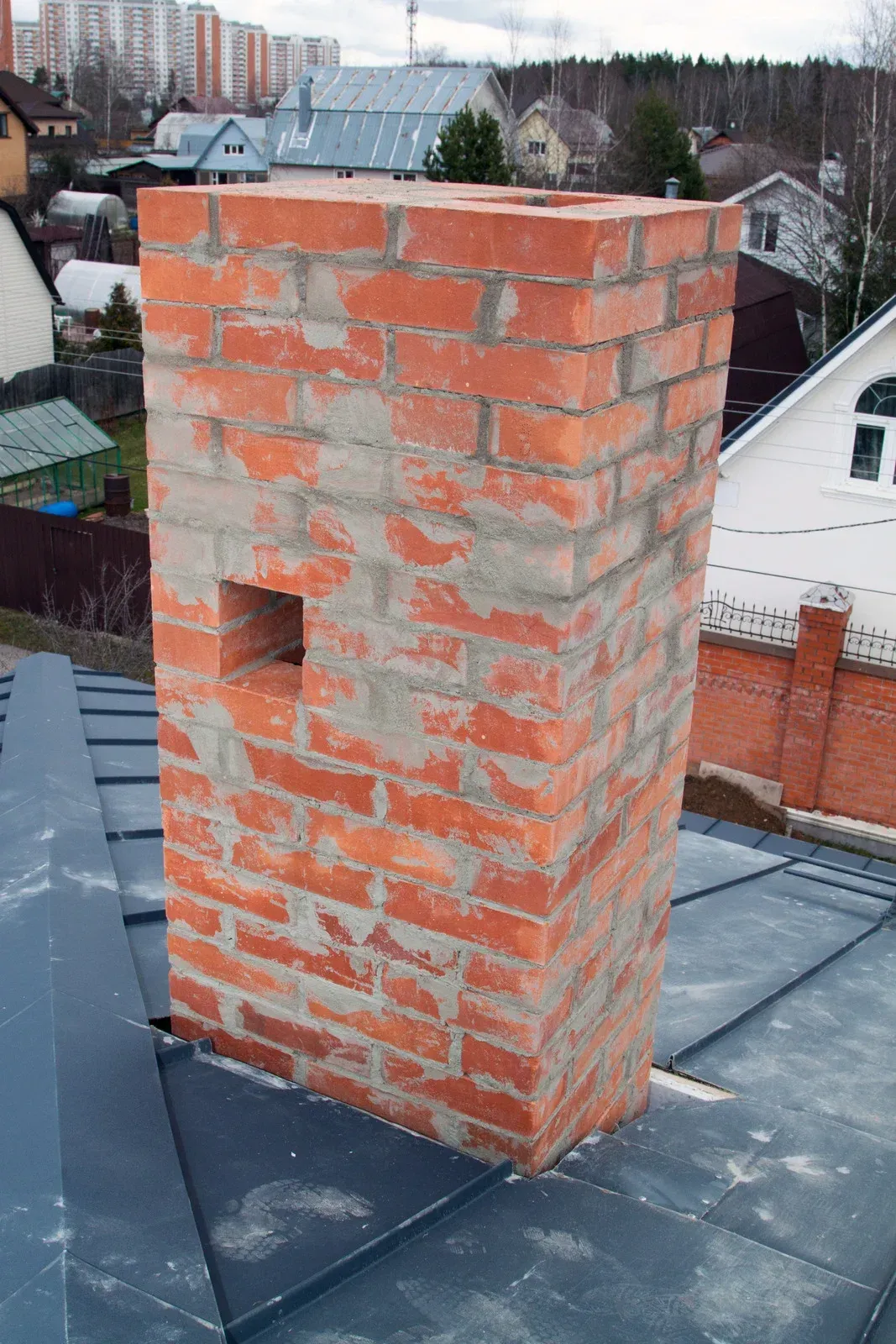
Older chimneys were often built on shallower footings than current standards call for, and after decades of ground movement and the chimney's own weight, some settling is common: a slight lean, a visible gap where the chimney meets the roofline, or a stair-step crack pattern following the mortar joints diagonally. A small, stable lean or an old, dormant crack isn't automatically an emergency, but telling "old and stable" from "active and worsening" benefits from a hands-on inspection rather than a guess from the ground.
A technician can often get a first read on mortar type without lab testing. Dragging a metal key or nail across a joint that leaves a visible scratch and a little powder points toward a softer, lime-rich mix, while a joint that resists scratching and holds a sharp edge points toward a harder, Portland-heavy mix. This test doesn't replace a proper inspection or lab analysis of the actual composition, but it's a useful first check before assuming a chimney can be treated like standard modern construction.
The damper is the movable plate that opens and closes the path between the firebox and the flue above it. Traditional dampers are a hinged metal flap mounted at the throat, right in front of the smoke shelf at essentially the same level; newer systems often use a top-mount damper instead, a sealing plate at the very top of the flue operated by a cable or lever from the firebox. The damper's job: it closes off the flue when there's no fire burning, so conditioned indoor air doesn't pour straight up the chimney, and it opens fully to let smoke and gases draft out when you do have a fire going. A damper that won't seat properly, whether warped, rusted, or coated in old creosote, wastes energy and can also affect how well a fireplace drafts once lit.
Hearth Extension
When a Post-Renovation Inspection Is (and Isn't) Warranted
The hearth extension, the noncombustible floor pad in front of the firebox opening, catches stray ash, bark, splinters, and the occasional ember that pops clear of the fire. A quick vacuum with a shop vac or a canister vacuum's brush attachment once a week during active burning keeps this debris from working into carpet fibers or wood flooring at the hearth's edge, and it's your chance to glance for embers that landed outside the firebox and cooled without your noticing. Check that logs, kindling, and any decorative items on the mantel or nearby furniture haven't crept closer to the opening than the several feet of clearance most fireplace manufacturers and fire-safety groups recommend as a baseline. This is also a good moment to make sure nothing- a rug corner, a stack of kindling, a pet bed- has migrated into that clearance zone since the last time you checked.
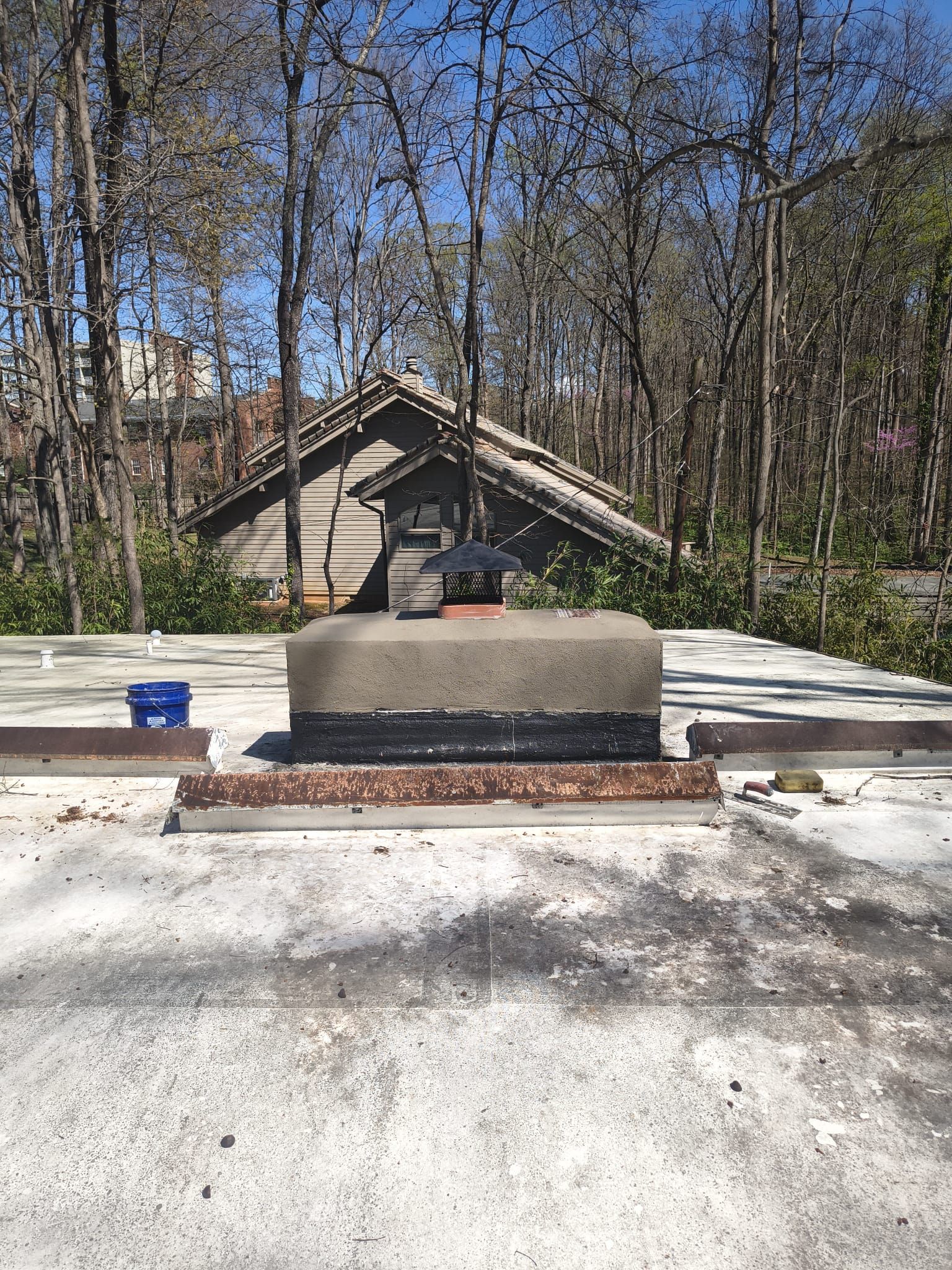
Waterproofing is a preventive and protective treatment for masonry that's fundamentally in good shape but exposed to the elements, not a repair for masonry that's already showing damage. If the brick or mortar has visible deterioration such as spalling, crumbling joints, or a cracked crown, that damage needs to be addressed on its own terms before waterproofing goes on top of it, since sealing over a compromised surface just locks moisture problems in rather than out. Once repairs are handled, waterproofing is a reasonable next step for extending the life of the masonry and reducing how much water it absorbs going forward, particularly on a chimney with no roof overhang or nearby shelter shielding it from direct weather. It's also a sensible addition anytime a chimney gets rebuilt or has significant tuckpointing done, since new mortar is at its most porous in the first year or two.
Reading Your Results
| Red Flag | What a Legitimate Technician Does Instead |
|---|---|
| Rock-bottom advertised price, then "mandatory" add-ons once the tech is on-site | States the base price and what could change it before the appointment; add-ons are optional and explained, not sprung |
| Claims of imminent fire or CO danger with no proof | Shows photos or video tied to the specific finding, or explains it in plain language you can follow |
| Vague or evasive about certification and training | Names the certifying body (e.g., CSIA), can describe what the credential covers |
| No mention of insurance, no findable business address | Carries liability coverage and can provide proof if asked; operates from a verifiable business |
| Refuses to show camera footage or "you wouldn't understand it" | Walks you through findings, translating technical detail into plain terms |
| "This price is only good if you sign today" | Gives you time to think it over; urgency is reserved for genuine active hazards, not routine repairs |
| Unmarked vehicle, cash-only, no paperwork | Provides a written estimate or service report you can keep |
Checking a company's standing takes a few minutes and heads off most of the above. Look up online reviews for specific complaints, not just the star rating. Confirm the business has a physical address you can find, not just a phone number. Ask about certification and insurance before scheduling, not after a technician is in your driveway. If your state or municipality licenses chimney sweeps, that license number should be something the company provides without hesitation, and a short phone call asking directly usually tells you a lot from how readily it gets answered.
Set the red flags aside for a moment, because it helps to know what you're aiming for, not just what you're avoiding. A technician doing this job the right way walks you through the visit almost like a translator: here's what I found, here's what it means, here's what happens if it's left alone versus addressed. If a camera scan turns something up, you see the footage, or at minimum get a clear description tied to a specific location in the flue, not a vague reference to "damage up there." Recommendations get written down, often in a service report you keep, so you have a record to compare against next year rather than a verbal claim you have to just remember and trust.
Pricing is explained before work starts, and changes to that price come with a reason you can follow, not a mandatory bundle sprung mid-visit. And critically, nothing about the timeline pressures you into deciding on the spot. A technician confident in the finding doesn't need you to decide before he's back in the truck.
| Symptom | Likely Cause | What to Do |
|---|---|---|
| White, chalky staining on the brick | Efflorescence: water moving through porous masonry and leaving mineral deposits behind as it evaporates | Leak detection to find the entry point, then a breathable waterproofing treatment |
| Rust stains or flaking metal around the damper or firebox | Water reaching the damper assembly, firebox, or metal chimney components | Damper inspection and repair, plus a check of the cap and crown for openings |
| Crumbling, flaking, or pitted brick faces (spalling) | Repeated saturation, worsened by freeze-thaw cycling, pushing the brick's face apart from the inside | Masonry repair, or a partial to full rebuild in advanced cases |
| Cracks or erosion in the chimney crown | The concrete or mortar wash at the top of the stack has failed, letting rain track straight into the flue | Crown repair or replacement, paired with a properly fitted cap |
| Water stains on the ceiling or wall near the fireplace | Flashing where the chimney meets the roofline has separated, corroded, or was installed poorly | Leak detection to confirm the source, then flashing repair |
| A musty, damp smell from the fireplace, especially after rain | Trapped moisture in the flue liner, firebox, or smoke chamber that never fully dries out | A Level 2 inspection of the interior, plus waterproofing if the masonry is porous |
What Comes After the Inspection
Picture a fireplace that has worked perfectly for years in a single-story home. Then the family builds a second-story addition over the garage, and by the next time they light a fire, smoke rolls straight back into the living room. Nothing about the fireplace itself has changed: same firebox, same flue, same wood. What changed is the roof around it, and that turns out to be the whole problem.
This is a more common call than most homeowners expect, and it's a distinct mechanism from the usual list of drafting culprits. A cold flue, a depressurized house, a blocked chimney, and a stuck damper are all things that can go wrong inside the system. This is different: the chimney itself may be working exactly as designed, but the roofline around it no longer matches that design. Once you understand how a roof shape interacts with wind, it's clear why a two-story addition, a new wing, or even a home built with mismatched roof heights to begin with can quietly sabotage a chimney that used to draft fine.
Creosote Has to Reach an Ignition Threshold, Not Just Exist
A chimney doesn't draft in isolation. It drafts into whatever air is actually sitting at its opening, and that air is shaped by everything nearby: the roof pitch, the ridge line, dormers, and any taller structure within roughly the chimney's own height in distance. When wind hits a roof, it doesn't flow over the surface in a smooth sheet. It separates at the ridge or at any sharp edge, the same way water breaks into eddies behind a rock in a stream, and behind that separation point sits a pocket of slower, rotating, unpredictable air. Building scientists and chimney technicians both refer to this as the turbulent wake or the eddy zone, and a chimney sitting inside it isn't in clean, steadily moving air anymore. It's sitting in air that's swirling and periodically reversing direction.
That distinction matters because a chimney's draft depends on a consistent pressure difference from the base of the flue to the top. Clean air moving steadily across the top of a chimney actually helps draft, in the same way air moving across the top of a bottle can pull air out Every time wood burns, it releases gases and unburned particles that don't fully combust, especially when the fire is smoldering, oxygen-starved, or burning cooler than it should. Those byproducts rise with the flue gases, cool as they hit the relatively colder chimney walls, and condense into a coating on the interior of the flue. That coating is creosote, and it builds in recognizable stages.
Stage one, soot: a light, flaky, black layer that brushes off easily and is what a routine sweep clears out before it becomes a problem.
Stage two, a thicker flaky-to-tarry layer: starts to bubble or crust, holds more volume per square inch of flue wall, and no longer comes off with a light brushing.
Stage three, glazed creosote: a hard, shiny, tar-like buildup that forms when stage two gets reheated repeatedly without being removed. This is the stage that actually sustains a chimney fire once it ignites, because it burns hot, dense, and slow, sometimes for hours, rather than flashing and dying out.
Creosote doesn't need direct flame contact to ignite. Flue gas temperatures climbing to somewhere around 450 to 500 degrees Fahrenheit are generally enough to set a substantial buildup burning on their own, which is one reason a fire that "wasn't that big" can still start one: the ignition point is about sustained heat in the flue, not about how large the visible flames in the firebox look. Once glazed creosote catches, it can burn quietly for a long stretch or flare violently enough to roar and rattle the chimney, but diagnosing which one happened after the fact is a separate question from what starts it in the first place.
of it. Turbulent, recirculating air does the opposite: it creates moments of downward pressure at the flue opening, pushing exhaust back down instead of letting it escape. A chimney can be perfectly sized, perfectly clean, and still smoke intermittently if its top sits inside that wake instead of above it.
An Unmaintained Flue Is a Year-Round Risk, Not Just a Winter One
It's tempting to file chimney fires under "cold weather problem," and there's a real reason for that: heavy wood-burning season is when creosote accumulates fastest, simply because the fireplace or stove is running more hours per week. But the risk doesn't reset when the season changes. A flue that went unswept through a full winter carries that buildup into spring, and a fire lit on a cool April evening or a chilly October weekend meets the exact same glazed layer a January fire would. Chimney fires get reported in every season a fireplace gets used, because the trigger is accumulated fuel and flue temperature, not the calendar. An unmaintained flue is a standing hazard the moment enough creosote has built up, whenever that happens to be.
Insufficient Clearance Lets Heat Reach What It Shouldn't
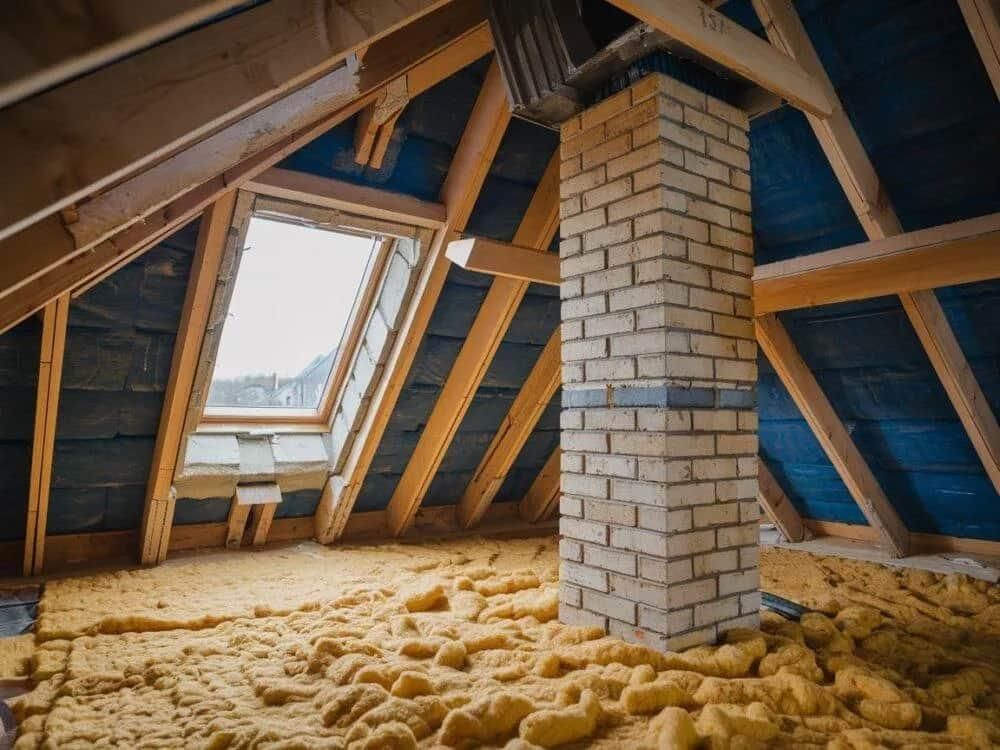
A working chimney generates real heat, and the system is built to keep that heat contained and away from combustible materials, framing lumber, roof sheathing, insulation, and anything else in the surrounding structure. When a flue or chimney chase sits too close to that kind of material, whether from an older home built to looser standards, an insulation upgrade in an attic that packed material against a chimney chase, or a liner that's undersized or damaged and no longer isolating heat the way it should, sustained high flue temperatures can transfer into nearby wood framing over time. That's a separate ignition pathway from creosote catching fire inside the flue itself: it's heat migrating outward through or around the chimney into the structure. A liner in good condition with proper clearance to combustibles is what keeps chimney heat where it belongs, inside the flue, rather than slowly cooking the framing next to it.
Unseasoned Wood Feeds the Same Problem From the Inside
Freshly cut or "green" wood carries a high moisture content, and burning it forces a fire to spend a chunk of its energy boiling off water before it can combust efficiently. That produces a cooler, smokier, less complete burn, exactly the conditions that generate creosote fastest. Wood that's been properly seasoned, split, stacked, and dried for roughly six months to a year depending on species and climate, burns hotter and cleaner, with less unburned residue riding the smoke up into the flue. A moisture meter reading under about 20 percent is the general benchmark tradespeople use to call a piece of firewood ready to burn. Burning unseasoned wood all season is one of the most direct ways a household accelerates its own creosote buildup, independent of how often the chimney gets swept.
Restricted Airflow Makes Flue Temperatures Unpredictable
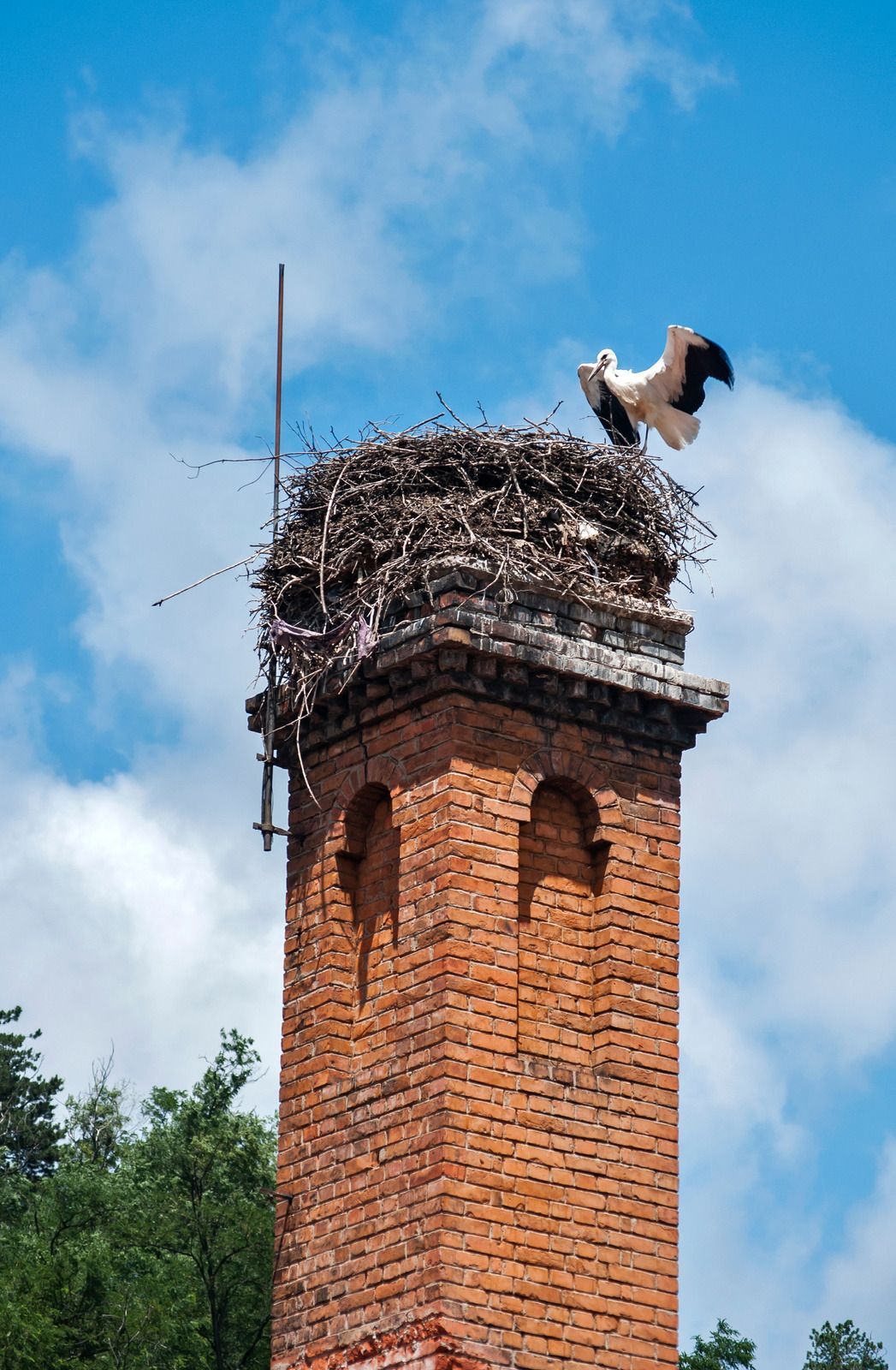
A fire needs a steady, adequate air supply to burn completely. When airflow through the system is restricted by a damper that isn't opening fully, a chimney cap partially blocked by debris or a nest, or a flue narrowed by its own creosote buildup, the fire inside often burns cooler and smokier than it looks like it should, again pushing more unburned particulate into the flue as creosote. The unpredictable part comes in when that restriction changes mid-burn: a damper adjusted, a gust clearing a partial blockage, or a fire that finally catches after smoldering can send flue gas temperatures spiking quickly through a flue that's already coated. That swing from a cool, creosote-building burn to a sudden hot spike is a common setup for ignition, and it's part of why "the fire wasn't that big" isn't a reliable read on chimney fire risk. Airflow problems and creosote buildup tend to reinforce each other rather than acting as separate issues.
What Actually Stops Ignition Before It Starts
None of these mechanisms require guesswork to manage, and none of them require you to change how you use your fireplace beyond a few habits.
Annual sweeping and inspection remove creosote before it reaches the glazed, self-sustaining stage. Most chimney professionals treat roughly an eighth of an inch of buildup as the point where cleaning becomes a safety issue rather than routine housekeeping, and a Level 1 inspection during that same visit checks the liner, damper, and readily accessible parts of the flue for the clearance and condition issues that create a second ignition pathway.
Burning only seasoned, properly dried wood keeps combustion efficient and cuts creosote production at the source, rather than managing it after the fact.
Keeping air supply adequate and consistent, fully opening the damper, keeping the flue opening clear and properly capped, and not restricting airflow to "make the fire last longer" keeps flue temperatures in a predictable range instead of swinging between smoldering and spiking.
Put those three together, and you've addressed every mechanism above: less fuel accumulating, less heat migrating into places it shouldn't, and a burn that stays in a stable temperature range instead of lurching toward the threshold that sets creosote off.
Frequently Asked Questions
Can burning cardboard, wrapping paper, or a wax fire-starter cause a chimney fire?
Indirectly, yes. Cardboard and glossy wrapping paper burn fast and hot, throwing more sparks and lofting lightweight burning debris higher into the flue than a normal wood fire does, and that debris can ignite a creosote layer that a slower-burning log fire wouldn't have reached. Wax-based fire starters aren't the problem on their own, but tossing large amounts of any fast-burning material onto an already-hot fire produces the same kind of heat spike described above, and it's one of the more preventable ways people accidentally trigger ignition in an already-coated flue.
Does burning trash, pine needles, or construction scrap raise the risk?
Yes, more than most people expect. Treated or painted wood scrap, pine needles and evergreen boughs, and household trash all burn differently than seasoned firewood: they tend to combust faster and cooler than a proper log fire, which is exactly the incomplete-combustion pattern that deposits creosote fastest, and some materials also release resin or chemical residue that can affect how evenly that layer builds along the flue wall. None of it belongs in a wood-burning fireplace or stove.
How much creosote buildup is actually dangerous?
Chimney professionals generally use about an eighth of an inch as the threshold where buildup starts narrowing airflow and becomes a genuine fire-safety concern, measured during an inspection rather than estimated by eye from the firebox. Glazed, stage-three creosote is treated as higher risk than the same thickness of flaky stage-one soot, because the glazed form burns hotter and longer once it ignites.
If I only use my fireplace a few times a year, do I still need an annual sweep?
Yes, and for a specific reason: infrequent, cooler fires are actually more prone to incomplete combustion than a fireplace run regularly and allowed to burn hot, which means light use doesn't guarantee light creosote buildup. A flue can also pick up nest material, leaves, or storm debris between uses regardless of how often the fireplace itself is lit, and that debris is a separate blockage risk from creosote.
What's the difference between seasoned wood and kiln-dried wood?
Seasoned wood is air-dried outdoors, typically split and stacked under cover for six months to a year depending on species. Kiln-dried wood is dried in a controlled heat chamber over a much shorter period and often reaches a lower, more consistent moisture content than air-seasoning alone achieves. Both are acceptable for burning as long as the moisture content is low; what matters is the final moisture reading, not which drying method got there.
Does the type of wood species affect chimney fire risk?
Yes, indirectly. Softwoods like pine burn faster and hotter initially but produce more resin and can deposit creosote quickly if burned unseasoned, while denser hardwoods like oak or hickory burn longer and more steadily once properly dried. The bigger factor by far is moisture content at the time of burning; a well-seasoned softwood burns cleaner than a green hardwood, and species matters less than dryness.
Chimney fires aren't random bad luck, and they aren't caused by one single mistake. They're the result of a buildup that had time to reach a dangerous stage, heat that had somewhere unsafe to go, or a burn that stayed too cool for too long, sometimes all three at once. Catching any one of those before it compounds is what an annual inspection and a little attention to what and how you burn are actually for.
Schedule your annual chimney inspection and cleaning — clear the creosote before it reaches a dangerous stage. Perfect Chimney Cleaning serves Greensboro, High Point, and Winston-Salem. Call (336) 604-6711.
Recent Posts