July 12, 2026

Chimney Looks Fine? Why Annual Maintenance Still Matters

When you're deciding whether your chimney actually needs attention this year, most homeowners ask themselves the wrong question. They stand at the hearth, look up into the firebox, see solid brick and a damper that still swings open and shut, and conclude nothing's wrong. That test feels reasonable, but it isn't measuring what actually fails on a chimney system. The parts that cause the failures that actually take a chimney out of service- a crown hairline crack, a liner joint that's shifted out of alignment, creosote building past the safe threshold, mortar that's lost its bond a few courses down- are either above eye level, inside the flue, or below the visible surface entirely. "It still looks fine" tells you the chimney hasn't collapsed. It tells you almost nothing about whether it's sound.


That's the actual decision framework worth using: not "does this look okay," but "has this been checked by someone who can see the parts I can't." Annual maintenance exists to answer that second question every single year, whether you burned twenty fires last winter or none at all. Here's what that visit actually consists of, why skipping it lets small problems compound into structural ones, and why the climate mechanisms at work don't take a season off.

What "Annual Maintenance" Actually Means

The phrase gets used loosely, so it helps to separate it into the four things a proper annual visit actually does. Each one checks for a different failure mode, and none of them substitutes for the others.

  • The sweep: clears creosote and soot from the flue interior. Creosote is the byproduct of wood combustion that condenses on cooler flue walls as the smoke rises, and it builds in stages, from a light dusty coating up through a sticky tar-like layer to a hardened, glazed form that's much harder to remove and more flammable when it does ignite. Most chimney professionals treat roughly an eighth of an inch of buildup as the point where a sweep becomes necessary rather than optional, and that threshold isn't tied to how many fires you burned, since even a handful of fires with damp or unseasoned wood can deposit more creosote than a full season of dry, well-seasoned hardwood.
  • The Level 1 inspection covers the readily accessible parts of the system, the firebox, the damper, the smoke chamber, and as much of the flue as a technician can see and reach from the top and the bottom, usually with a flashlight and mirror or a video scan. It's looking for cracked or spalling brick, deteriorating mortar joints, creosote deposits, and obvious blockages like nesting material or debris.
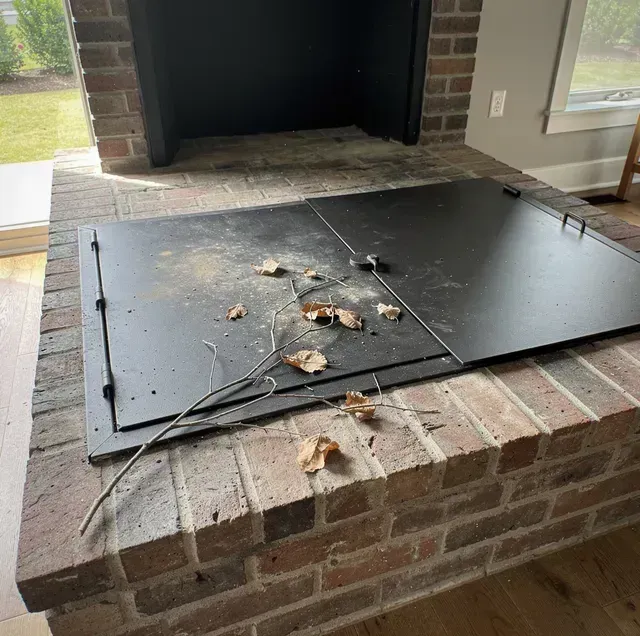
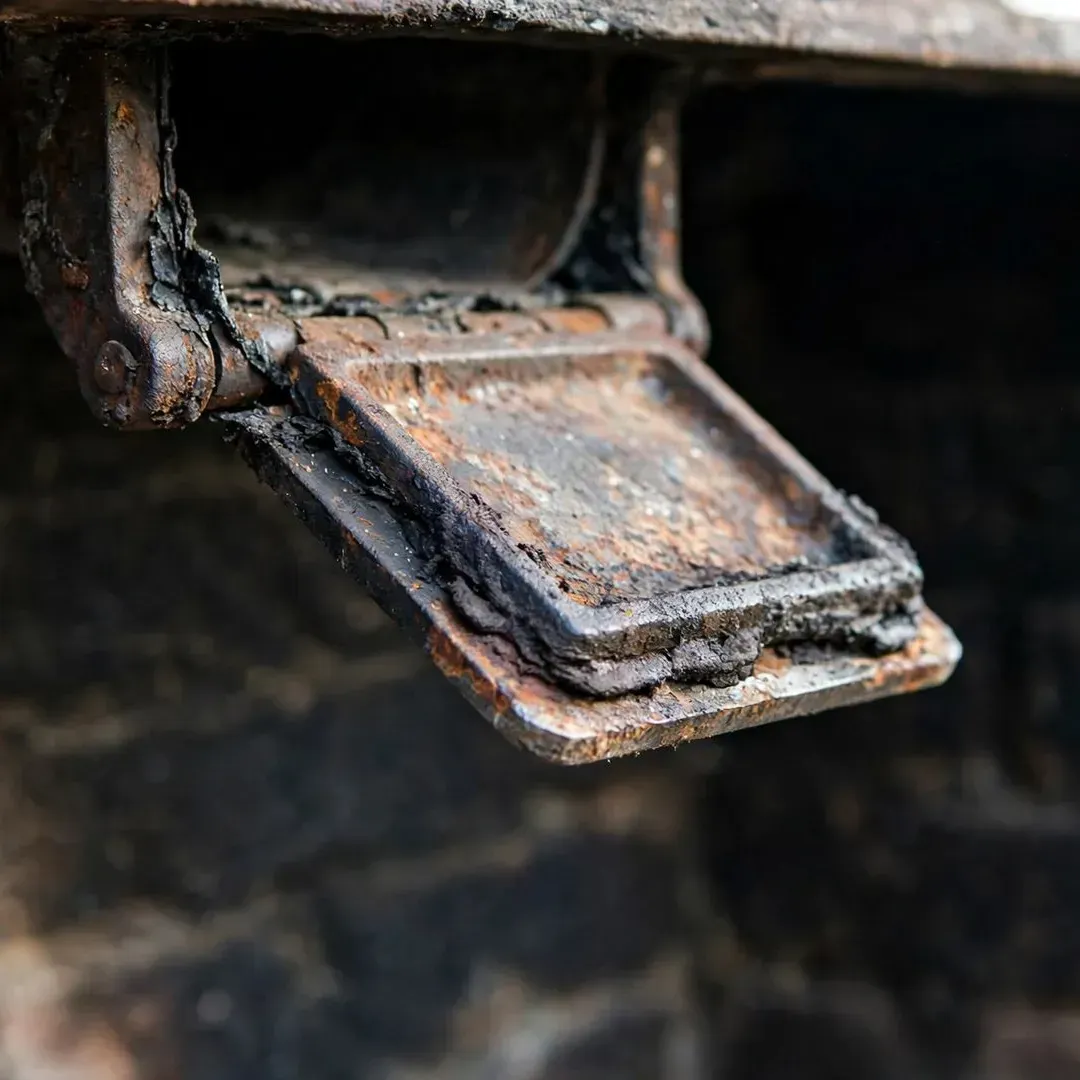
  • The damper check confirms the damper opens fully, closes fully, and seals reasonably well when shut. A damper that's rusted, warped, or coated in old creosote can stick partway, which either lets conditioned air leak up the flue year-round or restricts airflow enough to cause smoking. Damper plates and their hinges corrode from repeated exposure to combustion moisture and outdoor humidity, and that corrosion happens whether or not you're actively burning fires.
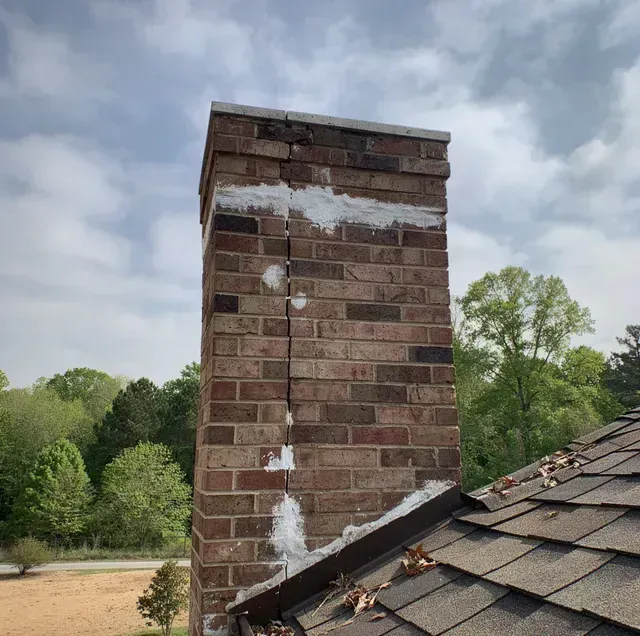
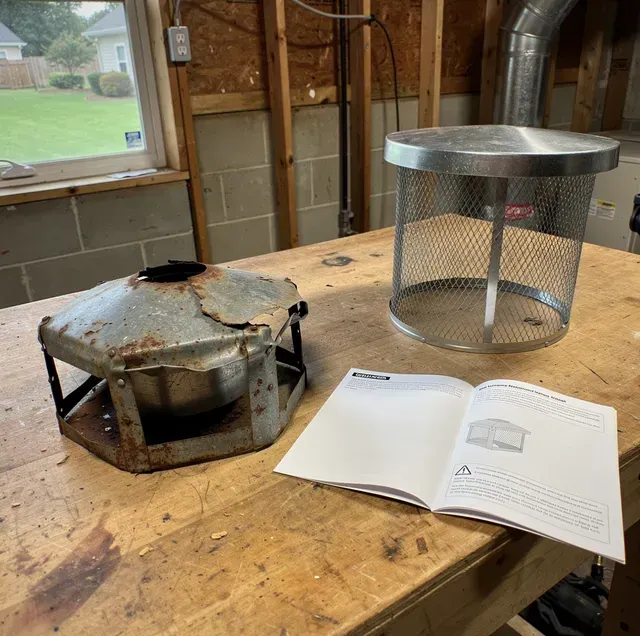
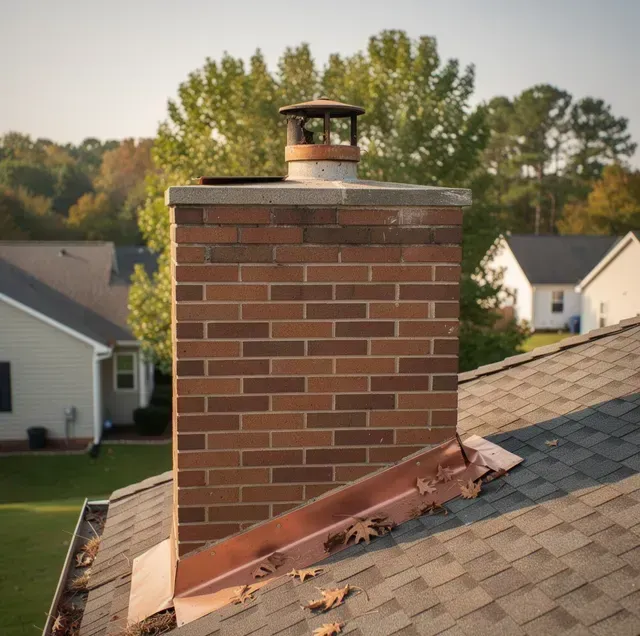
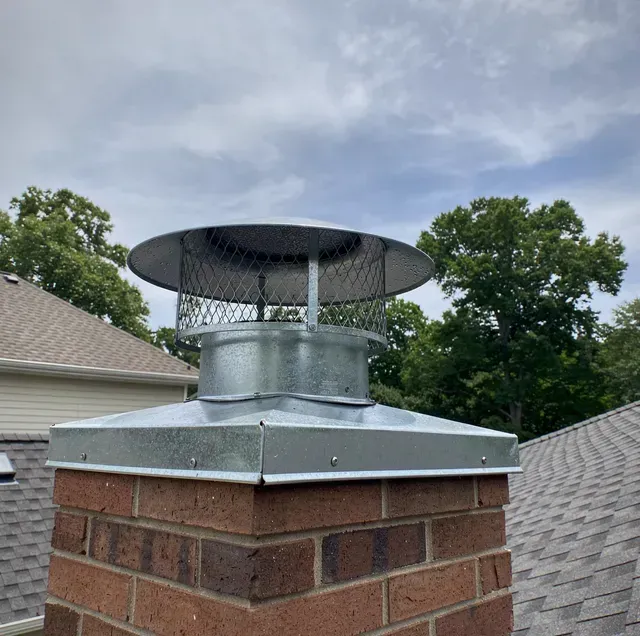
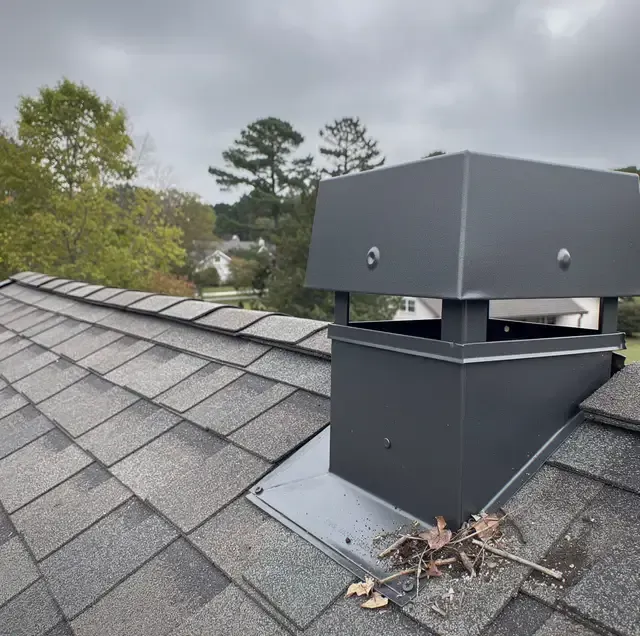
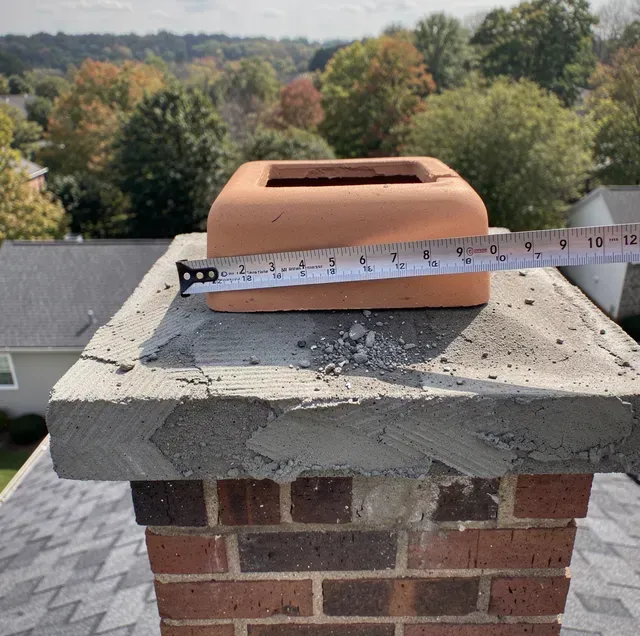
  • The cap and crown check looks at the two components most exposed to weather. The crown is the sloped concrete or mortar cap that sheds water off the top of the masonry stack, and it's also the part most prone to hairline cracking from repeated expansion and contraction. The cap sits above the crown and keeps rain, snowmelt, and animals out of the flue opening; a technician checks that the mesh isn't rusted through, that the cap is still mounted securely, and that it hasn't been dented or knocked loose by wind or a fallen branch.

The table below lays out what each piece is actually checking for and what happens when it's skipped.

Maintenance Component What It's Checking What Gets Missed If Skipped
Sweep Creosote thickness and flue clearance Buildup crosses the flammable threshold unnoticed
Level 1 Inspection Cracked brick, mortar wear, blockages, liner condition A liner gap or spalling brick goes unaddressed until it's a bigger repair
Damper Check Full open/close range, seal quality, corrosion A stuck or leaking damper wastes conditioned air or restricts draft
Cap and Crown Check Water shedding, mesh integrity, secure mounting Rain and animals get into the flue for another full season

Why "How Much You Used It" Isn't the Right Measuring Stick

A common assumption is that a fireplace burned rarely needs less attention than one used every cold snap. Usage matters for creosote volume, but it's only one input among several, and most of the other inputs run on their own clock regardless of how the damper handle gets used.


An uncapped or damaged-cap flue is an open invitation for birds and squirrels, and a chimney that sat completely unused all year is just as attractive a nesting spot, sometimes more so, since there's no smoke or heat to discourage them. A nest built in spring and left through summer doesn't just block airflow; the accumulated debris and animal waste can become a fire hazard the next time the flue is used, and removing it properly (rather than just knocking it loose down the flue) is its own task a technician handles during the inspection.


Water doesn't check the burn log either. Masonry is porous, and every rainstorm that hits an exposed chimney stack drives moisture into the brick and mortar whether or not a single log was ever lit inside it. That moisture cycle, repeated across the wet stretches of the year, is what eventually shows up as efflorescence, the white chalky mineral deposits that bloom on brick surfaces as water evaporates and leaves salts behind. Efflorescence itself is mostly cosmetic, but it's a visible signal that water is getting into masonry that's supposed to stay dry, and the underlying moisture intrusion is what erodes mortar joints and corrodes metal components over years, not one burn season.


Liner and mortar wear are cumulative, too. A clay tile liner with hairline cracks doesn't announce itself; it fails a little more with each freeze-thaw cycle and each rain event, and the gap between "slightly compromised" and "needs a full reline" is exactly the kind of thing an annual Level 1 inspection is built to catch early, while it's still a smaller fix.

The Climate Case: Two Forces, Not One Season

It's tempting to frame chimney maintenance around winter, since that's when the fireplace gets used. But the masonry stack outside your roofline is exposed to weather every day of the year, and two separate mechanisms are working against it on different schedules.


During the colder stretches, water that's already absorbed into brick and mortar freezes and expands, then thaws and contracts, over and over through a cold season's swings. That freeze-thaw cycling is one of the most reliable ways masonry cracks and spalls, because expanding ice inside a pore or a hairline fissure exerts enough pressure to widen it a little more each time. It doesn't take a hard freeze to matter; a series of nights that dip below freezing and days that climb back above it does more cumulative damage than one prolonged cold snap, because the material is cycling repeatedly rather than just sitting cold.


During the warmer, wetter stretches, whether that's a rainy spring, a humid summer, or a soggy fall, the mechanism flips from freeze pressure to straight absorption. Porous brick and aging mortar soak up rainwater like a sponge, and without a sound crown, a tight cap, and intact flashing where the chimney meets the roofline, that water finds its way into the structure faster than it can evaporate back out. The result is the same family of problems: mortar erosion, efflorescence, staining on interior ceilings near the chimney chase, corroded firebox components, just arriving by a different route. Both mechanisms carry real weight; treating one as background noise and the other as the main event misses how they compound against the same masonry from opposite directions across a full year, which is exactly why a maintenance check tied to a single season misses half the picture. An annual visit, timed once a year rather than once per weather event, is what actually keeps pace with both.

What Skipping a Year Actually Sets in Motion

None of these failure points is dramatic in year one. A hairline crown crack doesn't leak much the first season. A slightly loose cap mesh doesn't look any different from a secure one at a glance. An eighth of an inch of creosote isn't visibly different from a sixteenth. The risk isn't any single skipped year; it's that these are all cumulative processes, and each one compounds quietly while the fireplace still looks completely normal from where you're standing.


A crown crack that goes unsealed for two or three seasons widens with each freeze-thaw cycle until it's routing water directly into the chimney's core, at which point the fix moves from a sealant application to a crown rebuild. A cap that's been quietly rusting through goes from "still keeping most rain and animals out" to "not keeping much out at all" somewhere in that gap, and there's rarely a clear moment where you'd notice the shift. Creosote that isn't swept doesn't stop accumulating just because last year's buildup wasn't a problem; it layers on top of what's already there.


None of this requires you to track any of it yourself. That's the actual point of putting the sweep, the inspection, the damper check, and the cap and crown check on the same annual schedule: it catches whichever of these processes has advanced the furthest since the last visit, before any one of them turns into a bigger job than it needed to be.

Frequently Asked Questions

  • How often should a chimney actually be swept if I only use the fireplace a few times a year?

    Once a year, on the same schedule as the inspection. A sweep also clears the smoke shelf, the small ledge just above the damper where debris and creosote collect out of sight and a simple brush pass up the flue doesn't reach, and by the time creosote has hardened into its glazed, stage-three form it usually needs a chemical softening treatment applied before brushing does any good, not brushing alone. Skipping years doesn't reduce that work; it just lets more of the flue reach that harder-to-clear stage before anyone deals with it.

  • What's the difference between a Level 1 and Level 2 inspection, and do I need the more thorough one every year?

    A routine annual visit uses a Level 1 scope. A Level 2 adds a full video camera scan down the entire length of the flue and is specifically recommended after a chimney fire, a significant storm, an appliance or fuel-type change, or ahead of a home sale, since those events can hide damage, like a shifted liner joint or a cracked tile, well outside a Level 1's line of sight. It isn't an annual default; a technician calls for it when one of those triggers applies, not as a routine upgrade.

  • Can a chimney cap really keep animals out entirely, or do determined animals get through anyway?

    A properly fitted cap with heavy-gauge stainless steel mesh and secure mounting hardware keeps out nearly everything, but a lightweight or ill-fitting cap can be pried loose by a raccoon or chewed through by a squirrel over time. Part of the annual cap check is confirming the mounting screws are still tight and the mesh hasn't been bent or torn, since a cap that looks intact from the ground can have a corner worked loose.

  • My chimney crown looks solid from the ground. How would a technician find a hairline crack I can't see?

    Technicians get close enough to run a hand across the crown surface and check for a rough, uneven texture that signals surface deterioration. They look at how water is pooling or draining rather than just the color of the concrete. A crack too fine to see from twenty feet on the ground is often easy to feel by hand or catch with a close visual pass, especially near the edges where the crown overhangs the brick.

  • If my mortar joints look fine, why would a technician still recommend repointing?

    In many cases, mortar erodes from the inside of the joint outward, so the surface can still look flush while the joint has lost depth and bonding strength beneath it. A technician checks joint depth with a probe rather than relying on a visual pass alone, since a joint that looks a quarter-inch deep from the ground can test soft or hollow once probed, particularly on the weather-facing side of the stack.

  • Does the fireplace need to be inspected even if I never actually build a fire in it?

    Yes. A chimney that shares a flue with a water heater or furnace can have its draft thrown off by a change in how the OTHER appliance vents, even if the fireplace itself never gets lit, since both are pulling on the same shared path. A damper left shut and untouched for a year can also corrode or seize in place, becoming its own repair the first time anyone actually wants to use the fireplace. Neither of those has anything to do with how many fires got burned; an unused chimney is still an open path from outside to in.

Annual maintenance isn't a box to check off before wood-burning weather starts; it's the one habit that catches whichever failure point- a hairline crown crack, a loosened cap, a mortar joint losing depth- has advanced the furthest since last year, while it's still a small fix instead of a big one. The chimney that gets swept, inspected, and checked every single year, whether it burned constantly or sat quiet, is the one that keeps performing exactly the way it looks like it should.

Schedule your annual chimney maintenance visit — get a CSIA-certified technician's eyes on the parts you can't see from the hearth. Perfect Chimney Cleaning serves Greensboro, High Point, and Winston-Salem. Call (336) 604-6711.

Recent Posts

August 8, 2026
Smoky, slow fires coat your flue in creosote. Learn the wood, airflow, and build tricks that keep a fire hot, clean, and safer to run.
Close-up of a weathered brick wall with cracked, crumbling mortar and damaged bricks.
August 1, 2026
A chimney cap is the small screen at the top of your flue. See the four things it keeps out of your home and how to tell when yours has failed.
Brick fireplace with glowing embers and wisps of smoke rising from burning logs
July 30, 2026
Smoke rolling into your living room instead of up the chimney points to a draft or pressure problem. Learn the seven causes and how to fix each one.
Close-up of a charred, cracked tunnel floor with soot-covered debris and light at the far end
July 27, 2026
Wondering what that black crust in your chimney is? Learn how creosote forms, its three stages, why it ignites, and how to keep buildup in check.
Broken brick chimney with a damaged metal cap against a cloudy sky
July 24, 2026
Cracked mortar or a sharp burnt smell after a storm can mean a strike hit your chimney. See the damage patterns and why an inspection matters.
Top view of a metal chimney or pipe opening surrounded by cracked concrete and terracotta tiles
July 14, 2026
Not sure what a chimney liner does or whether yours is failing? Learn what the flue liner protects, the three common types, and the warning signs to watch.
Close-up of a brick tunnel interior with a dark metal chute overhead and sunlight at the far end
July 18, 2026
Booking a chimney inspection and unsure what they look at? See what gets checked, the three inspection levels, and which one your situation calls for.
Clogged dryer vent hose with lint buildup in a laundry room
July 15, 2026
Clothes drying slower, a hot laundry room, or a burning smell? Learn the warning signs of a clogged dryer vent before lint turns into a house fire.
Close-up of a weathered red brick column with dark wooden beams and graffiti marks
July 9, 2026
A musty smell near the fireplace can mean more than a wet flue. See where chimney-leak mold actually grows and what stops it early.
Modern gas fireplace with bright flames in a brick wall, with a small control panel nearby
July 6, 2026
A flickering yellow pilot light or stale air near your fireplace can signal carbon monoxide behind a blocked chimney. Know the signs and when to evacuate.
Show More