July 9, 2026

Can a Leaking Chimney Cause Mold? What to Check First

Yes, a chimney leak can cause mold, and often somewhere you'd never think to check. No visible mold near the fireplace doesn't mean no mold problem, and that's the assumption that trips up a lot of homeowners: they check the brick, the firebox, maybe the ceiling directly below the chimney, see nothing dark or fuzzy, and conclude the leak is a masonry issue only. Mold doesn't work that way. It grows where moisture, a food source, and still air overlap, and a chimney leak rarely puts all three of those in a spot you'd think to look.

Where Chimney-Leak Mold Actually Grows

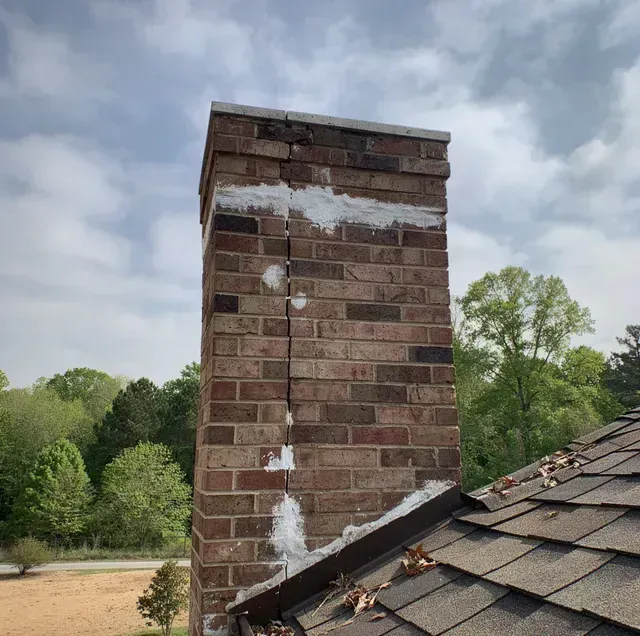
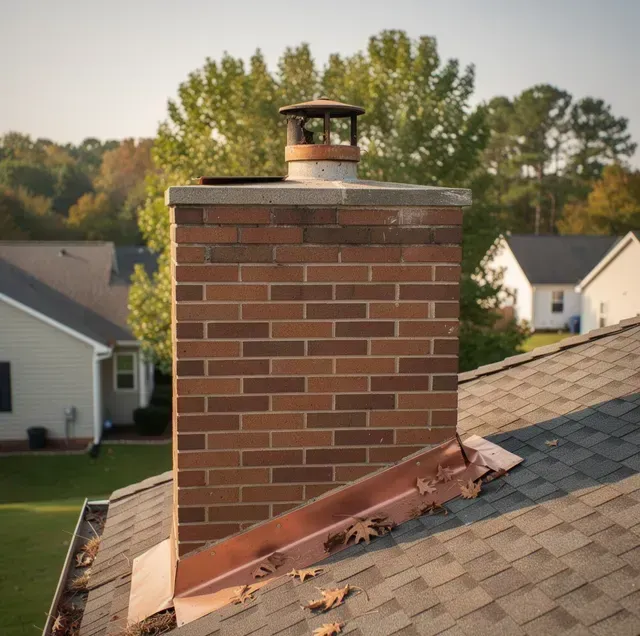
A chimney leak enters at the crown, the flashing, or a failed cap, but it doesn't stay where it enters. Water tracks down the outside of a flue liner, along framing members, or behind the drywall that was built up against the chimney chase, and it keeps moving until something stops it: a top plate, a stud bay, a layer of insulation. That's usually where it pools long enough to matter.


The places worth checking are the ones a homeowner walks past every day without a reason to look closely:

  • Inside the wall cavity next to the chimney: the drywall paper facing and any wood framing touching the masonry are both organic material mold can colonize, and none of it is visible from either side of a finished wall.
  • Attic insulation near the chimney chase: fiberglass batting or blown cellulose that sits against a leaking chase wall can stay damp for weeks after a single storm, especially in a poorly ventilated attic.
  • Ceiling drywall along the flashing line: the paper backing on the attic side of a ceiling can be growing mold well before a stain ever telegraphs through to the room below.
  • Framing members that touch the chimney chase: rafters, joists, and sheathing pressed against a chronically damp chimney wall hold moisture longer than open-air framing does, simply because airflow around them is restricted.


None of these are places a homeowner routinely inspects, which is exactly the problem. A quick glance at the fireplace and the ceiling directly overhead tells you almost nothing about what's happening two stud bays over.

Why a Chimney Leak Is a Particularly Good Setup for Hidden Mold

A burst supply line or an overflowing appliance gets noticed fast: water on the floor, a puddle, a wet carpet. A chimney leak is a different animal. It's frequently a slow, chronic seep, a small volume of water working its way in every time it rains, rather than a single dramatic event. That kind of leak can run for months inside a finished wall or an unfinished attic space with nothing outwardly wrong. The homeowner keeps living in the house, keeps using the fireplace, and has no reason to suspect anything until a smell shows up or a repair uncovers it.


The chronic nature is what makes it a good mold setup on two counts. First, mold doesn't need standing water; it needs sustained dampness, and a slow seep behind drywall or in attic insulation delivers exactly that, cycle after rain, for as long as the source goes unaddressed. Second, the moisture source keeps refeeding the problem. Unlike a one-time spill that dries out and stops contributing new moisture, an active chimney leak adds a fresh dose every time it rains, snow melts on the roof, or humidity climbs, which means any mold that starts growing has a renewable supply rather than a single, drying-out event to work with.


Think of it less like a puddle and more like a sponge tucked inside a wall that never fully wrings out between storms. Each rain adds a little more, the sponge never gets a chance to dry completely, and the moisture just sits there feeding whatever's growing on it.

Signals Worth Paying Attention To

None of these signs confirm mold on their own, and none of them are a substitute for professional testing, but they're worth noticing if they show up together, especially near the chimney chase or fireplace wall.


  • A musty smell near the chimney chase or fireplace, especially after rain: this is often the first and only sign for a while, since the source may be entirely inside a wall or attic cavity with no visible marker.
  • Visible discoloration on drywall or a ceiling near the chimney: yellowish, brownish, or grayish staining that appears gradually rather than all at once can point to moisture that's been sitting for a while, though staining alone doesn't confirm what's growing.
  • A family member with allergy-type symptoms that seem worse in one part of the house: some people report this kind of pattern in homes with hidden moisture problems, but symptoms like this have many possible causes and are not a diagnosis of anything specific. If this comes up, it's worth mentioning to a doctor and treating as one data point among several, not proof on its own.


Any one of these by itself could mean something unrelated to mold entirely. A cluster of them, especially paired with a known or suspected chimney leak, is a reasonable trigger to have both the chimney and the surrounding structure looked at.

Fixing the Leak Stops the Feed, Not the Mold Itself

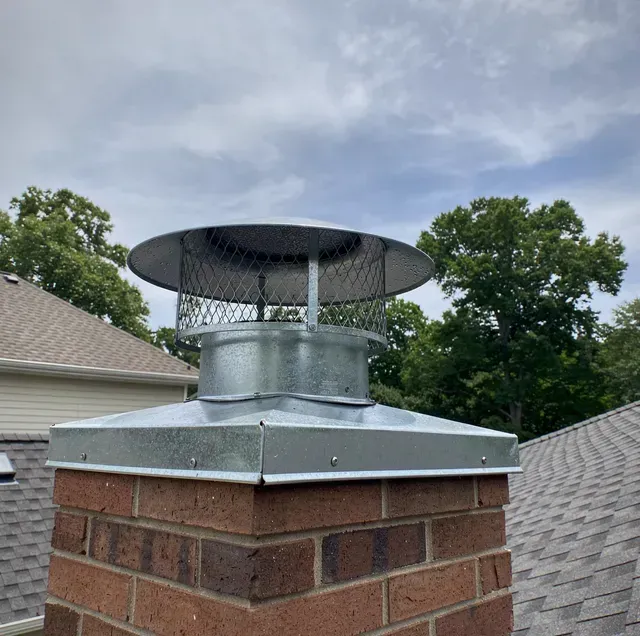
Here's the part that catches homeowners off guard after a chimney repair: sealing the crown, replacing the flashing, or adding waterproofing stops the water from getting in going forward, which is a necessary fix and closes the entry problem. It does not remove mold that has already colonized drywall, insulation, or framing. Mold doesn't need an active leak to persist once it has established itself. The residual moisture already trapped in those materials keeps feeding it while they slowly dry out on their own timeline, and by then the colony may already be established enough to persist on ambient humidity alone, long after the original leak is gone.


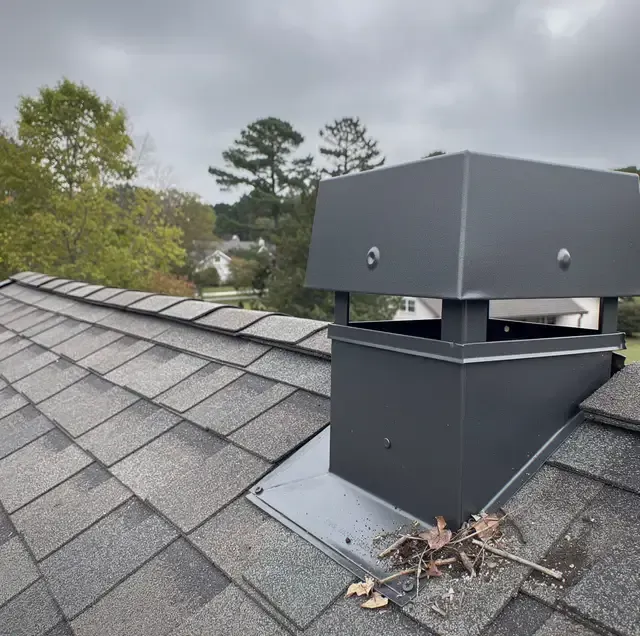
That's why chimney-leak repair and mold remediation are two separate jobs done by two different kinds of professionals. A chimney company's role is fixing the water-entry source, whether that's a cracked crown, failed flashing, a missing cap, or masonry that needs waterproofing, so the moisture stops arriving. Removing mold that has already grown, testing the air or surfaces to confirm what's present, and clearing affected material is a separate scope handled by a mold-remediation specialist. If there's any reason to suspect mold has already taken hold, both steps typically need to happen: close the entry point first, then bring in remediation to address what already grew.

Frequently Asked Questions

  • Where inside a wall does chimney-leak mold typically take hold first?

    The paper facing on the back of drywall is usually the first material to support visible growth, since the paper itself is a food source mold can colonize quickly once it's damp. Insulation batting pressed against a damp chase wall is a close second, particularly cellulose insulation, which absorbs and retains water more readily than fiberglass.

  • Can a chimney leak cause mold on the opposite side of the house from the fireplace?

    Yes, though it's less common. Moisture can wick sideways along top plates, rafters, and continuous framing runs before it ever reaches a spot you'd associate with the chimney, so staining or a musty smell in a room that shares an attic space with the chimney chase, even a room several feet away, can still trace back to the same leak.

  • How long does it take for a chronic chimney leak to actually grow mold?

    Under the right conditions- warm, humid, low-airflow- mold can begin colonizing a consistently wet surface within about 24 to 48 hours, though visible growth usually takes considerably longer to actually show. A slow seep behind drywall or in attic insulation typically takes weeks to a few months to reach visibly obvious growth, because the material has to stay damp long enough between rain events for that early colonization to establish and spread.

  • Does sealing the chimney leak get rid of a lingering musty smell?

    Not always right away. If mold has already established itself in insulation or framing before the leak was fixed, the smell can persist because the fix addressed the water source, not the material that's already affected. A smell that continues for more than a couple of weeks after a repair, especially one that seems to circulate through the HVAC system rather than staying localized, is a reason to have the affected cavity checked rather than assume it's air freshener territory.

  • Should a home be tested for mold before or after the chimney leak is repaired?

    Either order can work, but testing after the leak is fully sealed gives a cleaner read, since an active water source can throw off both surface swab results and air sampling by continuing to introduce moisture during the test window. A mold-remediation specialist can advise on sequencing for a specific situation, including whether a quick visual assessment before the repair is worth doing to plan the remediation scope.

  • Does attic insulation near the chimney chase need to be replaced after a leak is fixed?

    Often, yes, particularly if it's cellulose or has been wet more than once. Fiberglass batting can sometimes dry out and be reused if it wasn't wet for long and shows no visible growth, but cellulose insulation compacts and loses its insulating value once soaked, and both types should be evaluated by whoever handles the mold side of the repair rather than assumed fine just because the leak itself is fixed.

Mold that grows from a chimney leak is rarely where the leak entered, which is exactly why it's easy to miss for so long. Treat a musty smell or unexplained staining near the chimney chase as a reason to look closer, not a smell to ignore because the brick still looks fine.

Schedule a chimney leak inspection — find and fix the water-entry point before it feeds a bigger problem. Perfect Chimney Cleaning serves Greensboro, High Point, and Winston-Salem. Call (336) 604-6711.

Recent Posts

August 8, 2026
Smoky, slow fires coat your flue in creosote. Learn the wood, airflow, and build tricks that keep a fire hot, clean, and safer to run.
Close-up of a weathered brick wall with cracked, crumbling mortar and damaged bricks.
August 1, 2026
A chimney cap is the small screen at the top of your flue. See the four things it keeps out of your home and how to tell when yours has failed.
Brick fireplace with glowing embers and wisps of smoke rising from burning logs
July 30, 2026
Smoke rolling into your living room instead of up the chimney points to a draft or pressure problem. Learn the seven causes and how to fix each one.
Close-up of a charred, cracked tunnel floor with soot-covered debris and light at the far end
July 27, 2026
Wondering what that black crust in your chimney is? Learn how creosote forms, its three stages, why it ignites, and how to keep buildup in check.
Broken brick chimney with a damaged metal cap against a cloudy sky
July 24, 2026
Cracked mortar or a sharp burnt smell after a storm can mean a strike hit your chimney. See the damage patterns and why an inspection matters.
Top view of a metal chimney or pipe opening surrounded by cracked concrete and terracotta tiles
July 14, 2026
Not sure what a chimney liner does or whether yours is failing? Learn what the flue liner protects, the three common types, and the warning signs to watch.
Close-up of a brick tunnel interior with a dark metal chute overhead and sunlight at the far end
July 18, 2026
Booking a chimney inspection and unsure what they look at? See what gets checked, the three inspection levels, and which one your situation calls for.
Clogged dryer vent hose with lint buildup in a laundry room
July 15, 2026
Clothes drying slower, a hot laundry room, or a burning smell? Learn the warning signs of a clogged dryer vent before lint turns into a house fire.
Metal vent cap on a brick chimney against the sky.
July 12, 2026
A chimney that looks fine from the hearth can still hide damage a yearly visit catches early. See what a full annual check actually covers.
Modern gas fireplace with bright flames in a brick wall, with a small control panel nearby
July 6, 2026
A flickering yellow pilot light or stale air near your fireplace can signal carbon monoxide behind a blocked chimney. Know the signs and when to evacuate.
Show More