Chimney Drafting Poorly? The Real Causes (Not Fire Size)
| Factor | Older/historic masonry | Modern masonry |
|---|---|---|
| Mortar binder | Lime-based, low or no Portland cement | Portland-cement-based, harder curing |
| Mortar flexibility | Softer, some self-healing of hairline cracks | Rigid once cured, cracks stay cracked |
| Brick type | Handmade or soft-mud, lower fire temperature | Extruded, wire-cut, higher fire temperature |
| Brick porosity | More absorbent, prone to spalling | Denser, less water uptake |
| Typical liner status | Often unlined, undersized, or original clay tile | Liner sized and installed to current standards |
| Repair priority | Match mortar chemistry, not just color | Standard modern mortar mixes generally compatible |
| Common failure pattern | Brick face spalling; joint self-healing can mask real deterioration | Joint cracking tends to precede brick damage |
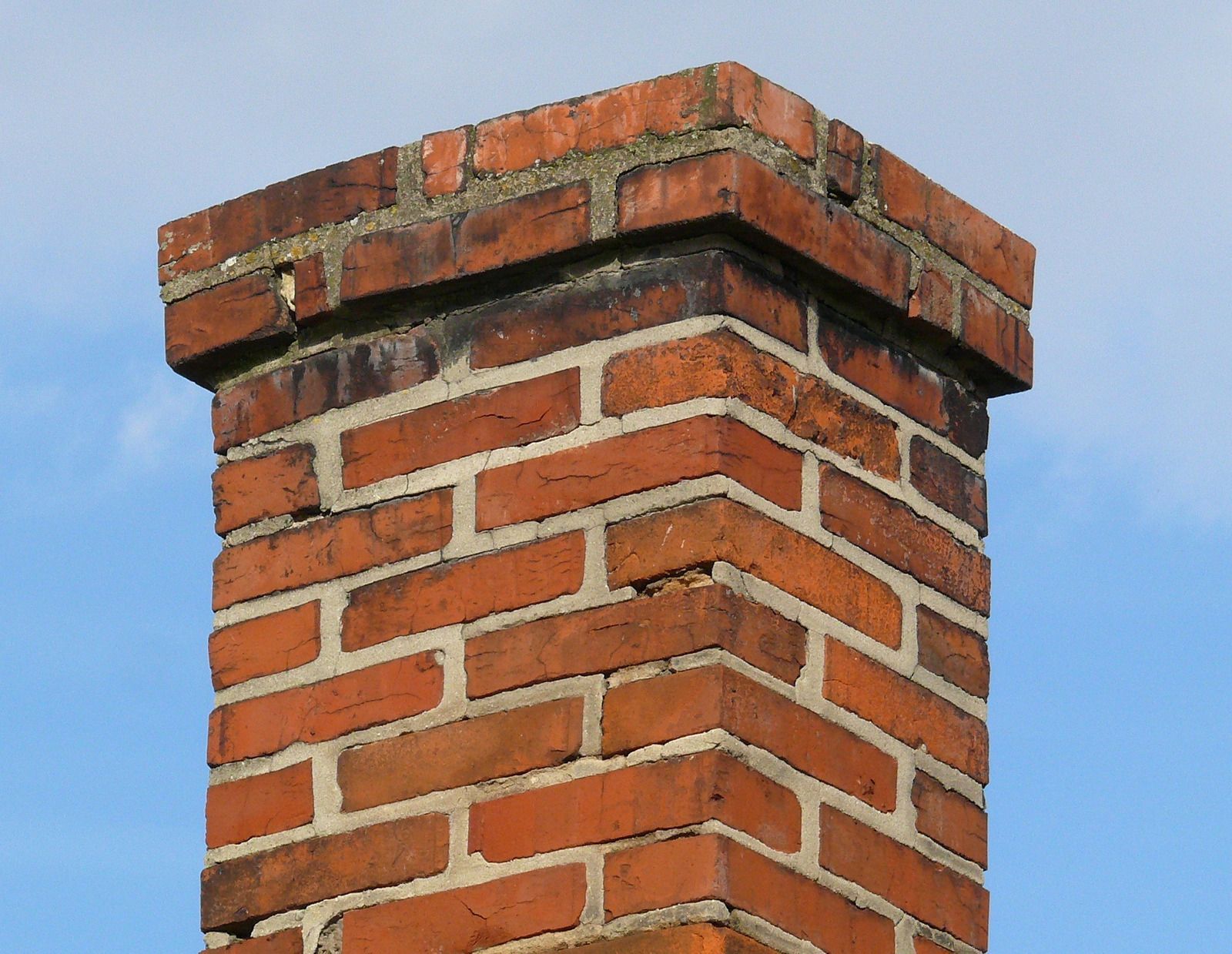
Older chimneys were often built on shallower footings than current standards call for, and after decades of ground movement and the chimney's own weight, some settling is common: a slight lean, a visible gap where the chimney meets the roofline, or a stair-step crack pattern following the mortar joints diagonally. A small, stable lean or an old, dormant crack isn't automatically an emergency, but telling "old and stable" from "active and worsening" benefits from a hands-on inspection rather than a guess from the ground.
A technician can often get a first read on mortar type without lab testing. Dragging a metal key or nail across a joint that leaves a visible scratch and a little powder points toward a softer, lime-rich mix, while a joint that resists scratching and holds a sharp edge points toward a harder, Portland-heavy mix. This test doesn't replace a proper inspection or lab analysis of the actual composition, but it's a useful first check before assuming a chimney can be treated like standard modern construction.
The damper is the movable plate that opens and closes the path between the firebox and the flue above it. Traditional dampers are a hinged metal flap mounted at the throat, right in front of the smoke shelf at essentially the same level; newer systems often use a top-mount damper instead, a sealing plate at the very top of the flue operated by a cable or lever from the firebox. The damper's job: it closes off the flue when there's no fire burning, so conditioned indoor air doesn't pour straight up the chimney, and it opens fully to let smoke and gases draft out when you do have a fire going. A damper that won't seat properly, whether warped, rusted, or coated in old creosote, wastes energy and can also affect how well a fireplace drafts once lit.
Hearth Extension
There is a piece of fireside advice that refuses to die: if smoke is rolling back into the room instead of going up the flue, build the fire bigger and hotter. The logic sounds reasonable: more heat means more rising air, so the draft should improve. In practice, it usually backfires. A larger fire produces more smoke and more combustion byproducts at the exact moment your flue isn't moving enough air to carry them away, so you end up with a smokier room, not a clearer one. Draft is a pressure problem, not a heat-output problem, and piling on more wood rarely fixes pressure.
Understanding what draft actually is makes the rest of this easier. Warm air is less dense than cool air, so hot flue gas naturally rises and pulls fresh combustion air in behind it, the same principle that makes a hot air balloon climb. That rising column creates a pressure difference between the base of your chimney and the top, and that pressure difference is the draft. When a fireplace or wood stove smokes into the room, something is interrupting that pressure difference, and it's rarely as simple as "the fire needs to be bigger." Here's what's usually going on instead.
The Flue Starts Out Too Cold To Pull
A masonry or metal flue that's been sitting unused, especially on the season's first fire or after several warm days, is often the same temperature as the outside air. Without a temperature difference between the air in the flue and the air outside, there's no stack effect yet, and cold air actually sits in the flue like a plug, resisting the smoke trying to rise through it. This is why a fire can smoke heavily for the first few minutes and then clear up once the flue warms. Chimney sweeps call this priming the flue: holding a small rolled-up sheet of newspaper, lit and held up near the open damper for thirty to sixty seconds before you build the main fire, warms the air column enough to get it moving in the right direction before smoke has anywhere to go but into the room.
Your House Is Fighting The Chimney
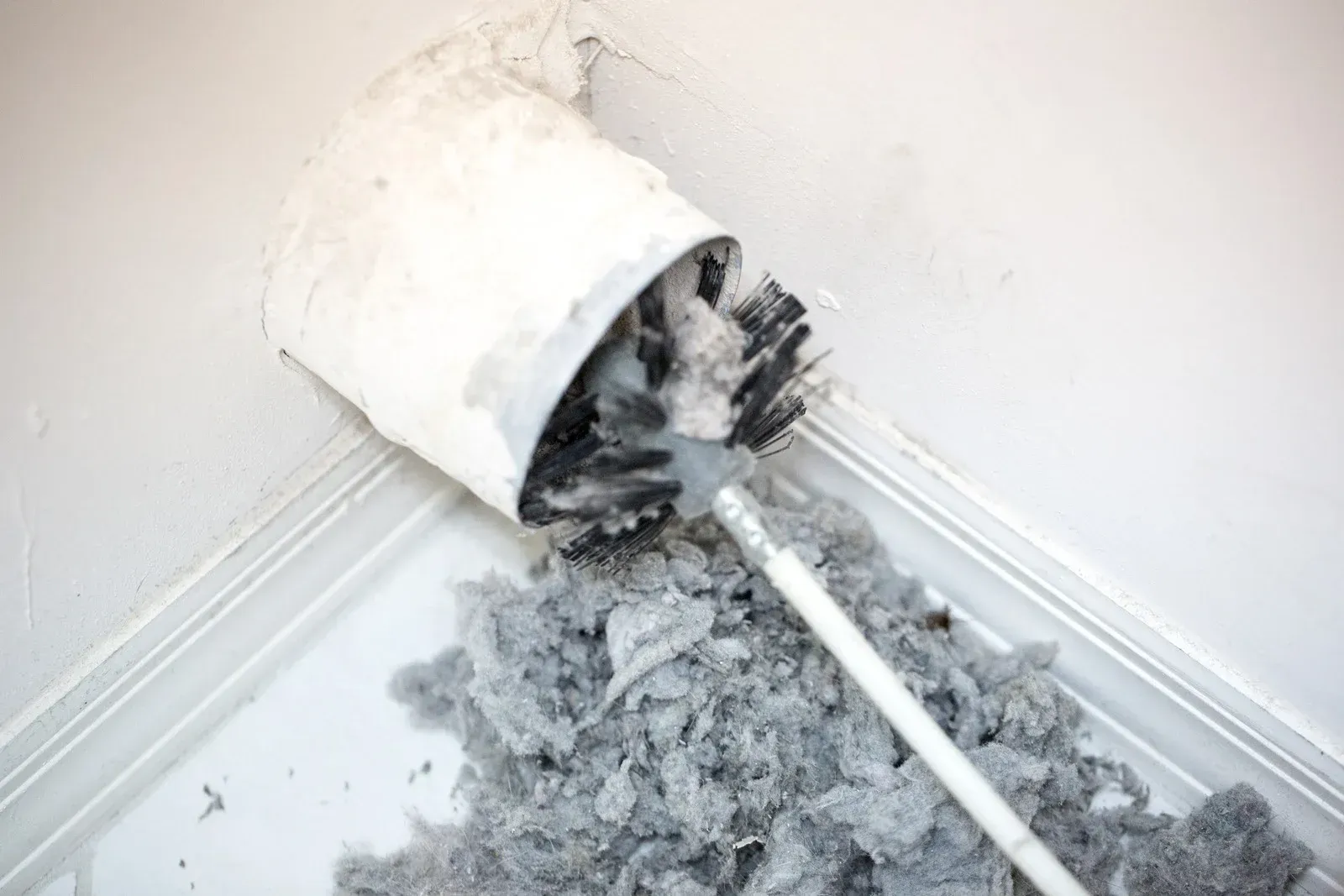
This is the cause most homeowners never suspect, because it has nothing to do with the fireplace itself. Modern homes are sealed tightly for energy efficiency, and every exhaust fan in the house, a kitchen range hood, a bathroom fan, a clothes dryer, even a furnace or water heater drawing combustion air, is pulling air out of the building. Air has to come from somewhere to replace what's being exhausted, and if the house is tight enough, the chimney becomes the easiest path for outside air to get pulled in. That reverses the normal flow: instead of your chimney pushing air out, the house is pulling air down it, carrying smoke with it. This is called negative pressure, and it's become more common as homeowners add insulation, new windows, and stronger kitchen ventilation without adding any way for makeup air to get in.
Something Is Physically In The Way
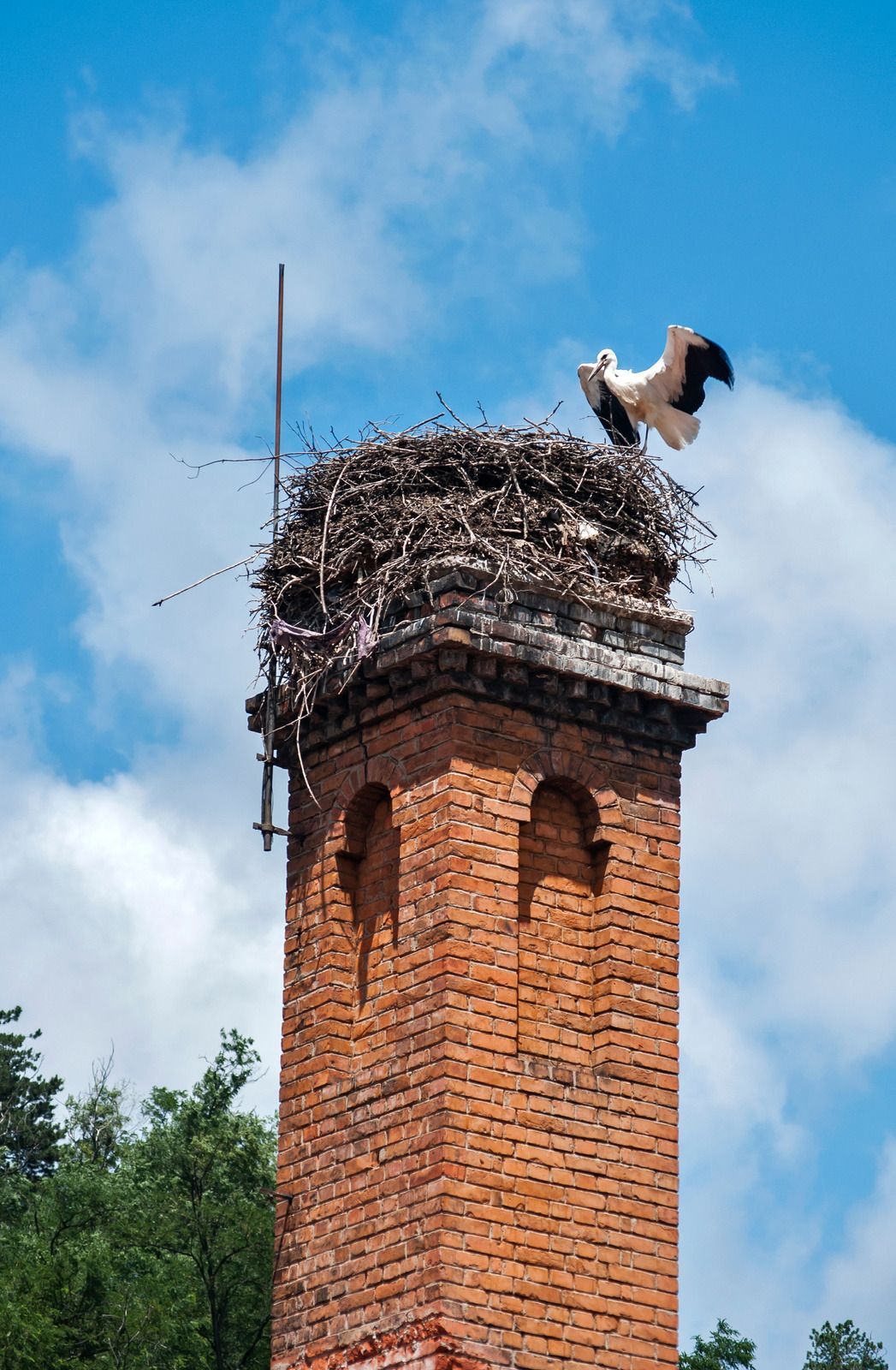
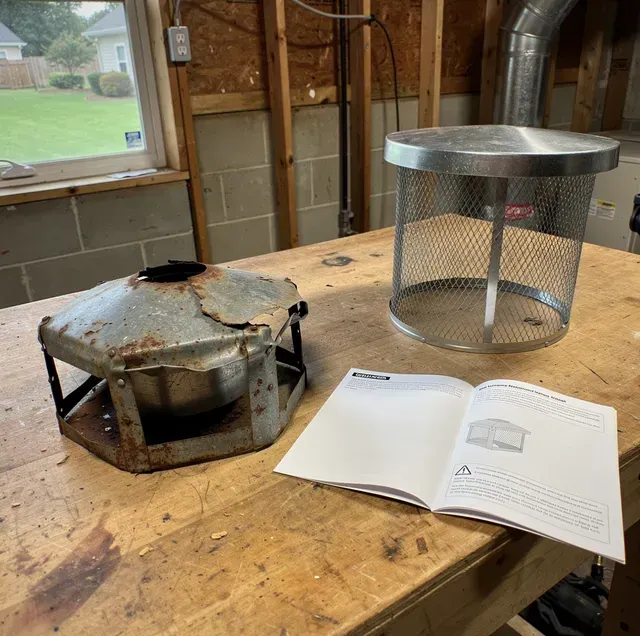
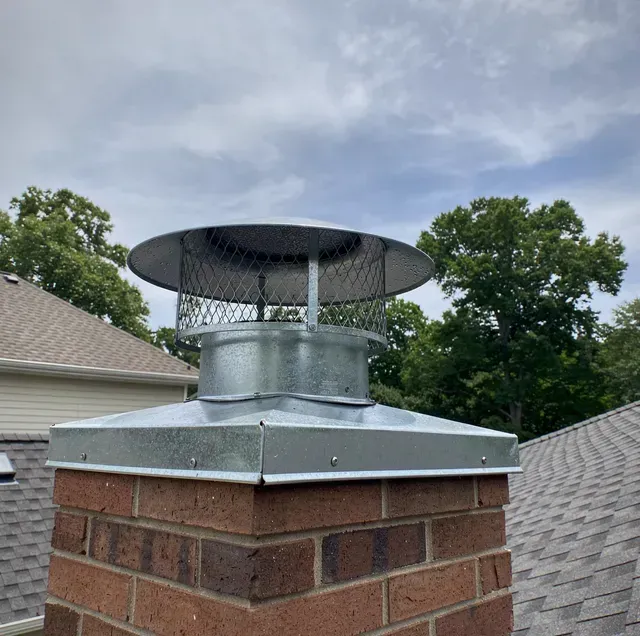
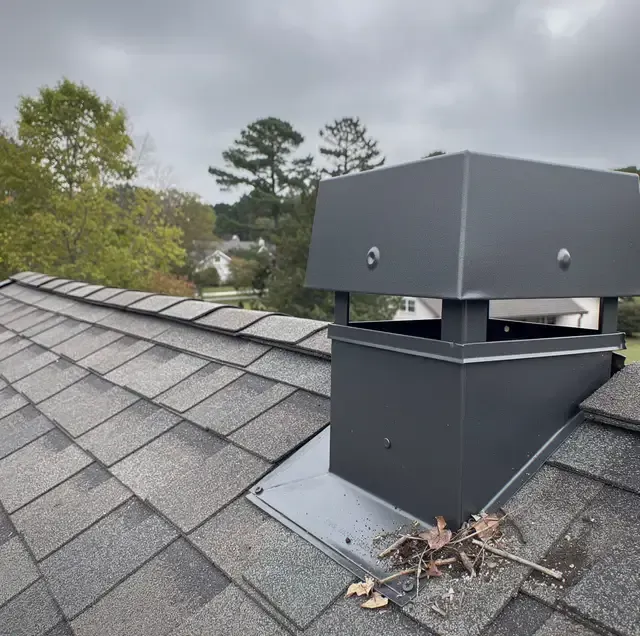
Creosote is the byproduct of burning wood that doesn't fully combust, and it condenses on the interior flue walls as a black or brown coating. A thin, dry layer barely affects airflow, but as it builds up in flakes or a thicker glazed layer, it narrows the flue's usable diameter the same way plaque narrows an artery, and narrower openings move less air. Most chimney professionals use an eighth of an inch of buildup as the general point where cleaning becomes necessary, both for draft and for fire safety. Beyond creosote, birds and squirrels regularly build nests on top of an uncapped or damaged-cap chimney, and fallen leaves and storm debris can partially or fully block the flue opening. Any of these will choke a chimney's ability to pull smoke upward no matter how well the fire is built.
A Damper That Isn't Opening The Way It Should
The damper is the metal plate that controls airflow at the top of the firebox, and it needs to open fully for a fire to draft properly. Years of rust, warping from heat, or a buildup of soot and debris on the hinge can leave a damper that looks open but isn't actually swinging clear of the flue opening. On fireplaces with gas log sets, a damper that's been clamped or blocked open for the gas installation can shift or partially close over time. If glass fireplace doors are involved, closing them too soon after lighting a fire, before the flue has warmed, restricts the air a cold flue needs to get going.
Chimney Height And What Surrounds It
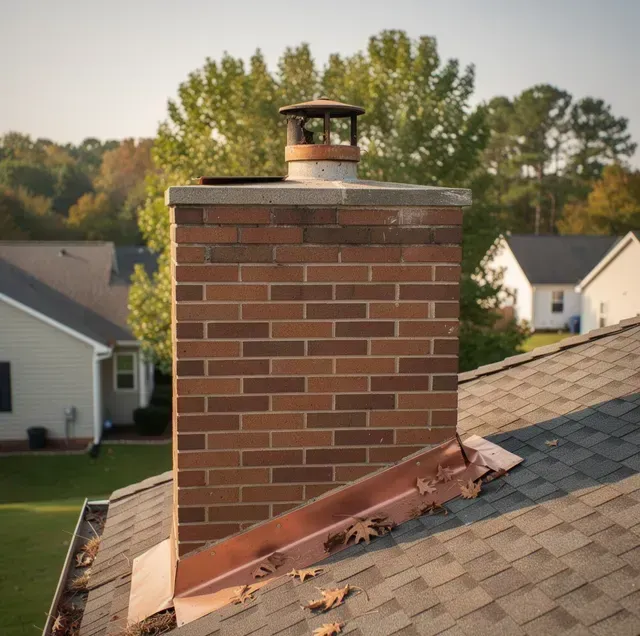
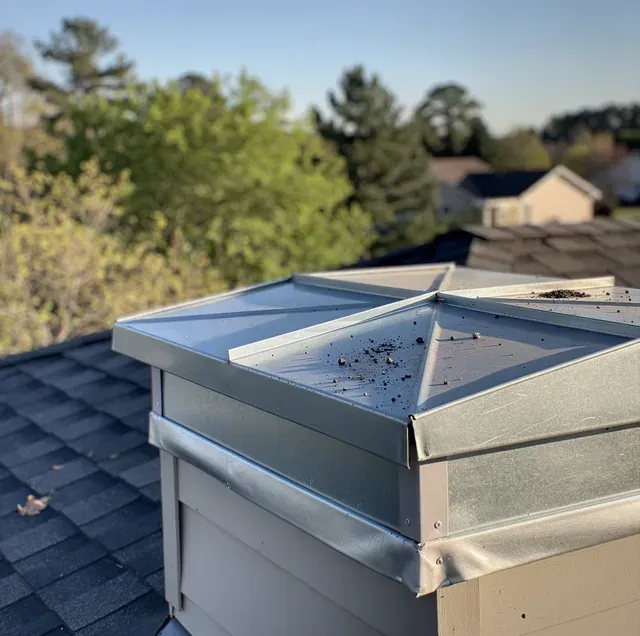
Where the chimney sits relative to the roofline and nearby structures matters more than most homeowners realize. Wind moving across a roof creates turbulence, and a chimney that doesn't extend high enough above the roof peak, nearby trees, or an adjacent taller section of the house can sit inside that turbulent air instead of above it. Chimney professionals generally aim for the flue opening to sit at least three feet above where it exits the roof and two feet higher than anything within ten feet of it, a rule of thumb built around keeping the chimney top in cleaner, steadier air. A chimney that's technically tall enough on paper can still draft poorly if a newly grown tree or a new addition next door has changed the wind pattern around it since the house was built. This is different from the old myth that a poorly drafting chimney simply needs to be built taller across the board; height only matters relative to what's around it, not as a standalone number.
Why A Level Inspection Finds What Guessing Won't
Because so many of these causes look identical from inside the living room, smoke rolling back at you either way, a proper diagnosis usually needs eyes inside the flue, not just in the firebox. A Level 1 inspection covers the readily accessible parts of the system: the firebox, damper, and the flue as far as a technician can see and reach from the top and bottom. If that doesn't turn up an obvious answer, a Level 2 inspection adds a video camera scan down the full length of the flue, which can catch a cracked flue tile, an offset in the liner, or a partial obstruction sitting somewhere a flashlight alone would miss. That same camera work is standard practice ahead of a real estate transaction, since a hidden liner problem is exactly the kind of thing that shows up as a drafting complaint months after move-in.
The Real Fix Isn't More Fire, It's Less Guesswork
Skip the bigger fire. Get a technician to identify which of these five mechanisms is actually at play- a cold flue, a depressurized house, a blockage, a damper, or rooftop turbulence- and fix that one thing specifically. Most drafting complaints trace back to a single correctable cause rather than a chimney that needs to be rebuilt from scratch, but finding which one requires eyes inside the flue, not another log on the fire.
Frequently Asked Questions
How long should I prime a cold flue before lighting the main fire?
Hold the lit rolled newspaper up inside the firebox near the open damper for roughly thirty to sixty seconds. You'll usually feel or hear the air shift once the column has warmed enough to start pulling upward on its own, and that's your signal the main fire is ready to be built.
Can a kitchen exhaust fan really overpower a fireplace?
Yes. A powerful range hood or bathroom exhaust fan can pull enough air out of a tightly sealed house to reverse a chimney's draft, especially in newer or recently weatherized homes. Running a large exhaust fan and starting a fire at the same time is one of the most common triggers for sudden smoke-back complaints.
Why does my fireplace draft fine on some days and not others?
Barometric pressure and wind direction both shift day to day, and a chimney sitting near the edge of adequate height can go from clear to smoky depending on which way the wind is hitting the roofline that day. This is different from a mechanical problem inside the flue and tends to show up as an inconsistent, weather-linked pattern rather than smoking every single time.
Will cracking a window actually help if the fireplace is smoking?
Sometimes, temporarily. Opening a window near the fireplace, rather than one on the far side of the house, can equalize the pressure difference caused by exhaust fans elsewhere and give the chimney room to pull correctly. It's a short-term workaround, not a repair, since it doesn't address why the house is depressurized in the first place.
How do I know if creosote buildup is actually the cause?
A technician measures the thickness during an inspection rather than guessing from the firebox. Chimney sweeps generally treat about an eighth of an inch of buildup as the threshold where it starts narrowing airflow and becomes a fire-safety concern, and that measurement is what determines whether cleaning alone will solve a drafting complaint.
What's the difference between a Level 1 and Level 2 inspection for a draft complaint?
For a drafting complaint specifically, the Level 2 camera scan is looking for something narrower than a general checkup: a liner section that's shifted out of round by half an inch or more, a spot where two flue tiles no longer sit flush against each other, or a partial obstruction sitting below where a flashlight beam from either end can reach. That scan typically adds ten to fifteen minutes to a standard inspection visit rather than requiring a separate appointment.
Smoke that keeps drifting back into the room, no matter what size fire you build, is your chimney telling you something specific about how air is moving through your house. Figuring out which of these mechanisms is at play, rather than reacting with more wood, is what actually gets the smoke back outside where it belongs.
Schedule a chimney inspection — get a certified technician's eyes on the real cause of your draft problem. Perfect Chimney Cleaning serves Greensboro, High Point, and Winston-Salem. Call (336) 604-6711.