Chimney and Fireplace Safety for Kids: 3 Hidden Risks
| Factor | Older/historic masonry | Modern masonry |
|---|---|---|
| Mortar binder | Lime-based, low or no Portland cement | Portland-cement-based, harder curing |
| Mortar flexibility | Softer, some self-healing of hairline cracks | Rigid once cured, cracks stay cracked |
| Brick type | Handmade or soft-mud, lower fire temperature | Extruded, wire-cut, higher fire temperature |
| Brick porosity | More absorbent, prone to spalling | Denser, less water uptake |
| Typical liner status | Often unlined, undersized, or original clay tile | Liner sized and installed to current standards |
| Repair priority | Match mortar chemistry, not just color | Standard modern mortar mixes generally compatible |
| Common failure pattern | Brick face spalling; joint self-healing can mask real deterioration | Joint cracking tends to precede brick damage |
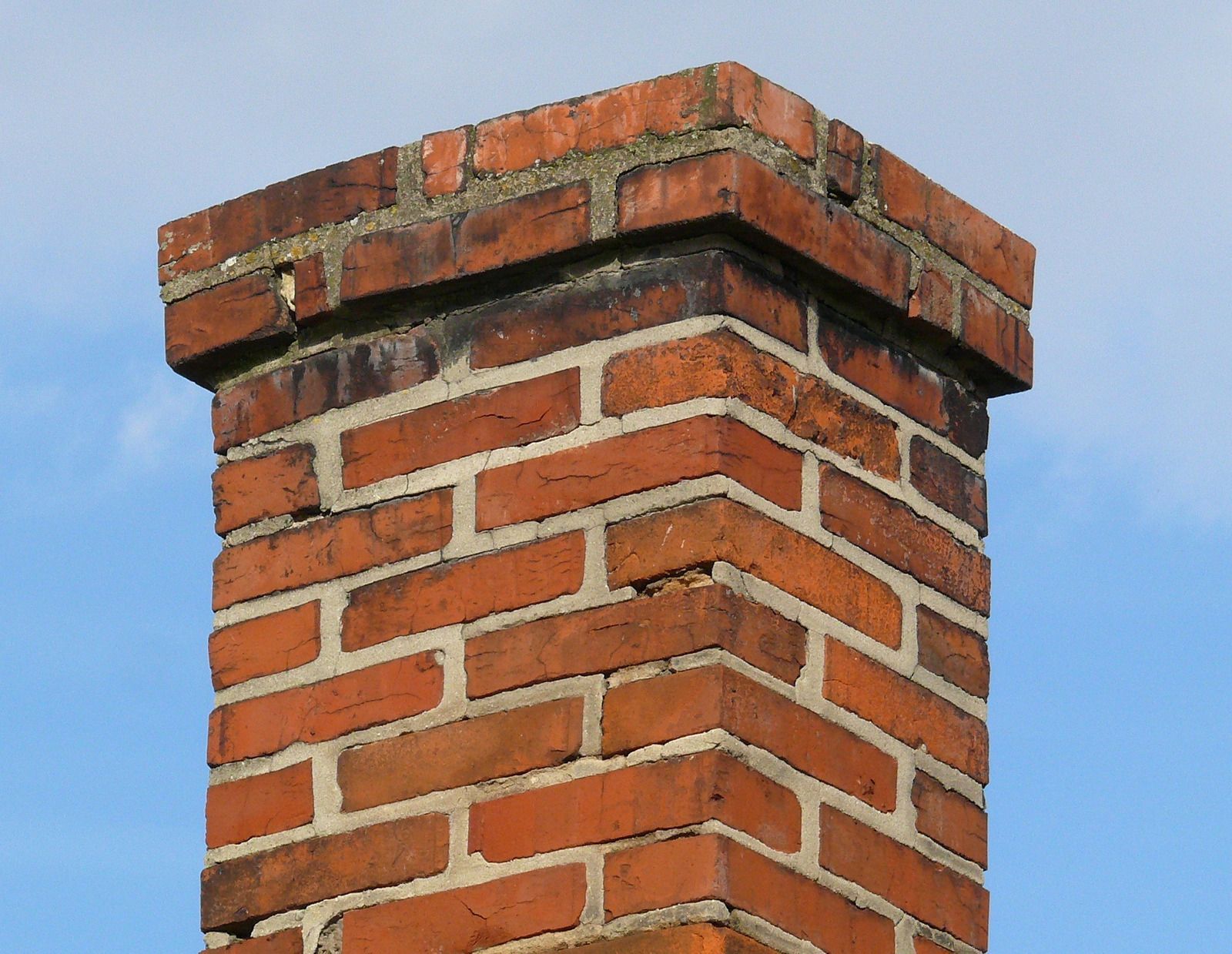
Older chimneys were often built on shallower footings than current standards call for, and after decades of ground movement and the chimney's own weight, some settling is common: a slight lean, a visible gap where the chimney meets the roofline, or a stair-step crack pattern following the mortar joints diagonally. A small, stable lean or an old, dormant crack isn't automatically an emergency, but telling "old and stable" from "active and worsening" benefits from a hands-on inspection rather than a guess from the ground.
A technician can often get a first read on mortar type without lab testing. Dragging a metal key or nail across a joint that leaves a visible scratch and a little powder points toward a softer, lime-rich mix, while a joint that resists scratching and holds a sharp edge points toward a harder, Portland-heavy mix. This test doesn't replace a proper inspection or lab analysis of the actual composition, but it's a useful first check before assuming a chimney can be treated like standard modern construction.
The damper is the movable plate that opens and closes the path between the firebox and the flue above it. Traditional dampers are a hinged metal flap mounted at the throat, right in front of the smoke shelf at essentially the same level; newer systems often use a top-mount damper instead, a sealing plate at the very top of the flue operated by a cable or lever from the firebox. The damper's job: it closes off the flue when there's no fire burning, so conditioned indoor air doesn't pour straight up the chimney, and it opens fully to let smoke and gases draft out when you do have a fire going. A damper that won't seat properly, whether warped, rusted, or coated in old creosote, wastes energy and can also affect how well a fireplace drafts once lit.
Hearth Extension
Here is a fact most parents don't know until it happens: the glass front on a gas fireplace can stay hot enough to cause a serious contact burn for a long stretch of time after the flame has shut off, in some cases the better part of an hour or more depending on the unit and how long it ran. A child, or an adult who isn't thinking about it, sees a dark glass panel and no visible fire and reasonably assumes it's safe to touch or lean against. That assumption is wrong often enough that gas-fireplace glass is a recognized contact-burn hazard for small children, and it has nothing to do with an open flame at all.
That's the real starting point for chimney and fireplace safety in a home with young kids: the danger doesn't end when the fire looks like it's out. A gas insert, a wood-burning fireplace, and a wood stove all keep radiating stored heat well past the point where a two-year-old would judge it "off." The rest of this guide walks through where that gap between "looks safe" and "is safe" shows up most, and what's actually worth doing about it, separate from carbon monoxide risk, which is its own topic and gets its own attention elsewhere.
Why The Glass Front Stays Hot Longer Than You'd Guess
Gas fireplace glass isn't just a window; it's a sealed barrier that's also part of the combustion system, holding heat against it the whole time the unit runs and for a good while after. The glass, the metal frame around it, and often the surrounding trim absorb heat directly from the flame for as long as the appliance is on, and that mass doesn't cool the moment the gas valve closes. Depending on the model, how long it ran, and the room's airflow, the surface can stay well above the threshold for a skin burn for quite a while after shutoff, long enough that a parent who checked on the unit, decided it looked cool, and then got distracted by dinner can come back to a hot surface a toddler has already touched.
Manufacturers of many modern units include a protective barrier screen in front of the glass specifically because of this lag, and if your fireplace has one, keep it in place and don't remove it for looks. If your unit doesn't have one and there's a young child in the house, that's worth asking a technician about directly rather than assuming the glass runs cool just because you can't see flame through it anymore.
The Ash Pile Isn't Cool Just Because It Looks Cool
Wood-burning fireplaces carry a different version of the same problem. A bed of ash that looks gray, flat, and dead can be insulating hot embers underneath, and that heat doesn't dissipate on any predictable schedule tied to how the fire looked when you went to bed. Ash is actually a decent insulator, which is exactly the problem: it traps heat close to the coals instead of letting it radiate away, so the coals underneath can stay hot enough to burn bare skin for a day or more after the last flame died down.
This matters specifically in a house with kids because ash at floor level, right where a crawling baby or a barefoot toddler would put a hand or a foot, is at exactly the height a young child interacts with the world. A pile that a parent glances at from standing height and calls "cold" is not the same thing as a pile a child gets close to and touches. If you're clearing ash, use a metal container with a tight-fitting lid, not a paper bag or cardboard box, and let it sit in that container, outside, away from anything combustible, for several days before disposal, since hidden coals have started house fires from ash removed too soon.
Screens And Glass Doors Are A Physical Barrier, Not Decoration
The screen or glass door in front of an open wood-burning fireplace does a specific mechanical job: it keeps popping embers, sparks, and rolling logs from reaching the room, and it keeps curious hands from reaching the fire. A warped, dented screen sitting loosely instead of seated flush, or with a gap at a corner, isn't a cosmetic flaw. It's a barrier that's stopped doing the one thing it's there for, and a small hand exploring the edge of a fireplace opening will find that gap faster than an adult glancing at it from across the room would.
A gapping or missing mesh screen is worth having checked at your next service call, since a technician can tell you whether it needs simple readjustment or replacement. The same logic applies to a gas insert's glass door and its latch. If the door doesn't seat and lock the way it did when the unit was new, or if a hinge has enough play that the door can be pushed open, that's a mechanical issue for a technician, not something to work around by just remembering to watch the kids more closely. A properly seated door or screen does the watching for you when your attention is somewhere else for a second, which, with a toddler in the house, it always eventually will be.
General Hearth Safety Habits Worth Building In
None of the following requires buying anything from a chimney company, since this is standard household practice, not a service list. A hearth extension, the noncombustible slab that extends out from the fireplace opening, gets hot during and after a fire even though it's not the firebox itself. Hence, keeping toys, blankets, and furniture off that slab matters both for burn risk and fire risk. A freestanding barrier gate placed a few feet back from the opening is a common and reasonable step for parents of a crawling baby or a new walker, sized and installed the way any child safety gate would be, and it doesn't require anything from your chimney service provider to set up.
Matches, lighters, and any fire-starting tools belong in a drawer or cabinet a child can't reach or open, stored the same way you'd store anything else you don't want a toddler finding. And if the fireplace has a hearth tool set, a poker or a small shovel and brush, treat those the way you'd treat a kitchen knife: within adult reach, not propped against the hearth where a kid can pick one up out of curiosity.
Why An Annual Inspection Matters More With Kids In The House
A yearly inspection exists to catch problems before they become emergencies, and in a home with young kids, the margin for a problem going unnoticed is smaller. A damper that's sticking half open, a firebox with a cracked or spalled brick that's starting to expose gaps, or a smoke chamber that hasn't been properly parged can all sit unnoticed for a long time in a household without kids. In a household with a curious four-year-old who pokes at everything within reach, an exposed gap or a loose piece of firebrick is something they'll find before you do.
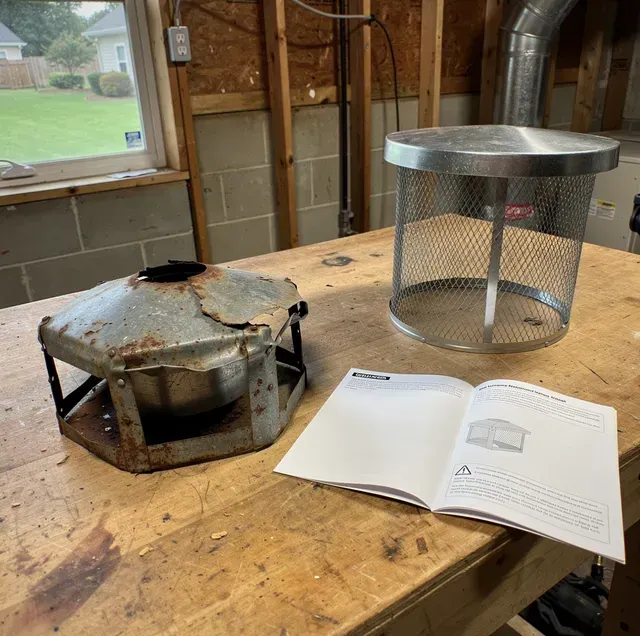
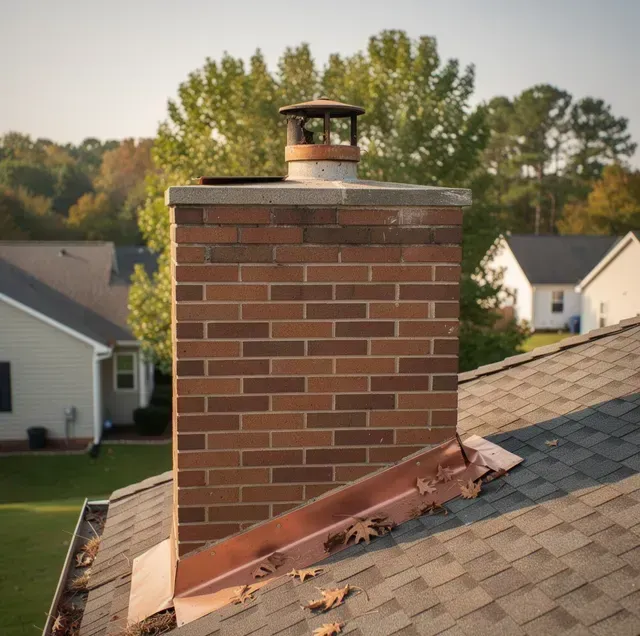
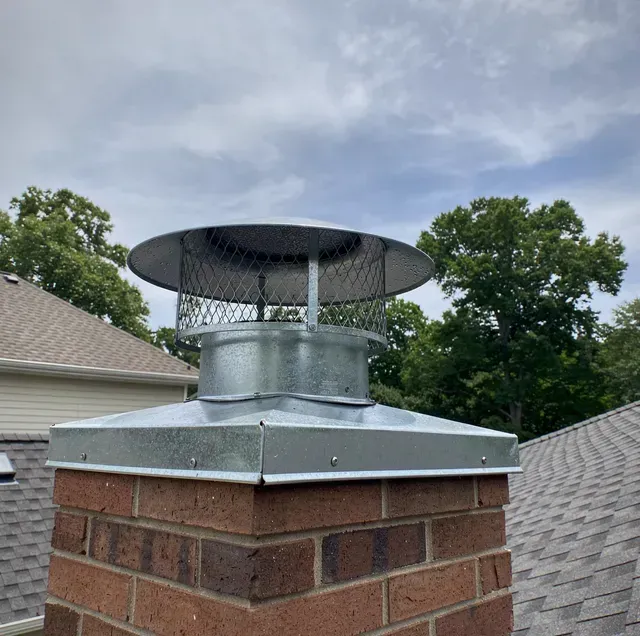
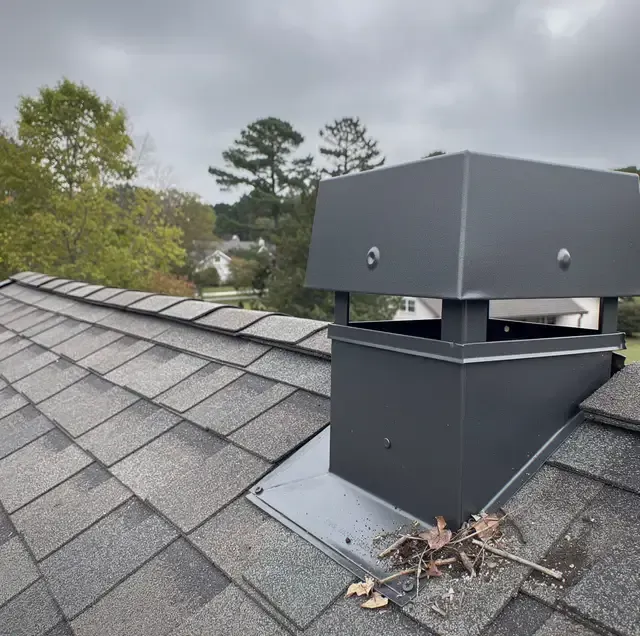
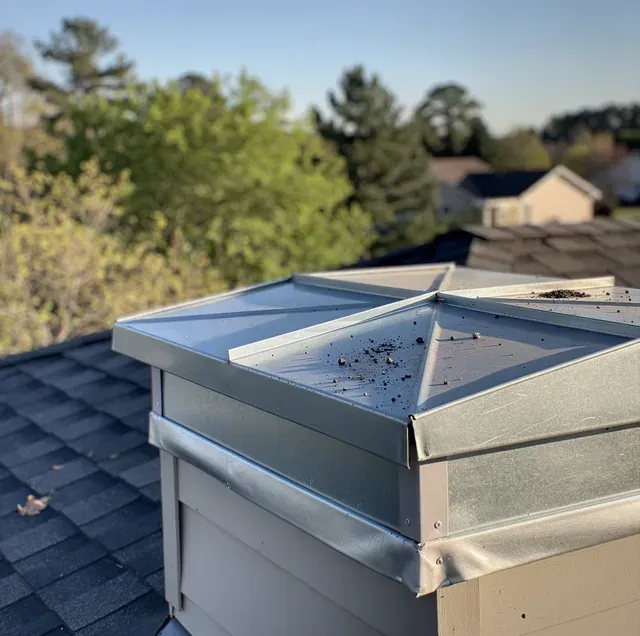
The same goes for what's happening outside, up on the roof, where you're not looking day to day. A secure chimney cap with intact mesh keeps animals and debris out, but it's also part of keeping the flue system sealed the way it's supposed to be. If a cap has come loose, corroded, or gotten knocked off by a storm, that's not something you'll notice from the yard, and it's exactly the kind of gap an inspection catches before it becomes either an animal problem or a structural one. A Level 1 or Level 2 inspection, done by a certified technician, walks the whole system- the firebox, the damper, the smoke chamber, the liner, and the exterior- and flags exactly this kind of thing while it's still a small fix.
Frequently Asked Questions
How long should you wait before letting a kid near a fireplace after it's been used?
No fixed number applies to every unit, since it depends on how long the appliance ran, the room's ventilation, and whether it's gas or wood, but the safer approach for a household with young kids is to treat the fireplace area as off-limits until the following day for wood-burning units with ash present, and for a gas unit, treat the glass and its surrounding frame as hot for at least an hour after shutoff regardless of how it looks, keeping the barrier screen in place rather than testing the surface by hand.
Are fireplace screens and hearth gates something a chimney company installs?
A chimney company services the appliance itself, meaning the damper, the glass door and its seal, the firebox, and the flue system, and can assess whether a warped or gapping mesh screen that's part of the fireplace hardware needs adjustment or replacement. A freestanding hearth barrier gate is a different thing entirely: a general childproofing product you'd source the way you would any other baby gate, so you'd buy that yourself rather than through your chimney service. Look for one rated for the hearth's height and depth rather than a standard doorway gate, since a hearth extension is often wider and set further out than a typical stairway opening, and a freestanding model (rather than one that mounts into masonry) is usually the easier fit.
What's the difference between a Level 1 and Level 2 inspection, and which one makes sense for a home with kids?
A Level 1 inspection covers the readily accessible parts of the system: the firebox, the damper, and the flue as far as a technician can see without special tools, and it's the standard annual check for a chimney used the way it always has been. A Level 2 inspection adds a video camera scan of the full flue interior and is called for after a change in the system, an appliance swap, a chimney fire, or before buying a home, since it can catch a cracked flue tile or liner separation a Level 1 visual check would miss.
Can a gas fireplace's glass front be made child-safe without replacing the unit?
How long should you wait before letting a kid near a fireplace after it's been used?
Many gas insert manufacturers make an aftermarket or accessory protective barrier screen designed to sit a few inches in front of the glass, cooler to the touch than the glass itself, specifically for households with kids or pets. Whether your specific model has one available and whether it's compatible is a manufacturer- and model-specific question, so it's worth asking a technician who services your exact unit rather than assuming a universal option exists.
Do wood stoves carry the same hot-surface risk as a wood-burning fireplace, or is it worse?
It's generally worse, since a wood stove's entire exterior body, not just the ash bed, is a metal surface that radiates heat directly into the room and stays hot for a long time after the fire's out, sometimes for hours depending on the stove's size and how hot the fire burned. A fireplace's heat is largely contained behind the firebox opening, while a stove's whole surface area is exposed and within a small child's reach on every side, which is part of why a stove specifically benefits from a physical barrier around it in a home with young kids.
If a child touches a hot glass front, is that something to bring up at the next chimney inspection?
A burn is a medical matter, not a chimney one; follow whatever medical guidance applies to treating it. Separately, it's worth mentioning to your chimney technician at the next visit, since it's useful information about whether a protective barrier screen, a door latch repair, or a different hearth gate placement would help prevent a repeat, and a technician who knows that history can point you toward the right fix for your specific setup.
A fireplace doesn't have to be a hazard to be worth watching closely once there's a toddler in the house. Most of what keeps a hearth safe with kids around- working screens, a solid damper, a cap that's actually sealed, a barrier gate at the right distance- are small, ordinary checks rather than dramatic changes, and an annual inspection is what confirms the hardware side of that list is actually holding up the way it's supposed to.
Schedule a chimney inspection — get the damper, firebox, screen, and cap checked before your kids find the gap first. Perfect Chimney Cleaning serves Greensboro, High Point, and Winston-Salem. Call (336) 604-6711.
Recent Posts