Chimney Inspection Before Buying a Home: What It Reveals
| Factor | Older/historic masonry | Modern masonry |
|---|---|---|
| Mortar binder | Lime-based, low or no Portland cement | Portland-cement-based, harder curing |
| Mortar flexibility | Softer, some self-healing of hairline cracks | Rigid once cured, cracks stay cracked |
| Brick type | Handmade or soft-mud, lower fire temperature | Extruded, wire-cut, higher fire temperature |
| Brick porosity | More absorbent, prone to spalling | Denser, less water uptake |
| Typical liner status | Often unlined, undersized, or original clay tile | Liner sized and installed to current standards |
| Repair priority | Match mortar chemistry, not just color | Standard modern mortar mixes generally compatible |
| Common failure pattern | Brick face spalling; joint self-healing can mask real deterioration | Joint cracking tends to precede brick damage |
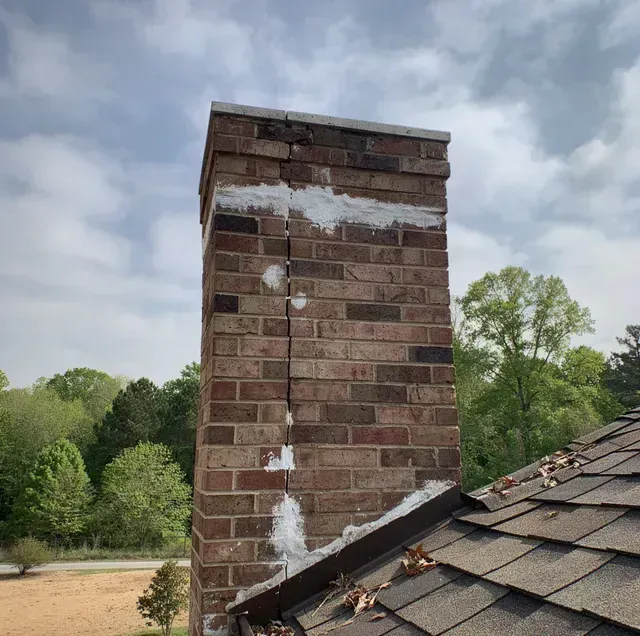
Older chimneys were often built on shallower footings than current standards call for, and after decades of ground movement and the chimney's own weight, some settling is common: a slight lean, a visible gap where the chimney meets the roofline, or a stair-step crack pattern following the mortar joints diagonally. A small, stable lean or an old, dormant crack isn't automatically an emergency, but telling "old and stable" from "active and worsening" benefits from a hands-on inspection rather than a guess from the ground.
A technician can often get a first read on mortar type without lab testing. Dragging a metal key or nail across a joint that leaves a visible scratch and a little powder points toward a softer, lime-rich mix, while a joint that resists scratching and holds a sharp edge points toward a harder, Portland-heavy mix. This test doesn't replace a proper inspection or lab analysis of the actual composition, but it's a useful first check before assuming a chimney can be treated like standard modern construction.
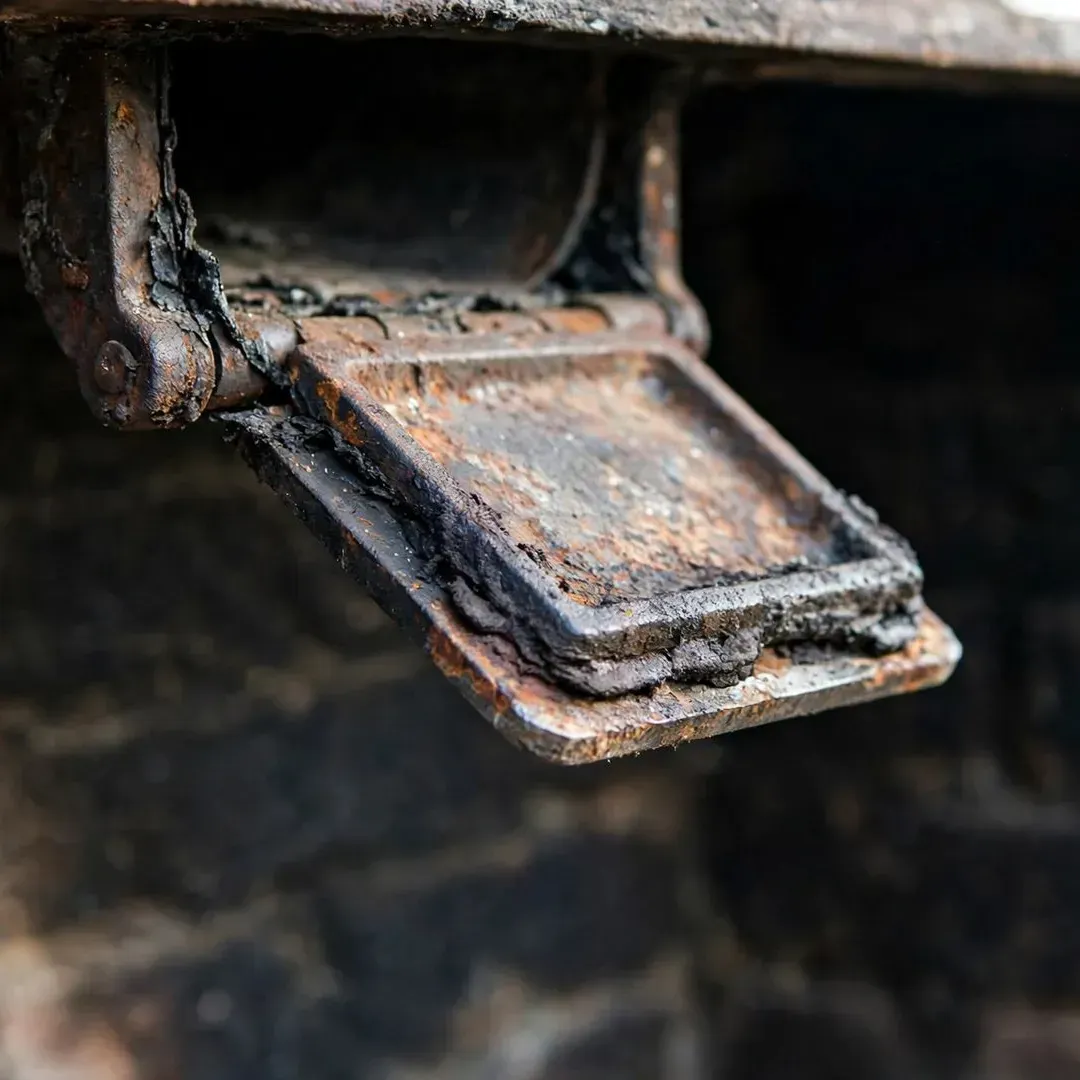
The damper is the movable plate that opens and closes the path between the firebox and the flue above it. Traditional dampers are a hinged metal flap mounted at the throat, right in front of the smoke shelf at essentially the same level; newer systems often use a top-mount damper instead, a sealing plate at the very top of the flue operated by a cable or lever from the firebox. The damper's job: it closes off the flue when there's no fire burning, so conditioned indoor air doesn't pour straight up the chimney, and it opens fully to let smoke and gases draft out when you do have a fire going. A damper that won't seat properly, whether warped, rusted, or coated in old creosote, wastes energy and can also affect how well a fireplace drafts once lit.
Hearth Extension
When a Post-Renovation Inspection Is (and Isn't) Warranted
You walk into the living room, and there it is: a brick fireplace with a wood mantel, maybe a stack of logs staged neatly beside it. The listing photos highlighted it. Your agent mentions how much character it adds. You picture holidays in front of it, and you move on to check out the kitchen.
What you probably didn't do is open the damper and look up the flue with a flashlight. Neither did the home inspector, in any real sense. That fireplace you fell for during the showing might be sound, or it might be sitting on a cracked flue liner, a chimney separating from the house, or a firebox that hasn't been safe to use in years. Nothing about how it looks from the living room will tell you which.
The Home Inspector's Fireplace Check Has Limits
A general home inspection is broad by design. In the time allotted, the inspector is checking the roof, the foundation, the electrical panel, the plumbing, the HVAC system, and dozens of other components across the whole house. The fireplace and chimney get a share of that time, and it's usually a small one.
Most general home inspectors will look at the firebox for obvious damage, check that the damper opens and closes, glance at the exterior masonry for visible cracking, and note whether the chimney appears to be venting correctly. Some won't build a fire or run any kind of camera equipment. Their report will often include a line like "recommend evaluation by a qualified chimney professional," which is a polite way of saying: this wasn't in scope.
That's not a knock on general inspectors. A chimney is a specialized system, similar to how a home inspector will also punt on in-depth roof or septic evaluation to a specialist. The flue runs from the firebox up through the house, often two or three stories, hidden inside a chase or masonry stack for nearly its entire length. A visual check from the ground and a look inside the firebox can catch obvious problems, but it can't see inside the flue itself, where most of the serious defects actually live.
Ask to see the fireplace section of a general inspection report sometime, and it's often a paragraph, not a page. Compare that to the multi-page sections given to the roof or the electrical panel, and the gap in depth is obvious. It's not that the fireplace matters less to a home's value or safety; it's that properly evaluating a flue requires equipment (typically a specialized camera on a rod) and training in reading what that camera shows, which falls outside a general inspector's scope and license in most states.
What a Dedicated Chimney Inspection Actually Involves
A chimney-specific inspection, sometimes called a Real Estate inspection when it's tied to a home sale, goes further than a walkthrough. The technician typically runs a video scan down the length of the flue, recording the interior surface on camera rather than relying on a flashlight and guesswork. That scan can pick up hairline cracks in a clay tile liner, gaps at the mortar joints between tiles, creosote glazing, missing or damaged flue sections, and signs of a chimney fire that already happened without anyone knowing.
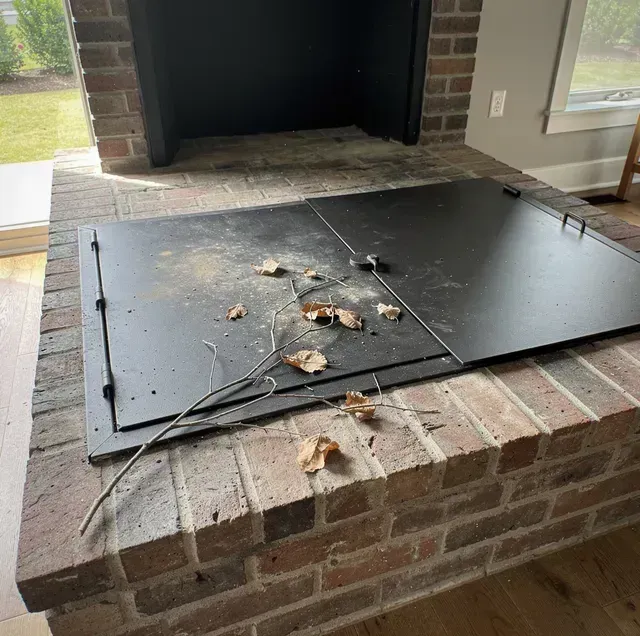
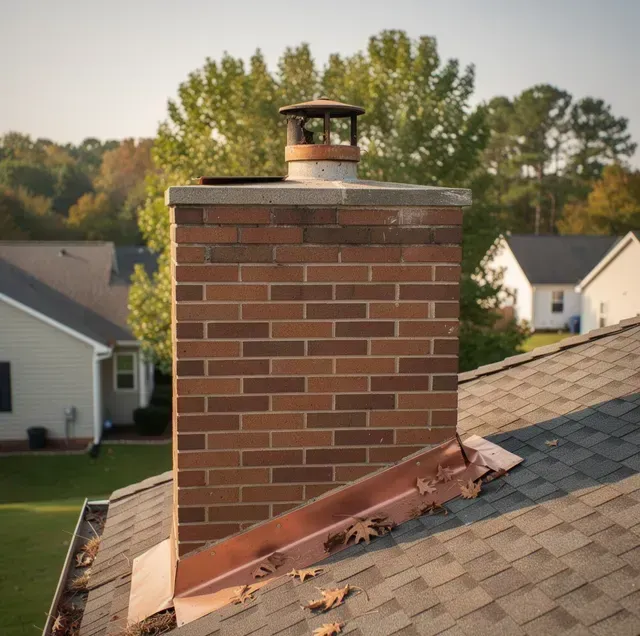
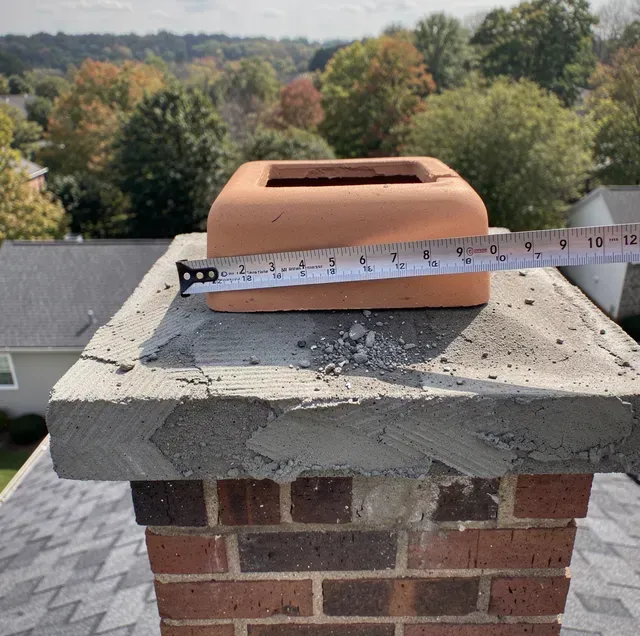
The inspection also covers what's accessible from outside and inside the structure: the condition of the crown (the concrete cap that sheds water off the top of the chimney), the flashing where the chimney meets the roofline, the mortar joints on the exterior masonry, the damper mechanism, and the firebox itself, including whether the hearth extension meets basic clearance expectations.
The result is a written report with findings, often including still images or video pulled from the scan, rather than a checkbox and a sentence. That documentation matters, because it's the difference between "the inspector said the chimney looked fine" and having an actual record of the flue's interior condition on the date of inspection. If a defect shows up two years later, that report is a reference point for when it likely started.
Why This Matters for Negotiations
Here's where the buyer's-decision angle comes in, and it's the part that's easy to overlook when you're focused on inspection deadlines and mortgage paperwork. Findings from a chimney inspection typically become part of the broader due-diligence conversation during the inspection contingency period, alongside the roof, the HVAC system, and anything else that turns up.
A cracked liner or a deteriorating crown, captured on video with a written report to back it up, is a concrete, defensible finding, not a vague concern. That kind of evidence is generally what gives a request some weight in negotiations. Depending on how the contract is structured and what the buyer's agent advises, a confirmed chimney defect can factor into a seller-paid repair, a credit at closing, or an adjustment to the offer. How that plays out contractually varies by state, by the specific purchase agreement, and by what the seller is willing to negotiate, so this is a conversation for your buyer's agent or a real estate attorney, not something a chimney technician can advise on. What a chimney inspection can do is put a specific, confirmed problem on the table before you're locked into the deal, instead of after.
Compare that to a buyer who skips the specialized inspection and only has the general home inspector's brief, hedged note about the fireplace. There's nothing there to negotiate with, because there's no confirmed finding, just a suggestion to look into it further. Sellers and their agents generally respond to specifics: a video clip showing a gap in a flue tile joint carries more weight in a conversation than a sentence that says the chimney "should be evaluated."
Timing is what makes this work. Most purchase contracts include an inspection contingency, a defined window, often a week or two, during which the buyer can complete inspections and raise issues before the contingency expires. A dedicated chimney inspection needs to happen inside that window to be useful for negotiation. Scheduling it early in the contingency period also leaves room to request a second look or a repair estimate if the first scan turns up something significant, without running out the clock.
What Happens If You Skip It
Skip the chimney-specific inspection, and you inherit whatever's in that flue the moment you close. In most cases, there's no coming back to the seller after the fact to ask for a credit, since the contingency period has closed and that window to negotiate is gone. Some states carve out a narrower path if a seller knowingly concealed a defect they were legally required to disclose, but pursuing that after closing is a legal question for an attorney, not something a missed inspection can undo on its own. A general home inspector's brief note about the fireplace, if there even was one, won't cover you: it wasn't a specialized evaluation, and it likely said as much in its own disclaimer language.
The practical risk isn't abstract. A damaged liner can let heat and combustion byproducts reach nearby wood framing in ways that aren't visible from either the firebox or the roofline. A chimney that's separated from the house structurally, sometimes called leaning or settling, is a structural masonry repair, not a cosmetic one. Even something as simple as a missing or cracked crown lets water into the chimney structure every time it rains, and that damage compounds over years, whether or not anyone's using the fireplace. None of that shows up on a walkthrough. All of it shows up on a scoped inspection, while there's still time to do something about it.
If you already closed without one, you're not without options: get the chimney inspected now, get a clear picture of its actual condition, and address findings before you build your first fire. It's not the position you'd have been in during negotiations, but it's still better than finding out the flue has a problem because smoke is backing up into the living room.
Frequently Asked Questions
Does the seller have to disclose known chimney problems?
Most states require sellers to disclose known material defects on a standard disclosure form, but "known" is the key word: a seller who never had the chimney inspected may honestly have no idea the liner is cracked. Disclosure laws vary by state, so ask your buyer's agent what your state's disclosure form actually requires rather than assuming it covers chimneys specifically.
How long does a Real Estate chimney inspection take?
A typical camera-scan inspection of a single flue runs somewhere in the neighborhood of 30 to 60 minutes on site, depending on chimney height and how many flues the house has (a house with a fireplace and a separate furnace or water heater flue will have more than one to check). Turnaround on the written report with images is usually within a day or two.
What if the house has more than one chimney or flue
Homes with a fireplace chimney and a separate chimney or B-vent for the furnace or water heater need each flue scanned individually, since a defect in one doesn't tell you anything about the condition of the other. It's worth confirming with the technician up front how many flues the house has so the inspection and report cover all of them.
Does this inspection replace the annual sweep and inspection I'll need after moving in?
No, and it's easy to assume it does since both involve a technician looking at the same flue. A Real Estate inspection is a point-in-time defect scan built for a purchase decision, not a substitute for the recurring yearly cycle of cleaning and inspection every fireplace needs going forward. Once you've closed, start your own annual schedule on the standard yearly cadence regardless of how recently the pre-purchase scan happened; a clean scan at closing doesn't mean creosote won't build up the first winter you're burning fires in the house.
What if the chimney hasn't been used in years, or we don't plan to use it at all?
Get it inspected either way, and if anything, a long-idle flue deserves closer attention than one in regular use. Years without a fire don't protect a chimney; they let problems accumulate unnoticed, with animals nesting inside and blocking the passage, mortar joints deteriorating from freeze-thaw cycling with no maintenance to catch it, or a rusted damper stuck. And a chimney that's never burned wood can still be a moisture entry point into the house if the crown or flashing has failed, which is a structural and water-intrusion issue that has nothing to do with fireplace use. If the plan is to cap or decommission it rather than use it, an inspection first tells you what condition it's actually being sealed up in.
Does the seller need to be present for the inspection, or can it happen without them?
It typically happens without the seller present. The listing agent or seller's agent usually coordinates access on a scheduled date, and the technician works independently, just like a general home inspector. What's worth doing differently here, if your schedule allows it, is having your own agent or you watch the camera feed live during the scan rather than only reading the written report afterward; seeing the interior of the flue directly, rather than a description of it, tends to carry more weight if a finding turns into a negotiating point.
Buying a home with a fireplace is exciting enough that it's easy to let the chimney fade into the background of the decision, but it's one of the few systems in the house that's hard to evaluate without specialized equipment and a trained eye. A short scan during your contingency period gives you real information instead of a guess, at the exact moment when that information can still change the outcome of the deal.
Book a Real Estate chimney inspection before your contingency period closes — get a recorded flue scan you can act on. Perfect Chimney Cleaning serves Greensboro, High Point, and Winston-Salem. Call (336) 604-6711.
Recent Posts