Hannah Kendrick • January 8, 2026

Chimney Odor And Soot Removal Solutions In Greensboro, NC

Every fireplace tells a story—sometimes one that smells less like cinnamon and more like last night's campfire. In Greensboro homes, a cozy fire can quickly lose its charm when chimney odors or heavy soot buildup start taking over. Odor and residue problems often mask deeper issues in the flue, but professional chimney sweeps know exactly how to address them. Regular chimney cleaning not only removes stubborn smells but also keeps the system safe, efficient, and ready for North Carolina's chilly evenings.

Why Chimney Odors Develop

When smoke rises through the chimney, it leaves behind traces of soot, ash, and creosote. Over time, those materials mix with humidity or rainwater and begin to break down. The chemical reaction creates a pungent smell that seeps into living spaces. Greensboro's naturally humid climate amplifies the problem, turning minor residue into major odor.


Professional chimney sweeps specialize in odor diagnosis to identify the source of the smell. The issue might be excessive soot buildup, moisture intrusion, animal debris, or trapped creosote. Once identified, technicians thoroughly clean the system, dry the flue, and neutralize lingering odors with safe, professional-grade treatments.

Soot: The Silent Trouble-Maker

Soot looks harmless enough, but once it starts accumulating, it can cause more than just black stains. The fine carbon powder clings to flue walls and absorbs moisture, producing the perfect environment for unpleasant odors to form. Soot buildup also restricts airflow, forcing smoke back into the room and leaving behind a persistent smoky haze.


Professional soot removal clears those layers without spreading residue throughout the home. Using rotary brushes and HEPA-filtered vacuums, technicians clean deep into the flue, removing every trace of soot. Once the passageway is clear, airflow improves, odors disappear, and the fireplace runs more efficiently.

The Problem With Creosote

Creosote is one of the most common causes of odor and chimney inefficiency. It's a byproduct of burning wood, and when smoke cools before leaving the chimney, it condenses into a sticky black coating that hardens over time. Creosote not only smells harsh but also poses a fire risk if left unchecked.


A professional chimney sweep in Greensboro removes creosote using specialized tools that loosen and capture even the toughest deposits. Once the creosote is gone, the chimney walls are left clean and smooth, allowing air and smoke to flow properly again. The result is a cleaner, safer, and odor-free chimney system.

When Ash Adds To The Problem

Ash might seem harmless, but it's often the hidden ingredient behind lingering chimney smells. When left sitting in the firebox, ash traps moisture and creates an acidic film that seeps into masonry and metal parts. Over time, that mix releases a sour, burnt smell that can fill the home.


Professional ash removal solves the issue by eliminating the residue. Technicians use controlled vacuum systems to safely clear ashes, preventing fine particles from spreading indoors. Once removed, they check for moisture damage and apply neutralizing treatments that leave the fireplace clean and fresh.

Chimney Blockages And Stubborn Smells

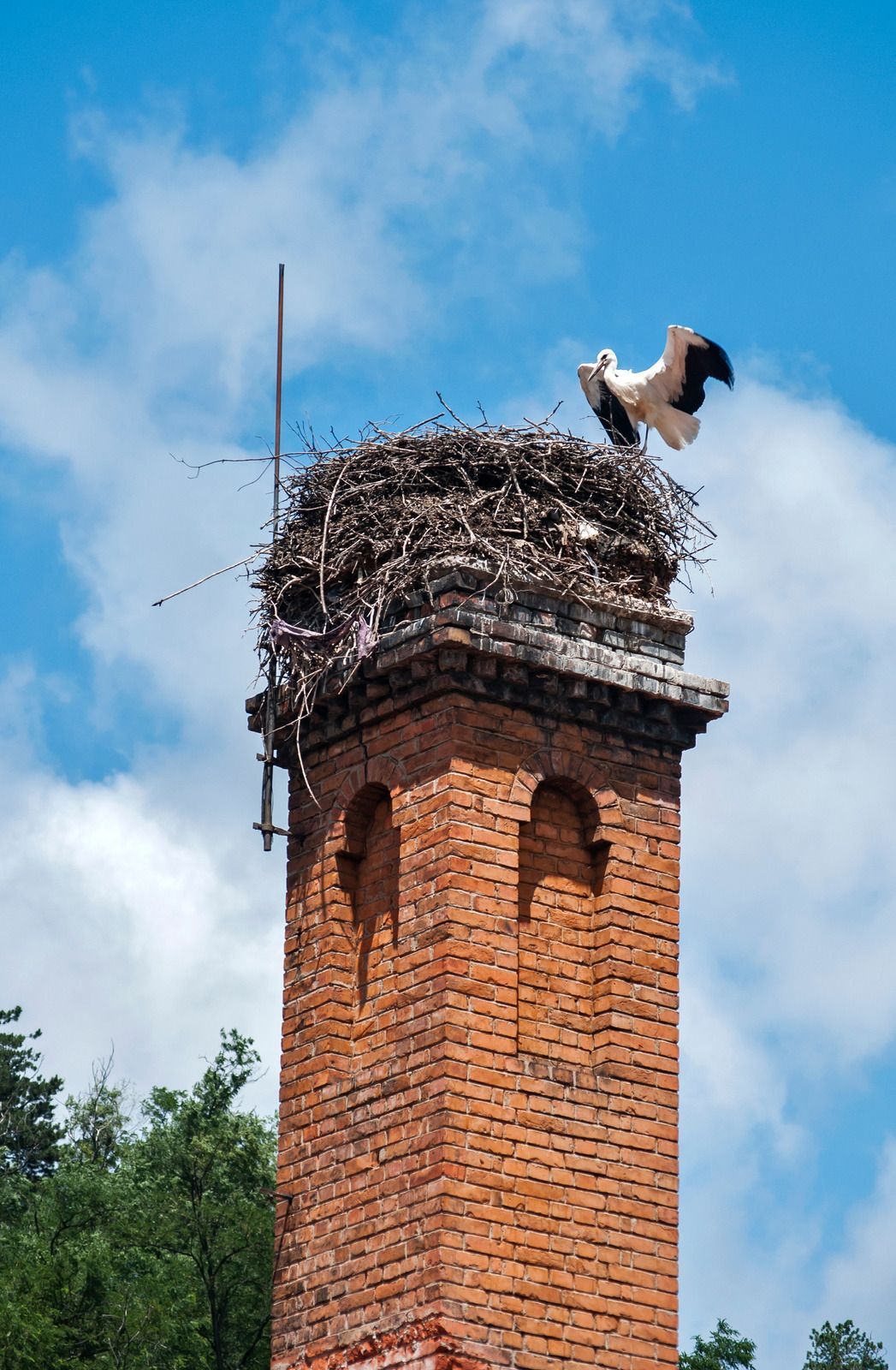
When airflow slows or stops completely, trapped smoke and moisture combine to create foul odors. Blockages often form from soot, debris, or even animal nests. In Greensboro's tree-lined neighborhoods, it's common for leaves, twigs, and curious birds to find their way into open chimneys.


Professional chimney cleaning safely clears those blockages. Using inspection cameras, sweeps identify the obstruction and remove it without harming the liner. Once airflow is restored, smoke and odors exit through the flue as they should. Installing a properly fitted chimney cap helps prevent future blockages and reduces odor problems.

Moisture And Its Role In Chimney Odor

Moisture is the quiet culprit behind many odor complaints. When rainwater seeps through a cracked crown or missing cap, it reacts with soot and creosote, producing acidic compounds that smell like burnt tar or damp smoke. In Greensboro, where humidity levels stay high, even small leaks can lead to persistent odor issues.


Professional chimney technicians locate the source of leaks during inspection. They repair cracks, replace caps, and recommend waterproofing solutions to prevent future moisture intrusion. Keeping the flue dry not only eliminates odor but also prevents further corrosion and staining inside the chimney.

The Science Of Odor Diagnosis

Every chimney odor has a different cause, which makes professional odor diagnosis essential. A trained technician uses both inspection tools and experience to determine whether the smell is caused by soot, creosote, water damage, or animal activity. Once the source is found, the technician tailors a treatment plan that addresses the problem directly rather than masking it.


Odor diagnosis often pairs with a full cleaning service, which includes soot removal, ash cleaning, and drying out damp areas. Neutralizing agents are applied after cleaning to break down odor molecules, leaving the chimney fresh and odor-free. Greensboro homeowners appreciate the difference a detailed professional inspection makes compared to temporary fixes.

The Dangers Of Ignoring Chimney Odors

A smelly chimney isn't just an inconvenience—it's a sign of a larger problem. Persistent odors often mean creosote buildup, trapped moisture, or poor ventilation. Ignoring those warning signs can lead to dangerous carbon monoxide leaks or even chimney fires.


Professional chimney sweeps view odor as a clue, not just a symptom. By addressing it early, they prevent bigger issues from developing. A clean, odor-free chimney doesn't just smell better; it performs better, keeping your home safe from smoke and harmful gases.

How Professionals Keep Homes Clean During Service

One concern homeowners often have is whether chimney cleaning will leave a mess behind. Professional chimney sweeps in Greensboro use advanced containment systems to protect furniture and flooring. Drop cloths, sealed vacuums, and dust barriers keep soot and debris from escaping into the home.


After cleaning, technicians double-check the system for any residual debris and confirm that airflow has returned to normal. They also share recommendations for ongoing maintenance, such as regular inspections or seasonal cleanings. A well-organized professional team leaves the home spotless and the chimney refreshed.

Seasonal Chimney Maintenance In Greensboro

Greensboro's weather underscores the importance of chimney care. Rainy springs, humid summers, and cool winters create perfect conditions for residue buildup and odor formation. Seasonal maintenance keeps those challenges under control.


The best time to schedule chimney cleaning is before the heating season begins. A fall cleaning removes any debris or moisture that accumulated during the summer, preparing the fireplace for safe use. Spring cleanings are also valuable, as they eliminate leftover ash and soot after heavy winter use. Professionals tailor maintenance schedules to local conditions, keeping chimneys efficient year-round.

The Benefits Of Regular Soot Removal

Routine soot removal offers benefits that go beyond fresh air. It restores proper airflow, improves energy efficiency, and reduces smoke production. Clean chimneys also allow for brighter, hotter fires that warm rooms more effectively. Removing soot prevents acidic residue from damaging the flue and reduces the chances of expensive repairs later.


In Greensboro, homes with frequently used fireplaces are recommended to have annual cleanings and mid-season inspections for optimal performance. Regular service helps prevent odor buildup, keeps drafts strong, and secures a safer, cleaner burn.

Why Professional Chimney Sweeps Make The Difference

While store-bought chimney-cleaning kits might promise quick results, they rarely deliver the deep clean needed for lasting odor control. Professional sweeps use high-powered tools, safety equipment, and experience to thoroughly clean the flue without risking damage to the flue or spreading soot indoors.


Their work also includes inspection and maintenance that detect problems early—cracks, leaks, and corrosion that homeowners often miss. Professional care provides comfort, knowing that every part of the system functions as it should. Greensboro homeowners trust their local chimney experts because they deliver clean, safe, and odor-free results.

Fresh Air, Safe Fires, And Lasting Comfort

Odor and soot problems may begin quietly, but they can quickly affect a home's comfort. Professional chimney cleaning restores freshness and functionality, removing everything from creosote buildup to animal debris. When performed by experienced sweeps, the process protects the home from both unpleasant smells and serious safety risks.


A clean chimney is more than a cosmetic upgrade—it's a practical investment in comfort and safety. Greensboro homeowners who schedule professional soot removal and odor diagnosis enjoy cleaner air, brighter fires, and a fireplace that performs exactly as it should, season after season.


Perfect Chimney Cleaning is a Greensboro, NC-based company offering chimney cleaning and maintenance, chimney animal and nest removal, dryer vent cleaning and repair, and annual chimney maintenance services. Our trained technicians provide trusted professional expertise and follow necessary safety protocols. Call today for a free quote.

Recent Posts

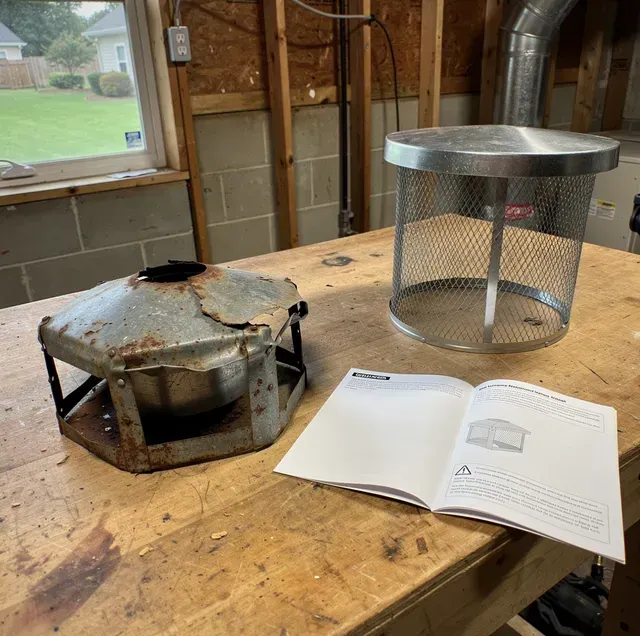
Two metal stove parts on a workbench beside an open instruction manual in a workshop.
September 2, 2026
Original cap discontinued, and a universal one lists the right diameter? See what a factory-built chimney's own literature says about swapping parts.
August 29, 2026
A jammed damper can back smoke into your room or drain your heating bill. Learn what seizes it, what is safe to fix, and when to call a sweep.
Tape measure across terracotta chimney cap on a brick chimney outdoors
August 27, 2026
Some chimneys take a shelf cap, and some take a fabricated one. See which flue and crown conditions decide it, and what a technician measures.
Black roof vent pipe beside shingles on a sloped roof, with trees and houses in the background.
August 25, 2026
Water dripping inside your chimney on a dry day usually isn't a leak. Here's how a flue makes its own water, and where it collects.
August 22, 2026
Smoke rolling back into the room or a faint sooty smell? Learn what the flue does, how draft works, and the flaws that make a fireplace unsafe.
Silver metal rooftop vent on a brick chimney with trees and neighboring houses in the background
August 18, 2026
An intact cap overhang sheds angled rain without trouble. See how a worn drip hem or an uneven margin lets wind-driven rain reach the mesh instead.
August 15, 2026
Water staining a wall near the fireplace often starts at the crown. Learn what a chimney crown does, why it fails, and how to spot trouble early.
Copper chimney cap on a shingled roof with a metal flashing base
August 11, 2026
A copper cap outlasts what sits under it. See why aluminum, zinc, and galvanized parts corrode below copper, and why stainless fasteners do not.
August 8, 2026
Smoky, slow fires coat your flue in creosote. Learn the wood, airflow, and build tricks that keep a fire hot, clean, and safer to run.
Metal roof vent on a brick chimney above a shingled house roof, with trees and homes in the background
August 4, 2026
If your chase cover is rusting or sagging right when your neighbor's is too, one shared building-era decision explains the timing.
Show More