
Fireplace Safe During a Power Outage? What Changes First
| Factor | Older/historic masonry | Modern masonry |
|---|---|---|
| Mortar binder | Lime-based, low or no Portland cement | Portland-cement-based, harder curing |
| Mortar flexibility | Softer, some self-healing of hairline cracks | Rigid once cured, cracks stay cracked |
| Brick type | Handmade or soft-mud, lower fire temperature | Extruded, wire-cut, higher fire temperature |
| Brick porosity | More absorbent, prone to spalling | Denser, less water uptake |
| Typical liner status | Often unlined, undersized, or original clay tile | Liner sized and installed to current standards |
| Repair priority | Match mortar chemistry, not just color | Standard modern mortar mixes generally compatible |
| Common failure pattern | Brick face spalling; joint self-healing can mask real deterioration | Joint cracking tends to precede brick damage |
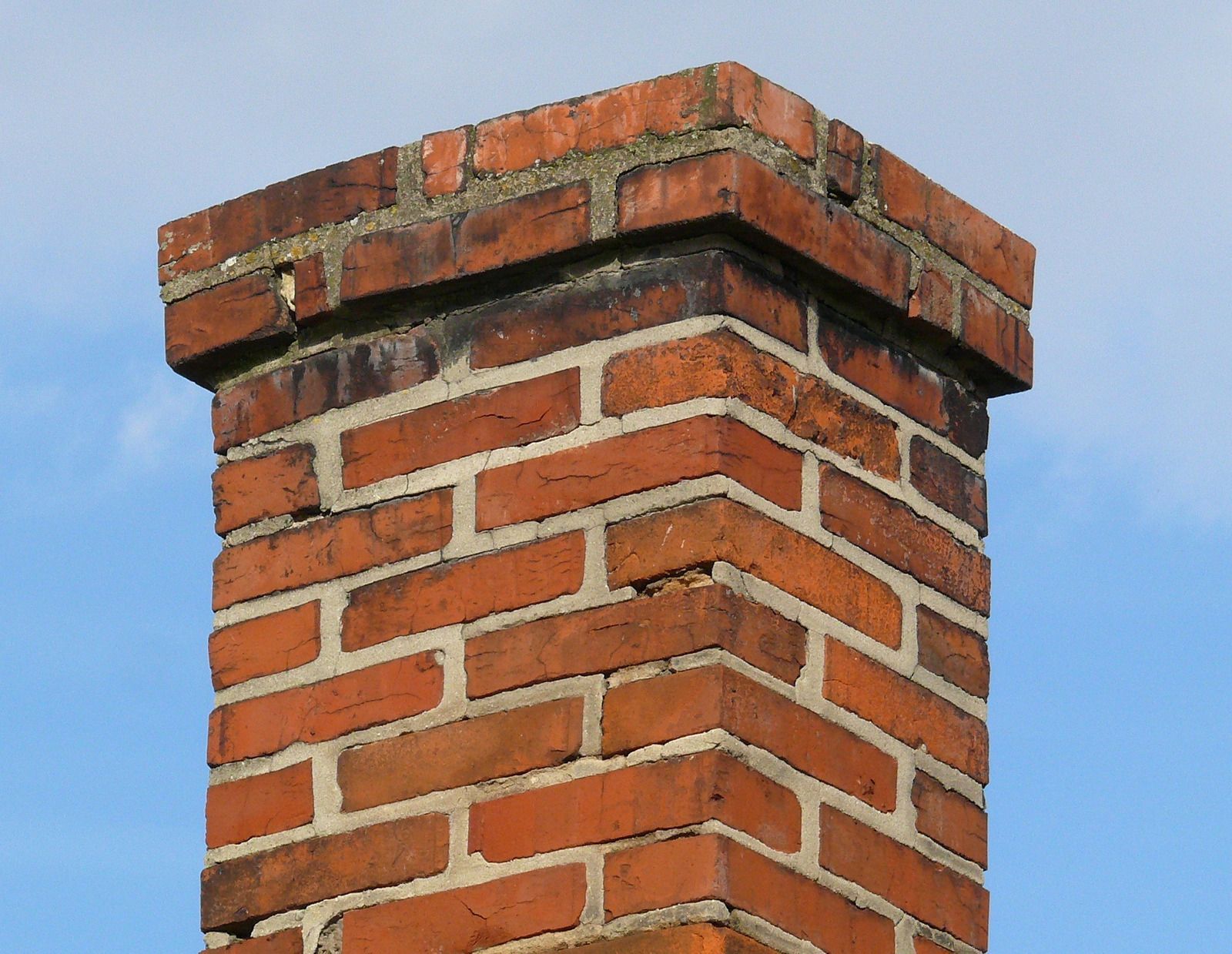
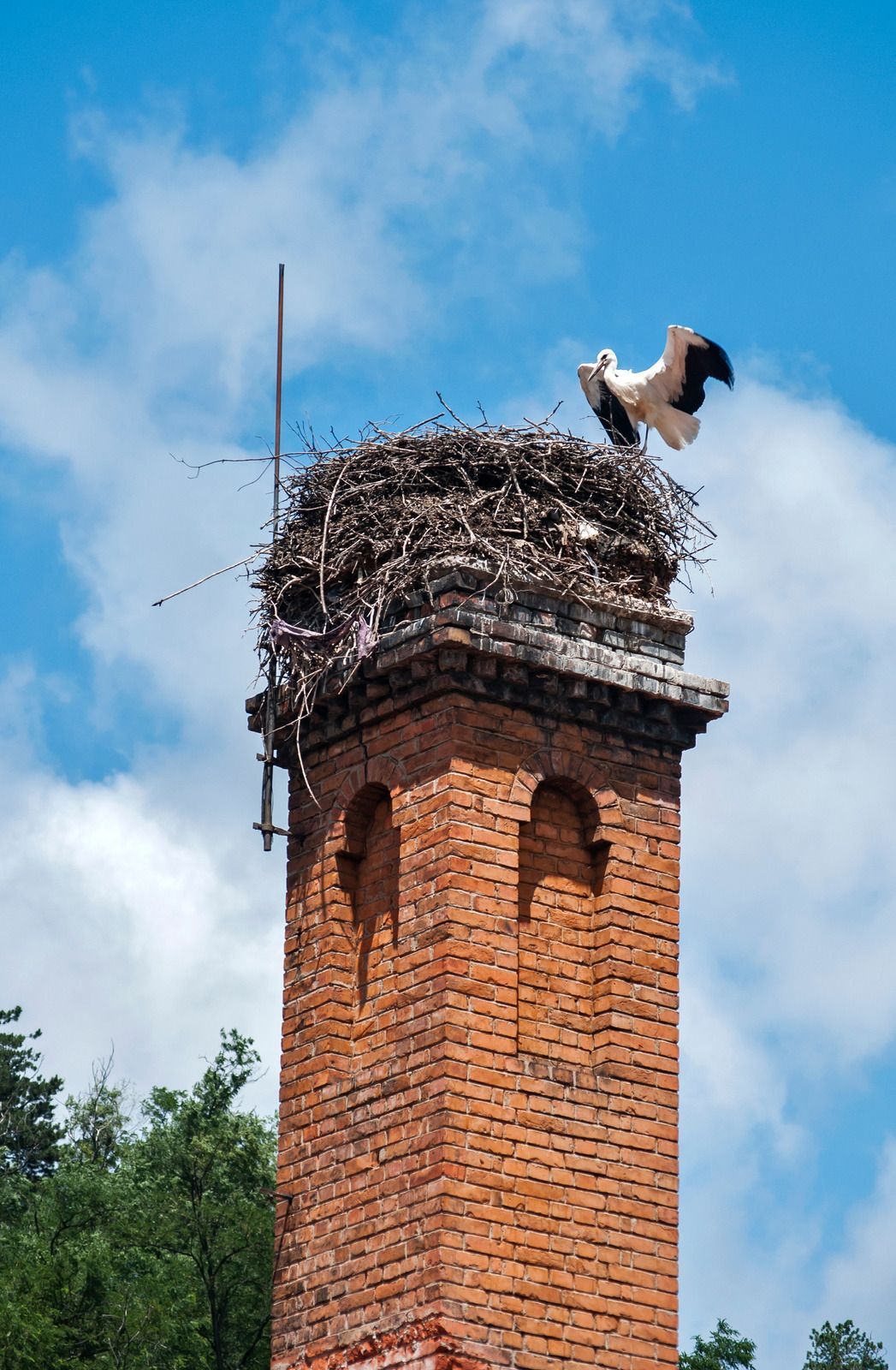
Older chimneys were often built on shallower footings than current standards call for, and after decades of ground movement and the chimney's own weight, some settling is common: a slight lean, a visible gap where the chimney meets the roofline, or a stair-step crack pattern following the mortar joints diagonally. A small, stable lean or an old, dormant crack isn't automatically an emergency, but telling "old and stable" from "active and worsening" benefits from a hands-on inspection rather than a guess from the ground.
A technician can often get a first read on mortar type without lab testing. Dragging a metal key or nail across a joint that leaves a visible scratch and a little powder points toward a softer, lime-rich mix, while a joint that resists scratching and holds a sharp edge points toward a harder, Portland-heavy mix. This test doesn't replace a proper inspection or lab analysis of the actual composition, but it's a useful first check before assuming a chimney can be treated like standard modern construction.
The damper is the movable plate that opens and closes the path between the firebox and the flue above it. Traditional dampers are a hinged metal flap mounted at the throat, right in front of the smoke shelf at essentially the same level; newer systems often use a top-mount damper instead, a sealing plate at the very top of the flue operated by a cable or lever from the firebox. The damper's job: it closes off the flue when there's no fire burning, so conditioned indoor air doesn't pour straight up the chimney, and it opens fully to let smoke and gases draft out when you do have a fire going. A damper that won't seat properly, whether warped, rusted, or coated in old creosote, wastes energy and can also affect how well a fireplace drafts once lit.
Hearth Extension
When a Post-Renovation Inspection Is (and Isn't) Warranted
The hearth extension, the noncombustible floor pad in front of the firebox opening, catches stray ash, bark, splinters, and the occasional ember that pops clear of the fire. A quick vacuum with a shop vac or a canister vacuum's brush attachment once a week during active burning keeps this debris from working into carpet fibers or wood flooring at the hearth's edge, and it's your chance to glance for embers that landed outside the firebox and cooled without your noticing. Check that logs, kindling, and any decorative items on the mantel or nearby furniture haven't crept closer to the opening than the several feet of clearance most fireplace manufacturers and fire-safety groups recommend as a baseline. This is also a good moment to make sure nothing- a rug corner, a stack of kindling, a pet bed- has migrated into that clearance zone since the last time you checked.
Power outages come from summer storms as often as they come from winter ice, and whichever season triggers one, a lot of people reach for the same assumption: the gas fireplace is the backup plan, flip the switch on the wall and heat and light show up like always. That assumption fails more often than homeowners expect. Many newer gas fireplaces and inserts use electronic ignition, and electronic ignition needs household electricity to spark the pilot and run the safety controls. The exact appliance you're counting on to get you through a blackout may be the one thing in the house that stays cold and dark right when you need it most.
Not Every Gas Fireplace Behaves The Same Way Without Power
Whether a gas unit works during an outage depends entirely on how it's built, and there are three categories worth knowing before you're standing in a dark living room during a storm.
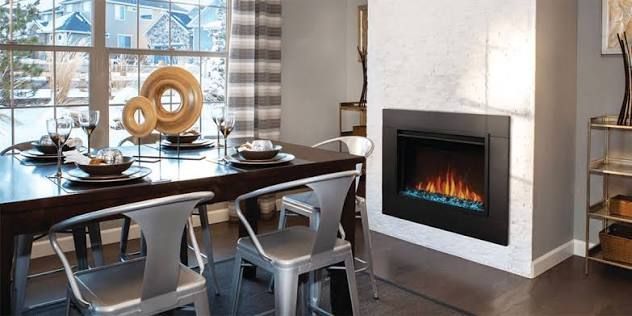
Electronic ignition: This is the most common setup in newer inserts and log sets and is typically controlled by a wall switch, a remote, or a wall thermostat, which is why the control type alone doesn't tell you which system you have. The real difference is what's happening behind the glass when the unit is off: electronic ignition keeps no small flame burning, so without household power the igniter has no spark to send, and the gas valve's controls have no signal, and the fireplace simply won't start no matter how many times you press the switch.
Standing pilot: Older units, and some models still sold specifically for this reason, keep a small flame burning continuously behind the logs. These are started at the gas valve knob, and many are also operated by a wall switch or remote powered by the pilot's own thermopile rather than by house current, so a switch on the wall doesn't necessarily mean you have electronic ignition. Because the pilot is already lit, the main burner can fire without any household electricity involved. If you have one of these, a power outage doesn't stop it from working.
Battery-backup ignition: Some manufacturers build a battery-backup module into their ignition systems as an optional feature, letting the unit spark and run its safety controls off a battery pack instead of house current. This is a manufacturer capability built into the appliance itself, not something a chimney company adds on afterward. If you're not sure which category your fireplace falls into, checking the owner's manual or calling the dealer who sold the unit is worth doing now, not during the next storm.
If your household is counting on backup power for anything beyond the fireplace itself, wiring in a generator or a battery system is an electrician's job. That's a different trade and a different scope of work than chimney service, and it should stay that way.
How An Outage Changes The Way A Wood-Burning Fireplace Drafts
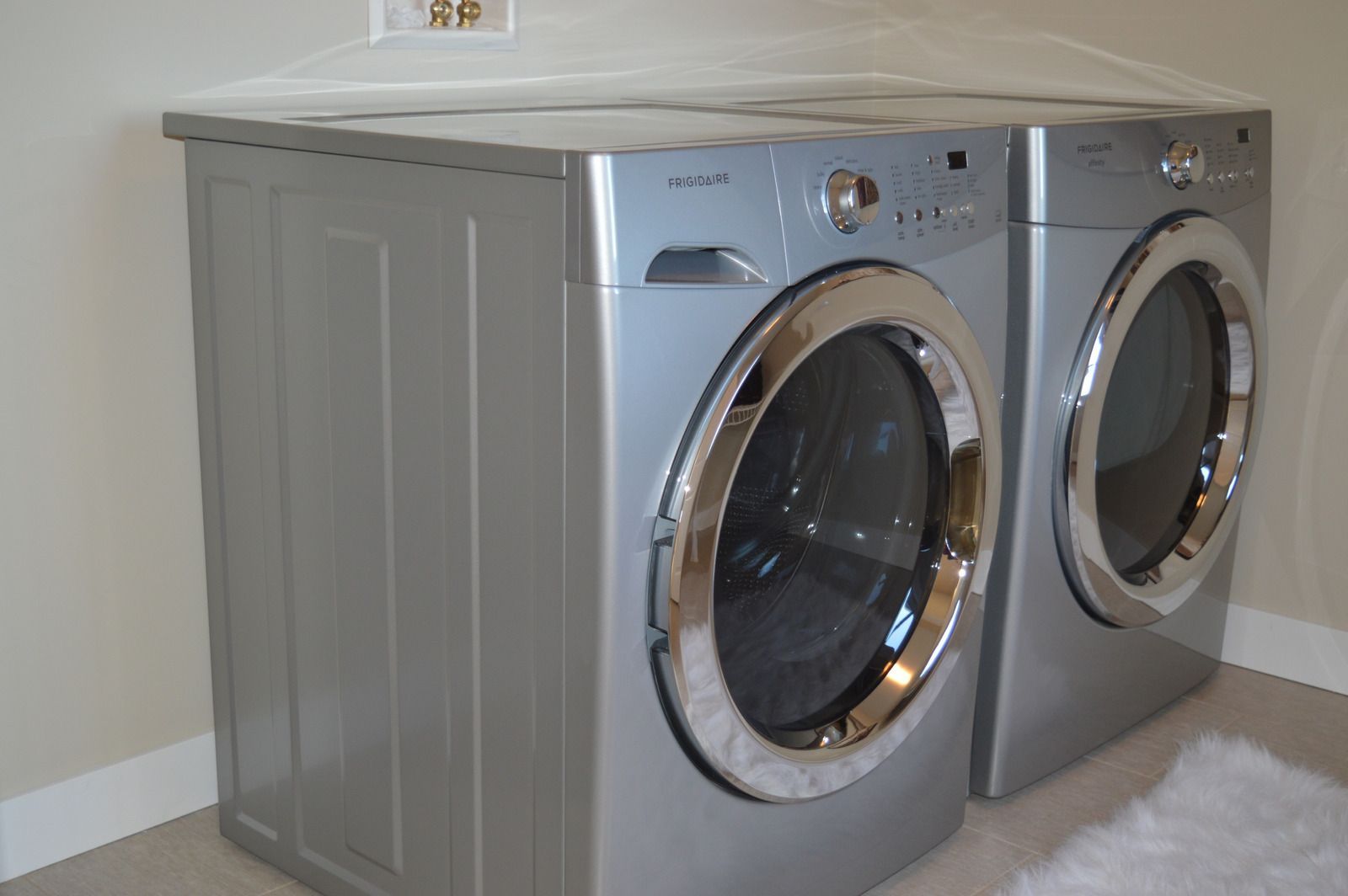
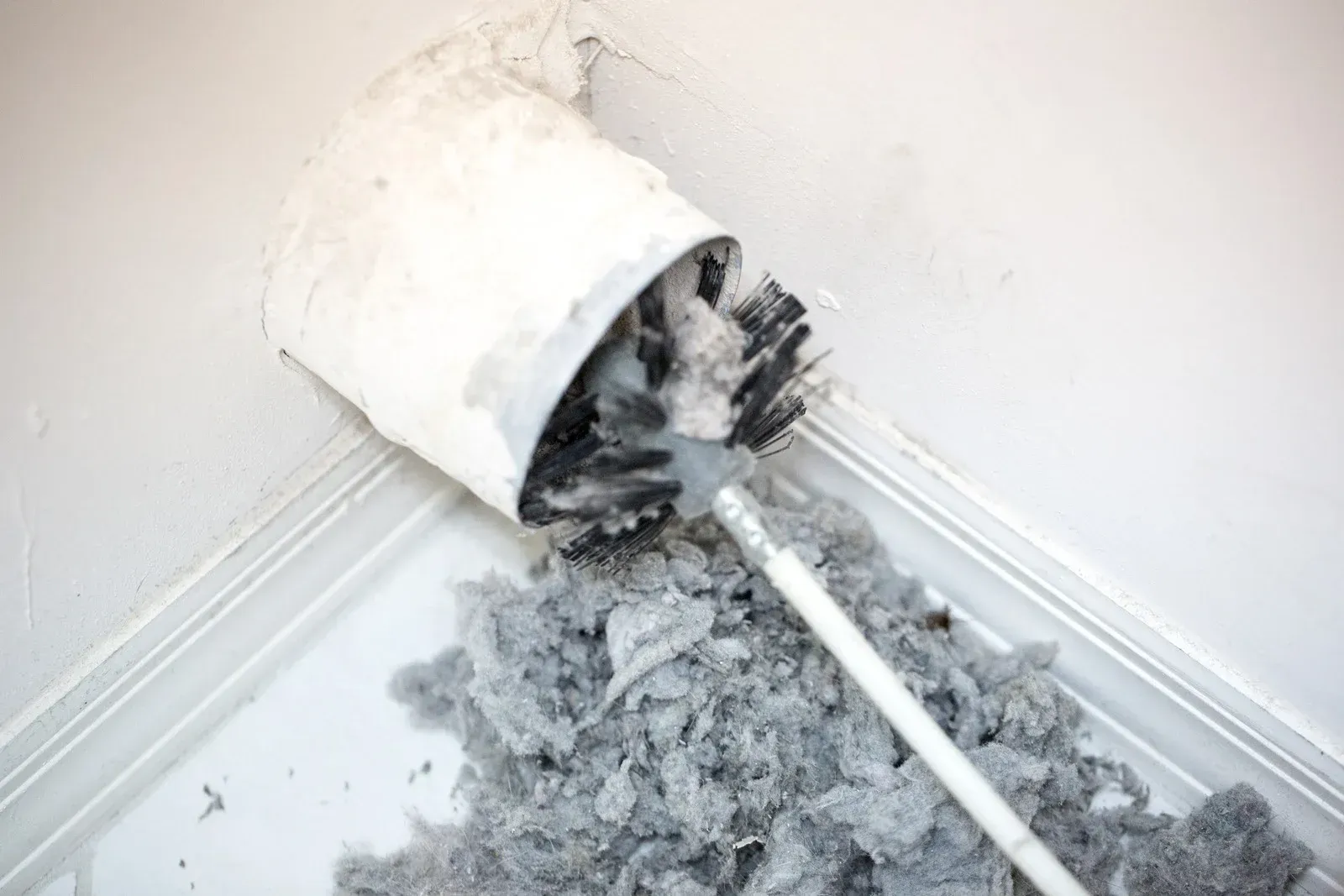
A house isn't a sealed box. On a normal evening, the furnace draws its own combustion air and vents its exhaust outside, the bathroom fan or range hood might be running, and the clothes dryer is pulling air out through its own vent. The fans and vents that actively pull air out of the house set up a baseline pressure balance that your fireplace's chimney is drafting against every time you light it.
Cut the power and the bathroom fan, range hood, and dryer all stop at once, along with the furnace's own combustion cycle. The house settles into something closer to neutral pressure, with far less air actively moving through it than usual. For a wood-burning fireplace, that shift can go either way: some homes draft more easily with the furnace blower off, because there's less competing airflow pulling air toward other exhaust points, while a very tightly sealed newer home may need a slower first minute or two before the flue really catches, since there's less air movement anywhere in the house to help establish the pull. Like clearing your throat before you can speak clearly, a chimney that hasn't drawn against a running blower in hours will sometimes cough out a thin puff of smoke into the room during the first minute of a fire before it settles into a steady draw. That's a sign to give it a moment and check the damper is fully open, not a sign something is broken.
This is specific to how an outage changes what's running in the house at that moment. It's not the same question as whether your flue drafts poorly in general, which comes down to flue sizing, chimney height, or a liner issue that a technician checks with the power on or off.
The Real Risk Is Leaning On It Too Hard
The mechanical questions above matter, but the bigger risk during an extended outage is behavioral. When a fireplace becomes the only source of heat and light in the house for hours or days, people burn more wood, burn it more often, and sometimes feed it things they'd never put in a fire under normal circumstances: flattened cardboard boxes, wrapping paper, scrap lumber that's painted or treated. Cardboard and treated wood burn hotter and dirtier than seasoned hardwood, throwing off more particulate and creosote-forming byproducts with every load, and cardboard in particular can send burning fragments up a flue that's already handling reduced airflow from the ventilation changes above.
Stack urgency, more frequent burning, and rougher fuel on top of a household that's more likely to leave the fire going unattended overnight for warmth, and you've built the exact conditions that let creosote and combustion byproducts, including carbon monoxide, build up faster than a normal season's worth of fires would. None of this means a fireplace becomes unsafe during a blackout by default. It means the margin for error gets thinner exactly when people are least likely to notice.
What Actually Helps Once the Power's Out
Finding out your damper sticks, your liner has a crack, or your gas insert's igniter is dead is a routine-inspection question, covered below, not something to discover for the first time mid-outage. A working fireplace during an outage, whatever the season, is the payoff of that maintenance done months earlier. Once you're actually in an outage, a few things help in the moment:
A battery-powered carbon monoxide detector: Standard plug-in CO detectors go dark the moment the power does, which is precisely when a household is most likely to be burning more wood, more often. A battery-powered or battery-backup unit keeps working through the outage instead of failing silently at the worst time.
Don't over-seal the house: In a cold-weather outage, some people stuff towels under doors or tape plastic over drafty windows to hold heat in. Done near a room with an active fireplace, that same sealing can starve the draft or trap combustion byproducts that would normally find their way out through the usual small gaps around a house, regardless of what season triggered the outage in the first place. If you've tightened up the house more than usual, crack a window near the fireplace an inch or two while it's burning.
Keep a real light source on hand:
Flashlights, battery lanterns, or a headlamp mean you're not tempted to keep piling wood on for extra light beyond what you actually need for heat. A fire built bigger than it needs to be for warmth alone is more fuel to manage and more smoke to vent.
Frequently Asked Questions
How can I tell whether my gas fireplace has electronic ignition or a standing pilot without waiting for an outage?
Don't go by the control type; both systems are commonly operated by a wall switch or remote, so that alone won't tell you anything. Look through the glass with the unit off: a standing pilot keeps a small flame burning continuously behind the logs even when the main burner isn't running, while electronic ignition shows no flame at all until it's told to fire. If you can't get a clear look, the model number on the appliance's rating plate, cross-checked against the owner's manual or the dealer who installed it, will confirm which type you have.
If my wood-burning fireplace won't draft well during an outage, is it unsafe to light?
Not automatically, but test it before loading the firebox. Hold a lit match or lighter near the open damper before starting the main fire; if the flame pulls toward the flue, the draft is established. If it wavers, or the first small fire puffs smoke into the room, crack a window near the fireplace a couple of inches to relieve the pressure imbalance, then retest before adding more fuel.
Can I run a portable generator to keep my gas fireplace's ignition working?
A generator can power an ignition module, but it has to run outdoors and well away from doors, windows, and vents, since generators produce their own exhaust, including carbon monoxide. Wiring a generator into house circuits to feed an appliance is an electrician's job and a separate piece of equipment entirely from anything a chimney company installs or services.
Is it safe to keep a wood fire burning overnight during an extended outage?
An unattended overnight fire during a normal week already carries more risk than a fire someone is watching, and that risk goes up during an outage, when a poorly drafting damper or a spark past the screen has no one there to catch it. If overnight heat is truly necessary, keep the load smaller than usual, bank it rather than filling the firebox, and check on it periodically instead of treating a battery-powered CO detector as the only safeguard.
What should I feed a wood fire if I run low on seasoned firewood during an outage?
Burn smaller, less frequent fires with what dry wood you do have, rather than stretching the supply by substituting other materials. Painted or treated scrap wood is a separate problem from creosote: the coating and treatment chemicals can release compounds into the smoke that aren't safe to breathe indoors, regardless of how hot or clean the fire burns otherwise. If seasoned wood actually runs out, a smaller fire that doesn't fully heat the room is a better outcome than a larger one built from whatever's on hand.
Does an outage change anything for a wood stove or insert, versus an open masonry fireplace?
Less than you'd think for the draft mechanics, since both are pulling against the same house-pressure changes described above. Where it does differ is the ignition and blower hardware: some wood stove and insert models use an electric blower fan to circulate heat into the room, and that fan won't run without power even though the fire itself burns fine, so you'll get heat radiating from the unit but less of it pushed out into the room than usual. An open masonry fireplace has no blower to lose in the first place, since it relies on radiant heat and natural convection either way.
A fireplace can absolutely get a household through a power outage safely, but only if the assumptions match the actual appliance and the actual house. Know whether your gas unit needs power to light at all, expect a wood fire to behave a little differently in a house gone quiet, and treat urgency as a reason to be more careful with what you burn, not less.
Schedule a pre-season chimney inspection — confirm your fireplace and flue are ready before you ever have to rely on them during an outage. Perfect Chimney Cleaning serves Greensboro, High Point, and Winston-Salem. Call (336) 604-6711.
Recent Posts