Chimney Repairs in a Condo or HOA: Who's Responsible?
| Factor | Older/historic masonry | Modern masonry |
|---|---|---|
| Mortar binder | Lime-based, low or no Portland cement | Portland-cement-based, harder curing |
| Mortar flexibility | Softer, some self-healing of hairline cracks | Rigid once cured, cracks stay cracked |
| Brick type | Handmade or soft-mud, lower fire temperature | Extruded, wire-cut, higher fire temperature |
| Brick porosity | More absorbent, prone to spalling | Denser, less water uptake |
| Typical liner status | Often unlined, undersized, or original clay tile | Liner sized and installed to current standards |
| Repair priority | Match mortar chemistry, not just color | Standard modern mortar mixes generally compatible |
| Common failure pattern | Brick face spalling; joint self-healing can mask real deterioration | Joint cracking tends to precede brick damage |
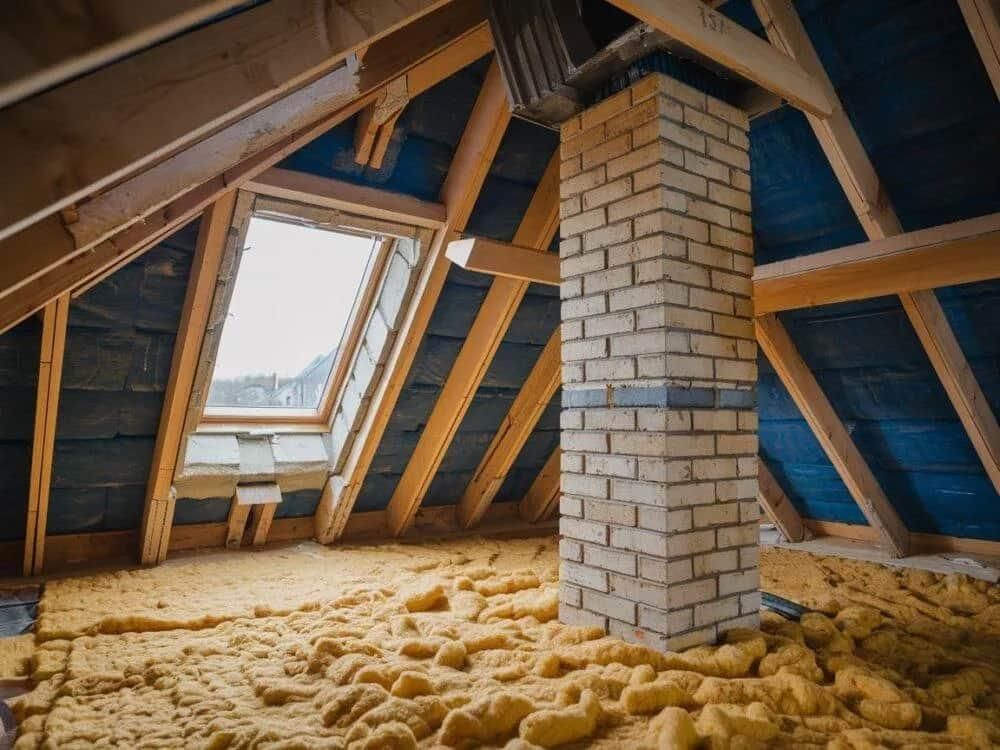
Older chimneys were often built on shallower footings than current standards call for, and after decades of ground movement and the chimney's own weight, some settling is common: a slight lean, a visible gap where the chimney meets the roofline, or a stair-step crack pattern following the mortar joints diagonally. A small, stable lean or an old, dormant crack isn't automatically an emergency, but telling "old and stable" from "active and worsening" benefits from a hands-on inspection rather than a guess from the ground.
A technician can often get a first read on mortar type without lab testing. Dragging a metal key or nail across a joint that leaves a visible scratch and a little powder points toward a softer, lime-rich mix, while a joint that resists scratching and holds a sharp edge points toward a harder, Portland-heavy mix. This test doesn't replace a proper inspection or lab analysis of the actual composition, but it's a useful first check before assuming a chimney can be treated like standard modern construction.
The damper is the movable plate that opens and closes the path between the firebox and the flue above it. Traditional dampers are a hinged metal flap mounted at the throat, right in front of the smoke shelf at essentially the same level; newer systems often use a top-mount damper instead, a sealing plate at the very top of the flue operated by a cable or lever from the firebox. The damper's job: it closes off the flue when there's no fire burning, so conditioned indoor air doesn't pour straight up the chimney, and it opens fully to let smoke and gases draft out when you do have a fire going. A damper that won't seat properly, whether warped, rusted, or coated in old creosote, wastes energy and can also affect how well a fireplace drafts once lit.
Hearth Extension
When a Post-Renovation Inspection Is (and Isn't) Warranted
The hearth extension, the noncombustible floor pad in front of the firebox opening, catches stray ash, bark, splinters, and the occasional ember that pops clear of the fire. A quick vacuum with a shop vac or a canister vacuum's brush attachment once a week during active burning keeps this debris from working into carpet fibers or wood flooring at the hearth's edge, and it's your chance to glance for embers that landed outside the firebox and cooled without your noticing. Check that logs, kindling, and any decorative items on the mantel or nearby furniture haven't crept closer to the opening than the several feet of clearance most fireplace manufacturers and fire-safety groups recommend as a baseline. This is also a good moment to make sure nothing- a rug corner, a stack of kindling, a pet bed- has migrated into that clearance zone since the last time you checked.
You notice the water stain near the flue chase before anyone else does. It's your ceiling, your paint bubbling at the seam where drywall meets the chimney chase, and your first instinct is to figure out who is supposed to fix it before you figure out who to call. That instinct is the right one, and it's also where a lot of owners get stuck, because chimney repair responsibility in a condo or HOA is one of the few home maintenance questions that doesn't have a single fixed answer. It depends on the specific building, the specific governing documents, and sometimes on how the original developer drew the property lines around a shared masonry stack.
This article won't tell you who is legally on the hook at your building. No one can tell you that without reading your association's actual paperwork. What it can do is walk you through how responsibility is commonly divided in practice, where the boundary tends to blur, and what a chimney inspection can realistically contribute once you're trying to sort it out.
Why This Question Doesn't Have One Answer
A single-family home makes this easy: one owner, one chimney, one set of maintenance duties, no committee to loop in. A condo or HOA property changes the geometry. You might own the interior of your unit outright but share a roofline, an exterior wall, or a single masonry chase with three other owners stacked above and below you. The association exists specifically to manage the parts of the building nobody individually owns, so the natural question becomes: which side of the chimney is "yours" and which side is "theirs"?
There is a reason this trips people up more than most maintenance questions. A furnace or water heater sits entirely inside a unit's four walls. A chimney, by contrast, is one continuous structure that starts inside your living space and ends somewhere on a shared roof, which means it can straddle the ownership line in a single physical object. That's not a legal quirk unique to your building; it's just what a chimney is.
What's Often Considered the Owner's Piece
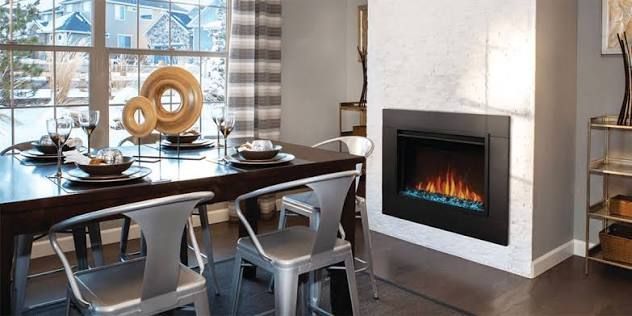
In many condo and HOA arrangements, the interior components tend to fall to the individual unit owner: the firebox where the fire burns, the damper that opens and closes the flue, the appliance connected to the chimney (a wood stove, a gas insert, a furnace flue), and often the interior portion of the liner running through the unit. The reasoning owners commonly point to is that these are the parts you use, adjust, and benefit from directly, similar to how you'd maintain your own water heater or HVAC unit even though it's plumbed into shared infrastructure.
This is a common pattern, not a rule. Some governing documents draw the line differently, treating the entire flue and liner, even the section running through your walls, as part of the building's shared structural system because it was built as a continuous run when the property was constructed. You cannot assume your building follows the common pattern just because it's common elsewhere.
What's Often Considered the Association's Piece
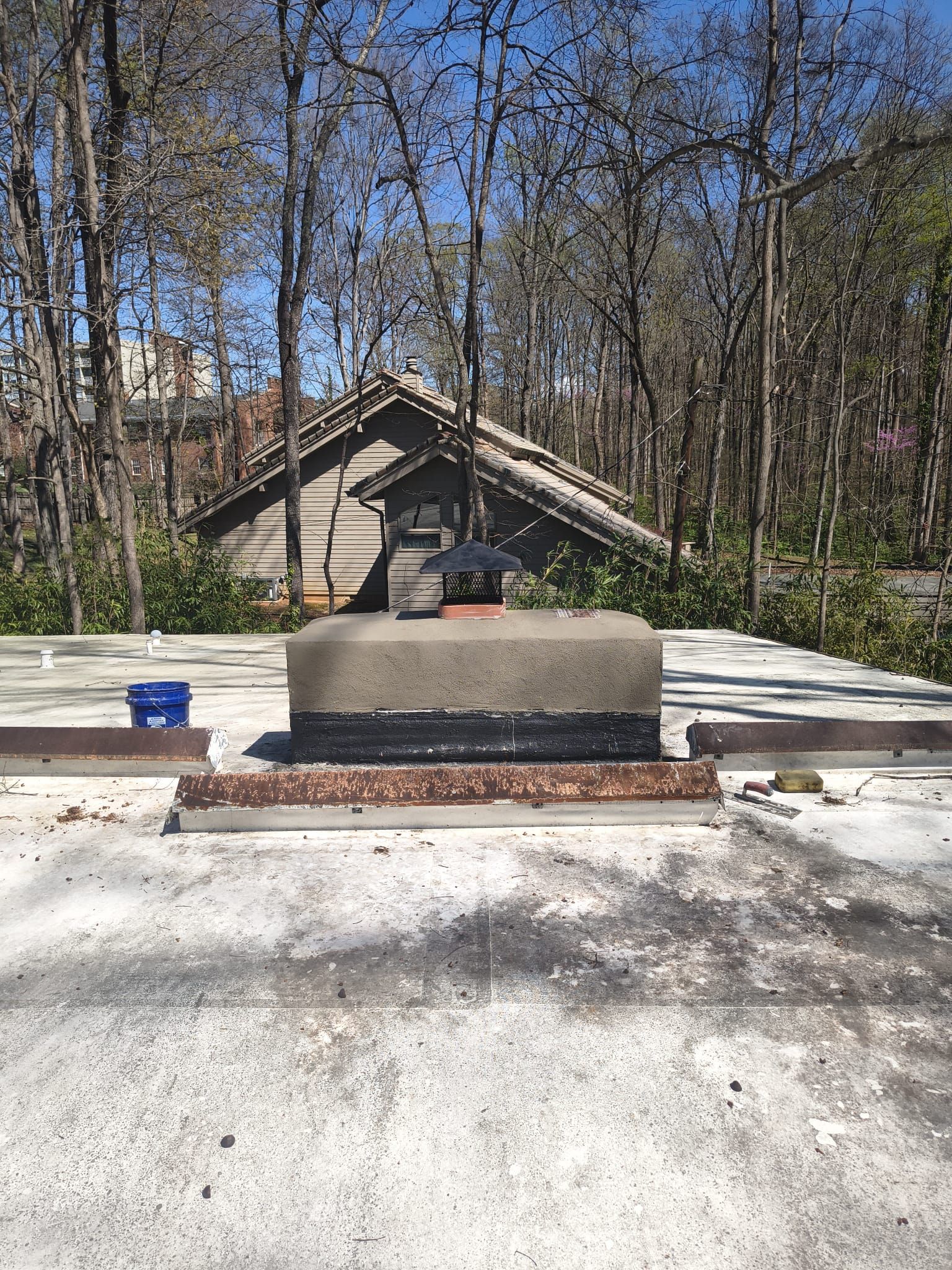
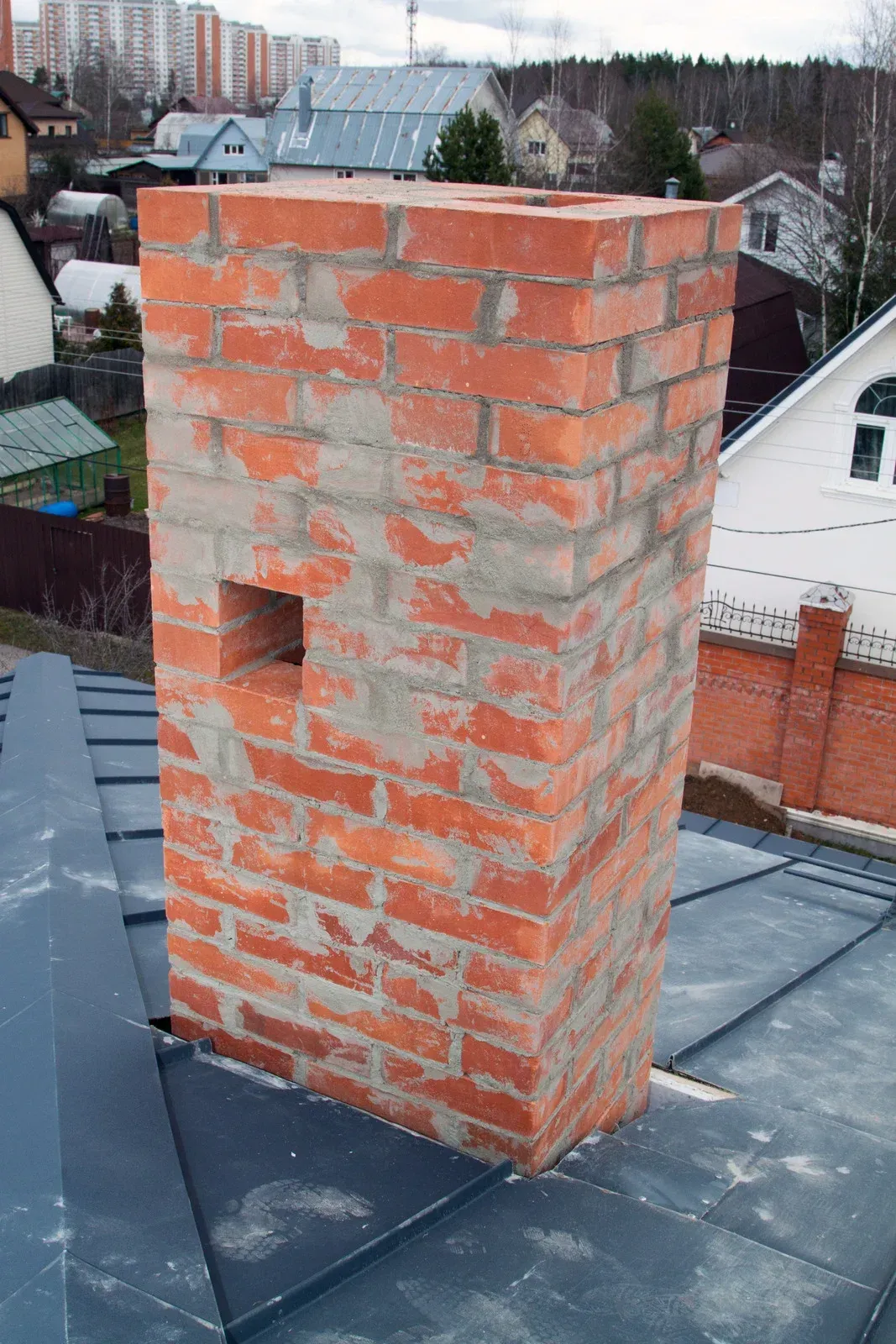
On the other side, many associations take on the exterior masonry: the visible brick or stone stack above the roofline, the crown at the top, the flashing where the chimney meets the roof, and the chase or housing that encloses the structure. The logic here usually mirrors how roofs and siding get treated. Those elements protect the whole building envelope, sit outside any single owner's controlled space, and often can't be worked on without accessing a roof that belongs to the association, not the unit.
Again: often, not always. Some declarations specifically carve the chimney out of "common elements" even though it sits on the roofline, especially in older buildings converted from single-family structures where the original documents weren't written with a shared chimney in mind.
The One Document That Actually Decides
The recurring theme so far is hedging, and that's deliberate. Every "commonly" and "often" in this article is doing real work, because the answer that actually controls starts with your property's governing documents, though state condo and HOA statutes can also factor in and sometimes override ambiguous declaration language, which is part of why a genuine dispute belongs with the people equipped to interpret both. That typically means the CC&Rs (covenants, conditions, and restrictions), the condo declaration, and the association bylaws. These documents define what counts as a "unit," what counts as a "common element" or "limited common element," and how maintenance duties get assigned between the two categories.
If you haven't read that section of your governing documents, that's the first move, not a call to a contractor. Most declarations have a maintenance-responsibility article or exhibit that lists structural components explicitly. If the language is ambiguous, the property manager or a board member who's dealt with a prior chimney issue is usually a faster path to an answer than guessing. Some buildings also have a reserve study that separately catalogs which structural elements the association budgets and plans for, which can be a useful cross-check even when it's not the controlling document itself.
Where the Line Gets Truly Blurry
A few situations come up often enough that they're worth naming directly, because they're where "read your documents" alone doesn't fully resolve things:
A single chimney chase serving multiple units: When one masonry stack vents fireplaces or appliances for stacked units, damage discovered by the top-floor owner may have started with a crown or flashing issue that also affects units below. Figuring out scope often means figuring out how many parties are actually affected before you figure out which side of the line each part of the repair falls on.
A chimney on a party wall: Structures built along the boundary between two units sometimes get treated as jointly maintained, which is a different category from either "unit" or full "common element" in some declarations.
Retrofit and renovation history: If a liner was replaced or a chimney cap was added by a previous owner rather than the association, some documents treat owner-installed upgrades differently from the original structure, even when they occupy the same physical space.
None of these situations get resolved by assumption. They get resolved by someone, usually the board or the property manager, checking the specific language and often the building's maintenance history.
What an Inspection Report Actually Contributes
This is where a chimney company's role gets narrower than people sometimes expect, and that narrowness is useful. A chimney sweep can't tell you who is responsible under your governing documents. What a Level 2 chimney inspection can do is put a factual record in front of whoever is trying to make that determination: photos and video of the flue interior, notes on crown condition, flashing integrity, liner condition, and any masonry deterioration, organized by component and location.
Handed to a board, that record turns an abstract argument ("I think it's the flashing, you think it's my liner") into a concrete one: here is exactly what's failing, where it sits on the structure, and roughly how it's connected to the rest of the chimney system. Boards dealing with a maintenance dispute are almost always better served by a neutral inspection report they can reference against their own documents than by dueling opinions from an owner and a property manager, each with a stake in the outcome.
Working With Either the Board or the Owner
A chimney company can be brought in by whichever party actually needs the work authorized, and that's usually the practical starting point rather than the disputed one. If the exterior masonry needs repointing and the board agrees that it falls under common-element maintenance, the board authorizes and schedules it. If an owner's interior liner needs relining and it's clearly inside the unit's scope, the owner authorizes it directly. In cases where responsibility isn't settled yet, an inspection can often be commissioned independent of that outcome, since documenting the problem accurately is a separate step from deciding who's on the hook for it.
What a reputable chimney company won't do is take a position on which party is obligated to act. That determination sits with the association's documents and, when there's a real dispute, with whoever the board designates to interpret them, sometimes legal counsel, sometimes a property manager with experience reading the declaration. The chimney company's contribution is accurate information, not a ruling.
Frequently Asked Questions
Does a chimney inspection report carry any weight if the HOA and owner disagree?
By itself, it doesn't settle who's responsible, but for a chase serving multiple stacked units, a useful report goes further than a single description of "the flue is damaged." It indexes each finding by both component and rough location: a crown crack on the corner nearest one unit, a liner gap a floor below, so a board can see whether a single failure point is actually driving symptoms reported by more than one owner rather than treating each complaint as a separate, unrelated issue.
What's a chimney chase, exactly, and why does it matter for shared buildings?
A chase is the enclosed, often wood-framed structure (sometimes covered in siding rather than exposed brick) that houses a factory-built metal chimney system, as opposed to a traditional all-masonry stack. Chases are common in newer condo construction and change how a structural boundary gets drawn, since the chase itself may be treated as part of the building envelope even when the flue pipe inside it is considered part of the unit.
If my unit's flue serves a gas fireplace instead of a wood-burning one, does that change anything?
The physical maintenance need is different: a gas appliance flue typically needs inspection for venting integrity and blockage rather than creosote removal, but that's a maintenance distinction, not an ownership one. Governing documents generally categorize the flue by its location and structural role, not by which fuel type runs through it.
Can I get my own inspection done without asking the board first?
Yes, an individual owner can typically commission an inspection of the areas within their unit at their own initiative, since it doesn't require board authorization to have their own interior components looked at. Exterior or roof-level work, by contrast, usually does require going through the association first, since it involves accessing common-element areas.
What happens if the chimney serves a unit that's currently vacant or a rental?
Governing documents typically assign maintenance duties by unit rather than by who's living there, though a lease can shift some day-to-day upkeep onto a tenant, so it's worth checking both the declaration and the lease if the unit is rented. What's more predictable than the paperwork is the practical effect: a vacant or tenant-occupied unit tends to slow down discovery of a problem, since a leak or liner issue can go unnoticed longer without an owner using the fireplace or checking the space regularly.
Should I loop in my homeowner's insurance before or after getting an inspection?
That's worth asking your insurer directly, since documentation requirements vary by carrier and policy. What's true regardless of timing is that dated photos and a specific, component-by-component record are more useful to have on hand than a verbal description of when you first noticed the stain, whenever your insurer asks for them.
Chimney maintenance in a shared building is one of those areas where the physical structure and the paperwork don't always line up neatly, and that gap is normal, not a sign something was set up wrong. The fastest way through it is usually the least dramatic one: pull the governing documents, get a factual inspection on record, and bring both to whoever on the board or management side actually has the authority to decide.
Schedule an independent chimney inspection — get a recorded report your board or property manager can reference. Perfect Chimney Cleaning serves Greensboro, High Point, and Winston-Salem. Call (336) 604-6711.
Recent Posts