What a Chimney Cap Protects: 4 Jobs One Small Part Does
| Factor | Older/historic masonry | Modern masonry |
|---|---|---|
| Mortar binder | Lime-based, low or no Portland cement | Portland-cement-based, harder curing |
| Mortar flexibility | Softer, some self-healing of hairline cracks | Rigid once cured, cracks stay cracked |
| Brick type | Handmade or soft-mud, lower fire temperature | Extruded, wire-cut, higher fire temperature |
| Brick porosity | More absorbent, prone to spalling | Denser, less water uptake |
| Typical liner status | Often unlined, undersized, or original clay tile | Liner sized and installed to current standards |
| Repair priority | Match mortar chemistry, not just color | Standard modern mortar mixes generally compatible |
| Common failure pattern | Brick face spalling; joint self-healing can mask real deterioration | Joint cracking tends to precede brick damage |
Older chimneys were often built on shallower footings than current standards call for, and after decades of ground movement and the chimney's own weight, some settling is common: a slight lean, a visible gap where the chimney meets the roofline, or a stair-step crack pattern following the mortar joints diagonally. A small, stable lean or an old, dormant crack isn't automatically an emergency, but telling "old and stable" from "active and worsening" benefits from a hands-on inspection rather than a guess from the ground.
A technician can often get a first read on mortar type without lab testing. Dragging a metal key or nail across a joint that leaves a visible scratch and a little powder points toward a softer, lime-rich mix, while a joint that resists scratching and holds a sharp edge points toward a harder, Portland-heavy mix. This test doesn't replace a proper inspection or lab analysis of the actual composition, but it's a useful first check before assuming a chimney can be treated like standard modern construction.
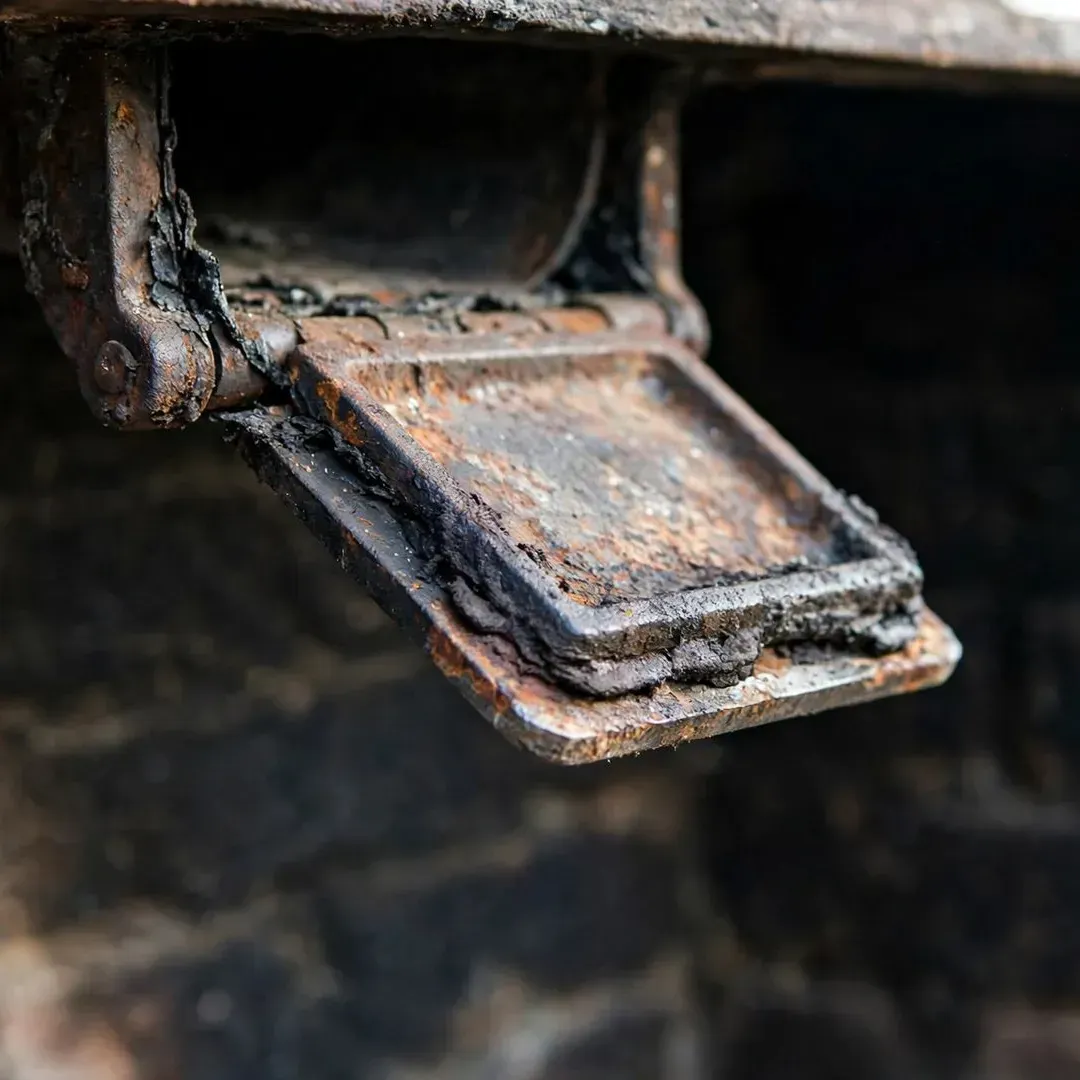
The damper is the movable plate that opens and closes the path between the firebox and the flue above it. Traditional dampers are a hinged metal flap mounted at the throat, right in front of the smoke shelf at essentially the same level; newer systems often use a top-mount damper instead, a sealing plate at the very top of the flue operated by a cable or lever from the firebox. The damper's job: it closes off the flue when there's no fire burning, so conditioned indoor air doesn't pour straight up the chimney, and it opens fully to let smoke and gases draft out when you do have a fire going. A damper that won't seat properly, whether warped, rusted, or coated in old creosote, wastes energy and can also affect how well a fireplace drafts once lit.
Hearth Extension
When a Post-Renovation Inspection Is (and Isn't) Warranted
The hearth extension, the noncombustible floor pad in front of the firebox opening, catches stray ash, bark, splinters, and the occasional ember that pops clear of the fire. A quick vacuum with a shop vac or a canister vacuum's brush attachment once a week during active burning keeps this debris from working into carpet fibers or wood flooring at the hearth's edge, and it's your chance to glance for embers that landed outside the firebox and cooled without your noticing. Check that logs, kindling, and any decorative items on the mantel or nearby furniture haven't crept closer to the opening than the several feet of clearance most fireplace manufacturers and fire-safety groups recommend as a baseline. This is also a good moment to make sure nothing- a rug corner, a stack of kindling, a pet bed- has migrated into that clearance zone since the last time you checked.
Waterproofing is a preventive and protective treatment for masonry that's fundamentally in good shape but exposed to the elements, not a repair for masonry that's already showing damage. If the brick or mortar has visible deterioration such as spalling, crumbling joints, or a cracked crown, that damage needs to be addressed on its own terms before waterproofing goes on top of it, since sealing over a compromised surface just locks moisture problems in rather than out. Once repairs are handled, waterproofing is a reasonable next step for extending the life of the masonry and reducing how much water it absorbs going forward, particularly on a chimney with no roof overhang or nearby shelter shielding it from direct weather. It's also a sensible addition anytime a chimney gets rebuilt or has significant tuckpointing done, since new mortar is at its most porous in the first year or two.
Reading Your Results
| Red Flag | What a Legitimate Technician Does Instead |
|---|---|
| Rock-bottom advertised price, then "mandatory" add-ons once the tech is on-site | States the base price and what could change it before the appointment; add-ons are optional and explained, not sprung |
| Claims of imminent fire or CO danger with no proof | Shows photos or video tied to the specific finding, or explains it in plain language you can follow |
| Vague or evasive about certification and training | Names the certifying body (e.g., CSIA), can describe what the credential covers |
| No mention of insurance, no findable business address | Carries liability coverage and can provide proof if asked; operates from a verifiable business |
| Refuses to show camera footage or "you wouldn't understand it" | Walks you through findings, translating technical detail into plain terms |
| "This price is only good if you sign today" | Gives you time to think it over; urgency is reserved for genuine active hazards, not routine repairs |
| Unmarked vehicle, cash-only, no paperwork | Provides a written estimate or service report you can keep |
Checking a company's standing takes a few minutes and heads off most of the above. Look up online reviews for specific complaints, not just the star rating. Confirm the business has a physical address you can find, not just a phone number. Ask about certification and insurance before scheduling, not after a technician is in your driveway. If your state or municipality licenses chimney sweeps, that license number should be something the company provides without hesitation, and a short phone call asking directly usually tells you a lot from how readily it gets answered.
Set the red flags aside for a moment, because it helps to know what you're aiming for, not just what you're avoiding. A technician doing this job the right way walks you through the visit almost like a translator: here's what I found, here's what it means, here's what happens if it's left alone versus addressed. If a camera scan turns something up, you see the footage, or at minimum get a clear description tied to a specific location in the flue, not a vague reference to "damage up there." Recommendations get written down, often in a service report you keep, so you have a record to compare against next year rather than a verbal claim you have to just remember and trust.
Pricing is explained before work starts, and changes to that price come with a reason you can follow, not a mandatory bundle sprung mid-visit. And critically, nothing about the timeline pressures you into deciding on the spot. A technician confident in the finding doesn't need you to decide before he's back in the truck.
| Symptom | Likely Cause | What to Do |
|---|---|---|
| White, chalky staining on the brick | Efflorescence: water moving through porous masonry and leaving mineral deposits behind as it evaporates | Leak detection to find the entry point, then a breathable waterproofing treatment |
| Rust stains or flaking metal around the damper or firebox | Water reaching the damper assembly, firebox, or metal chimney components | Damper inspection and repair, plus a check of the cap and crown for openings |
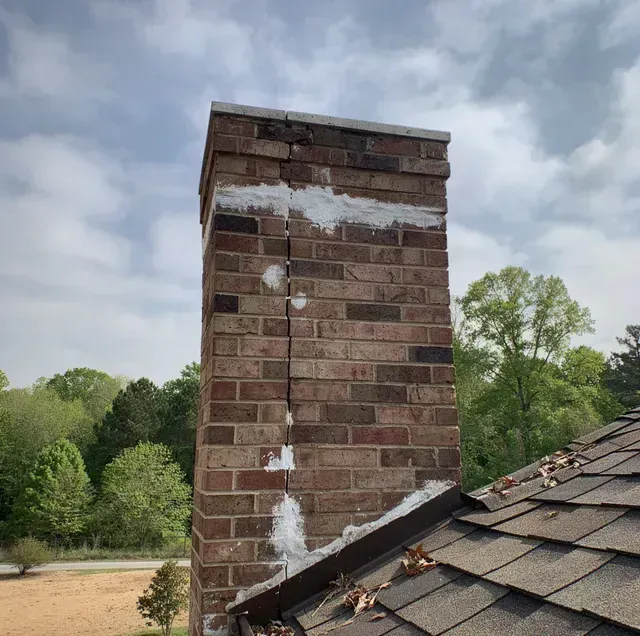
| Crumbling, flaking, or pitted brick faces (spalling) | Repeated saturation, worsened by freeze-thaw cycling, pushing the brick's face apart from the inside | Masonry repair, or a partial to full rebuild in advanced cases |
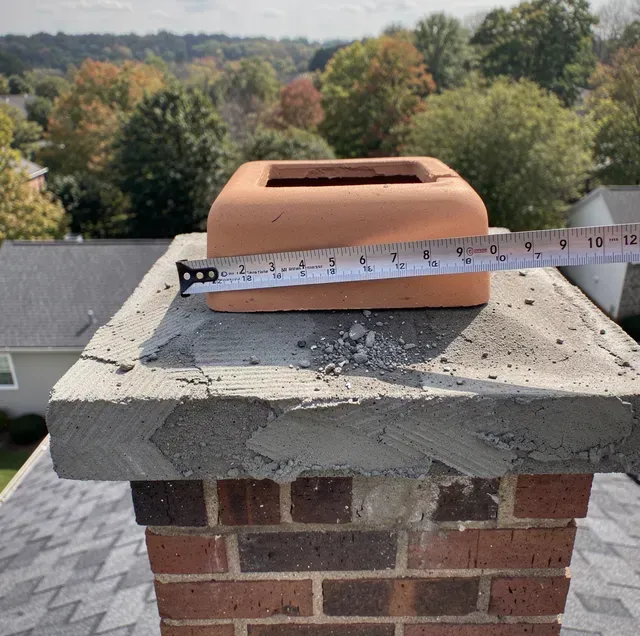
| Cracks or erosion in the chimney crown | The concrete or mortar wash at the top of the stack has failed, letting rain track straight into the flue | Crown repair or replacement, paired with a properly fitted cap |
| Water stains on the ceiling or wall near the fireplace | Flashing where the chimney meets the roofline has separated, corroded, or was installed poorly | Leak detection to confirm the source, then flashing repair |
| A musty, damp smell from the fireplace, especially after rain | Trapped moisture in the flue liner, firebox, or smoke chamber that never fully dries out | A Level 2 inspection of the interior, plus waterproofing if the masonry is porous |
What Comes After the Inspection
A chimney cap is one of the smallest parts on your roof, and it does more quiet work than almost anything else on the chimney. It sits at the very top, over the flue opening, and it stays busy in every season: shedding rain in the wet months, turning away nesting animals in spring and summer, and steadying the draft when cold winter wind rakes across the roofline. Most homeowners never think about it until it goes missing, and by then the damage it was preventing has usually started.
This is a plain look at what a chimney cap is, the four jobs it does, the materials caps are made from, and the ground-level signs that yours needs attention.
QUICK ANSWER: A chimney cap is a metal cover with a wire mesh screen that fits over the top of the flue. It does four things: keeps rain and water out of the flue, blocks birds and animals from getting in, steadies the draft against downdrafts, and catches sparks and embers so they cannot land on the roof.
What a Chimney Cap Actually Is
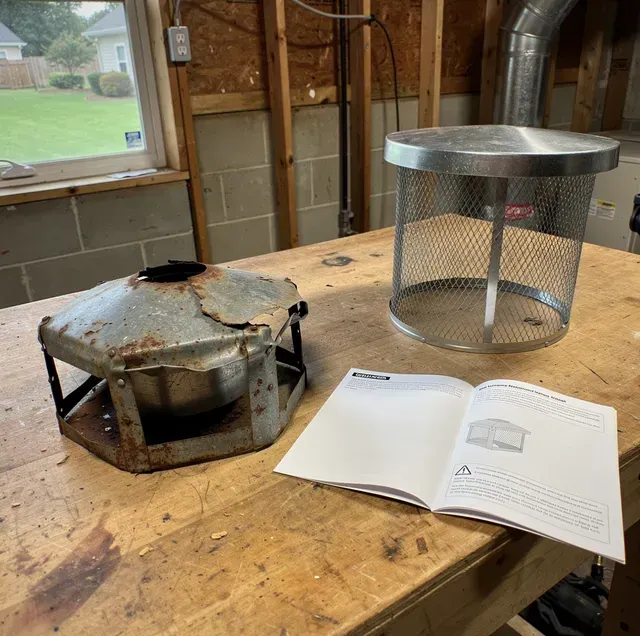
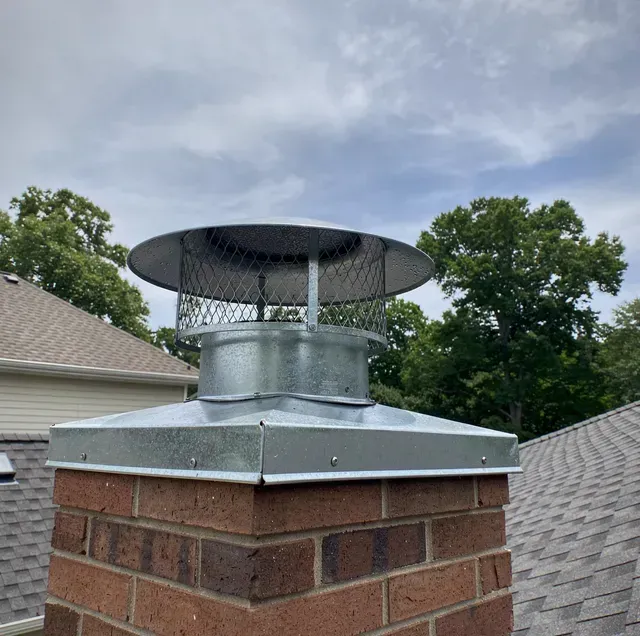
A chimney cap is a covered screen that fits over the top opening of the flue, the vertical passage that carries smoke and combustion gases up and out. The cap has two parts working together: a solid lid, or roof, that sits a few inches above the flue opening on legs, and a band of wire mesh screen that wraps the sides underneath that lid. Smoke and gases pass up through the flue, out the sides through the mesh, and away. Rain, animals, and stray embers are turned back.
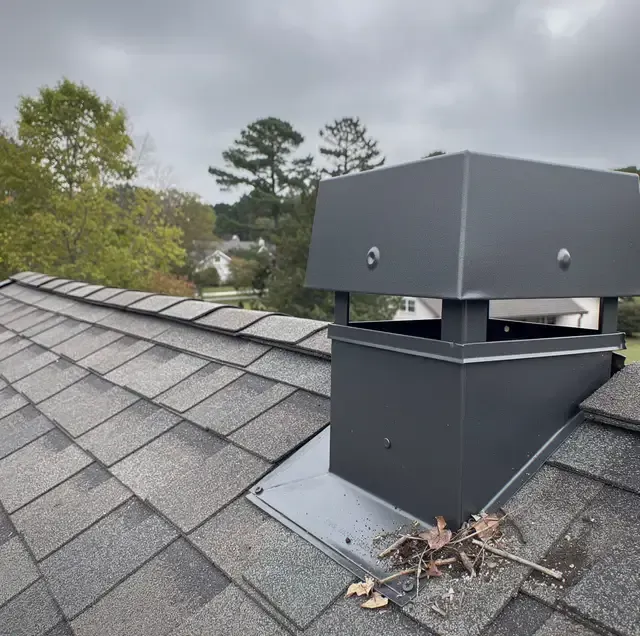
That gap between the lid and the flue is deliberate. It lets exhaust escape freely while the lid overhead blocks anything falling straight down. A single-flue cap covers one flue; a multi-flue cap is a larger box-style cover that spans several flues at once on chimneys that vent more than one appliance.
Cap Versus Crown: Two Different Parts: The cap is easy to confuse with the crown, but they are separate pieces doing separate jobs. The crown is the sloped slab of concrete or mortar that forms the top surface of the masonry chimney, sealing the space around the flue where it exits the brick. The cap is the metal cover that sits above the crown, over the flue opening itself. The crown sheds water off the top of the masonry; the cap keeps water out of the flue and handles the animal, draft, and spark duties. A chimney can have a sound crown and still be wide open at the flue because the cap is missing, so a leak or an animal problem is not ruled out just because the top looks solid from the ground.
Job One: Keeping Rain and Water Out
The most constant threat the cap handles is water. An uncapped flue is an open pipe pointed straight up at the sky, and every rain sends water straight down inside it. That water does real harm on its way through.
At the bottom of the flue sits the damper, the metal plate that opens and closes to seal the fireplace when it is not in use. Water dripping down the flue lands on and around the damper, and steel dampers rust. A rusted damper stops sealing, sticks in place, or seizes shut, and replacing one usually means reaching up into the throat of the fireplace from below.
Water also attacks the liner, the inner surface of the flue that contains the heat and gases. Clay tile liners crack when repeatedly wetted and then heated; metal liners corrode. Combustion byproducts left on the flue walls mix with water to form a mildly acidic residue that eats at both liner types over time.
The masonry itself takes the worst of it in cold weather. Brick and mortar are porous and soak up water. When temperatures swing below freezing and back, that trapped water freezes, expands, and thaws in a cycle that pushes the masonry apart from the inside. Over enough winters, this freeze-thaw action spalls the brick face and crumbles mortar joints. The cap cannot stop water that soaks in from the outside, but it shuts off the fastest path, straight down the open flue, so far less water is ever inside the system to freeze.
Job Two: Blocking Birds and Animals
An open flue reads to wildlife as a hollow, sheltered, hard-to-reach cavity, which is close to ideal for nesting. Warm months are the busy season for this, though a chimney also draws animals looking for a warm space when the weather turns cold.
Birds drop nesting material down the flue, and a packed nest blocks the passage so smoke and carbon monoxide back up into the room instead of venting. Squirrels and raccoons climb in and sometimes cannot climb back out, ending up trapped in the flue or the firebox. Raccoons in particular treat a wide flue as a den and will raise young in it. Beyond the blockage and the smell, animals bring nesting debris that is dry and flammable and sits directly in the path of the next fire.
The mesh screen on the cap is what stops all of this. The openings are sized to let exhaust through while being too small for animals to squeeze past. A cap with intact screen turns the flue from an inviting cavity into a sealed one, which is the difference between a chimney that hosts wildlife and one that does not.
Job Three: Catching Sparks Before They Reach the Roof
The same mesh screen does a second safety job. A wood fire sends more than smoke up the flue; it carries sparks and glowing embers on the rising draft. Without anything at the top, those embers exit the flue still hot and ride the wind onto whatever is nearby: the roof covering, the gutters, dry leaves collected in a valley, or a neighbor's yard.
Acting as a spark arrestor, the cap's screen catches those embers at the top of the flue and holds them until they cool and die. This matters most on roofs near trees, where dry needles and leaves collect, and any month the fireplace is in use. A cap with torn or missing screen loses this protection entirely even if the lid overhead still looks fine, which is why the screen is worth a closer look and not just the metal top.
Job Four: Steadying the Draft Against Downdrafts
A chimney works on draft, the upward pull that carries smoke out. Wind across the roofline can interrupt that pull. When a gust hits an open flue from the wrong angle, it can shove air back down the chimney, a downdraft that pushes smoke and cold air into the room and can even snuff a fire.
The cap's overhead lid breaks up wind coming straight down into the flue and helps keep the draft flowing in the right direction. This is most noticeable in the colder, windier months, when both the wind and the fires are more frequent, but a well-placed cap smooths airflow year-round. On chimneys with stubborn wind problems, a taller specialty cap built specifically to counter downdrafts can be fitted, though a standard cap already handles most everyday gusts.
Think of the cap as an umbrella held a few inches over an open pipe: it lets air move out around the edges while blocking what tries to fall or blow straight in. That single overhead barrier is doing rain, spark, and draft duty all at once.
What Chimney Caps Are Made From
Caps are sold in a few common materials, and the metal is the main thing that separates a cap that lasts from one that fails early.
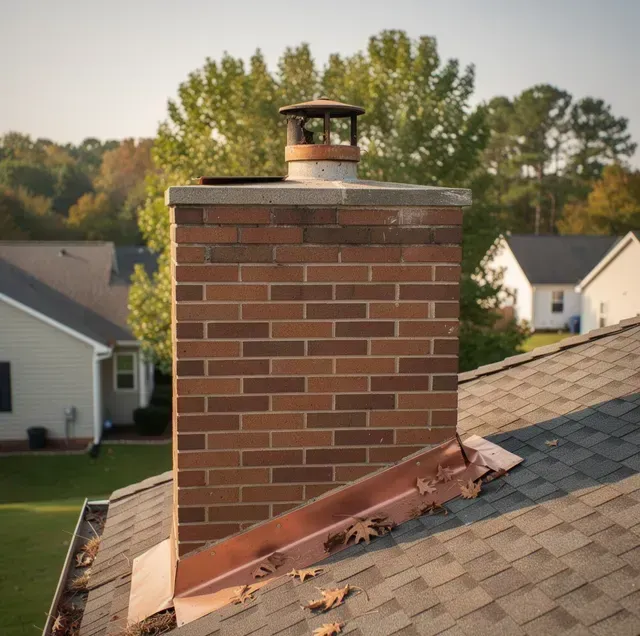
Galvanized Steel: Galvanized steel is the least expensive option. It is steel coated in zinc to resist rust, and it works for a while, but the coating breaks down under constant weather and heat. Galvanized caps tend to rust through and need replacement sooner than the alternatives, which is often why an older chimney is found with a rusted or partly collapsed cap.
Stainless Steel: Stainless steel is the common mid-range choice and resists rust far better than galvanized. Many stainless caps carry a lifetime warranty from the maker, a claim worth confirming in the specific product's terms rather than assuming. Stainless holds up to heat and weather well and is a sound default for most homes.
Copper: Copper is the premium option, chosen for both durability and appearance. It weathers to a distinctive patina over the years and suits homes where the chimney top is visible and part of the look. Copper carries the highest price of the three, which is the main reason it is less common.
Signs a Cap Is Missing or Damaged, From the Ground
Chimney tops are a fall hazard, and getting onto a roof to inspect one is a job for a professional with the right equipment. Everything below can be checked from the ground or from inside the house, no ladder required.
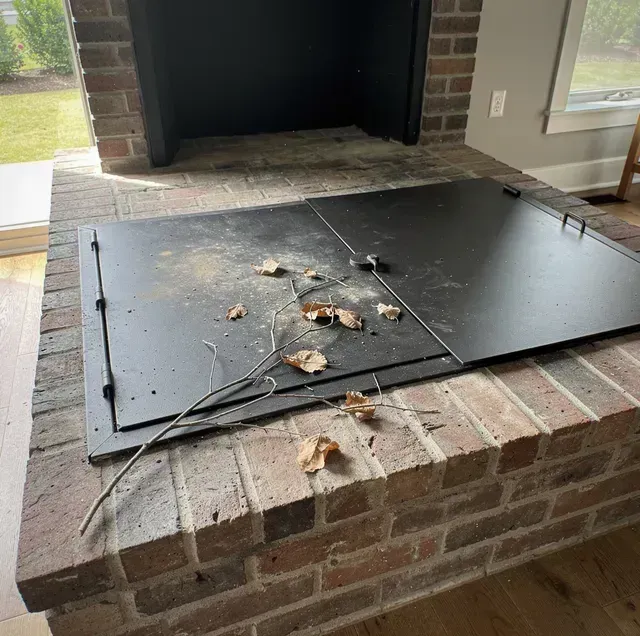
- Debris in the firebox. Twigs, leaves, or nesting material in the fireplace usually mean something is dropping down an open or broken flue.
- Animal sounds or smells. Scratching, chirping, or a musky odor from the fireplace points to something living in the flue that a cap would have kept out.
- Water in the firebox or a damp, smoky odor. Moisture or a wet-ash smell after rain suggests water is coming down the flue, which an intact cap would slow.
- A visible gap at the top. From the yard, a chimney top that looks flat and open, with no small structure standing above the flue, may have lost its cap. Binoculars help here without anyone leaving the ground.
- Rust streaks down the exterior. Orange staining running down the brick below the top can come from a rusting cap or damper shedding water it should have blocked.
- Draft or smoke problems on windy days. A fire that suddenly smokes back into the room when the wind picks up can signal a missing or ill-fitted cap that would otherwise steady the draft.
Any one of these is reason to have the top looked at. A cap is a small part, but it stands between the weather, the wildlife, and the whole system underneath it, and a technician can confirm from the roof whether yours is intact, corroded, or gone.
Frequently Asked Questions
How long does a chimney cap usually last before it needs replacing?
Lifespan tracks the material. A galvanized-steel cap often lasts only a handful of years before the zinc coating fails and it rusts through, while a quality stainless-steel cap can run 15 years or more, and copper commonly outlasts both. Salt air near the coast and heavy tree cover that traps moisture both shorten those numbers, so a cap in a wooded or coastal spot is worth checking more often than the material's typical rating suggests.
Can one cap cover a chimney that has more than one flue?
Yes. A multi-flue or box-style cap is a single larger cover that spans the whole top of the chimney and shelters two or more flue openings at once, which is common where one chimney vents both a fireplace and a furnace or water heater. The alternative is a separate single-flue cap sized and clamped to each individual flue tile. Which fits better depends on the spacing of the flues and the condition of the crown they sit on.
Does a chimney cap hurt how well my fireplace draws?
A correctly sized cap does not choke the draft, because the open mesh area is engineered to pass at least as much exhaust as the flue itself. Draft trouble after a cap goes on almost always traces to a screen clogged with soot, creosote, or leaves rather than the cap being wrong for the flue. Cleaning the mesh during a routine sweep restores the airflow, which is one reason the cap gets checked as part of a standard service.
Are there building requirements that apply to chimney caps and their screens?
Local building and fire codes in many areas call for a spark arrestor screen on chimneys serving wood-burning appliances, and they typically specify the range of mesh-opening sizes the screen must fall within so it stops embers without choking the draft. Because the exact rule varies by jurisdiction, a certified technician who installs to current local requirements is the reliable way to confirm a given cap meets what applies where you live.
What happens to a masonry chimney if it sits uncapped for years?
Beyond the rusted damper and cracked liner, long-term open exposure lets water repeatedly saturate the crown and the top courses of brick. The crown develops cracks that widen with each freeze-thaw cycle, water tracks down into the masonry, and eventually the top of the chimney can loosen or lean as mortar joints wash out. Damage that a cap would have prevented for a small cost can grow into a partial rebuild of the chimney top, which is far more involved.
Should the cap be checked during a regular chimney sweep?
Yes, and a technician evaluates it as part of the visit. During a sweep, the mesh is cleared of the soot and creosote that collect on it, the lid and legs are checked for rust and loose fasteners, and the fit to the flue is confirmed so wind cannot lift or rattle it. Catching a corroding cap during routine service means it gets replaced before it fails and lets water or animals in, rather than after.
Schedule an inspection with a certified technician — protect your flue before water or wildlife gets in. Perfect Chimney Cleaning serves Greensboro, High Point, and Winston-Salem. Call (336) 604-6711.
Recent Posts