July 27, 2026

Why Does Smoke Come Back Into the Room? 7 Fixable Causes

The Common Causes

Signs of Animals or Debris

  • Burn dry, seasoned wood- Wood split and stored long enough to dry down burns hotter and cleaner, sending far less unburned material up the flue.
  • Run hot, well-aired fires- Give the fire the air it needs to burn brightly rather than smolder. A brisk fire keeps the flue warm and moves smoke out before it can condense.
  • Get regular inspection and sweeping- Even careful burning leaves some deposits over a season. Professional sweeping removes it before it can accumulate into the harder stages, and an inspection catches a developing glaze or a draft problem while it is still easy to address

A fireplace runs on one principle: hot air rises, and as the smoke and gases from your fire climb the flue, they pull fresh air in behind them. That upward pull is the draft. When smoke rolls into the room instead of vanishing up the chimney, the draft has failed somewhere, and the fire is making more smoke than the flue can carry. The excess takes the path of least resistance, straight into your face.

A smoking fireplace rarely has one obvious cause. It can be a matter of physics that afternoon, a maintenance problem building for years, or the way your house was sealed up in a renovation. Below are the causes worth checking, roughly in the order most people should rule them out, plus what actually fixes each one.

Start With the Damper and a Cold Flue

Before you assume something is wrong with the chimney itself, confirm the damper is fully open. The damper is the metal plate in the throat of the fireplace, just above the firebox, and a partly open damper chokes the draft while still letting some smoke through, which fools people into thinking it is open. Reach up and feel for the handle; it should swing to a hard stop.

Even with the damper wide open, a cold flue spills smoke at startup. A column of cold, dense air sits in the chimney and acts like a plug. Your fire has to overcome it before an updraft can establish, and during those first minutes, the smoke has nowhere to go but out. This is why the first flames of the evening are often the smokiest.

The fix is to prime the flue, which means warming that column of air before you light the main fire. Roll a sheet of newspaper into a loose torch, light one end, and hold it up near the open damper for a minute or two. The rising warm air reverses the cold plug and starts the draft moving upward, so when you light the real fire, the chimney is already pulling.

When Your House Fights the Chimney

Here is the cause most homeowners never suspect: the house itself. A chimney needs replacement air to flow in as smoke flows out, and in a tightly built or well-weatherized home, that make-up air is hard to come by. When the house is sealed, and something is actively pulling air out, the pressure inside drops below the outside pressure, making the chimney the easiest place for outside air to rush back in, dragging smoke down with it.

This is negative pressure, and it is worse in modern homes built to be airtight. The usual culprits are exhaust appliances all pulling in the same direction: a kitchen range hood, a bathroom fan, a clothes dryer, a whole-house fan, even a furnace or water heater sharing the same air. Run a powerful range hood while a fire is starting, and you can watch smoke get sucked back into the room.

The immediate fix is make-up air. Crack a window a few inches, ideally in the same room as the fireplace, and give the incoming air a legitimate path so it stops coming down the flue. If cracking a window fixes the smoke instantly, negative pressure was your problem, and the long-term answer may be a dedicated combustion-air source or simply being mindful about running big exhaust fans while a fire is burning.

A Blocked or Dirty Flue

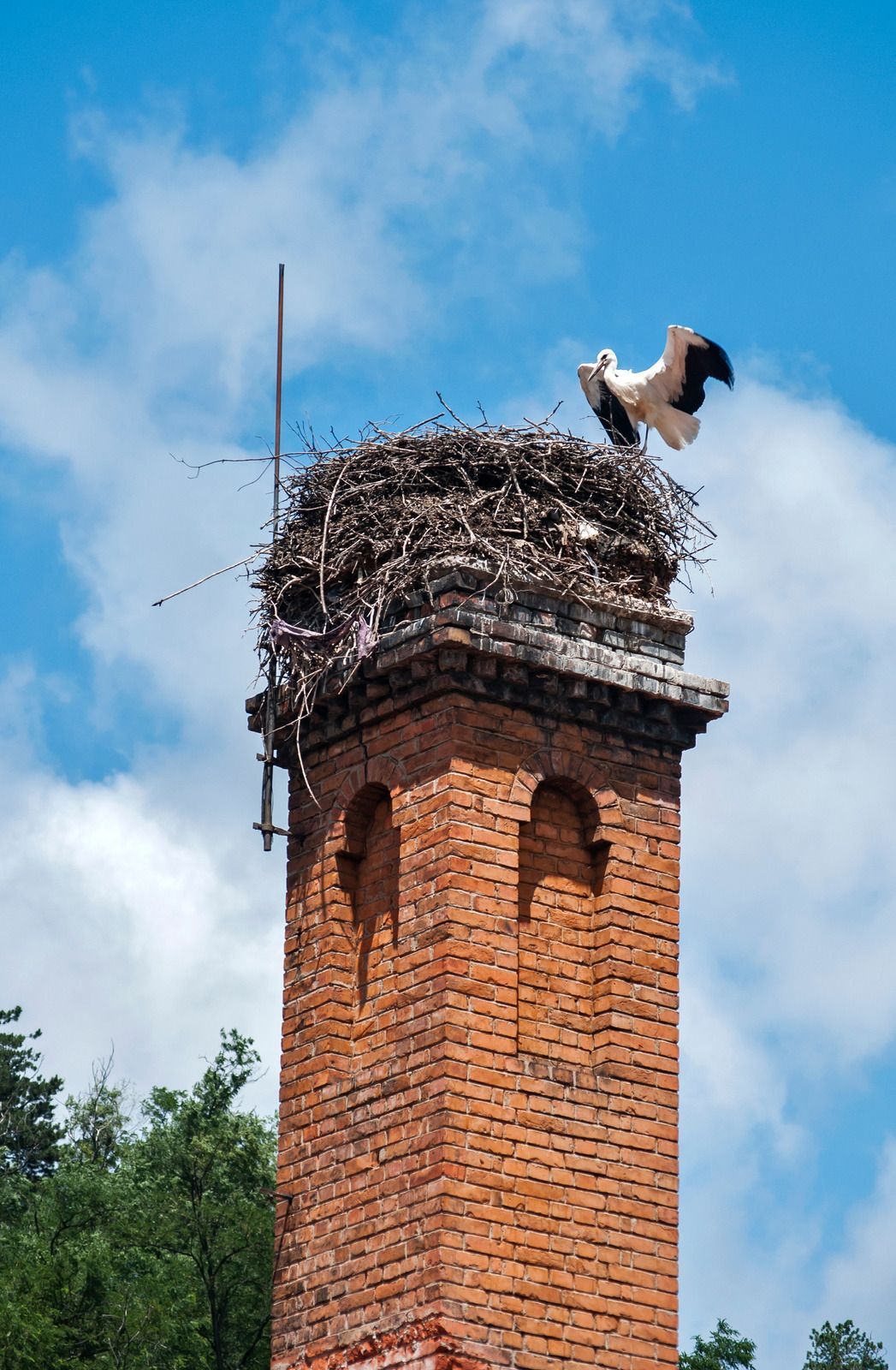
A chimney that has vented fine for years can start smoking because the passage has narrowed. The most common blockage is creosote, the tarry, flammable residue that condenses on the flue walls as wood smoke cools. A heavy glaze of creosote both shrinks the opening and, more dangerously, is the fuel for a chimney fire. Debris also collects up there: leaves and twigs, chunks of a failing clay liner, and animal nests. Birds, squirrels, and raccoons treat an uncapped flue as prime real estate, and a single nest can block a chimney almost completely.

A blockage behaves differently from a draft problem, which is useful for diagnosis. Here, cleaning is not optional maintenance but the fix itself, and it is a job for a chimney sweep with the tools to see and clear the full length of the flue.

What you notice Points toward
Smoke is worst at startup, better once the fire is roaring Cold flue needing a prime
Smoke only on cold or windy days Draft or downdraft issue
Smoke clears the moment you open a window Negative pressure in the house
Heavy smoke every single time, getting worse over the season Blockage or creosote buildup

Wind and Downdrafts Over the Top

Sometimes the problem is entirely outside. Wind moving across the top of the chimney, or being deflected down by a nearby roofline, tall trees, or a taller part of the house, can create a downdraft that overpowers the fire's weak upward pull and pushes smoke back down. You will notice this on gusty days, especially when the smoke comes in puffs that seem to match the wind.

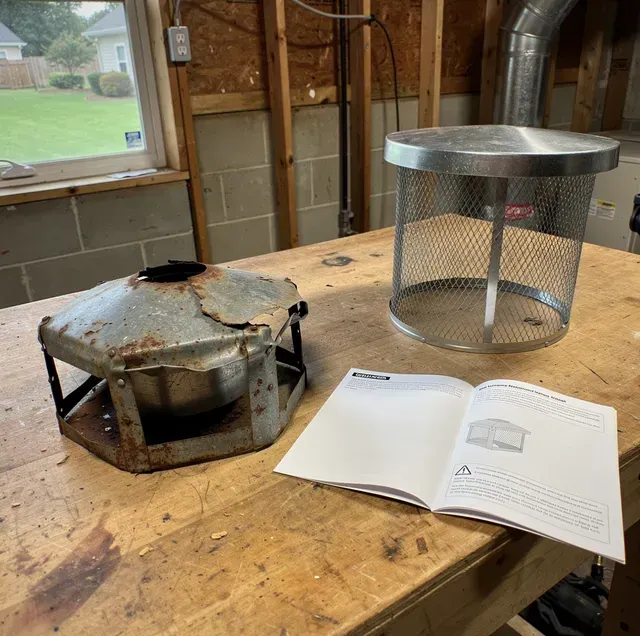
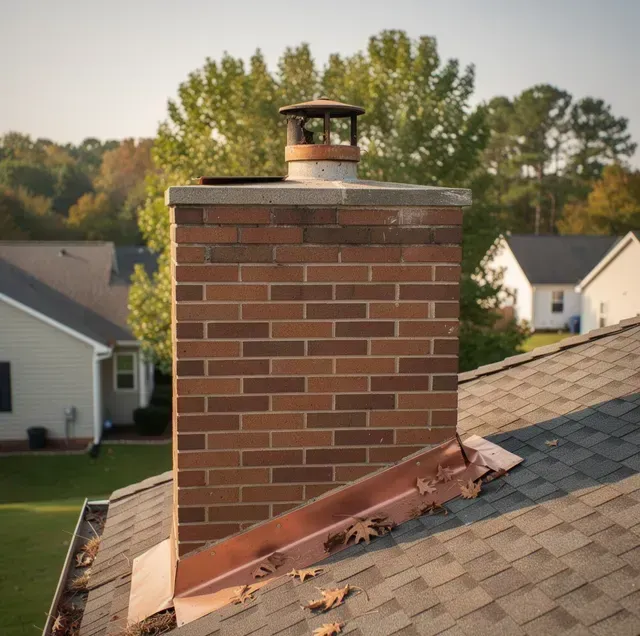
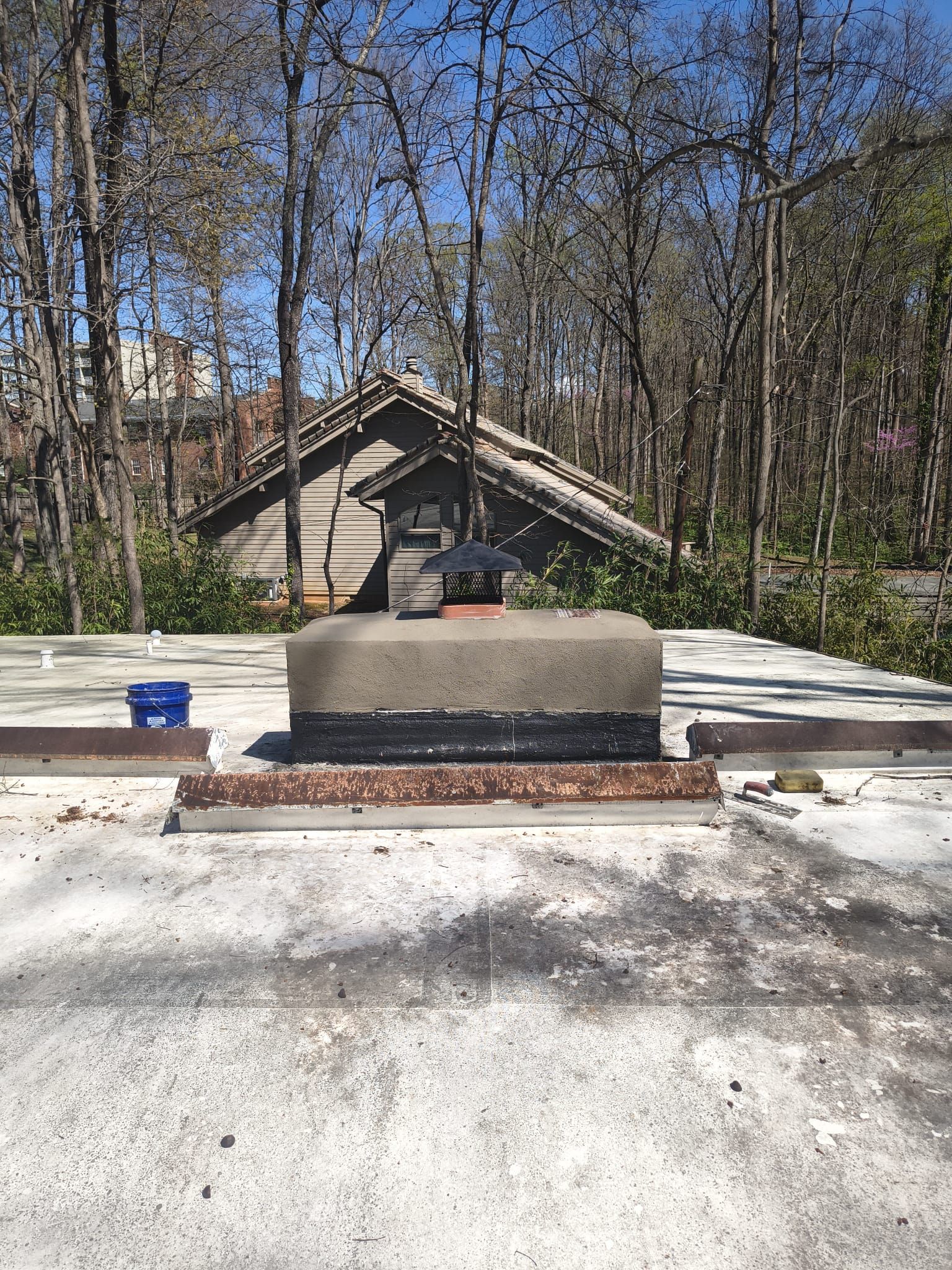
A chimney cap helps here, and it does double duty. Beyond keeping rain, debris, and animals out, a well-designed cap shields the flue opening from crosswinds. For stubborn wind problems, draft-increasing tops that use passing wind to actually pull air upward can turn a downdraft into a helper instead of an enemy.

When the Flue Is Simply the Wrong Size

Some fireplaces smoke because the geometry was never right. A flue that is too short cannot generate enough vertical pull, since draft strength depends partly on the height of the warm column inside the chimney. A flue that is undersized for the firebox is worse: the fire makes more smoke than the passage can carry. As a rough guide used in the trade, the flue's cross-section should be at least about one-tenth of the fireplace opening's face area for a standard rectangular flue, and closer to one-twelfth for a round one. A big, dramatic firebox mated to a modest flue will smoke no matter what you do at ground level.

These are structural issues, so the fixes are structural: extending the chimney height, resizing or relining the flue, or reducing the firebox opening with a smoke guard so the flue can keep up. A sweep or mason can measure the ratio and tell you which applies.

Burning the Wrong Wood

Even a perfect chimney smokes if you feed it wet wood. Freshly cut or unseasoned firewood can hold a large share of its weight in water, and before that wood will burn, the fire has to boil the moisture out. That steals heat, cools the smoke, and produces far more of it, all while your flue never gets hot enough to draft properly. The cooler, wetter smoke also condenses into creosote much faster, so wet wood quietly creates the blockage problem described above.

Burn wood that has been split and dried for a year or more, ideally down toward a lower moisture range. Seasoned wood is lighter, has cracks radiating from the ends, and sounds hollow when two pieces are knocked together. It lights easily, burns hot, and gives the flue the heat it needs to pull smoke up and out.

Putting the Clues Together

Most smoking-fireplace complaints trace back to one of these seven causes, and the pattern of the smoke usually points the way: startup-only smoke is a cold-flue prime, window-cured smoke is house pressure, windy-day smoke is a cap-and-downdraft issue, and heavy smoke every time is a blockage until proven otherwise. Work through the easy checks first, because opening the damper fully, priming the flue, and cracking a window solve a large share of cases with no tools at all.

One thing that is never worth living with, though, is the smell of smoke in the room. Anything spilling out of the firebox includes carbon monoxide, an odorless gas you cannot detect on your own, which is why a working CO alarm near any fireplace is essential rather than optional. And because draft and blockage problems show up whenever a fire is lit, not just in deep winter, the quiet off-season is the ideal time to have the flue inspected and swept so the chimney is ready to pull the first time you need it.

Frequently Asked Questions

  • How exactly do I prime a cold flue before lighting a fire?

    Roll a single sheet of newspaper into a loose torch, light one end, and hold it up inside the throat of the fireplace near the open damper for a minute or two. You are warming the plug of cold, dense air sitting in the chimney so it starts rising; once you feel or hear the draft reverse and pull upward, light your kindling. On very cold days, you may need two passes. A fireplace on an exterior wall, with cold air on three sides of the flue, almost always needs this step.

  • Why does opening a window stop the smoke, and does it have to be a specific window?

    Cracking a window relieves negative pressure by giving the house an easy source of make-up air, so incoming air stops using the chimney as its inlet. It works best in the same room as the fireplace; a few inches is usually enough, and you can close it once the fire is established and the flue holds its own draft. If a far-side window does nothing but a nearby one does, that confirms pressure, not the chimney, was the issue.

  • How can I tell a draft problem from an actual blockage?

    Watch the timing. Draft and pressure problems are intermittent: worst at startup, on cold days, on windy days, or when an exhaust fan is running, and they improve once the fire is hot or the window is open. A blockage is relentless. It smokes heavily every time, regardless of the weather, and it tends to worsen as the season goes on because creosote keeps building. If none of the free fixes change anything and the smoke is bad on a calm, mild day, treat it as a blockage and stop lighting fires until it is inspected.

  • Is smoke coming into the room actually dangerous, or just annoying?

    It is dangerous, not merely a nuisance. The same spillage that brings visible smoke into the room also brings carbon monoxide, which has no smell, color, or taste, so you can be exposed with no warning from your senses. Install a CO alarm on each level and especially near the fireplace, test it before burning season, and if one sounds, get everyone outside and call for help before trying to air the house out. Persistent spillage is a reason to stop using the fireplace until the cause is found.

  • Will a chimney cap fix a downdraft, and what if it does not?

    A standard cap shields the flue from crosswinds and often calms a mild downdraft while keeping out rain, leaves, and nesting animals. If wind is severe or the chimney sits low against a taller roofline or hillside, a plain cap may not be enough, and a draft-increasing top, shaped to use the passing wind to pull air up rather than force it down, is the next step. Raising the chimney so it clears the surrounding wind shadow is another structural option a professional can assess.

  • When should I stop troubleshooting and call a chimney sweep?

    Handle the no-tool checks yourself: confirm the damper is fully open, prime the flue, crack a window, and burn only seasoned wood. Call a sweep when those fail, when the smoke is heavy on calm days, when you see or smell creosote, or when you suspect a nest or debris up top. Also call for anything structural, since flue sizing, relining, chimney height, and cap installation are not DIY. An annual inspection catches creosote glaze and hidden liner cracks before they become a smoking problem or a fire hazard.

Book a chimney inspection and sweep — clear the draft problem before your next fire. Perfect Chimney Cleaning serves Greensboro, High Point, Winston-Salem. Call (336) 604-6711.

Recent Posts

Close-up of a charred, cracked tunnel floor with soot-covered debris and light at the far end
July 20, 2026
Wondering what that black crust in your chimney is? Learn how creosote forms, its three stages, why it ignites, and how to keep buildup in check.
Top view of a metal chimney or pipe opening surrounded by cracked concrete and terracotta tiles
July 14, 2026
Not sure what a chimney liner does or whether yours is failing? Learn what the flue liner protects, the three common types, and the warning signs to watch.
Close-up of a brick tunnel interior with a dark metal chute overhead and sunlight at the far end
July 7, 2026
Booking a chimney inspection and unsure what they look at? See what gets checked, the three inspection levels, and which one your situation calls for.
Clogged dryer vent hose with lint buildup in a laundry room
July 1, 2026
Clothes drying slower, a hot laundry room, or a burning smell? Learn the warning signs of a clogged dryer vent before lint turns into a house fire.
Stone chimney on a wet gray shingled roof with a metal cap
By Hannah Kendrick June 28, 2026
Learn common causes of chimney leaks like damaged caps & flashing. Act fast to prevent costly water damage. Schedule your service today!
Brick fireplace with burning logs and wisps of smoke inside a black metal screen
By Hannah Kendrick June 21, 2026
Learn why your fireplace smells in summer due to creosote and humidity. Schedule a professional chimney cleaning today!
Stone fireplace with a small burning fire, smoke, and fireplace tools beside it.
By Hannah Kendrick June 14, 2026
Understand creosote, a fire hazard in chimneys. Schedule your cleaning today to prevent dangerous buildup!
Brick chimney with metal cap on a shingled roof
By Hannah Kendrick June 7, 2026
Learn 6 signs your chimney needs cleaning now. Ensure safety & efficiency—schedule your inspection today!
Brush cleaning a rooftop chimney flue under a blue sky.
By Hannah Kendrick CSIA-Certified Chimney Sweep #12553 June 1, 2026
Understand how often to sweep your chimney for safety. Schedule your service today for expert care!
Brick rooftop chimney with a black metal cap and terracotta flue surround on a shingled roof
By Hannah Kendrick May 22, 2026
Get custom chimney caps to protect your home from elements & wildlife. Schedule your service today!
Show More