July 14, 2026

What Is a Chimney Liner and Why It Quietly Protects Your Home

The Common Causes

Signs of Animals or Debris

Every time you light a fire, a lot more than smoke travels up the chimney. Heat, water vapor, and a stream of combustion gases all move together, and something has to guide that mix safely from the firebox to the open air. That job belongs to a part most people never see and rarely think about: the chimney liner.

QUICK ANSWER: A chimney liner is the inner passage, or flue, that carries smoke, heat, and combustion gases up and out of the house. It shields the surrounding masonry and framing from heat, resists the acidic byproducts of burning, and keeps carbon monoxide from leaking into the living space. When it cracks or is missing, the chimney can no longer do its job safely.

What the Liner Actually Does

The liner is the smooth inner channel running the full height of the chimney, separate from the brick and mortar you see from outside. Think of it the way you would the inner tube inside a bicycle tire: the outer structure gives shape and strength, but it is the inner layer that actually holds and directs what moves through it. Strip the liner away, and the chimney still stands, yet the parts of it that keep your home safe are gone.

That inner passage handles three demands at once. First, it contains heat, so the surrounding masonry and the wood framing tucked against the chimney never reach ignition temperature. Second, it stands up to the byproducts of combustion, which are surprisingly hard on masonry. Burning wood, gas, or oil produces water vapor, and that vapor mixes with combustion residue to form a mildly acidic condensate that eats away at mortar and brick over time. Third, and most important for the people inside, the liner keeps combustion gases moving up and out rather than seeping sideways into rooms. Among those gases is carbon monoxide, which is colorless, odorless, and dangerous in an enclosed space.

There is a fourth requirement that is easy to overlook: the liner has to be the right size for whatever is burning below it. The passage has to match the appliance, so the draft pulls correctly, a detail that matters as much as whether the liner is intact.

The Three Common Types of Liner

Not every chimney is lined the same way, and the material tells you a lot about the chimney's age and what it was built to handle.

Clay tile is the traditional liner, and it is what you will find in most older masonry chimneys. Individual tiles are stacked inside the chimney to form a continuous flue. Clay handles heat well and lasts for decades, but it has a weakness: it is rigid and does not flex. Repeated heating and cooling, ordinary aging, and moisture working into the material can all cause tiles to crack, and once a tile cracks, the protective barrier is broken at that spot.

Metal, almost always stainless steel, is the workhorse of modern chimney work. A stainless liner is a continuous flexible or rigid pipe run down the chimney, and it suits wood, gas, and oil appliances. Because it is durable, resists corrosion, and installs as one unbroken length, it has become the standard choice when an older chimney needs a new liner.

Cast-in-place is a poured masonry liner. Rather than dropping tiles or a pipe into the chimney, a technician forms and pours a continuous insulated passage inside the existing structure. It has an added benefit the other two do not: because it bonds to the chimney walls, it can reinforce an aging masonry chimney at the same time it relines it.

Why an Unlined or Damaged Liner Is a Real Problem

It helps to picture what goes wrong when the liner fails, because the consequences are not abstract.

When there is no sound liner, heat has a clear path to the wood framing that sits against the chimney inside walls and ceilings. Wood does not need direct flame to be dangerous; steady exposure to high heat can slowly char it and lower the temperature at which it ignites. That is why a missing or broken liner is treated as a fire hazard rather than a cosmetic issue.

The acidic condensate mentioned earlier is the slower threat. Without a liner to contain it, that moisture soaks into mortar joints and brick from the inside, weakening the chimney where no one can see it. That damage compounds with the weather. Heat and constant cycling stress the masonry through the burning season, and freeze-thaw swings do the same the rest of the year, as absorbed water expands when it freezes and works joints loose. The liner is what keeps combustion moisture from adding to that load from within.

The gas problem is the one that puts people at risk directly. Gaps in a failed liner give combustion gases, carbon monoxide among them, a way to leak out of the flue and into the living space instead of exiting above the roof. Because carbon monoxide gives no warning on its own, a compromised liner can be venting into a home without anyone noticing.

How to Tell Something Is Wrong

A liner problem announces itself in a handful of ways, though none of them are as obvious as a puddle on the floor. Small pieces or flakes of clay tile turning up in the firebox are a classic sign that tiles above are breaking apart. Drafting trouble, where smoke is slow to rise or drifts back into the room, can point to a passage that is no longer venting the way it should. Staining on the chimney, inside or out, often traces back to moisture that a failing liner lets escape. And a chimney that fails an inspection often fails because of the liner, since the liner is one of the parts that an inspection specifically checks.

The catch is that the most serious cracks usually sit well above where anyone can see them from the firebox. That is why confirming a liner problem is a job for a camera inspection run up the flue, not a guess from below.

Relining and Matching the Liner to the Appliance

When a clay flue is cracked or a chimney needs a fresh passage, the common fix is a stainless-steel liner installed down the length of the chimney. Relining restores a sound, correctly sized channel without the labor of tearing out and rebuilding tile by tile, which is a large part of why stainless has become the default repair.

Relining also comes up when the appliance changes rather than when the liner fails outright. Switching from an open fireplace to a wood stove insert, or moving to a gas or oil appliance, changes the size and type of passage the system needs. A liner that was correct for one setup can be wrong for the next, so a fuel or appliance change is a natural moment to reline and resize.

One point is worth stating plainly for safety: a damaged liner should not be used. Because the risks are fire and carbon monoxide, inspecting a suspect liner and relining a failed one are jobs for a qualified professional, not a project to work around or postpone through another burning season.

The Liner Versus the Parts Around It

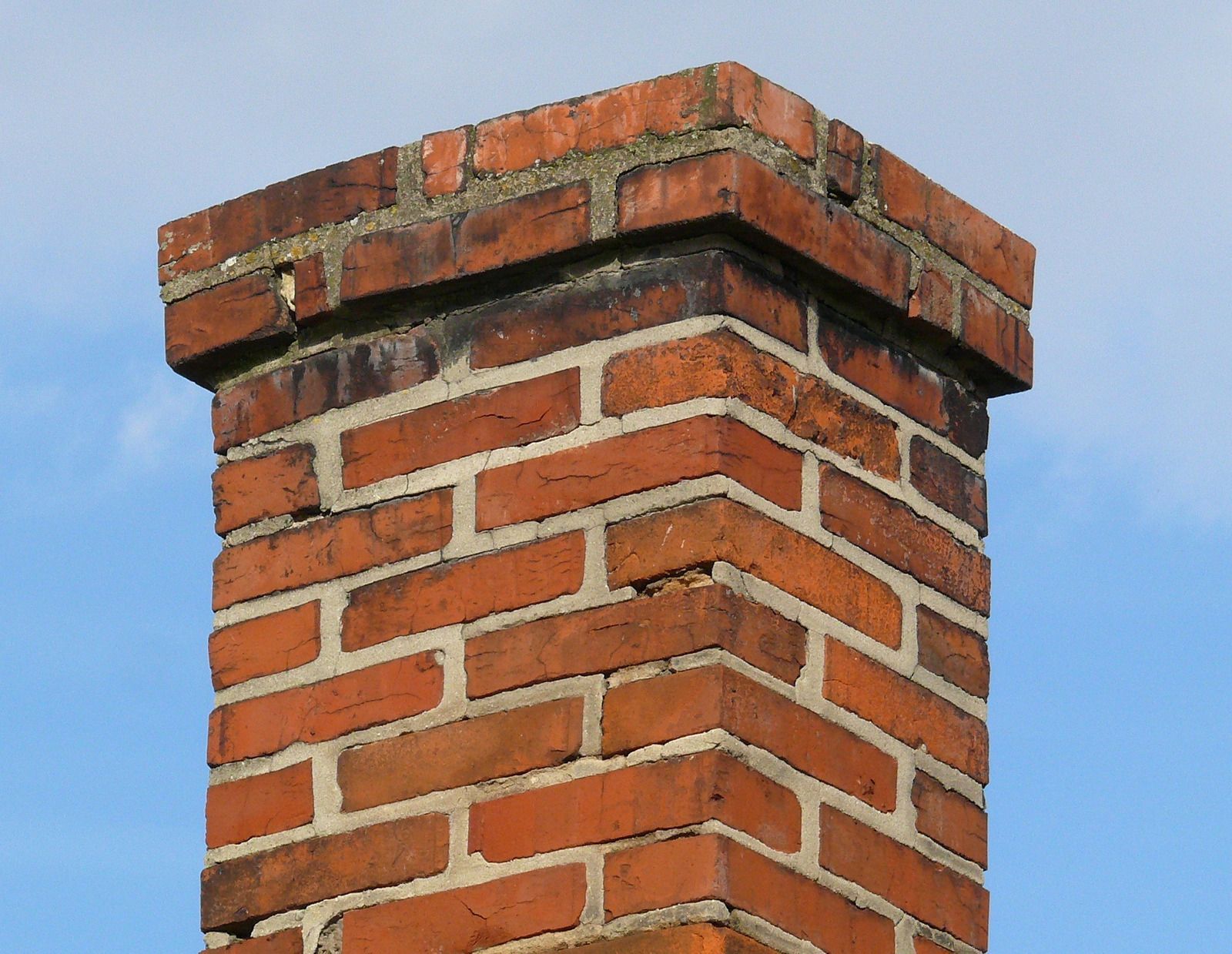
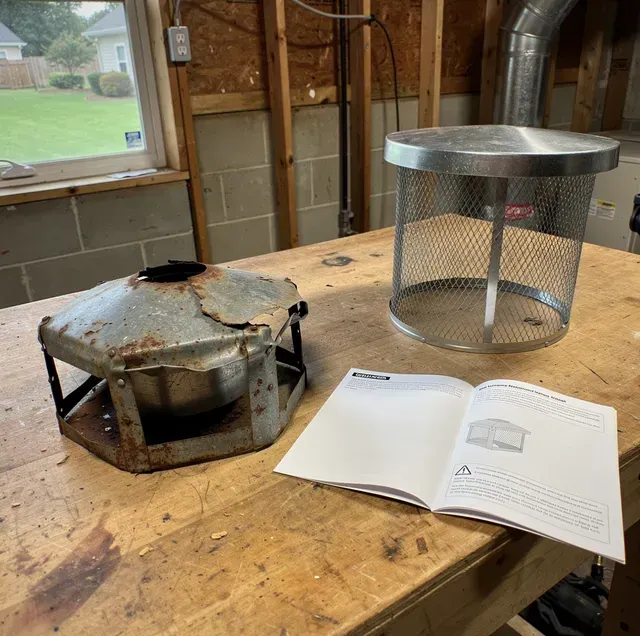
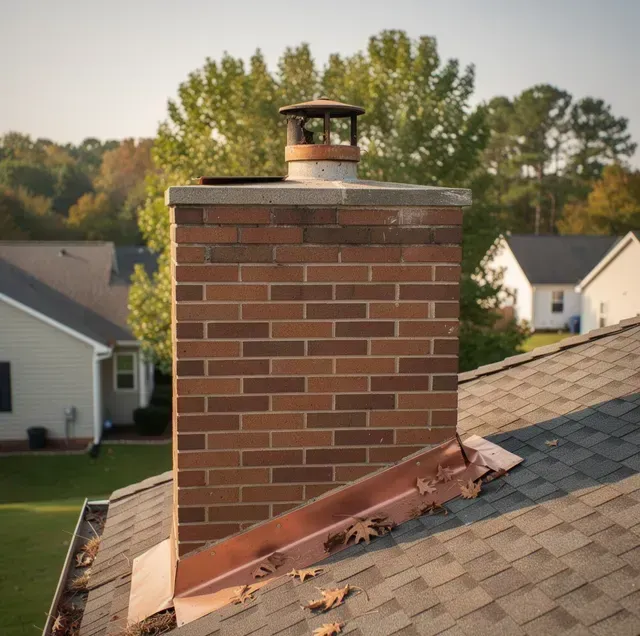
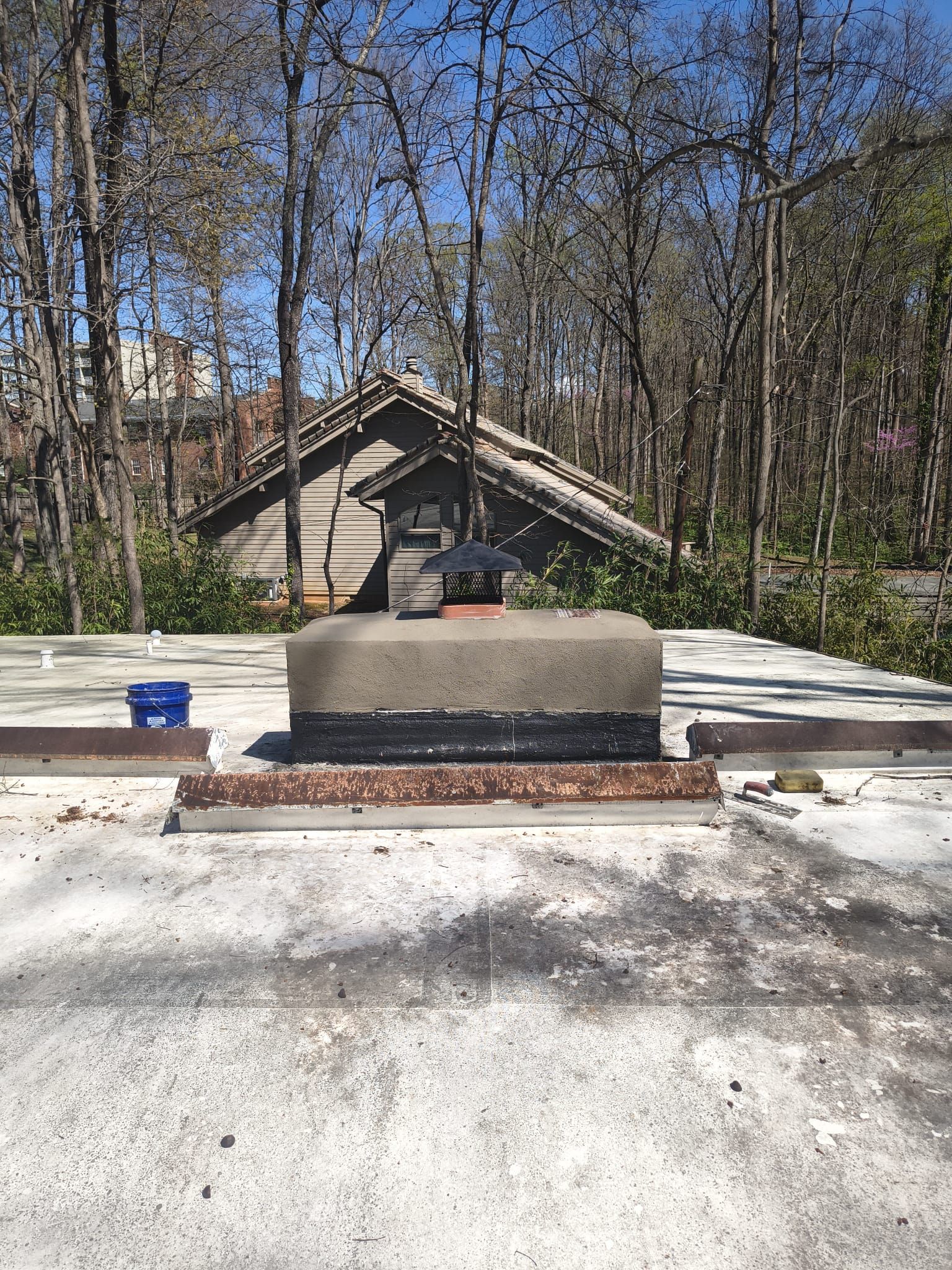
It is easy to mix up the liner with the visible pieces at the top of the chimney, so it is worth drawing the line clearly. The liner is the inner flue, the passage running up the inside. The parts you can see from the yard are different components with different jobs: the cap sits over the opening to keep rain and animals out, the crown is the sloped concrete surface at the very top that sheds water off the masonry, and the chase cover does the same job on a factory-built chimney enclosed in a framed chase. Those parts protect the chimney from the outside. The liner protects your home from the inside, which is exactly why it matters even though you never lay eyes on it.

Frequently Asked Questions

  • How do I know if my chimney liner is damaged?

    Watch for pieces or flakes of clay tile showing up in the firebox, smoke or draft problems when you light a fire, staining on the chimney, and a smell of combustion gas near the fireplace. Any one of these is worth taking seriously. Because the worst cracks are usually too high to see from below, a camera inspection run up the flue is what confirms damage a homeowner cannot spot from the firebox.

  • What are the main types of chimney liners?

    There are three you will run into. Clay tile is the traditional liner found in most older masonry chimneys. Stainless-steel liners are the common choice when a chimney is being relined or when someone is switching fuels. Cast-in-place liners pour a new masonry passage inside the existing chimney and have the added benefit of strengthening the chimney structure as they reline it.

  • Why does the liner need to be the right size, not just intact?

    A liner has to match the appliance below it to draft properly. If the flue is too large or too small for what is burning, the draw suffers. An oversized flue in particular lets the gases cool as they rise, and cooler gas allows creosote and acidic condensate to form and settle rather than exit. A correctly sized liner keeps the draw strong and moves the byproducts up and out before they can build up.

  • What actually happens if I use an unlined or cracked chimney?

    The danger builds slowly. Repeated heating gradually lowers the ignition temperature of the wood framing near the chimney, a process called pyrolysis, so a chimney that seemed fine for years can reach a point where an ordinary fire ignites the surrounding wood. A blocked or partly collapsed flue makes it worse by trapping combustion gases, which sharply raises the carbon-monoxide risk in the rooms below. Neither problem gives an obvious warning until it is well advanced, which is why a compromised liner is treated as a safety failure rather than something to nurse along.

  • Can a clay-tile liner be repaired, or does it need replacing?

    It depends on how far gone it is. Minor issues can sometimes be patched. But a clay flue that is cracked or spalling is commonly relined with a stainless-steel liner rather than rebuilt tile by tile, because dropping in a metal liner restores a sound, correctly sized passage in one piece instead of reconstructing the flue from the inside out.

  • Does the liner depend on what I burn or the appliance?

    Yes, and the difference goes beyond heat output. A gas appliance often needs a smaller-diameter, insulated liner so the cooler exhaust does not condense inside the flue and pool acidic moisture. A wood stove is different again: its liner is usually sized to the outlet collar on the stove, commonly 6 inches, so the draft matches what the stove was built to pull. Because the sizing rules diverge that much, switching fuels usually means resizing the liner rather than reusing the old one.

Book a liner inspection — know exactly what is protecting your home before the next fire. Perfect Chimney Cleaning serves Greensboro, High Point, and Winston-Salem. Call (336) 604-6711.

Recent Posts

Close-up of a charred, cracked tunnel floor with soot-covered debris and light at the far end
July 20, 2026
Wondering what that black crust in your chimney is? Learn how creosote forms, its three stages, why it ignites, and how to keep buildup in check.
Close-up of a brick tunnel interior with a dark metal chute overhead and sunlight at the far end
July 7, 2026
Booking a chimney inspection and unsure what they look at? See what gets checked, the three inspection levels, and which one your situation calls for.
Clogged dryer vent hose with lint buildup in a laundry room
July 1, 2026
Clothes drying slower, a hot laundry room, or a burning smell? Learn the warning signs of a clogged dryer vent before lint turns into a house fire.
Stone chimney on a wet gray shingled roof with a metal cap
By Hannah Kendrick June 28, 2026
Learn common causes of chimney leaks like damaged caps & flashing. Act fast to prevent costly water damage. Schedule your service today!
Brick fireplace with burning logs and wisps of smoke inside a black metal screen
By Hannah Kendrick June 21, 2026
Learn why your fireplace smells in summer due to creosote and humidity. Schedule a professional chimney cleaning today!
Stone fireplace with a small burning fire, smoke, and fireplace tools beside it.
By Hannah Kendrick June 14, 2026
Understand creosote, a fire hazard in chimneys. Schedule your cleaning today to prevent dangerous buildup!
Brick chimney with metal cap on a shingled roof
By Hannah Kendrick June 7, 2026
Learn 6 signs your chimney needs cleaning now. Ensure safety & efficiency—schedule your inspection today!
Brush cleaning a rooftop chimney flue under a blue sky.
By Hannah Kendrick CSIA-Certified Chimney Sweep #12553 June 1, 2026
Understand how often to sweep your chimney for safety. Schedule your service today for expert care!
Brick rooftop chimney with a black metal cap and terracotta flue surround on a shingled roof
By Hannah Kendrick May 22, 2026
Get custom chimney caps to protect your home from elements & wildlife. Schedule your service today!
View over a shingled roof to a brick chimney, with leafy trees and neighboring houses in the background
By Hannah Kendrick May 15, 2026
A top-sealing damper boosts fireplace draft & energy efficiency. Schedule your service today for a warmer home!
Show More