What a Chimney Inspection Actually Checks
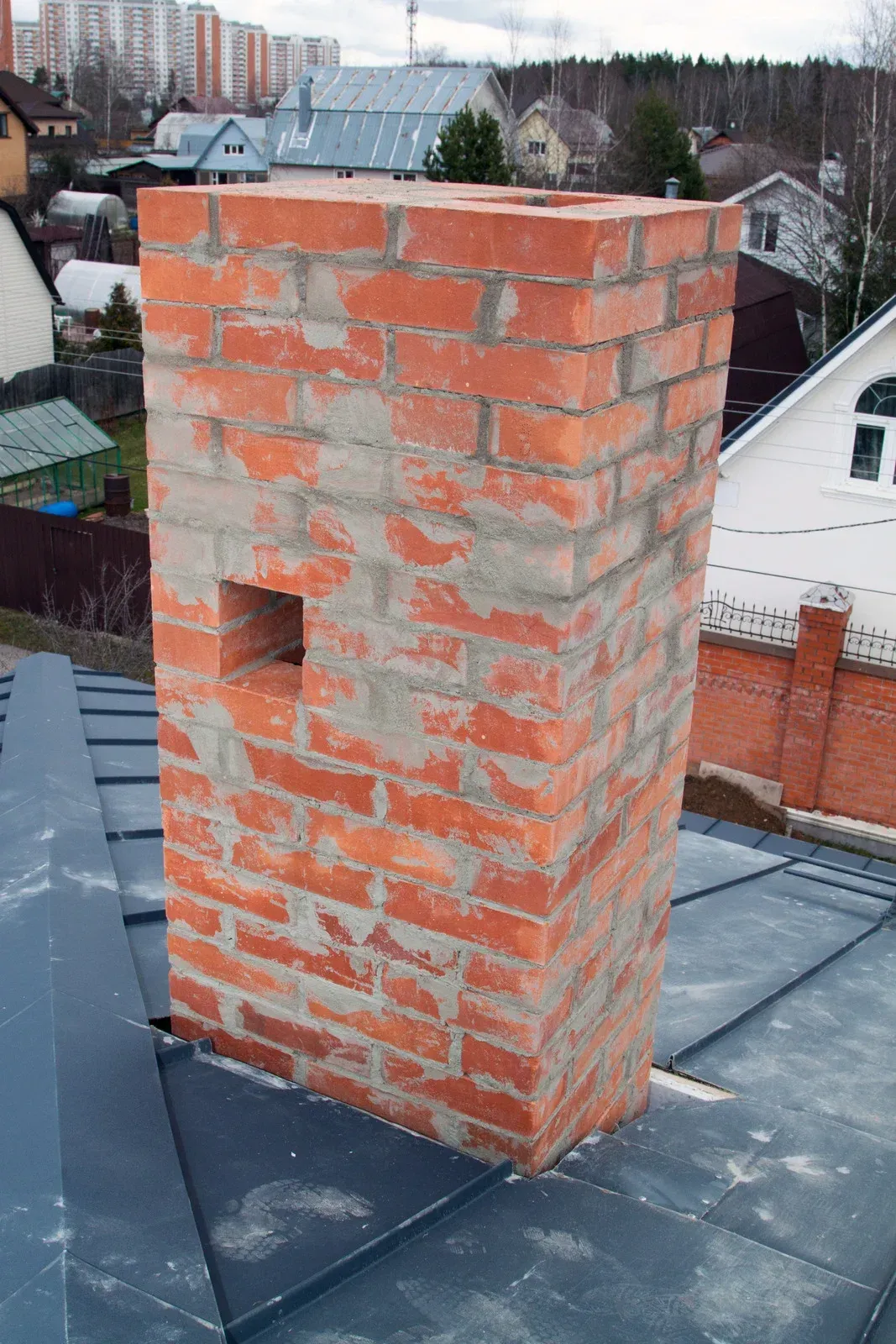
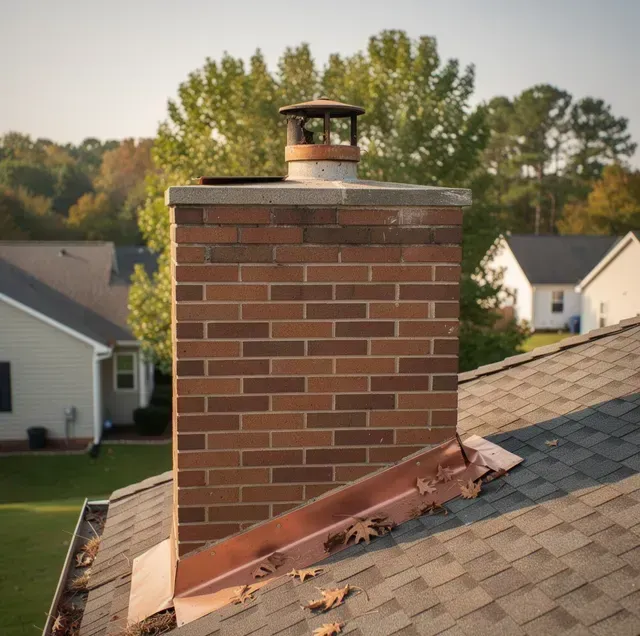
Flashing is the metal that seals the joint where the chimney meets the roof — a critical waterproofing point. When flashing is worn, corroded, improperly installed, or has pulled away, water gets in at that junction, often causing leaks that show up inside near the chimney. Flashing problems are one of the most common causes of chimney leaks.
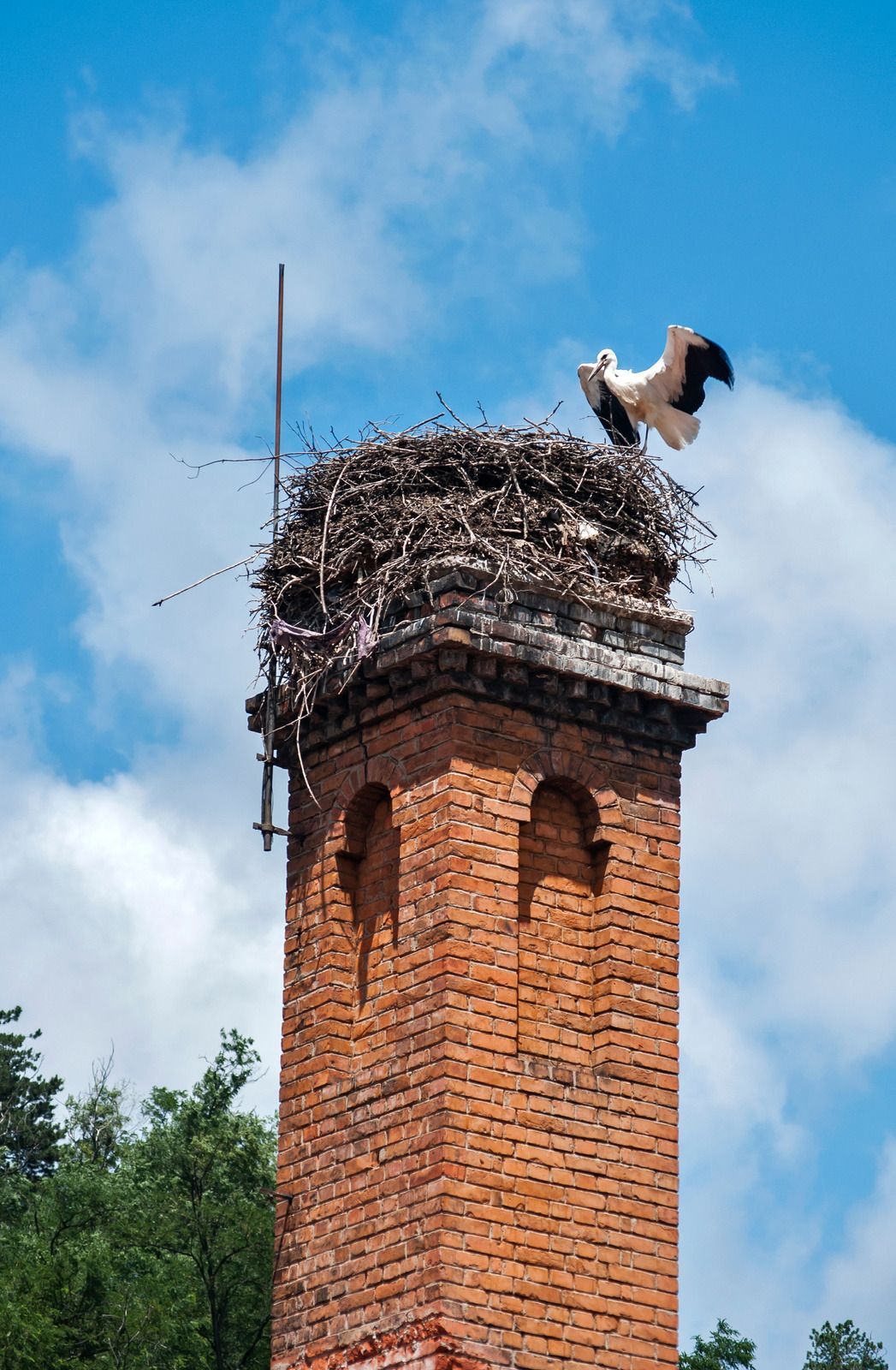
Signs of Animals or Debris
Most of a chimney lives where you can never see it, sealed inside masonry and running up through the roof, so "inspection" covers everything from a quick annual look to opening the wall to reach a hidden part. That range is why it is rarely obvious what an inspector is examining, or which visit your situation calls for.
The trade organizes this work into three defined levels, a framework used across the industry and often called CSIA-style. Knowing what each level checks and what pushes you from one to the next takes the guesswork out of booking the right visit.
Why the Important Parts Stay Hidden
A chimney's job is to carry heat, smoke, and combustion gases out of the house, and the pieces that make that safe are the ones you cannot see. The flue liner shields the surrounding structure from heat and gases. The smoke chamber funnels everything from the firebox up into the flue. The crown and cap sit at the top to keep rain and animals out. The damper seals the opening when the fireplace is idle. Flashing seals the joint where the chimney passes through the roof. When any of these fail, the evidence is inside the flue or up on the roof, which is why a look from inside the house tells you almost nothing about whether the chimney is safe.
Level 1: The Routine Annual Check
A Level 1 inspection is the baseline visit for a chimney in continued service with no changes and no known problems. The technician examines the readily accessible parts: the exterior and interior of the chimney, the accessible portions of the appliance, and the connection between them, confirming the chimney is structurally sound, clear of blockages and heavy creosote, and able to vent properly.
At this level, the technician checks a consistent set of items. Creosote buildup in the flue is combustible. The flue liner, since a crack can let heat reach the framing. Blockages from debris, leaves, or animal nests can back up gases into the house. The soundness of the masonry and mortar. The crown and cap at the top. The damper. And proper clearance between the chimney and the combustible framing. Everyone asks the same question: whether the chimney can vent heat and gases without a fire or carbon monoxide risk. This is the visit most homeowners need, and what an annual inspection usually means.
Level 2: When Something Has Changed
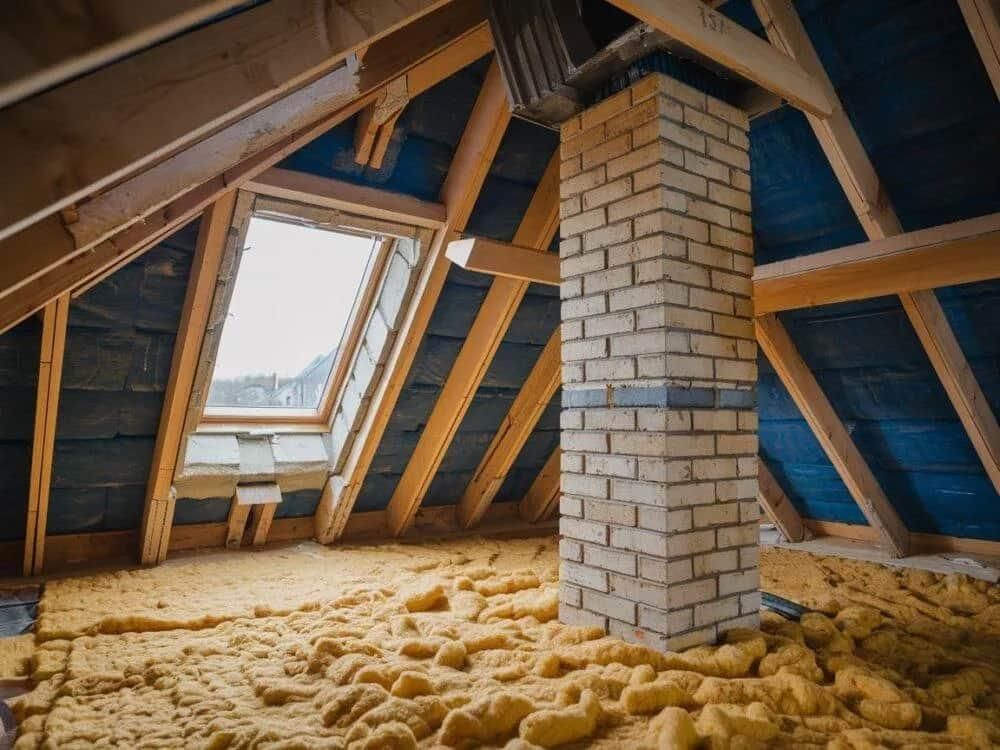
A Level 2 inspection is called for when the situation is no longer routine. It includes everything in a Level 1 and adds two things: a look at accessible concealed areas such as the attic, crawlspace, and roof, and a video scan of the inside of the flue. That camera run travels the full height of the flue and shows the liner's condition all the way up, catching cracks or gaps a ground-level look would miss.
The Level 2 exists because certain events and changes affect parts that a routine check does not reach: a property sale or transfer, a change of fuel or a new appliance, or an event that could have caused damage, such as a chimney fire, a storm, or an earthquake. The deeper look confirms whether the flue and surrounding structure came through intact.
Level 3: Reaching the Concealed Parts
A Level 3 inspection is the most involved and the least common. It is reserved for when a Level 1 or Level 2 point to a serious hidden hazard that cannot be assessed any other way. Reaching it may mean opening or removing concealed portions of the chimney or the building, such as a section of the chimney wall, an interior wall, or a ceiling panel, to get direct access to the suspect area. It is never the starting point; it happens only after a lower level has flagged a problem the technician needs to see and reach directly before it can be understood or repaired.
| Level | When it applies | What it adds |
|---|---|---|
| Level 1 | Annual, no changes or known problems | Readily accessible parts, blockages, creosote, and soundness |
| Level 2 | Sale, fuel or appliance change, or after an event | Video flue scan, attic/crawlspace/roof areas |
| Level 3 | Serious hidden hazard suspected | Access to concealed areas may remove the structure |
How Weather Works on the Masonry
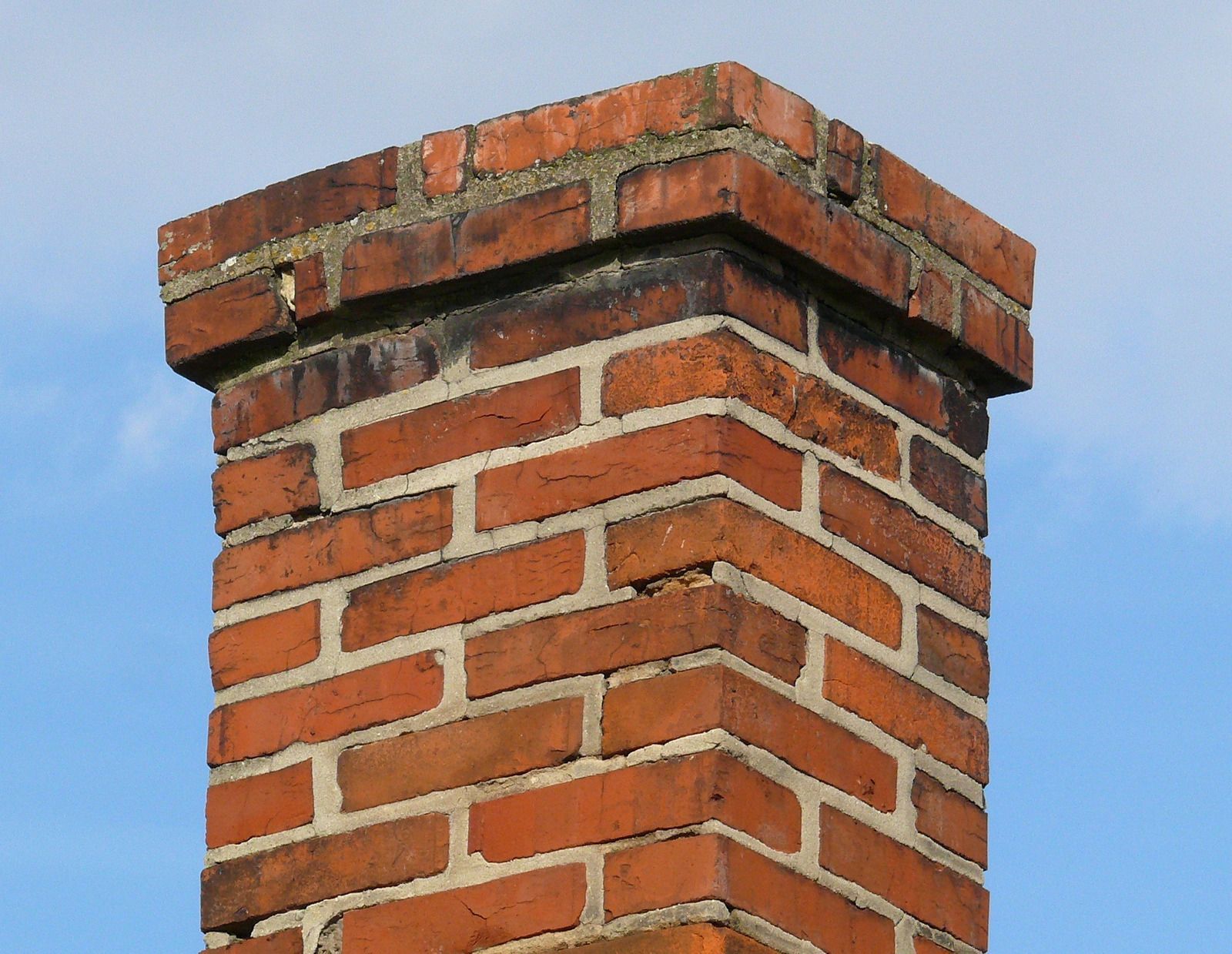
The masonry side of the inspection matters year-round, and the weather works on it from both directions. In cold months, water absorbed by porous brick freezes, expands, and spalls the face, cracks the mortar and the crown, and loosens joints; in warm, wet stretches, driving rain and repeated wetting and drying push moisture into the same joints. The tell is often efflorescence, the white salt deposit left as water moves through the brick and evaporates. A crown, cap, or liner that lets water in is both a structural issue and a pathway for damage to spread, so catching it during a routine check keeps a minor repair from turning into a rebuild.
Frequently Asked Questions
How long does a chimney inspection take, and can I use the fireplace afterward?
A routine Level 1 usually wraps up in under an hour, while a Level 2 with a full video scan runs longer because the camera travels the whole flue and the technician reviews the footage. Let the flue cool and stay unused for a day or so beforehand, since live embers make the interior unsafe to examine. Once the technician signs off that the chimney is sound, clear, and venting properly, you can light a fire that same day. If the report flags a hazard, hold off burning until the repair is finished.
What does a chimney sweep do that an inspection does not?
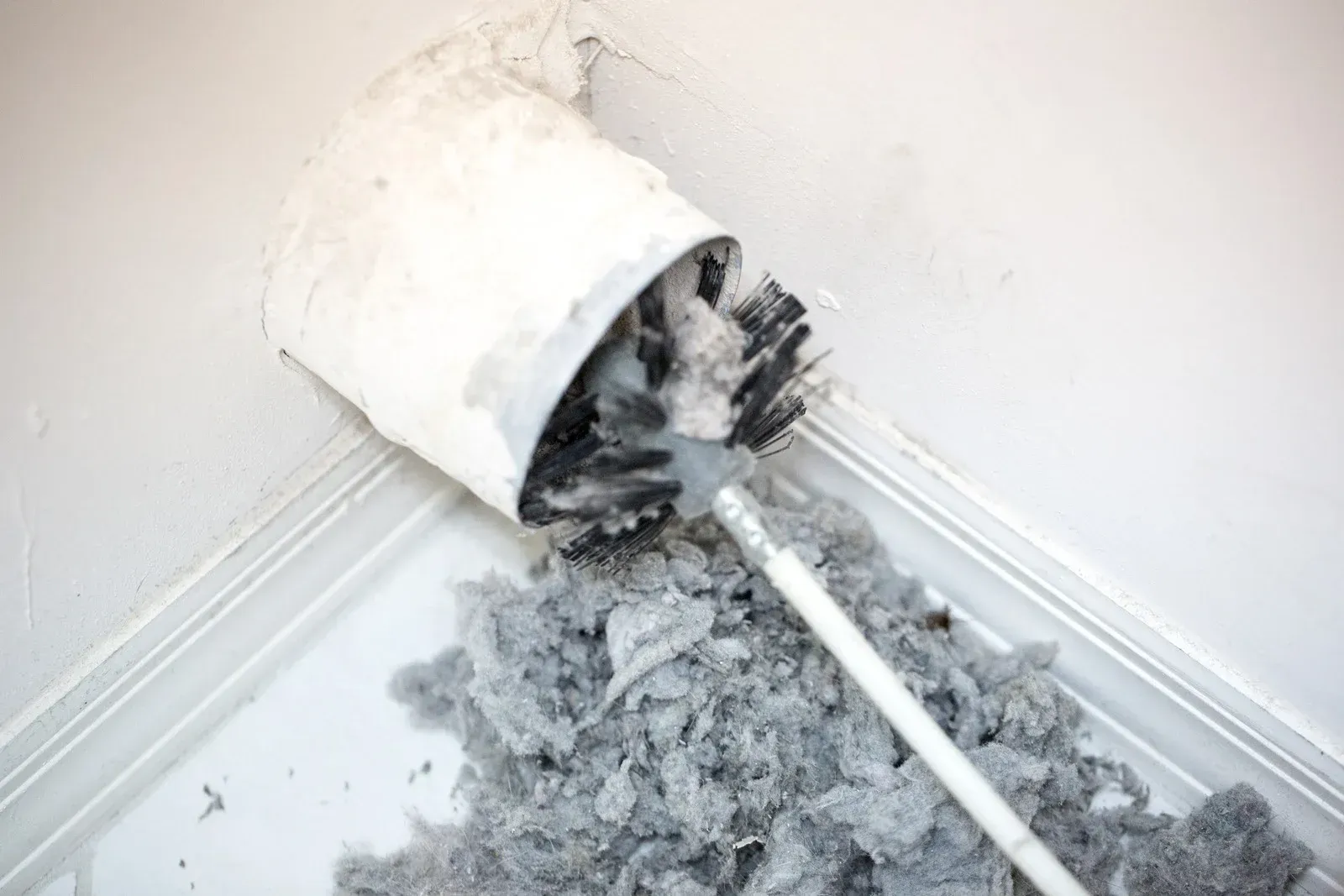
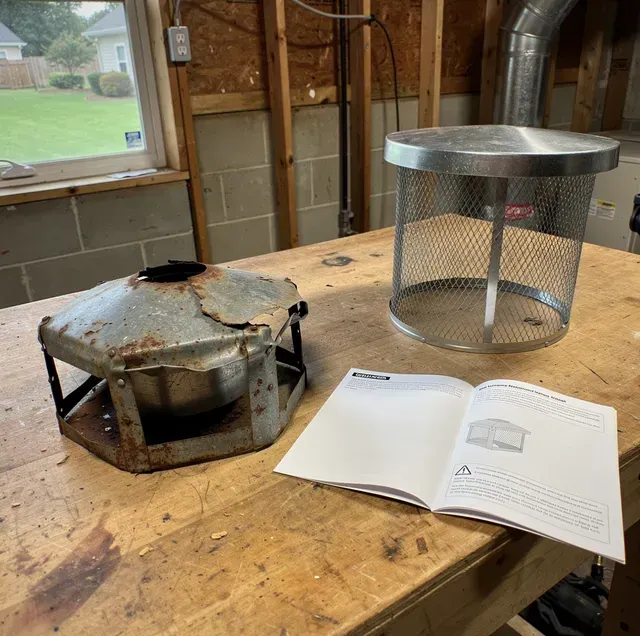
A sweep is hands-on maintenance rather than assessment. The technician runs brushes and rods through the flue to scrape creosote and soot off the liner walls, vacuums the debris from the smoke shelf behind the damper, and clears the firebox. A thorough sweep also services the moving and top-side parts, and an inspection only observes: freeing a stuck damper, clearing the cap's mesh screen of nesting material, and checking that the spark-arrestor screen is intact. The inspection tells you the chimney's condition; the sweep restores the open passage that lets it draft properly.
Why is glazed creosote so much harder to deal with than the flaky kind?
Loose and flaky creosote sits on the liner as a dry, crumbly deposit that brushes and rods easily knock down. Glazed creosote is different: it is a hardened, tar-like coating fused to the liner, and ordinary brushing barely scratches it. Removing it requires a rotary tool or a chemical treatment that first breaks down the deposit, and in stubborn cases, it clings so tightly that the liner itself is the limiting factor. It also carries the most heat energy of any deposit, which is why a technician treats a glazed flue as an active fire concern.
What signs between inspections should I call about sooner?
A few everyday clues point to a problem you should not wait out. A sharp, smoky odor drifting from the fireplace on a humid or rainy day often means creosote is absorbing moisture. White, chalky staining spreading across the exterior brick is efflorescence, a sign that water is moving through the masonry. Bits of brick, mortar, or dark flakes landing in the firebox suggest the liner or crown is shedding. A damper that suddenly sticks or grinds can mean that rust or debris has worked its way into the mechanism. Any of these is worth a look before the next scheduled visit.
Does the inspection change for a gas or pellet appliance versus a wood-burning fireplace?
The level framework is the same, but the technician looks for different failure points. A wood-burner is checked heavily for creosote, since burning wood is what lays it down. A gas appliance makes little creosote but a lot of water vapor, so the focus shifts to a corroded liner and the correct vent connection, because a blocked or wrong-sized flue is a carbon monoxide concern. A pellet stove vents through its own dedicated pipe, so the inspection follows that venting run and the appliance connection rather than a masonry flue.
What can go wrong if I keep skipping inspections?
Small, unseen faults get time to grow. Creosote thickens toward the glazed stage that fuels chimney fires. A cracked or corroded liner can let heat reach framing or let combustion gases, including carbon monoxide, seep back into the living space instead of venting out. Debris and nesting build into a partial blockage that weakens the draft, so smoke lingers, and the fire burns poorly. Moisture keeps working on the crown and masonry until a minor patch becomes a rebuild. A home insurer may also ask for proof of a recent inspection after a claim, and a Level 2 is standard practice when a house changes hands, so an overdue chimney can hold up a sale.
Making Sense of What Gets Checked
A chimney inspection confirms whether the concealed parts, the flue and liner, the smoke chamber, the crown and cap, the damper, the flashing, and the masonry, are safe to use, since none can be judged from inside the house. The three levels line up with the situation: a Level 1 for routine annual use, a Level 2 for a sale, a fuel or appliance change, or a damaging event, and a Level 3 when a hidden hazard has to be reached directly. The value is the same at every level, finding a small problem while it is still small, on a schedule you set rather than one an emergency sets for you.
If it has been a while since your chimney was last checked, we will inspect it and tell you honestly whether it is safe to use. Perfect Chimney Cleaning serves Greensboro, High Point, and Winston-Salem. Call (336) 604-6711.