July 20, 2026

What Is Creosote? The Hidden Flue Deposit That Starts Chimney Fires

The Common Causes

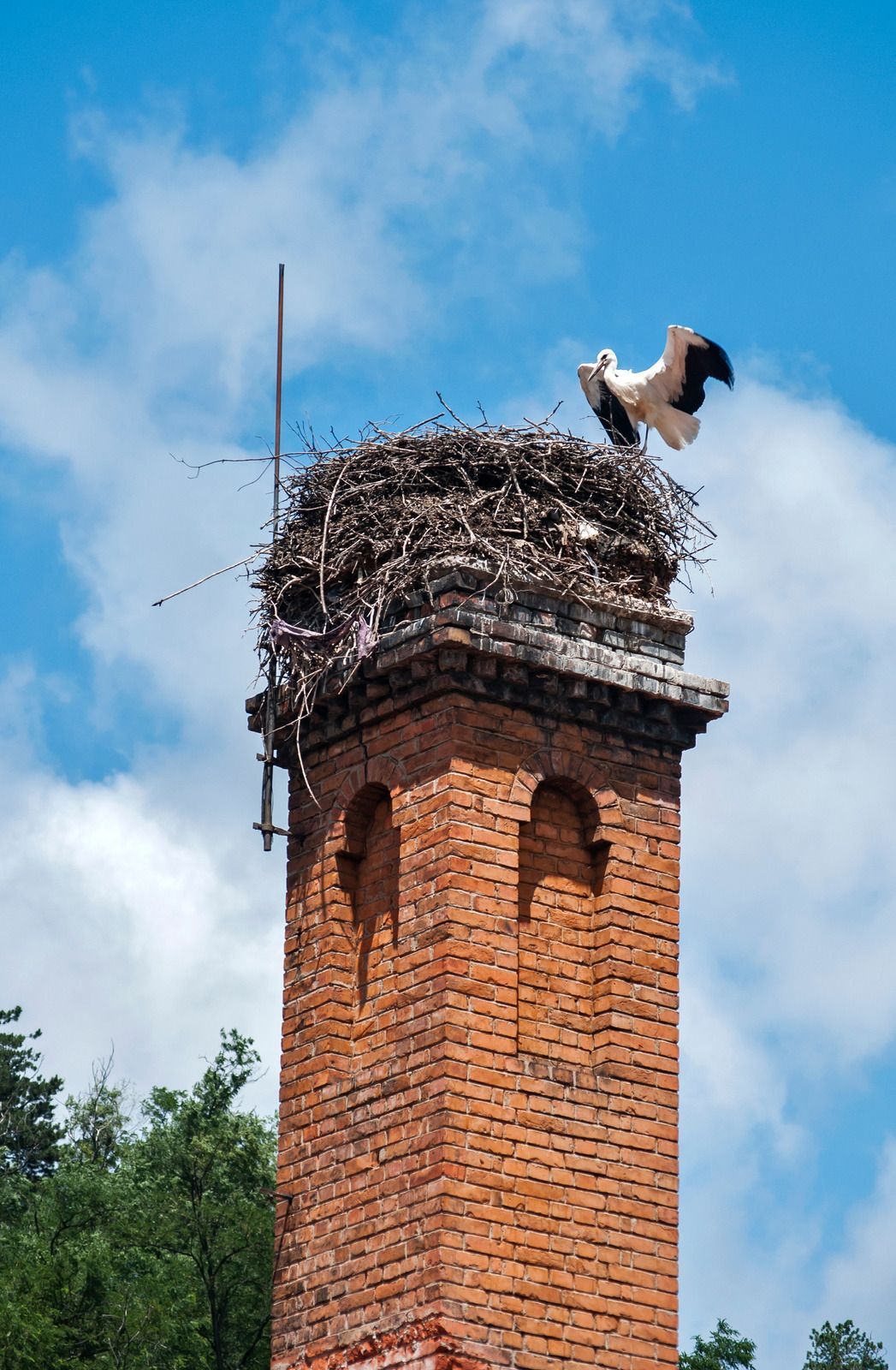
Signs of Animals or Debris

If you burn wood, something is quietly coating the inside of your chimney every time you light a fire. It has a name, a chemistry, and a habit of catching fire when it gets thick enough. That coating is creosote, and understanding it is the difference between a wood stove that warms your home safely and one that turns the flue above it into a hazard.

Creosote is the tar-like residue that builds up inside a chimney flue when wood smoke cools and condenses on the flue walls. You cannot always see it from the fireplace opening, but it is there, layer over layer, growing a little with every fire you fail to burn hot and clean. This article walks through what it actually is, how it forms, the three stages it passes through, why it is dangerous, and what keeps it from becoming a problem.

QUICK ANSWER: Creosote is the condensed tar and soot left behind when wood smoke cools against the cooler walls of a chimney flue. It is highly flammable and is the leading cause of chimney fires, which is why burning dry seasoned wood, running hot clean fires, and scheduling regular professional sweeping all matter.

What Creosote Actually Is

Wood does not burn cleanly on its own. When a log heats up, it releases a mix of gases, moisture, and fine unburned particles before and during combustion. In an efficient fire, most of those gases and particles burn off inside the firebox as visible flame and radiant heat. In an inefficient fire, a large share of them never ignite. They ride upward in the smoke instead.

That smoke leaves the firebox hot, then travels up a flue that is almost always cooler than the fire below it. As the smoke cools, the volatile compounds and unburned particles it carries stop staying airborne. They condense, the same way steam turns to water droplets on a cold window, and they deposit onto the flue wall as a sticky, sooty film. Over many fires, that film thickens into the crusty or glassy black material a chimney sweep scrapes out. That material is creosote.

So, creosote is not dirt that fell into your chimney, and it is not a defect in the masonry. It is the smoke that cooled and hardened inside the chimney rather than escaping out the top. The more unburned fuel your fire sends up the flue, and the cooler that flue runs, the faster the deposit grows.

How Creosote Forms: Incomplete Combustion

The engine behind creosote is incomplete combustion. When wood burns fully and hot, the gases and particles it emits are consumed in the flame, leaving little to condense. When combustion is incomplete, the smoke leaves the firebox loaded with unburned material that has nowhere to go but up and, eventually, onto the flue wall.

Several everyday burning habits push a fire toward incomplete combustion:

  • Smoldering and low fires- A fire that is starved of flame runs cool and smoky. It produces a lot of unburned smoke and very little of the heat that would otherwise carry that smoke cleanly out the top.
  • Wet or unseasoned wood- Freshly cut or rain-soaked wood holds a great deal of water. Much of the fire's energy goes into boiling that water off instead of burning the wood, which drops the fire temperature and floods the flue with cool, particle-heavy smoke.
  • Restricted air- Choking the air supply down to make a load of wood last longer does exactly what it sounds like: it slows combustion, cools the fire, and multiplies the smoke.
  • A cold or oversized flue- A flue that never warms up, or one far larger than the appliance needs, lets the smoke cool quickly and gives it more surface to condense against.

Each of these does the same underlying thing. It lowers the temperature of the fire and the smoke, and cooler smoke deposits more creosote. A hot, well-aired fire burning dry wood sends far less unburned material up the flue in the first place, and what it does send up tends to stay warm enough to leave through the top rather than stick to the walls.

The Three Stages of Creosote

Creosote is not one substance. Sweeps describe it in three stages, and the stage matters because it determines how dangerous the deposit is and how hard it is to remove.

Stage 1 is the lightest form. It looks like a flaky, sooty dust, and it brushes off the flue wall without much effort. A standard chimney brush handles it. This is the deposit you get closest to when a fire has been burning reasonably well, and regular sweeping keeps a flue at this stage.

Stage 2 is a step further along. Instead of loose soot, you get crunchy, shiny black flakes with a tar-like feel. This material has begun to harden and adhere to the flue, so it resists a brush and takes more aggressive sweeping to clear. Stage 2 forms when fires run cooler and smokier over time, and it signals that the burning conditions need to change.

Stage 3 is the dangerous one. It is a hardened, glazed coating that looks like dried tar painted onto the flue wall, sometimes glossy, sometimes drippy where it ran while warm. It is very difficult to remove and often will not come off with a brush at all. Clearing Stage 3 glaze typically calls for special rotary tools or chemical treatments, and this is squarely a professional job. Stage 3 is also the most flammable form of creosote, which is exactly why it cannot be left in place.

Reading the stage of a flue is one of the things an inspection is for. A homeowner rarely sees the deposit directly, and the difference between a brushable Stage 1 layer and a Stage 3 glaze is the difference between routine maintenance and a real fire risk.

Why Creosote Is Dangerous

Creosote is highly flammable, and it is the leading cause of chimney fires. That is the short version, but the mechanism is worth understanding because it explains why a thick deposit is so much worse than a thin one.

When creosote ignites inside a flue, it does not burn like a gentle fire in the box below. A heavy glaze can catch and burn extremely hot, hot enough to sound like a freight train or a low roar and to send flames or sparks out the top of the chimney. Those temperatures are high enough to crack a flue liner, the very barrier that is supposed to keep fire and combustion gases contained inside the chimney. Once the liner cracks, there is a path for that heat and flame to reach the wood framing built around the chimney, and a chimney fire becomes a house fire.

There is a second, quieter danger. As creosote thickens, it narrows the opening through which the smoke has to travel. A restricted flue weakens the draft, which is the upward pull that carries smoke and combustion gases out of the house. A weak draft can push smoke back into the room and, more seriously, can allow carbon monoxide, an odorless and colorless gas, to spill back indoors instead of venting up and out. So heavy buildup threatens the home on two fronts at once: it is fuel waiting to ignite, and it is a blockage that undermines safe venting.

Think About the Chimney Like a Cooling Pipe

A length of pipe carrying hot, greasy exhaust upward makes the point plainly. As long as the pipe stays hot and the exhaust moves fast, most of the grease rides straight through and out the end. Let that pipe run cool, or let the exhaust crawl through slowly and full of unburned gunk, and the grease starts plating out on the walls, thicker near the cooler sections, until the passage narrows and the residue itself becomes something that can catch fire.

What Drives Buildup, and What Slows It

The biggest driver of creosote is wet wood. Unseasoned or rain-soaked firewood contains so much moisture that the fire loses heat to boiling off water rather than producing a clean, hot flame. That cools the smoke and multiplies the residue it leaves behind, more than almost any other single factor. Slow, smoldering fires with the air choked down do the same thing for the same reason: cooler, smokier combustion. An oversized or cold flue that never warms up compounds it by giving the smoke more cool surface to condense on.

The fix for creosote is not complicated in principle: burn dry wood, keep fires hot and clean, and have the chimney swept and inspected on a regular schedule. Where it moves beyond a homeowner's reach is the removal of hardened glaze and the assessment of a liner that heat may already have stressed. Those belong with a professional, and getting ahead of them is far less costly and far safer than dealing with a chimney fire after the fact.

What Drives Buildup, and What Slows It

The biggest driver of creosote is wet wood. Unseasoned or rain-soaked firewood contains so much moisture that the fire loses heat to boiling off water rather than producing a clean, hot flame. That cools the smoke and multiplies the residue it leaves behind, more than almost any other single factor. Slow, smoldering fires with the air choked down do the same thing for the same reason: cooler, smokier combustion. An oversized or cold flue that never warms up compounds it by giving the smoke more cool surface to condense on.

Slowing buildup is the mirror image of all that:

  • Burn dry, seasoned wood- Wood split and stored long enough to dry down burns hotter and cleaner, sending far less unburned material up the flue.
  • Run hot, well-aired fires- Give the fire the air it needs to burn brightly rather than smolder. A brisk fire keeps the flue warm and moves smoke out before it can condense.
  • Get regular inspection and sweeping- Even careful burning leaves some deposits over a season. Professional sweeping removes it before it can accumulate into the harder stages, and an inspection catches a developing glaze or a draft problem while it is still easy to address

None of this is seasonal advice. It is easy to think of chimney care as a cold-weather concern, and heating season is certainly one context in which fires burn night after night and deposits grow quickly. But creosote that formed last winter sits in the flue all summer, and the off-season is often the better time to have a chimney swept and inspected, when the fireplace is idle, and any needed work can be done without interrupting your heating. Buildup accumulates whenever you burn, and inspection is worthwhile year-round.

Frequently Asked Questions

  • What exactly is creosote, and where does it come from?

    Creosote is the condensed tar and soot that wood smoke leaves behind on the flue wall. What often gets missed is that species matters, not just dryness: softwoods like pine and fir produce more creosote than hardwoods because of their resin and higher moisture, so even well-seasoned pine deposits more than an equally dry oak. Every wood fire produces some, but the fuel you choose changes how fast it accumulates.

  • What are the stages of creosote?

    There are three, from light soot up to a hardened glaze. What makes stage three so stubborn is its behavior under heat: the glaze can soften, drip, and then re-fuse when the flue warms, which is why it resists an ordinary brush and usually has to be broken up with a chemical modifier or rotary chains rather than swept. Stage one brushes off easily, and stage two takes more aggressive sweeping, but stage three is squarely a professional removal.

  • Why is creosote so dangerous?

    It is highly flammable and is the leading cause of chimney fires. A chimney fire can reach roughly 2000 degrees Fahrenheit, hot enough to crack a clay flue liner and ignite the framing built up against the chimney. Once the liner cracks, the fire has a route to that wood, which is how a contained chimney fire becomes a structure fire. The danger scales with thickness, so a heavy glaze is far worse than a thin layer.

  • What makes creosote build up faster?

    Two habits above all: burning wet or unseasoned wood, and running slow, smoldering fires with the air choked down. Both create cooler, smokier combustion, and cooler smoke deposits far more creosote than a hot, well-aired fire burning dry wood. A flue that stays cold or is oversized for the appliance makes it worse by giving that smoke more cool surface to condense against before it can escape.

  • How dry does firewood need to be to reduce creosote?

    Aim for seasoned wood at roughly twenty percent moisture content or less. Wet wood forces the fire to spend its heat boiling off water instead of burning the wood cleanly, and that cooler, wetter burn floods the flue with smoke that condenses into far more creosote than dry wood would. Splitting wood and letting it dry under cover for a season or more is one of the most effective things you can do to keep deposits low.

  • Can creosote cause problems besides a fire?

    Yes. A thick deposit restricts the flue and weakens the draft, and a restricted flue can spill carbon monoxide back into the room instead of venting it up and out. Because that gas is odorless and colorless, a CO detector mounted near the wood-burning appliance is a needed backup, catching a venting problem you cannot see or smell before it reaches a dangerous level. Heavy buildup is a hazard on two fronts: fuel for a fire and a blockage that compromises safe venting.

Schedule a chimney inspection and sweep before buildup reaches the dangerous stage — protect your home from creosote fires and keep your flue drafting safely. Perfect Chimney Cleaning serves Greensboro, High Point, and Winston-Salem. Call (336) 604-6711.

Recent Posts

Top view of a metal chimney or pipe opening surrounded by cracked concrete and terracotta tiles
July 14, 2026
Not sure what a chimney liner does or whether yours is failing? Learn what the flue liner protects, the three common types, and the warning signs to watch.
Close-up of a brick tunnel interior with a dark metal chute overhead and sunlight at the far end
July 7, 2026
Booking a chimney inspection and unsure what they look at? See what gets checked, the three inspection levels, and which one your situation calls for.
Clogged dryer vent hose with lint buildup in a laundry room
July 1, 2026
Clothes drying slower, a hot laundry room, or a burning smell? Learn the warning signs of a clogged dryer vent before lint turns into a house fire.
Stone chimney on a wet gray shingled roof with a metal cap
By Hannah Kendrick June 28, 2026
Learn common causes of chimney leaks like damaged caps & flashing. Act fast to prevent costly water damage. Schedule your service today!
Brick fireplace with burning logs and wisps of smoke inside a black metal screen
By Hannah Kendrick June 21, 2026
Learn why your fireplace smells in summer due to creosote and humidity. Schedule a professional chimney cleaning today!
Stone fireplace with a small burning fire, smoke, and fireplace tools beside it.
By Hannah Kendrick June 14, 2026
Understand creosote, a fire hazard in chimneys. Schedule your cleaning today to prevent dangerous buildup!
Brick chimney with metal cap on a shingled roof
By Hannah Kendrick June 7, 2026
Learn 6 signs your chimney needs cleaning now. Ensure safety & efficiency—schedule your inspection today!
Brush cleaning a rooftop chimney flue under a blue sky.
By Hannah Kendrick CSIA-Certified Chimney Sweep #12553 June 1, 2026
Understand how often to sweep your chimney for safety. Schedule your service today for expert care!
Brick rooftop chimney with a black metal cap and terracotta flue surround on a shingled roof
By Hannah Kendrick May 22, 2026
Get custom chimney caps to protect your home from elements & wildlife. Schedule your service today!
View over a shingled roof to a brick chimney, with leafy trees and neighboring houses in the background
By Hannah Kendrick May 15, 2026
A top-sealing damper boosts fireplace draft & energy efficiency. Schedule your service today for a warmer home!
Show More