Wood vs. Gas vs. Electric Fireplace: Whose Upkeep Wins?
| Factor | Older/historic masonry | Modern masonry |
|---|---|---|
| Mortar binder | Lime-based, low or no Portland cement | Portland-cement-based, harder curing |
| Mortar flexibility | Softer, some self-healing of hairline cracks | Rigid once cured, cracks stay cracked |
| Brick type | Handmade or soft-mud, lower fire temperature | Extruded, wire-cut, higher fire temperature |
| Brick porosity | More absorbent, prone to spalling | Denser, less water uptake |
| Typical liner status | Often unlined, undersized, or original clay tile | Liner sized and installed to current standards |
| Repair priority | Match mortar chemistry, not just color | Standard modern mortar mixes generally compatible |
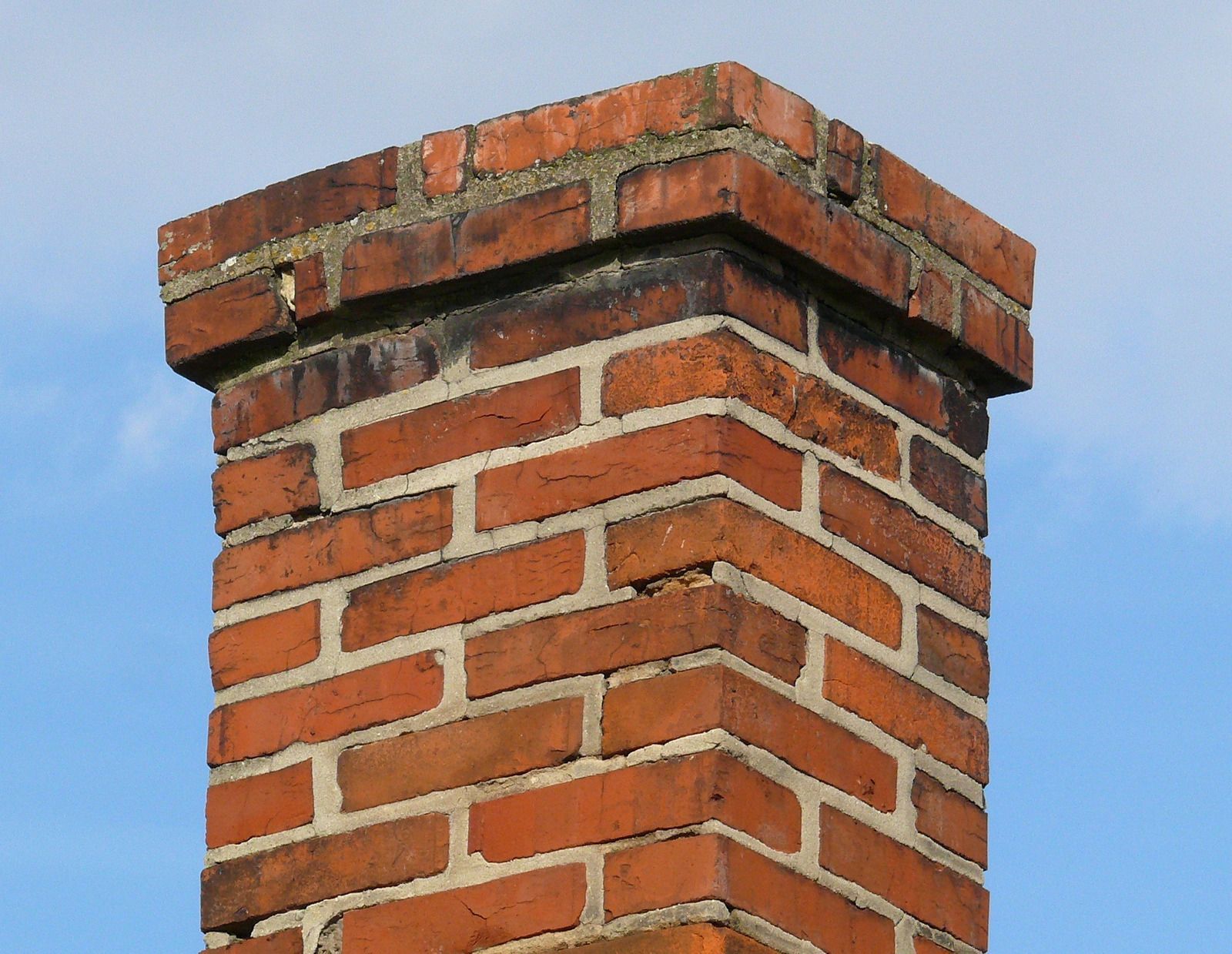
| Common failure pattern | Brick face spalling; joint self-healing can mask real deterioration | Joint cracking tends to precede brick damage |
Older chimneys were often built on shallower footings than current standards call for, and after decades of ground movement and the chimney's own weight, some settling is common: a slight lean, a visible gap where the chimney meets the roofline, or a stair-step crack pattern following the mortar joints diagonally. A small, stable lean or an old, dormant crack isn't automatically an emergency, but telling "old and stable" from "active and worsening" benefits from a hands-on inspection rather than a guess from the ground.
A technician can often get a first read on mortar type without lab testing. Dragging a metal key or nail across a joint that leaves a visible scratch and a little powder points toward a softer, lime-rich mix, while a joint that resists scratching and holds a sharp edge points toward a harder, Portland-heavy mix. This test doesn't replace a proper inspection or lab analysis of the actual composition, but it's a useful first check before assuming a chimney can be treated like standard modern construction.
The damper is the movable plate that opens and closes the path between the firebox and the flue above it. Traditional dampers are a hinged metal flap mounted at the throat, right in front of the smoke shelf at essentially the same level; newer systems often use a top-mount damper instead, a sealing plate at the very top of the flue operated by a cable or lever from the firebox. The damper's job: it closes off the flue when there's no fire burning, so conditioned indoor air doesn't pour straight up the chimney, and it opens fully to let smoke and gases draft out when you do have a fire going. A damper that won't seat properly, whether warped, rusted, or coated in old creosote, wastes energy and can also affect how well a fireplace drafts once lit.
Hearth Extension
When a Post-Renovation Inspection Is (and Isn't) Warranted
The hearth extension, the noncombustible floor pad in front of the firebox opening, catches stray ash, bark, splinters, and the occasional ember that pops clear of the fire. A quick vacuum with a shop vac or a canister vacuum's brush attachment once a week during active burning keeps this debris from working into carpet fibers or wood flooring at the hearth's edge, and it's your chance to glance for embers that landed outside the firebox and cooled without your noticing. Check that logs, kindling, and any decorative items on the mantel or nearby furniture haven't crept closer to the opening than the several feet of clearance most fireplace manufacturers and fire-safety groups recommend as a baseline. This is also a good moment to make sure nothing- a rug corner, a stack of kindling, a pet bed- has migrated into that clearance zone since the last time you checked.
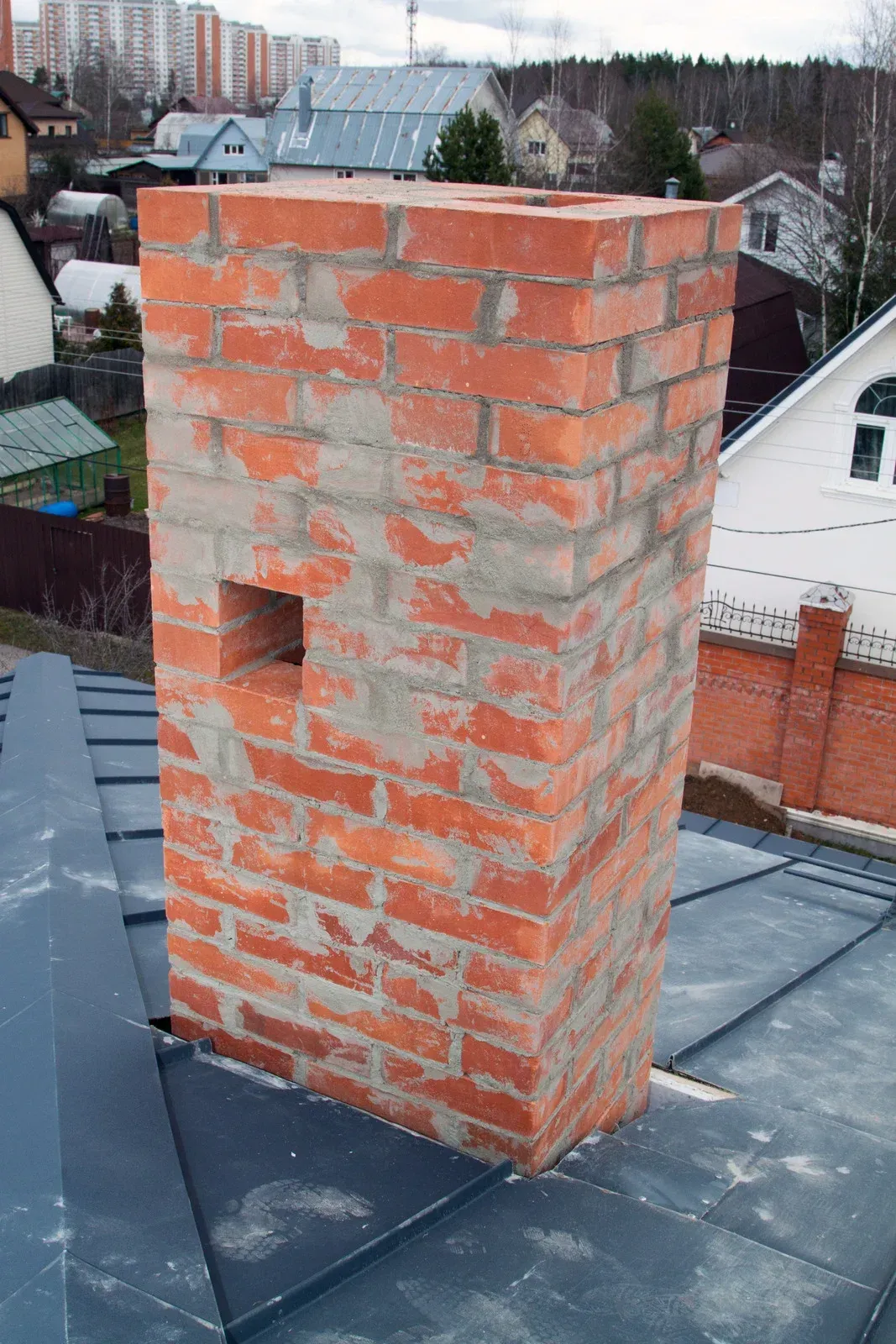
Waterproofing is a preventive and protective treatment for masonry that's fundamentally in good shape but exposed to the elements, not a repair for masonry that's already showing damage. If the brick or mortar has visible deterioration such as spalling, crumbling joints, or a cracked crown, that damage needs to be addressed on its own terms before waterproofing goes on top of it, since sealing over a compromised surface just locks moisture problems in rather than out. Once repairs are handled, waterproofing is a reasonable next step for extending the life of the masonry and reducing how much water it absorbs going forward, particularly on a chimney with no roof overhang or nearby shelter shielding it from direct weather. It's also a sensible addition anytime a chimney gets rebuilt or has significant tuckpointing done, since new mortar is at its most porous in the first year or two.
Reading Your Results
| Red Flag | What a Legitimate Technician Does Instead |
|---|---|
| Rock-bottom advertised price, then "mandatory" add-ons once the tech is on-site | States the base price and what could change it before the appointment; add-ons are optional and explained, not sprung |
| Claims of imminent fire or CO danger with no proof | Shows photos or video tied to the specific finding, or explains it in plain language you can follow |
| Vague or evasive about certification and training | Names the certifying body (e.g., CSIA), can describe what the credential covers |
| No mention of insurance, no findable business address | Carries liability coverage and can provide proof if asked; operates from a verifiable business |
| Refuses to show camera footage or "you wouldn't understand it" | Walks you through findings, translating technical detail into plain terms |
| "This price is only good if you sign today" | Gives you time to think it over; urgency is reserved for genuine active hazards, not routine repairs |
| Unmarked vehicle, cash-only, no paperwork | Provides a written estimate or service report you can keep |
Checking a company's standing takes a few minutes and heads off most of the above. Look up online reviews for specific complaints, not just the star rating. Confirm the business has a physical address you can find, not just a phone number. Ask about certification and insurance before scheduling, not after a technician is in your driveway. If your state or municipality licenses chimney sweeps, that license number should be something the company provides without hesitation, and a short phone call asking directly usually tells you a lot from how readily it gets answered.
Set the red flags aside for a moment, because it helps to know what you're aiming for, not just what you're avoiding. A technician doing this job the right way walks you through the visit almost like a translator: here's what I found, here's what it means, here's what happens if it's left alone versus addressed. If a camera scan turns something up, you see the footage, or at minimum get a clear description tied to a specific location in the flue, not a vague reference to "damage up there." Recommendations get written down, often in a service report you keep, so you have a record to compare against next year rather than a verbal claim you have to just remember and trust.
Pricing is explained before work starts, and changes to that price come with a reason you can follow, not a mandatory bundle sprung mid-visit. And critically, nothing about the timeline pressures you into deciding on the spot. A technician confident in the finding doesn't need you to decide before he's back in the truck.
| Symptom | Likely Cause | What to Do |
|---|---|---|
| White, chalky staining on the brick | Efflorescence: water moving through porous masonry and leaving mineral deposits behind as it evaporates | Leak detection to find the entry point, then a breathable waterproofing treatment |
| Rust stains or flaking metal around the damper or firebox | Water reaching the damper assembly, firebox, or metal chimney components | Damper inspection and repair, plus a check of the cap and crown for openings |
| Crumbling, flaking, or pitted brick faces (spalling) | Repeated saturation, worsened by freeze-thaw cycling, pushing the brick's face apart from the inside | Masonry repair, or a partial to full rebuild in advanced cases |
| Cracks or erosion in the chimney crown | The concrete or mortar wash at the top of the stack has failed, letting rain track straight into the flue | Crown repair or replacement, paired with a properly fitted cap |
| Water stains on the ceiling or wall near the fireplace | Flashing where the chimney meets the roofline has separated, corroded, or was installed poorly | Leak detection to confirm the source, then flashing repair |
| A musty, damp smell from the fireplace, especially after rain | Trapped moisture in the flue liner, firebox, or smoke chamber that never fully dries out | A Level 2 inspection of the interior, plus waterproofing if the masonry is porous |
What Comes After the Inspection
Pull the glass off three different fireplaces, and you'll find three different problems waiting. Behind a wood-burning firebox: a dusting of fine gray ash and, further up the flue, a tar-like coating that didn't exist a year ago. Behind a gas unit: a thin film of dust on the burner ports and maybe a spider's old web tucked into a control valve. Behind an electric insert: a fan filter that needs a wipe and a light bulb that will eventually burn out. Same word, "fireplace," three completely different maintenance realities. If you're trying to understand what you're actually signing up for with each fuel type, the differences aren't about which one looks nicer in the room. They're about what happens inside the appliance every time you run it.
What "Upkeep" Actually Means for Each Fuel Type
Wood, gas, and electric fireplaces don't share a maintenance category so much as they share a name. A wood fire is an open combustion process that produces byproducts (soot, creosote, ash, and gases) that travel up a chimney and interact with masonry, metal, or clay along the way. A gas fireplace is also combustion, just contained, metered, and (in most installations) vented through a smaller, more predictable path. An electric fireplace doesn't burn anything at all. It's a heating element and a light effect behind glass, plugged into an outlet.
That distinction, combustion versus no combustion, is the single biggest driver of how much upkeep each one needs and who is qualified to do it. Anything that burns fuel and vents exhaust has to be inspected for blockages, deterioration, and clearance issues on a schedule. Anything that doesn't burn fuel mostly just needs to stay clean and functional.
Wood-Burning Fireplace Maintenance: What's Really Happening Behind the Damper
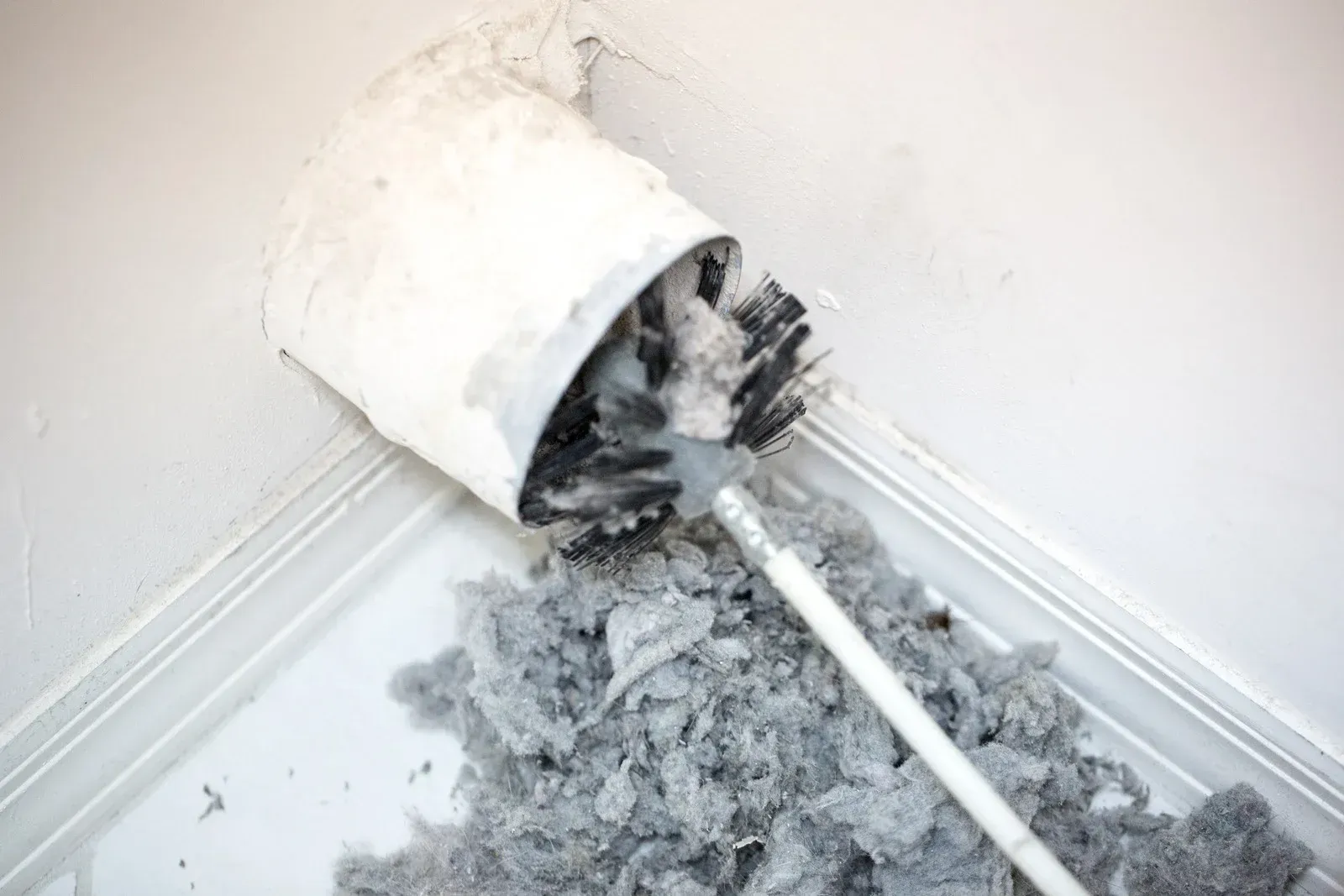
Every time you burn wood, unburned particles and organic compounds rise with the smoke and cool as they travel up the flue. Some of that residue condenses on the interior surface as creosote, a substance that ranges from a light, flaky soot to a hardened, glossy coating depending on burn temperature, wood moisture, and how often the flue is used. Left alone, creosote narrows the flue's effective diameter and, past a certain buildup, becomes a fuel source of its own.
That's the mechanism behind the standard advice to have a wood-burning system swept and inspected at least annually, a baseline referenced by the National Fire Protection Association's chimney and vent standard (NFPA 211) and echoed by most manufacturers. A sweep clears loose soot and creosote from the flue walls with rotary or push-rod brushes sized to the liner. An inspection, at whatever level the system's history calls for, checks the liner (clay tile, stainless steel, or cast-in-place) for cracks or gaps, confirms the damper opens and seals properly, and looks at the crown and cap from the top down for water intrusion points.
Ash removal: this is the one task that's squarely a homeowner's job between service visits. A bed of ash an inch or so deep actually helps insulate coals and supports a more efficient burn, but ash that piles up against the damper or spills into the hearth apron needs to come out with a metal scoop into a metal container, never plastic, since embers can smolder in ash for days.
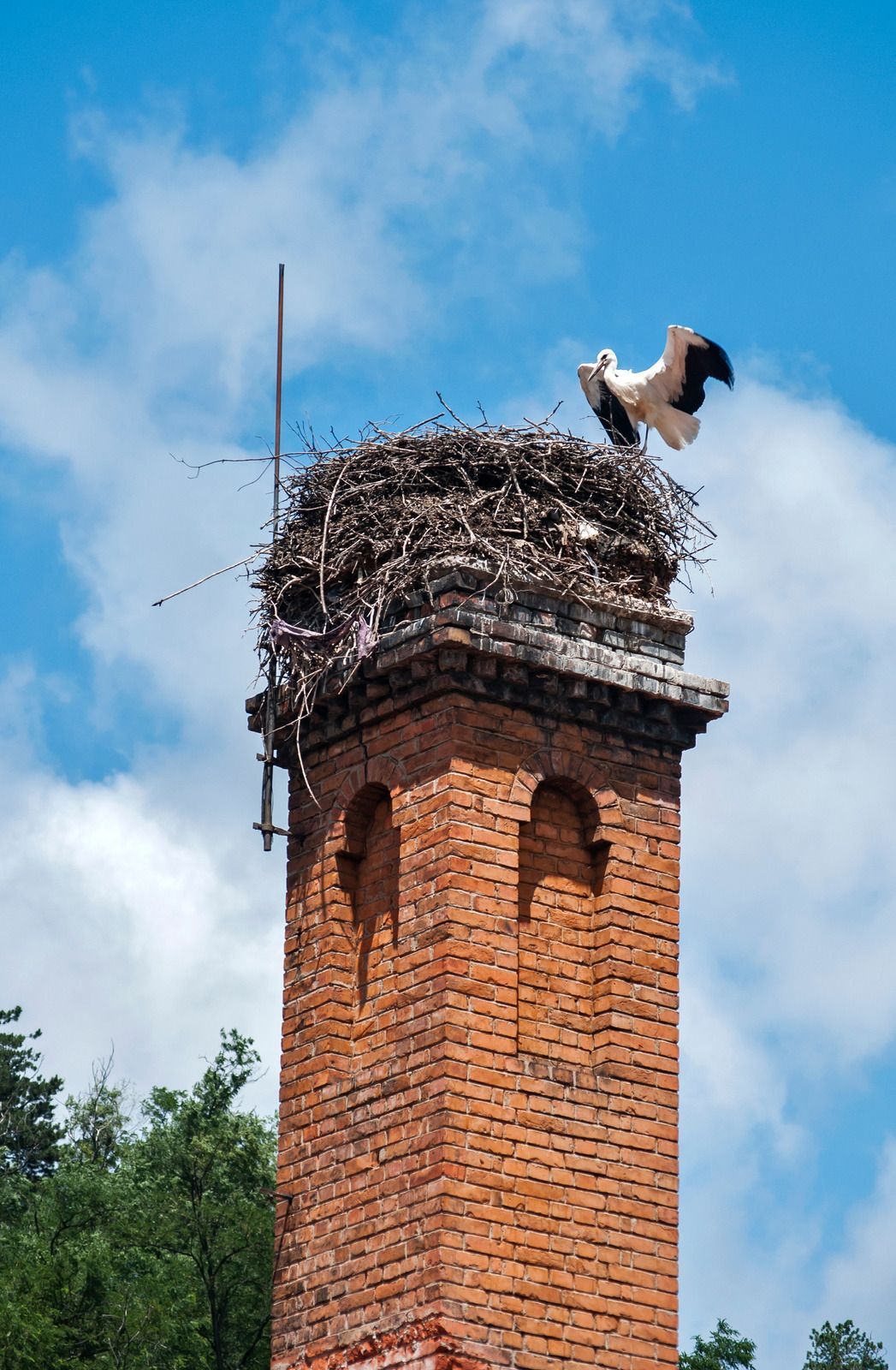
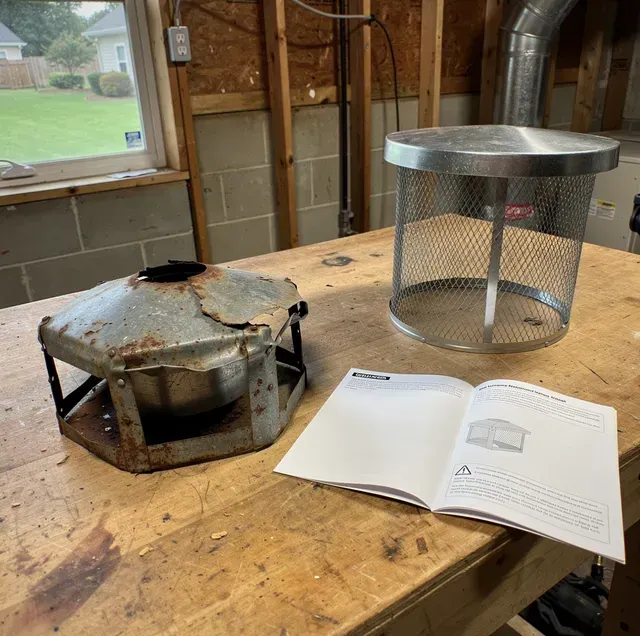
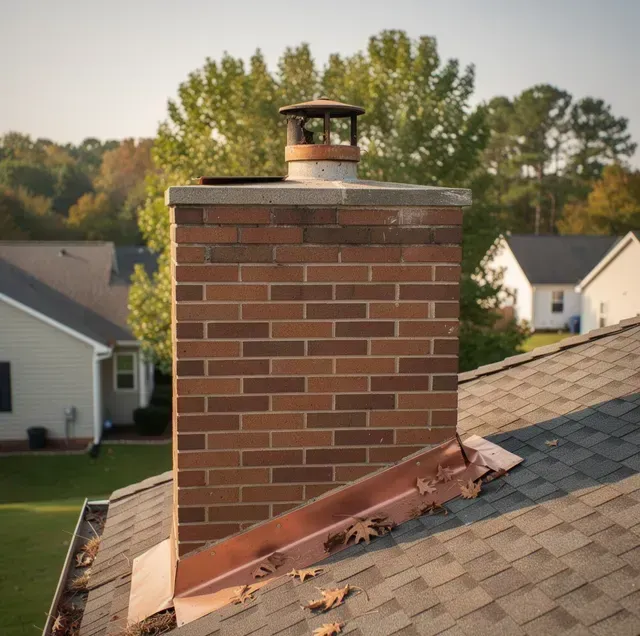
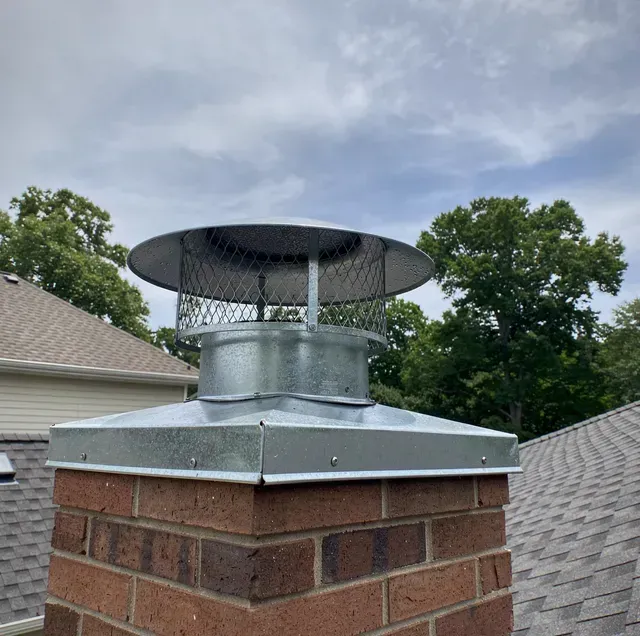
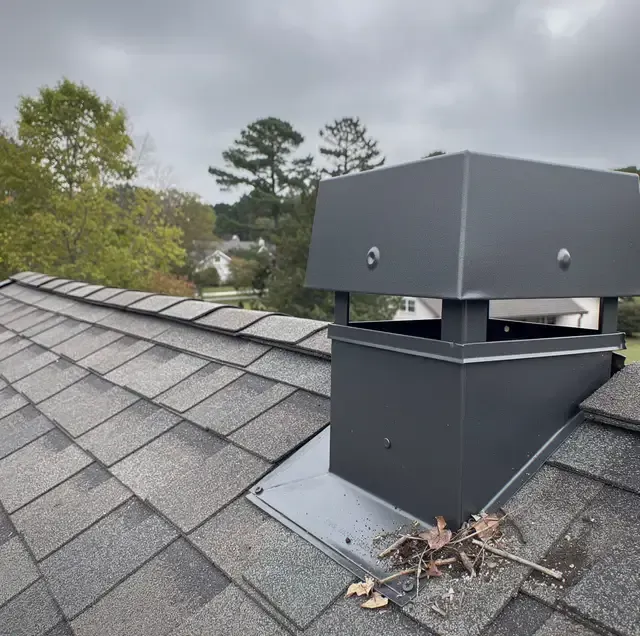
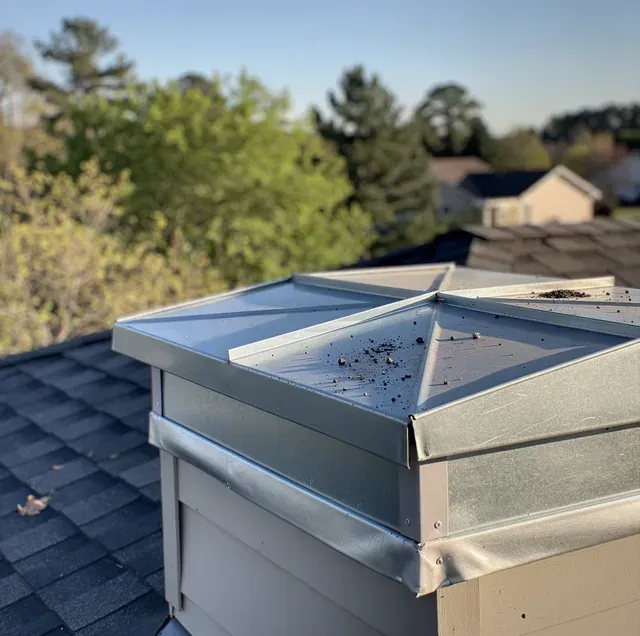
Cap and crown condition: a missing or damaged chimney cap lets rain, debris, and animals into the flue between uses, which accelerates both moisture damage to the crown below and the odds of a bird or squirrel deciding the flue is a good nesting spot. A cracked crown does something similar from the top surface itself, letting water seep into the masonry and freeze-thaw cycle it apart over time.
Firebox and smoke chamber:
the brick or refractory panels lining the firebox take direct heat exposure every burn, and the smoke chamber above it (the rough, corbelled area between the firebox and the flue) is typically parged smooth with a heat-resistant coating to help smoke transition upward without turbulence. Rough, unparged smoke chambers collect creosote faster because the exhaust moves through them less efficiently.
Gas Fireplace and Insert Upkeep: The Small Parts That Matter
A gas fireplace skips the creosote problem almost entirely since it isn't burning solid fuel. Still, it introduces a different set of failure points, mostly small mechanical and electrical parts that go unnoticed until they don't work.
Ignition components: older standing-pilot systems keep a small flame lit continuously, while newer intermittent-pilot and electronic-ignition systems spark only when you call for heat. Either way, the pilot assembly, thermocouple or thermopile (the sensor that confirms the pilot flame is present and allows gas flow to continue), and burner orifices need periodic cleaning, since dust and lint drawn in from the room can clog small ports over time.
Vent integrity: most gas fireplaces are direct-vent or B-vent appliances, meaning combustion gases exit through a dedicated pipe rather than a traditional masonry flue. That venting still needs to be checked for corrosion, joint disconnects, and blockage at the exterior termination cap, since a blocked vent on a sealed-combustion appliance is a different kind of hazard than a blocked wood flue.
Glass and gasket condition: the sealed glass front on most gas units relies on a gasket to maintain proper combustion airflow. A degraded or improperly seated gasket can throw off the air-to-fuel ratio, which shows up as sooting on the glass, a sign worth having checked rather than ignored.
Log and ember bed placement: ceramic logs and reflective ember material are arranged in a specific pattern the manufacturer engineers for proper flame pattern and heat distribution. Vacuuming around the burner (with the unit off and cool) or moving logs during cleaning can shift that arrangement enough to affect how the unit burns.
None of this requires the frequency of a wood system's sweep-and-brush routine. Still, it does call for an annual professional look, since the failure points are electrical and combustion-related rather than something a visual glance from across the room will catch.
Electric Fireplace Maintenance: About As Simple As It Gets
An electric fireplace has no flue, no combustion byproducts, and no exhaust path to inspect, which is precisely why chimney and hearth companies, including ones that service wood and gas systems, generally have nothing to inspect on one. There's no liner to sweep, no cap to check, no gasket sealing in combustion gases.
What upkeep exists is closer to maintaining a household appliance than a heating system. Dust accumulates on the heat exchanger fins and fan intake and should be wiped or vacuumed out periodically, since a dust-coated element can produce a faint burning-dust smell the first time it's run after sitting idle. The flame effect, usually LED lights reflected off a rotating or vibrating mylar sheet, uses bulbs or diodes that eventually dim or fail and need replacing, though that's typically a years-long interval rather than an annual one. Beyond that: keep the intake and exhaust vents unblocked by furniture or rugs, and wipe the glass or acrylic front with a non-abrasive cloth.
Maintenance Frequency and Type, Side by Side
| Fuel Type | Core Upkeep Tasks | Typical Frequency | Who Handles It |
|---|---|---|---|
| Wood-burning | Creosote/soot sweep, flue liner inspection, cap and crown check, damper seal, ash removal | Sweep and inspection at least annually (NFPA 211 baseline); ash removal as needed between burns | Certified sweep for the flue/liner/cap; ash removal is a homeowner task |
| Gas fireplace/insert | Pilot or ignition system check, burner and orifice cleaning, vent inspection, glass gasket check, log placement | Annual professional inspection; light dusting of the surround as needed | Professional for burner, venting, and ignition components; surface dusting is a homeowner task |
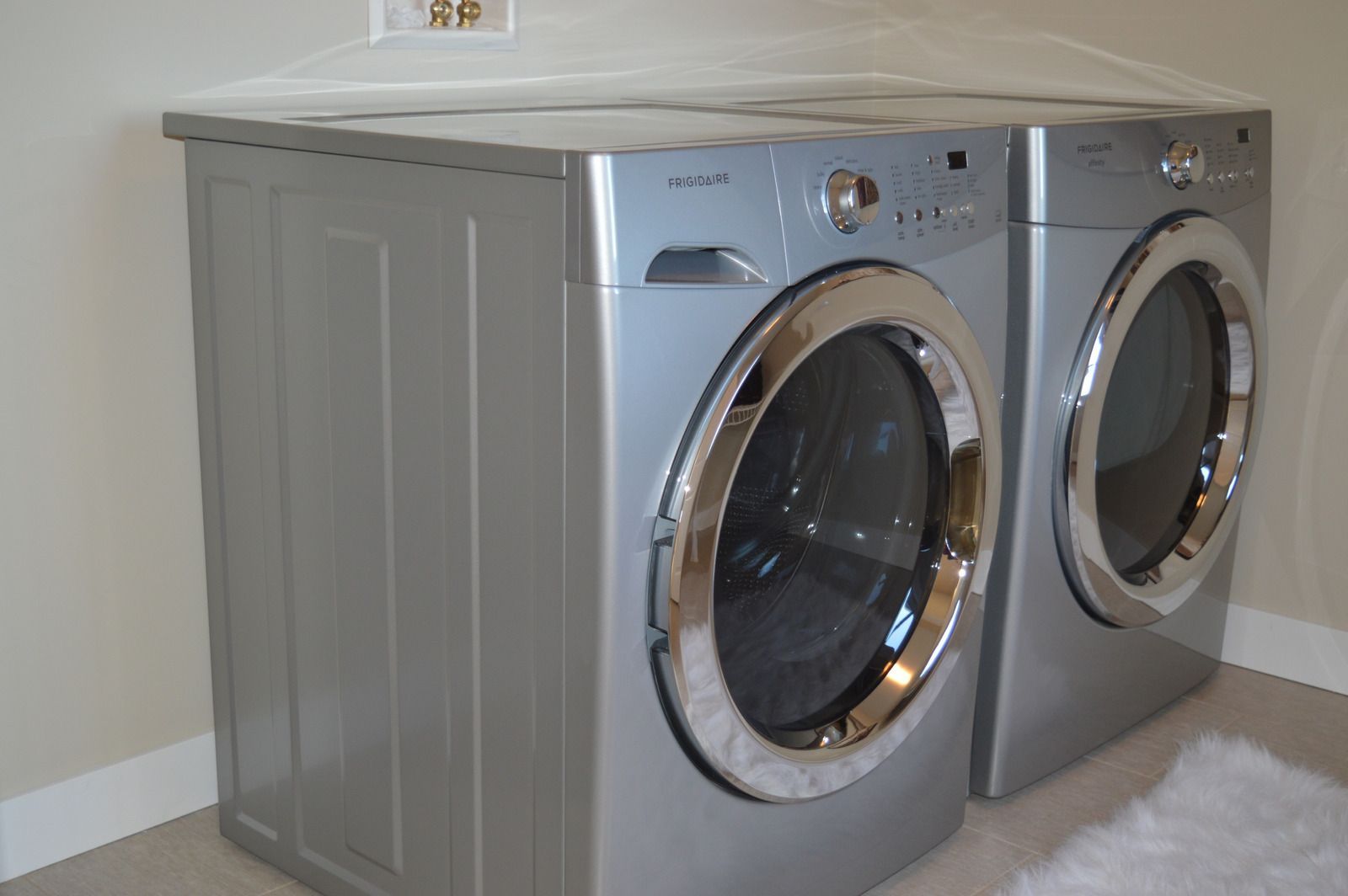
| Electric | Dust heat exchanger and fan intake, wipe glass front, replace LED/bulb occasionally | Dusting every few weeks during regular use; bulb/LED replacement over a period of years | Homeowner task for routine upkeep; component failures go to appliance/electrical repair, not chimney service |
Environmental Considerations: What's Generally Understood
Environmental comparisons between fuel types get cited constantly, and it's worth treating most of them as generally understood tendencies rather than settled figures, since the details shift with equipment age, burn practices, and local conditions.
Wood combustion is widely cited as producing more particulate matter than gas combustion, which is part of why EPA-certified wood stoves and inserts built to newer emissions standards burn measurably cleaner than older, uncertified units still in service in a lot of homes. How a wood fire is run matters too: well-seasoned, dry wood burning at a hotter, more complete combustion produces less visible smoke and creosote than green or wet wood smoldering at a low temperature.
Gas is generally understood to burn cleaner at the point of combustion, with fewer visible particulates, though the natural gas or propane supply chain that feeds it carries its own widely discussed upstream considerations that are outside what happens at the fireplace itself.
Electric fireplaces produce no combustion byproducts at the point of use, but their environmental footprint depends entirely on how the electricity feeding them was generated, a mix that varies significantly by region and utility and isn't something that reduces to one fixed number. A unit plugged in on one grid isn't an apples-to-apples comparison with the same unit on a different grid, so treat any specific claim about electric fireplaces being "cleaner" with the same caution you'd give a specific claim about any other appliance's electricity source.
Frequently Asked Questions
Does a gas fireplace need the same kind of chimney sweeping a wood-burning one does?
No. There's no creosote to brush out of a sealed-combustion gas system the way there is with wood. But insects are a genuine, underappreciated issue with gas units: spiders and other small pests are drawn to the smell of unburned gas and will sometimes build nests inside burner orifices or the pilot assembly during periods when the unit sits unused, which can partially block gas flow and cause irregular flames or ignition failure the next time it's lit.
If a wood-burning fireplace gets converted to gas, does old creosote still matter?
Yes, and it's an easy thing to overlook during a conversion. A gas flame doesn't remove existing creosote deposits from a flue that previously burned wood; it just stops adding new ones. If the flue was carrying a hardened, glazed layer before the conversion, that layer stays put unless it's swept out, and it remains a fire risk sitting in a flue that's now venting a different appliance. A full sweep before or during a wood-to-gas conversion is standard practice specifically to clear that leftover buildup rather than sealing it behind the new appliance.
Where does humidity-related corrosion actually show up first on a gas vent system?
Usually at the exterior termination cap and any exposed joints, not deep inside the venting. Aluminum vent components, common on some direct-vent installations, tend to develop a dull, powdery white surface corrosion when repeatedly exposed to moisture, while stainless steel components hold up longer but can still show pitting or rust-colored streaking at seams where two sections join. A technician checking venting during an annual visit is largely looking at these exposed, moisture-facing points first, since that's where a vent typically starts failing before any interior section does.
Do electric fireplaces ever need a professional to look at them?
Not from a chimney or hearth service standpoint, since there's no flue, liner, or venting involved. If an electric unit's heating element, fan motor, or internal wiring fails, that's an electrical or appliance-repair matter rather than a chimney service one, since it falls outside combustion-venting work entirely.
How can I tell if my wood stove or insert is actually EPA-certified, not just marketed as efficient?
Look for a permanent metal or foil tag, usually affixed to the back or side of the unit near the data plate, listing the certification and an emissions rating in grams per hour. Marketing language like "high-efficiency" or "clean-burning" on a sales brochure isn't the same thing and doesn't require the tag to back it up. If the tag's been painted over, removed, or was never there (common on older units installed before certification requirements existed), that doesn't automatically mean the unit is a problem, but it does mean there's no quick way to confirm its emissions performance without checking the manufacturer's model documentation directly.
Where do pellet inserts fit into this comparison, closer to wood or closer to gas?
Closer to wood in one respect and closer to gas in another. A pellet insert still burns a solid fuel (compressed wood pellets fed by an auger from a hopper), so it produces ash and some particulate residue that a gas system doesn't. But combustion is more automated and generally more complete than an open wood fire, so what accumulates tends to be fine ash in the burn pot and exhaust venting rather than the tar-like creosote that coats a masonry flue. That difference doesn't remove the need for periodic professional attention to the venting and burn pot; it just changes what that attention is actually looking for.
Do electric fireplaces ever need a professional to look at them?
Every fuel type asks something different of the person running it, and none of the three is maintenance-free once you look past the glass. Wood asks for the most hands-on attention and the most professional expertise, gas asks for fewer visits but more precision when they happen, and electric mostly asks you to keep it dusted. Whichever one you've got, the upkeep it actually needs looks nothing like the upkeep the other two need, and treating all three the same is usually where small issues start going unnoticed.
Book a Level 1 chimney inspection — have a certified technician check your liner, cap, and firebox before hidden wear turns into a bigger repair. Perfect Chimney Cleaning serves Greensboro, High Point, and Winston-Salem. Call (336) 604-6711.
Recent Posts