DIY vs. Professional Chimney Cleaning: What Gets Missed
| Factor | Older/historic masonry | Modern masonry |
|---|---|---|
| Mortar binder | Lime-based, low or no Portland cement | Portland-cement-based, harder curing |
| Mortar flexibility | Softer, some self-healing of hairline cracks | Rigid once cured, cracks stay cracked |
| Brick type | Handmade or soft-mud, lower fire temperature | Extruded, wire-cut, higher fire temperature |
| Brick porosity | More absorbent, prone to spalling | Denser, less water uptake |
| Typical liner status | Often unlined, undersized, or original clay tile | Liner sized and installed to current standards |
| Repair priority | Match mortar chemistry, not just color | Standard modern mortar mixes generally compatible |
| Common failure pattern | Brick face spalling; joint self-healing can mask real deterioration | Joint cracking tends to precede brick damage |
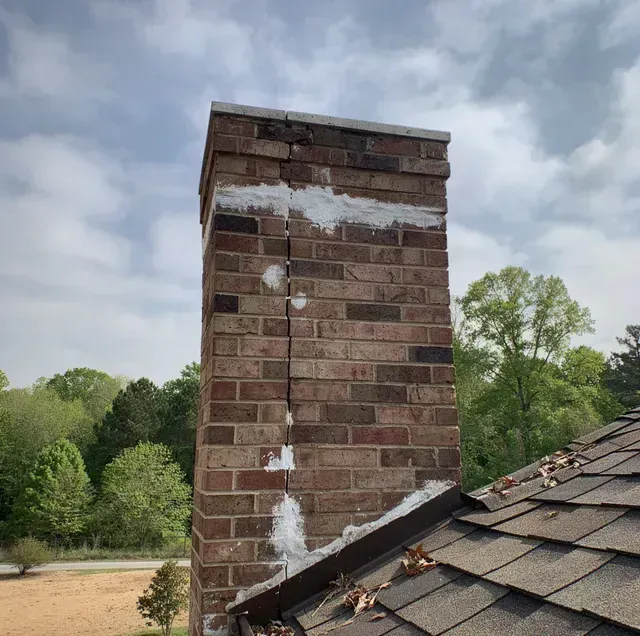
Older chimneys were often built on shallower footings than current standards call for, and after decades of ground movement and the chimney's own weight, some settling is common: a slight lean, a visible gap where the chimney meets the roofline, or a stair-step crack pattern following the mortar joints diagonally. A small, stable lean or an old, dormant crack isn't automatically an emergency, but telling "old and stable" from "active and worsening" benefits from a hands-on inspection rather than a guess from the ground.
A technician can often get a first read on mortar type without lab testing. Dragging a metal key or nail across a joint that leaves a visible scratch and a little powder points toward a softer, lime-rich mix, while a joint that resists scratching and holds a sharp edge points toward a harder, Portland-heavy mix. This test doesn't replace a proper inspection or lab analysis of the actual composition, but it's a useful first check before assuming a chimney can be treated like standard modern construction.
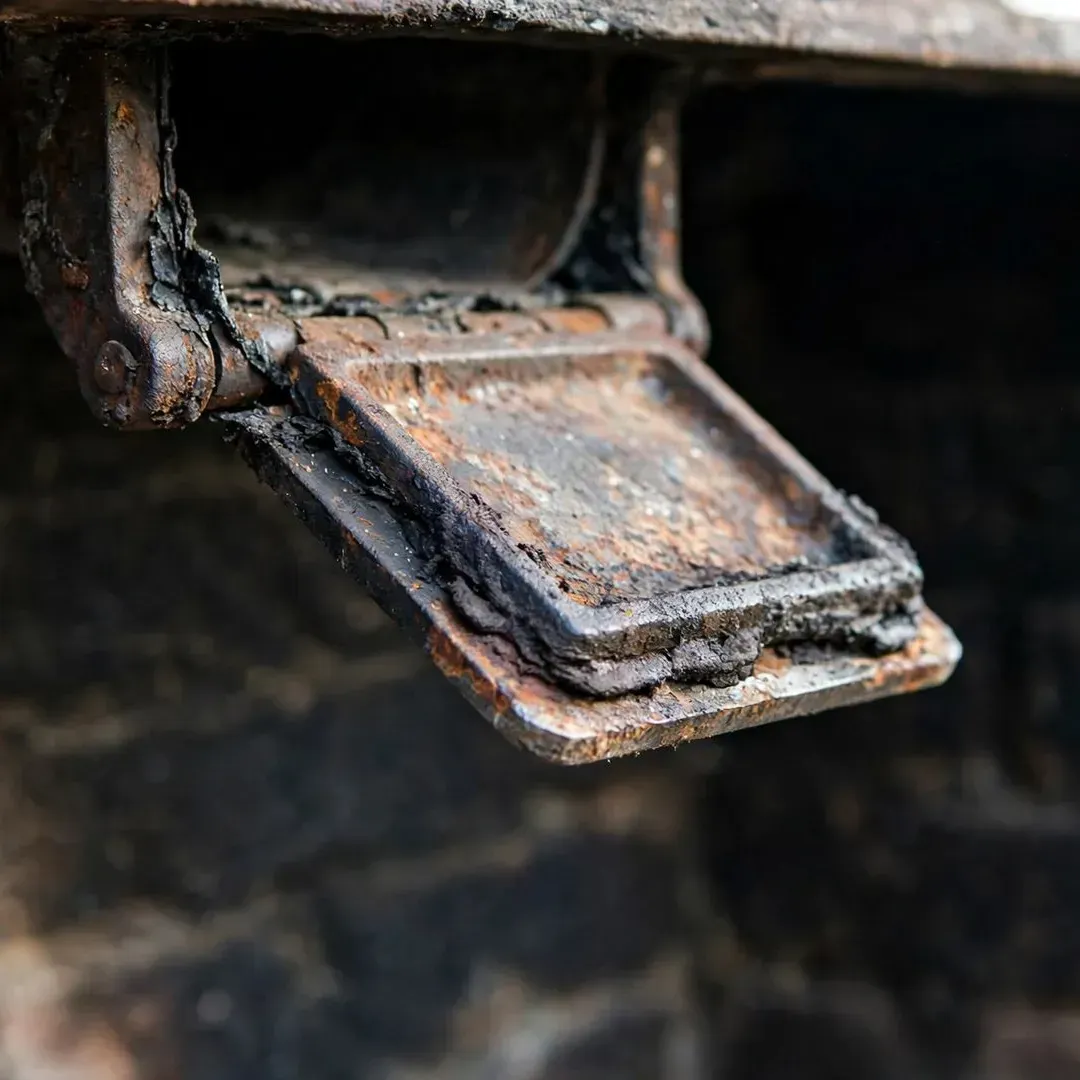
The damper is the movable plate that opens and closes the path between the firebox and the flue above it. Traditional dampers are a hinged metal flap mounted at the throat, right in front of the smoke shelf at essentially the same level; newer systems often use a top-mount damper instead, a sealing plate at the very top of the flue operated by a cable or lever from the firebox. The damper's job: it closes off the flue when there's no fire burning, so conditioned indoor air doesn't pour straight up the chimney, and it opens fully to let smoke and gases draft out when you do have a fire going. A damper that won't seat properly, whether warped, rusted, or coated in old creosote, wastes energy and can also affect how well a fireplace drafts once lit.
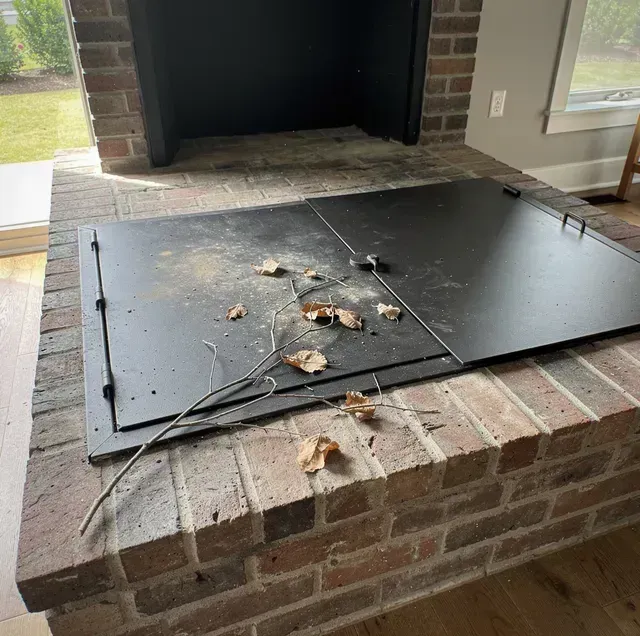
Hearth Extension
When a Post-Renovation Inspection Is (and Isn't) Warranted
You are scrolling a hardware site at ten at night, and there it is: an inexpensive chimney brush kit with a handful of fiberglass extension rods, four-star reviews, ships tomorrow. It looks like a weekend project. Strap on some old clothes, poke the brush up the flue a few times, and you've saved yourself a service call. For some homeowners, that instinct is reasonable. For others it's the setup for a problem they won't discover until the first cold snap, when smoke backs up into the living room, or a technician finally gets a camera up the flue and finds out how much the brush never touched.
The honest answer is: it depends on what "clean" actually means for your chimney right now, and that's worth working through before you buy the kit or skip the call.
What a DIY Brush Kit Can Actually Reach
A basic homeowner kit is a wire or poly brush threaded onto fiberglass or polypropylene rods that you push up from the firebox. Used correctly, it can knock loose soot and light, flaky first-stage creosote from the section of flue you can reach and see, which for most one-story fireplaces is roughly the first several feet above the damper.
Poly brushes work on stainless steel or aluminum liner material without scratching it. Wire (steel) brushes are for clay tile or unlined masonry flues, where a poly brush is often too soft to knock loose anything but the lightest dust. Using a wire brush on a metal liner is a mistake that shows up as scored, thinned liner walls, which is one reason knowing your flue's actual material matters before you buy a kit at all.
The kit can't tell you what type of liner you have, whether the brush is sized correctly for your flue's diameter (a brush needs to be close to the flue's actual measurement, oversized enough to scrub the walls but not so large it won't pass), or whether the pass reaches the full length of the flue rather than just the accessible middle section.
What a Professional Visit Covers That a Kit Doesn't
A CSIA-certified sweep isn't just a bigger brush. It's rotary or rod-based cleaning sized to your specific flue, done from a position (often the roof, sometimes the firebox with full-length access equipment) that reaches the entire run, paired with a visual and often camera inspection of parts a hardware-store kit was never built to evaluate.
| DIY Brush Kit | Professional Visit | |
|---|---|---|
| Reach | Accessible lower section of flue, limited by rod length and access point | Full flue length, floor to top, using equipment sized to your liner |
| Creosote handled | Light, flaky stage-one soot | Stage-one soot plus glazed stage-two and hardened stage-three deposits |
| Liner check | None; brush contact only | Visual and camera inspection for cracks, gaps, or separated joints |
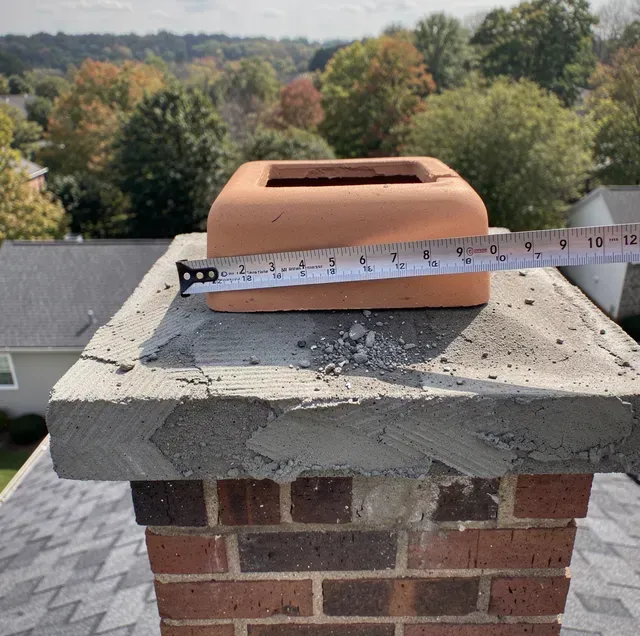
| Structural check | None | Crown, cap, flashing, and masonry condition assessed |
| Roof-height work | Homeowner, if attempted at all | Trained technician with fall protection and roof access equipment |
| Documentation | None | Written findings, often with photos, for insurance or resale |
The gap that matters most is the creosote stage. First-stage buildup is dry and flaky, and a brush handles it fine. Second-stage creosote has started to glaze and stick to the flue wall. Third-stage creosote is hardened, tar-like, and can be thick enough to narrow the usable flue diameter, and it's also the most flammable of the three. A basic bristle brush, wire, or poly generally can't remove hardened third-stage buildup; it needs mechanical rotary tools (a flexible whip head spun by a drill or dedicated rotary system) or, in heavy cases, chemical creosote-softening treatment applied before mechanical removal. A homeowner who brushes a flue that's carrying stage-two or stage-three creosote can walk away thinking the job is done when the flue is still carrying the material most likely to ignite.
When a Light DIY Pass Is Fine
None of this means every homeowner needs a professional for every bit of upkeep. Between-sweep upkeep, things like checking the damper moves freely, keeping the firebox swept, and watching for obvious debris, is its own topic worth covering on its own and doesn't involve the flue at all. This section is narrower and specifically about the flue itself: if you burn wood occasionally, keep an eye on your chimney, and you're dealing with light dust and loose soot in an easily reached, straight, single-story flue, a careful DIY brush pass on that flue isn't dangerous or wrong. The point is knowing where that light maintenance ends and a full service begins.
The mistake isn't owning a brush. The mistake is treating a brush pass as equivalent to an annual sweep and inspection. It isn't, for three specific reasons: it doesn't reach the full flue length on most two-story or offset chimneys, it can't remove hardened creosote once it's formed, and it includes no inspection at all, so a cracked liner, a failing crown, or a chimney that's structurally sound but drafting poorly stays invisible until it causes a problem.
The Real Risk Isn't the Brush, It's the Roof
Set the cleaning question aside for a moment, because the more serious safety issue with DIY chimney work usually isn't the brushing itself; it's getting to the top of the chimney to do it. Many flues, especially on two-story homes or homes with steep or complex roof pitches, can't be effectively brushed from the firebox alone; reaching the top means working at height, on a roof surface that may be wet, mossy, or pitched steeper than it looks from the ground.
Professional technicians work roof-height jobs with fall protection: roof anchors, harnesses, ladder stabilizers, and an assessment of pitch and surface condition before anyone climbs. A homeowner without that training and equipment, working alone on a Saturday afternoon, is taking on real fall risk for a job that, if the flue turns out to need more than a light brush anyway, doesn't solve what's actually wrong with the flue. This is worth taking seriously without overstating it: a ground-level chimney with an accessible cleanout isn't the same risk as a steep two-story roof, and plenty of light maintenance can be done safely from inside the home. The line to watch is whether the job requires roof access at all, and if it does, that's the point to hand it off.
Signs Your Chimney Needs More Than a Brush
A few signs point toward a professional visit rather than a DIY pass, regardless of how recently you last cleaned:
Glazed or tar-like buildup: if what you can see inside the flue looks shiny, sticky, or bubbled rather than flaky, that's stage-two or stage-three creosote, and a basic brush won't remove it.
A flue you can't fully see or reach: offsets, two-story runs, or any bend in the chimney mean a firebox-only brush pass is cleaning part of the system, not all of it.
Signs of water intrusion or cracking: rust on the damper, white staining on the masonry, or visible gaps at the flue tile point to problems a brush pass won't find, let alone fix.
It's been more than a year, or you don't actually know:
annual inspection is the baseline recommendation industry-wide for a reason; a brush kit gives you no way to confirm what's actually happening past the point you can see.
Frequently Asked Questions
Can I use a shop vac instead of, or with, a brush kit?
A shop vac can help contain the mess from a firebox-level brush pass, but a standard household or shop vac isn't built for fine ash and soot; the particles are small enough to pass through a standard filter and recirculate into the room air. A HEPA-rated vacuum is a better match if you're doing any DIY dust cleanup, and it's still only addressing loose material in the firebox, not the flue itself.
How long does a chimney brush actually last with regular use?
A wire or poly brush head typically holds up for several seasons of light use before the bristles splay or wear down enough that they stop making full contact with the flue walls. A visibly worn brush head does less each pass, even if it feels like the same routine, which is one more reason a brush alone isn't a reliable long-term substitute for an inspection.
Do creosote-cleaning logs, the ones you burn to loosen buildup, work as a substitute for brushing?
Not on their own. These logs release chemical compounds into the flue gas that dry out and flake stage-one and some stage-two creosote, making it looser and easier to remove, but they don't actually pull material out of the flue; the flaked residue still has to be swept out afterward, either by hand or during a professional visit. They also don't do much against hardened, glazed stage-three buildup, which needs mechanical rotary tools or a chemical softening treatment applied directly rather than burned in the firebox. Treat them as a helper before a cleaning, not a replacement for one.
Is it true that gas fireplaces don't need any chimney cleaning at all?
No. Gas appliances don't produce creosote the way wood fires do, but the venting can still accumulate bird nests, spider webs (which can block a pilot light's sensing capability), or scale buildup, and the venting itself still needs a periodic check for corrosion or blockage, so "gas means no maintenance" is a common misread.
Can a DIY brush pass make it harder for a technician to spot problems later?
It can, in one specific way: knocking loose the top layer of soot without clearing what's underneath can leave a flue looking cleaner than it actually is, which sometimes means a technician has to re-brush a section before a camera scan gives a reliable read. Mentioning that a DIY pass was already done, and roughly when, helps a technician account for it rather than assuming the flue is in its natural, untouched state.
What tools do professionals use that aren't available in a retail kit?
Commercial-grade rotary sweeping systems run at variable, controllable speeds and torque a consumer drill-driven kit can't match, which matters for fully clearing hardened creosote without gouging a metal liner. Technicians also work with negative-air or HEPA-filtered containment set up at the firebox opening to keep soot and dust out of the living space during the job, and pair the cleaning with a video-scanning camera afterward to confirm the flue is actually clear, something no consumer kit includes a way to verify.
A brush kit is a reasonable tool for what it's built for: knocking loose the light stuff you can see and reach. It was never built to reach a full two-story flue, remove hardened creosote, or tell you whether your liner and crown are sound, and treating it as if it does either of those things is where the real risk sits, not in owning a brush.
Book a full chimney cleaning and inspection — find out what your flue actually looks like past the point a brush can reach. Perfect Chimney Cleaning serves Greensboro, High Point, and Winston-Salem. Call (336) 604-6711.
Recent Posts