How Often Should a Chimney Really Be Swept?
QUICK ANSWER: A chimney should be inspected at least once a year, and swept whenever buildup calls for it — which for regular wood-burning use is often about once a year. How often you actually need a sweeping depends on how much you burn, the type of fuel and wood, how you burn it, and the appliance. Frequent wood burning, burning unseasoned wood, or smoky low-temperature fires build creosote faster and need more frequent cleaning. The yearly inspection is the constant: it tells you whether a sweeping is due, catches hazards, and keeps the chimney safe to use.
A chimney quietly builds up hazards every time you light a fire — creosote, soot, blockages — and the only way to keep it safe is regular cleaning. But "how often" trips people up, because it isn't a fixed number for every home. The reliable answer combines a yearly inspection with sweeping as needed, and how quickly that buildup occurs depends on how you use the fireplace. Here's how to think about your chimney's cleaning schedule.
Inspect Yearly, Sweep as Needed
The foundation of chimney care is an annual inspection. Having the chimney inspected at least once a year — typically recommended before the heating season — is the constant that applies to virtually every chimney, because it's what tells you the current condition: how much buildup is present, whether there are hazards or damage, and whether a sweeping is due. Sweeping, then, happens as needed based on what the inspection and your usage indicate. For many homes that burn wood regularly, that works out to roughly once a year, but the inspection is what confirms it rather than guessing — your actual buildup, not a calendar, decides when a sweeping is truly due. So the rule isn't "sweep on date X" — it's "inspect yearly, and sweep when the buildup calls for it."
What Affects How Often You Need Sweeping
Several factors determine how quickly creosote and buildup accumulate, and so how often the chimney needs cleaning.
How Much You Burn
The more you use the fireplace or wood stove, the faster the buildup accumulates. A home that burns frequently all winter builds creosote much faster than one that lights an occasional fire and needs more frequent sweeping. Usage is the biggest single factor.
The Type of Wood and Fuel
What you burn matters. Burning unseasoned or wet wood produces far more creosote than dry, seasoned wood, because the moisture leads to smokier, cooler fires that deposit more buildup. Softwoods and certain fuels can also build creosote faster. Burning the right, well-seasoned wood slows the buildup.
How You Burn
Low, smoldering, smoky fires deposit more creosote than hot, efficient ones, because cooler smoke condenses more buildup on the chimney walls. A chimney serving fires that often smolder needs more frequent attention than one with hot, clean-burning fires.
The Appliance and Setup
The type of appliance — open fireplace, wood stove, insert — and how the chimney is configured affect buildup rates too. Different setups accumulate creosote at different rates, which factors into the cleaning schedule.
| Factor | Sweep more often | Can go longer |
|---|---|---|
| Amount burned | Frequent winter burning | Occasional fires |
| Wood/fuel | Unseasoned, wet, smoky | Dry, seasoned wood |
| Burning style | Low, smoldering fires | Hot, efficient fires |
| Appliance/setup | Higher-buildup configurations | Lower-buildup setups |
Why the Yearly Inspection Matters Regardless
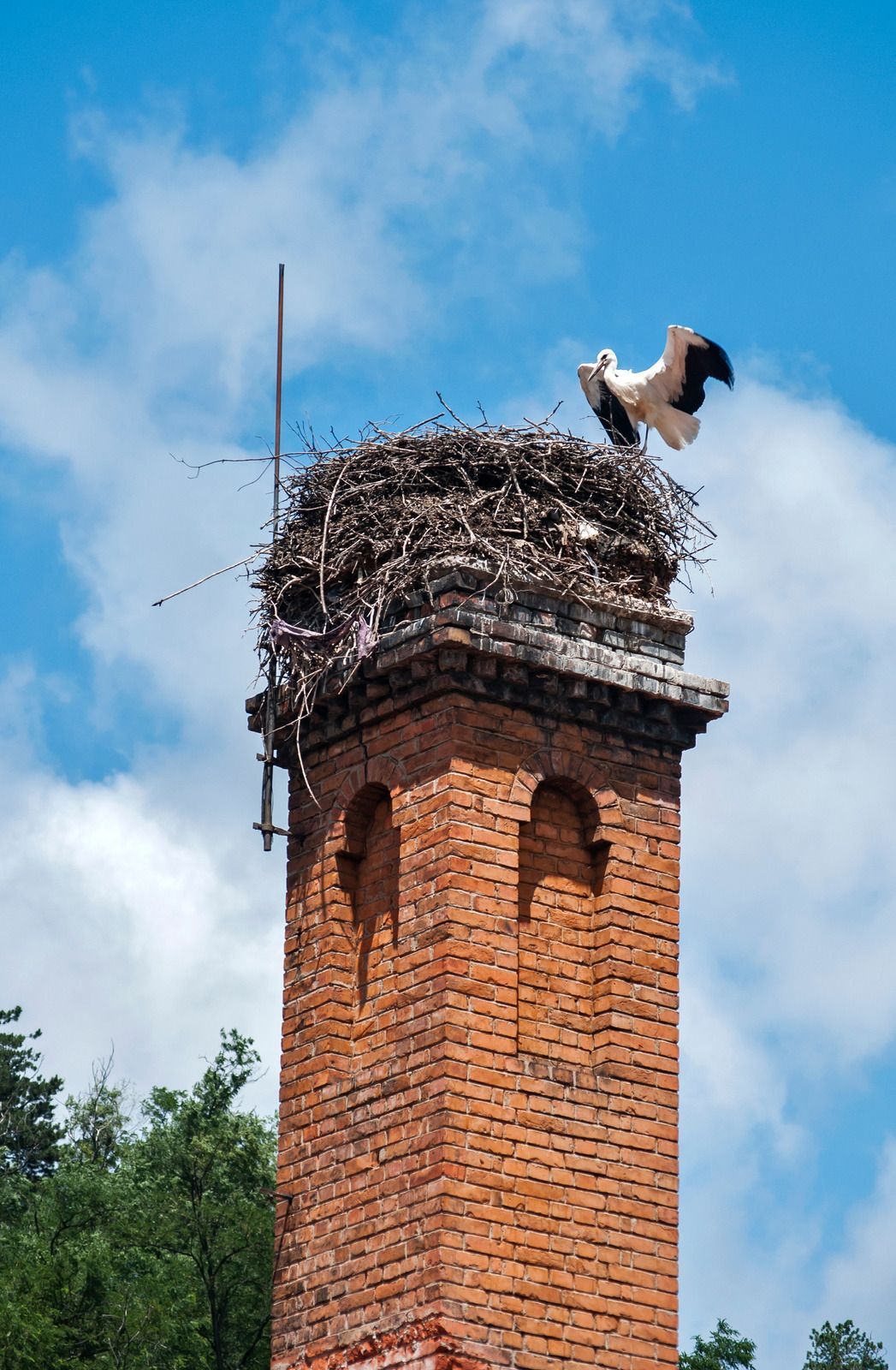
Even if you barely use your fireplace, the annual inspection still matters because sweeping isn't the only purpose. The inspection catches creosote buildup before it becomes a fire hazard, finds blockages (animal nests, debris) that can cause dangerous backdrafting, and identifies damage or deterioration in the chimney structure that needs repair. It's a safety check, not just a cleaning trigger. That's why the guidance centers on inspecting at least once a year: it's the step that keeps the chimney safe to use and tells you whether a sweeping or repair is needed, rather than waiting for a problem to reveal itself through a chimney fire or a smoke-filled room. A certified chimney professional performs the inspection and sweeps when it's warranted.
TIP: Schedule your chimney inspection before the heating season, not in the middle of it. A pre-season check means any needed sweeping or repair is done before you're relying on the fireplace, so you head into winter with a chimney you know is clean and safe rather than discovering a problem on a cold night.
Frequently Asked Questions
How often should I have my chimney swept?
The standard guidance is to have the chimney inspected at least once a year and swept as needed based on buildup, which for regular wood-burning use often works out to about once a year. The exact frequency depends on how much you burn, the type of wood or fuel, how you burn, and your appliance. The yearly inspection is the constant — it tells you whether a sweeping is due. Rather than a fixed date, it's inspected annually and swept when the buildup warrants it.
What affects how often a chimney needs cleaning?
Several things: how much you burn (frequent use builds creosote faster), the type of wood and fuel (unseasoned or wet wood produces much more creosote than dry, seasoned wood), how you burn (low, smoldering, smoky fires deposit more buildup than hot, efficient ones), and the appliance and setup. A home that burns a lot of wet wood in smoky fires needs far more frequent sweeping than one with occasional hot fires using seasoned wood. Usage and wood quality are the biggest factors.
Do I still need a chimney inspection if I rarely use my fireplace?
Yes. The annual inspection isn't only about removing creosote — it also catches blockages like animal nests and debris that can cause dangerous backdrafting, and identifies structural damage or deterioration that needs repair. Even a lightly used chimney can develop these hazards. So the yearly inspection is recommended regardless of how often you burn, as a safety check that keeps the chimney safe to use and flags any cleaning or repair needs before they become problems.
Why does burning wet wood make my chimney dirtier?
Burning unseasoned or wet wood produces far more creosote because the moisture in the wood leads to smokier, cooler-burning fires. That cooler smoke condenses more readily on the chimney walls, depositing more creosote buildup than a hot, clean fire from dry, seasoned wood would. So wet wood both burns less efficiently and dirties the chimney faster, meaning more frequent sweeping is needed. Burning well-seasoned, dry wood is one of the best ways to slow creosote buildup.
When is the best time to have my chimney inspected?
Before the heating season is the ideal time. A pre-season inspection means any needed sweeping or repair is completed before you start relying on the fireplace through winter, so you're not discovering a hazard or blockage on a cold night with a fire going. Scheduling the inspection ahead of the season lets you head into the cold months knowing the chimney is clean, clear, and safe. It also avoids the rush when everyone schedules service once winter arrives.
Inspect Every Year, Clean When It's Due
How often a chimney needs sweeping isn't a single number — it's a yearly inspection plus cleaning as the buildup calls for it, which for regular wood burning often lands around once a year. How much you burn, the wood you use, how you burn it, and your appliance all change how fast creosote accumulates. The annual inspection is the anchor that ties it all together: it tells you when a sweeping is actually due and catches the blockages and structural damage that can make a chimney unsafe to use. Schedule it before the heating season, and you go into winter with a chimney that's clean, clear, and ready to use, instead of finding out about a hazard the hard way once a fire is already burning on a cold night when help is hardest to get.
Not sure when your chimney was last cleaned? — Get a yearly inspection and sweeping from CSIA-certified technicians before the heating season. Perfect Chimney Cleaning serves Greensboro, High Point, Winston-Salem. Call (336) 604-6711.
Recent Posts