
Why Your Fireplace Smells, Especially in Summer
The Appliance and Setup
QUICK ANSWER: A fireplace smells, especially in summer, because of creosote buildup in the chimney combined with heat, humidity, and air pressure. Creosote and soot give off a smoky, campfire odor, and summer heat and humidity intensify it. At the same time, summer air conditioning and air pressure can create a downdraft that pulls air down the chimney and into the home, carrying the smell with it. So the odor is usually worse in summer even though you're not burning. The fixes are a professional cleaning to remove the creosote and addressing moisture and the downdraft.
You're not even using the fireplace, yet on a hot, humid summer day, it gives off a strong smoky, musty smell that drifts into the room. It's a common and puzzling complaint — why would a fireplace smell more in summer, when there's no fire? The answer combines what's built up in the chimney with how summer's heat, humidity, and air pressure behave. Understanding it explains both the smell and how to get rid of it.
The Smell Starts With Creosote
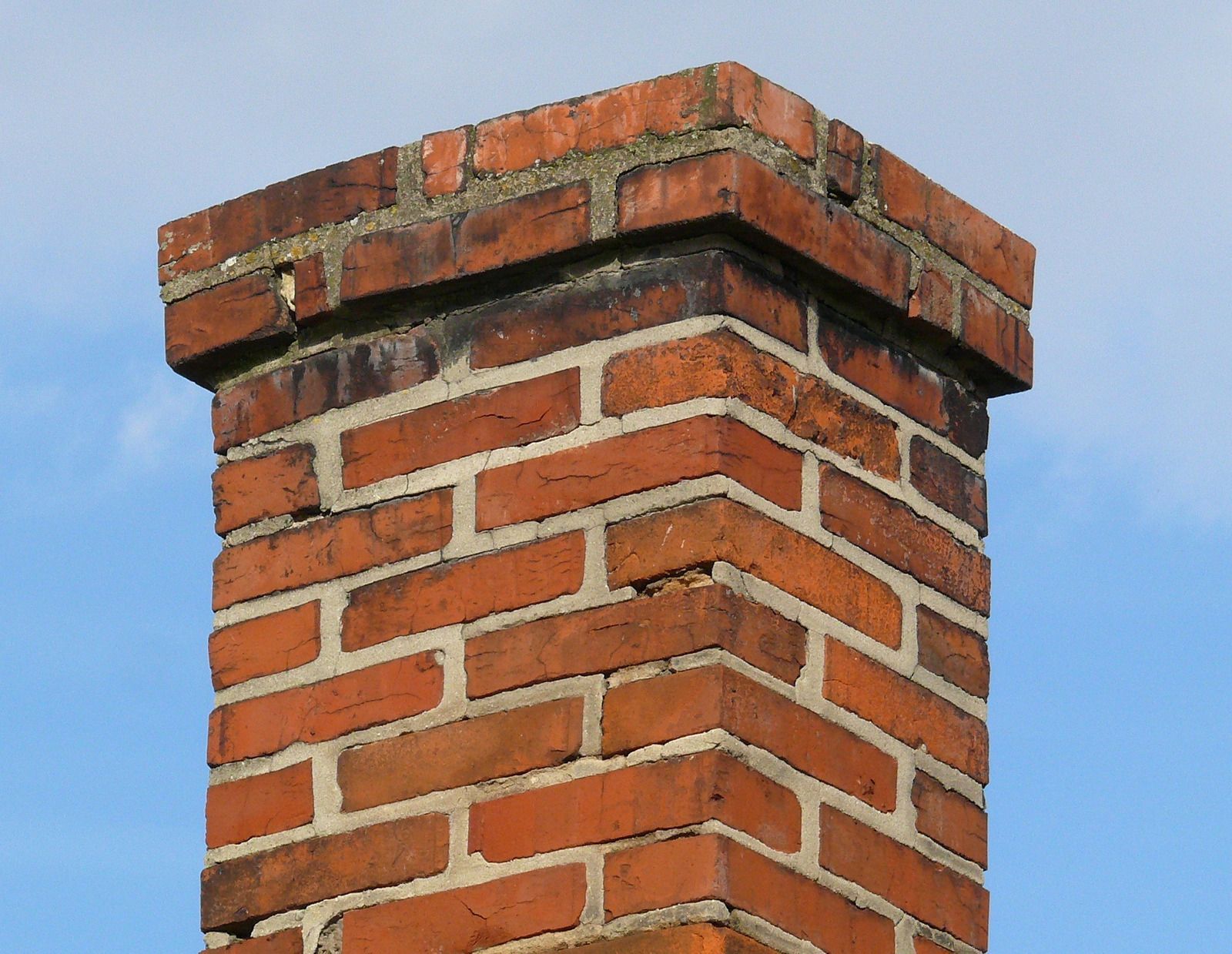
The root of a fireplace odor is usually creosote — the buildup left in the chimney from burning wood. Creosote and soot have a strong smoky, campfire-like smell, and the more buildup in the chimney, the stronger the potential odor. So even when you're not burning, the accumulated creosote coating the flue is a constant source of that smell. This is why the odor points to a chimney that needs cleaning: the creosote responsible for it is still there, off-season, giving off its smell. Remove the creosote, and you remove the main source of the odor. But that explains the smell itself, not why it's worse in summer specifically.
Why It's Worse in Summer
Two summer conditions intensify a creosote odor that might be barely noticeable in winter.
Heat and Humidity
Summer heat and humidity make creosote smell stronger. The warmth and moisture intensify the odor coming off the buildup, so a chimney that smells faintly (or not at all) in cool, dry weather can smell strongly on a hot, humid summer day. Humidity in particular brings out the smell. This is a big reason fireplaces are notorious for smelling in summer — the same creosote just produces a much stronger odor in the heat and damp.
Downdraft Pulling Air Inside
The other factor is air pressure and airflow. In summer, running air conditioning and the pressure differences in a home can create a downdraft in the chimney — air flowing down the flue and into the house instead of up and out. When that happens, the chimney air, carrying the creosote smell, gets pulled into your living space rather than venting outside. So summer's combination of heat-intensified odor and a downdraft pulling chimney air indoors is why the smell is so noticeable then. The smell was always there in the creosote; summer just amplifies it and routes it inside.
| Factor | Role in the summer smell |
|---|---|
| Creosote buildup | The source of the smoky odor |
| Heat | Intensifies the odor off the creosote |
| Humidity | Brings out and strengthens the smell |
| Downdraft (AC, pressure) | Pulls chimney air and odor into the home |
How to Fix It
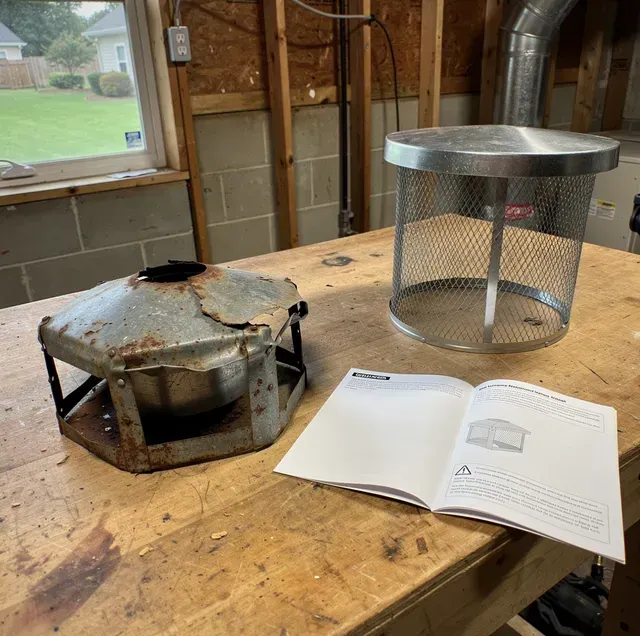
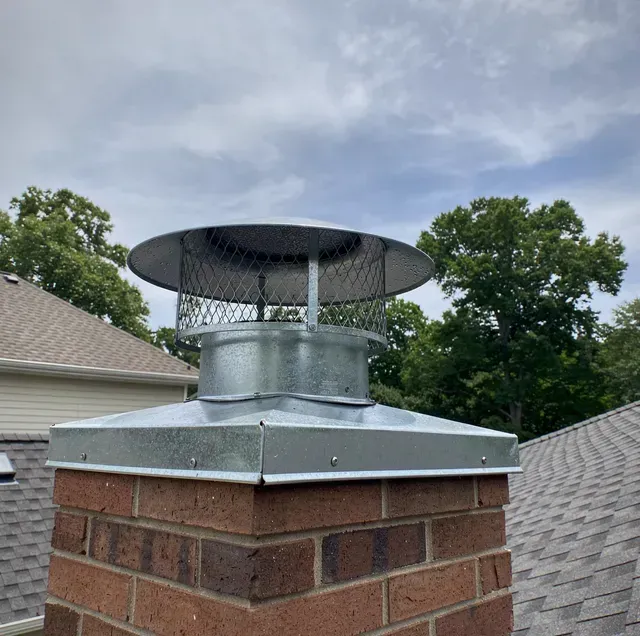
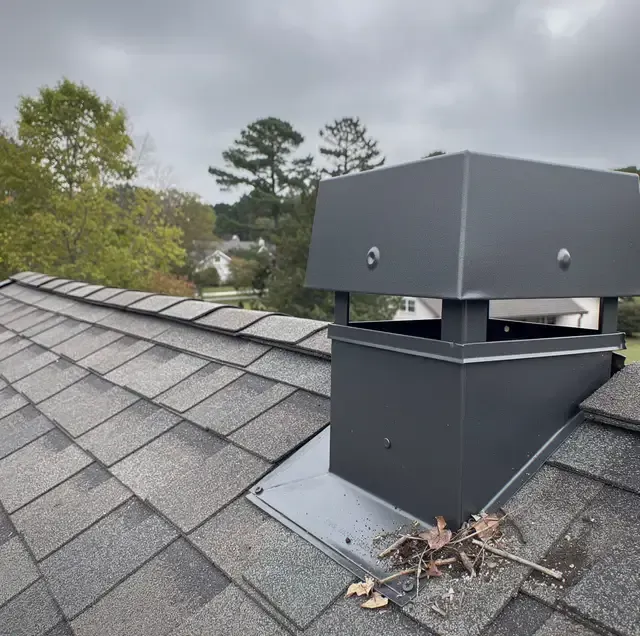
Because the smell starts with creosote, the primary fix is a professional chimney cleaning to remove the buildup that's the source of the odor. Clearing out the creosote and soot addresses the smell at its root. Beyond that, addressing the moisture and downdraft helps with the summer-specific intensity: managing humidity and the air pressure that drives the downdraft can reduce how much chimney air gets pulled inside, and ensuring the chimney is properly capped, and the damper seals well helps keep outside air, moisture, and the downdraft from bringing the smell in. A certified chimney professional can clean the chimney and assess what's contributing to the odor and downdraft, so the fireplace stops making the house smell up in summer. The key point is that the smell is a sign of creosote that's due for cleaning, with summer conditions making it impossible to ignore.
TIP: Don't just mask a summer fireplace smell with air fresheners — it's a sign of creosote buildup that's due for cleaning. Treating the odor at its source with a professional sweeping not only stops the smell but removes the fire hazard the creosote represents, so you head into the next heating season with a clean, safe chimney.
Frequently Asked Questions
Why does my fireplace smell worse in summer?
Because summer's heat and humidity intensify the smell of creosote buildup in the chimney, and summer air pressure and air conditioning can create a downdraft that pulls chimney air, carrying the odor, into your home. The creosote is the source of the smoky smell year-round, but in cool, dry weather, it may be barely noticeable. Add summer heat, humidity, and a downdraft, and the same buildup produces a strong odor that gets routed indoors. That combination is why fireplaces are known for smelling in summer.
What causes the smoky smell from my fireplace?
The smell comes from creosote and soot — the buildup left in the chimney from burning wood. Creosote has a strong, smoky, campfire-like odor, and the more that coats the flue, the stronger the smell, even when you're not burning. So a smoky fireplace odor is usually a sign of creosote buildup that's due for cleaning. Removing the creosote with professional sweeping addresses the source of the smell, while summer heat and humidity make it especially strong.
What is a chimney downdraft?
A downdraft occurs when air flows down the chimney into the home rather than up and out. In summer, running air conditioning and the pressure differences in a home can create this downward airflow, pulling chimney air — including the creosote odor — into your living space rather than venting it outside. That's a big reason the fireplace smell is so noticeable in summer. Addressing the air pressure and ensuring the chimney is properly capped, and the damper seals can help reduce the downdraft.
Can cleaning the chimney get rid of the smell?
Yes — a professional cleaning to remove the creosote buildup addresses the smell at its source, since creosote produces the odor. Clearing out the creosote and soot is the primary fix. Addressing the summer-specific factors helps too: managing humidity and the downdraft, and making sure the chimney is properly capped and the damper seals reduce how much odor gets pulled inside. But removing the creosote through cleaning is the key step, and it also eliminates the fire hazard posed by the buildup.
Is a smelly fireplace a sign of a problem?
It can be a sign that the chimney needs cleaning, since the smell usually comes from creosote buildup. That buildup is not only the source of the odor but also a fire hazard, so a persistently smelly fireplace is worth addressing rather than just masking. Having the chimney inspected and cleaned removes the creosote behind the smell and the safety risk it poses. The summer odor, in other words, is a useful prompt to get the chimney cleaned before the next burning season.
The Smell Is a Cue to Clean
A fireplace smells, especially in summer, because creosote buildup in the chimney gives off a smoky odor that summer's heat and humidity intensify, while a downdraft from air conditioning and pressure pulls that chimney air into your home. The smell was always in the creosote; summer just amplifies it and routes it inside through the downdraft. The real fix is a professional cleaning to remove the creosote at its source, plus addressing the moisture and the downdraft that make the smell so much worse in the summer months. Rather than covering it up with air fresheners, treat the summer smell as the cue it is — your chimney is due for a cleaning that also removes the fire hazard the creosote represents, ideally handled well before the next heating season begins.
Fireplace smelling up the house this summer? — Get the creosote cleaned out at the source by CSIA-certified technicians. Perfect Chimney Cleaning serves Greensboro, High Point, Winston-Salem. Call (336) 604-6711.
Recent Posts