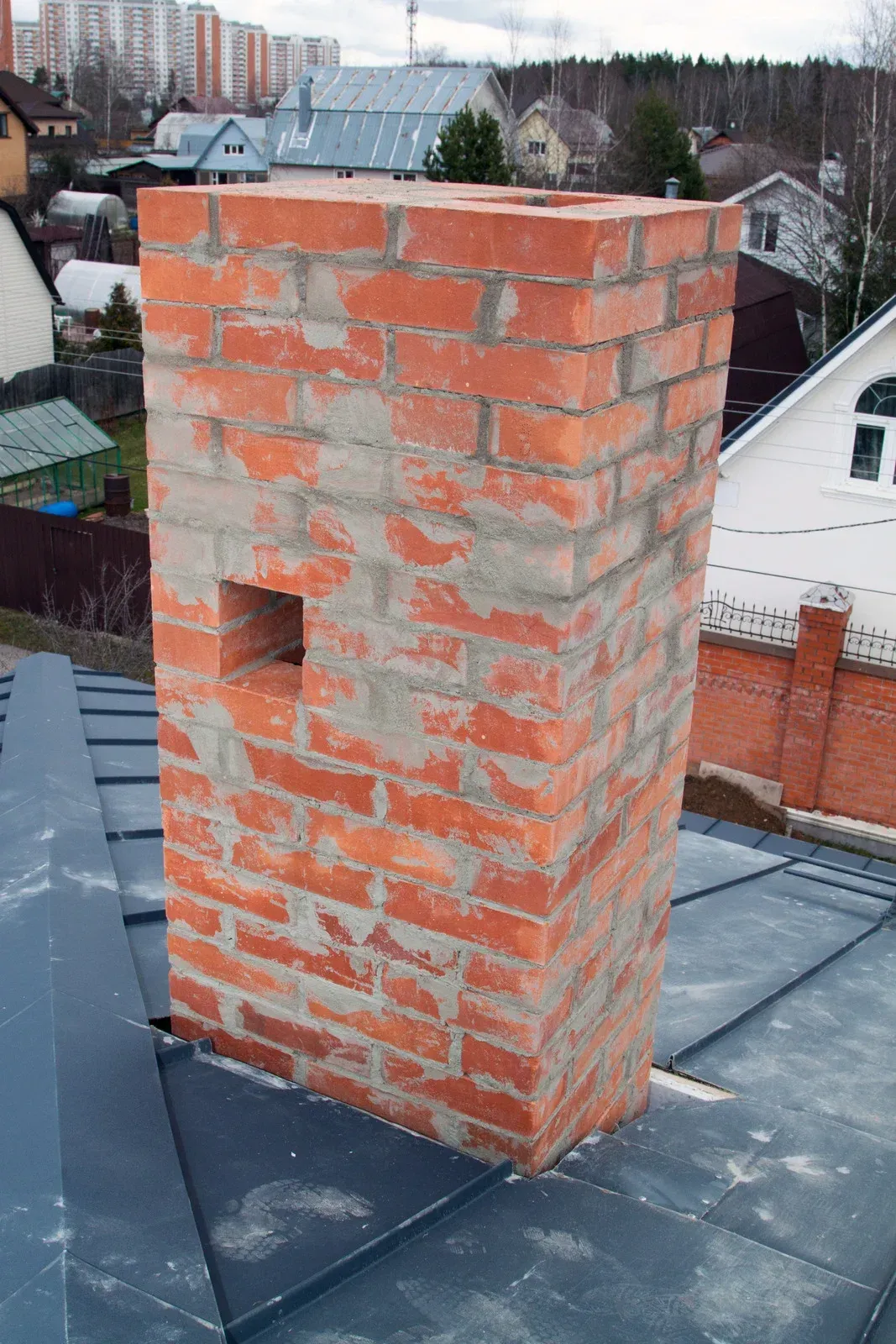
Chimney Leaking Water? Where It's Getting In
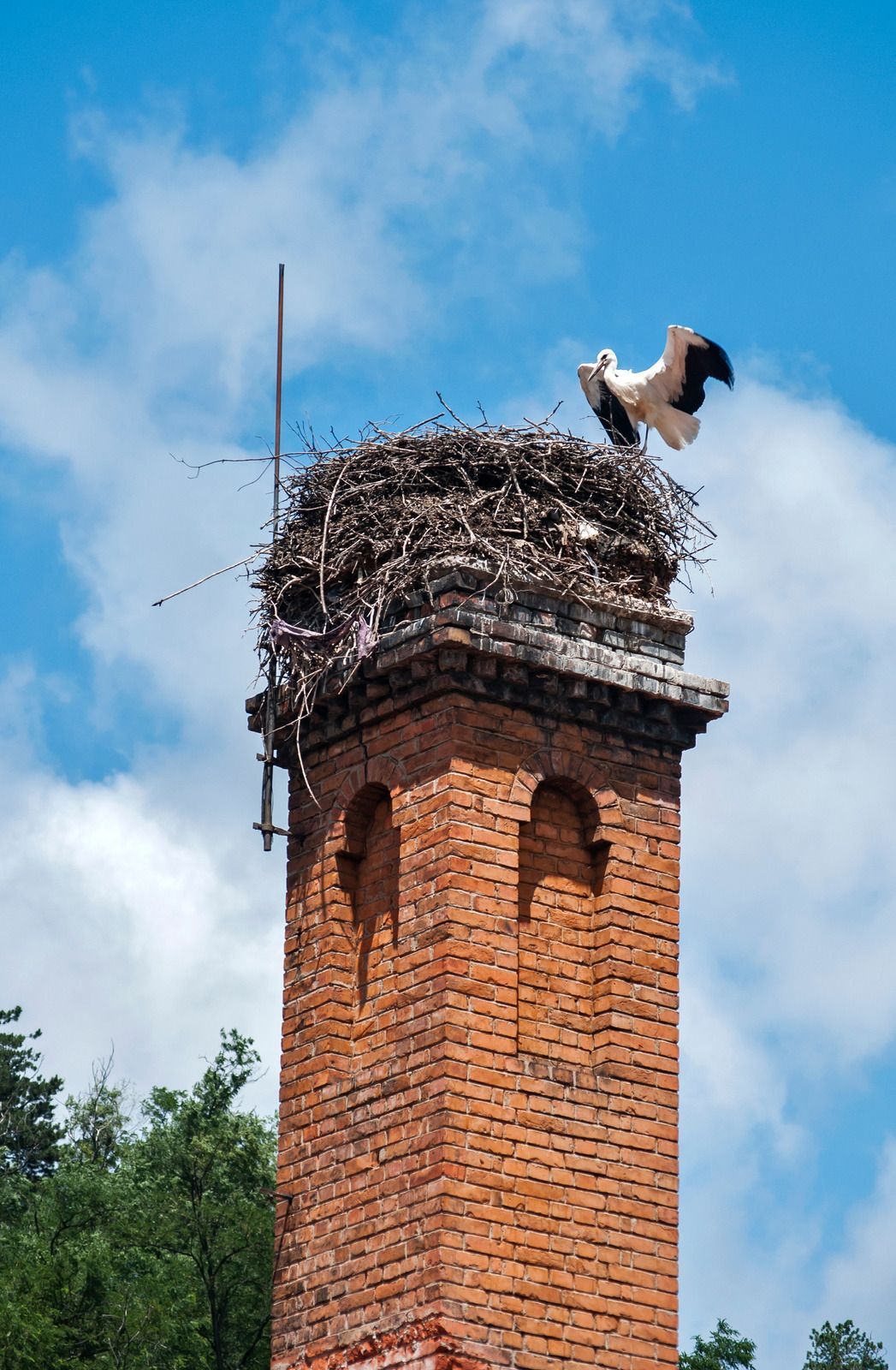
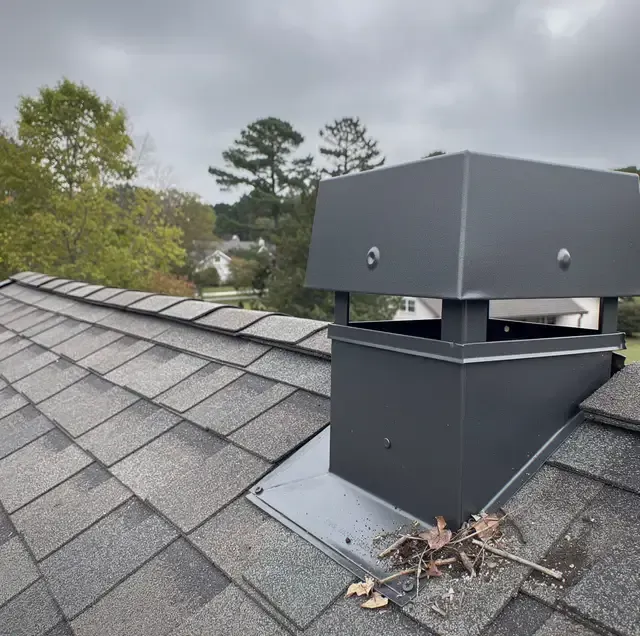
Signs of Animals or Debris
QUICK ANSWER: A chimney leaks water when something is letting moisture in from the top or sides: a missing or damaged chimney cap (letting rain straight down the flue), a cracked chimney crown (the concrete top), worn or failed flashing (where the chimney meets the roof), or porous, damaged masonry and bricks absorbing water. Any of these gives water a way in, where it causes interior leaks, damages the chimney and surrounding structure, and worsens over time with freeze-thaw. Finding the entry point is the key, and addressing it promptly prevents the water damage a leaking chimney causes.
Water stains near the fireplace, a damp smell, or drips during rain are signs of a problem people don't always connect to the chimney — but a leaking chimney is a common source of water damage. The chimney sticks up above the roof, fully exposed to the weather, with several points where water can get in if they're damaged. Understanding where chimney leaks come from explains the water you're seeing and why it's worth fixing before it causes bigger damage. Here's how water gets into a chimney.
A Chimney Is Exposed, With Several Weak Points
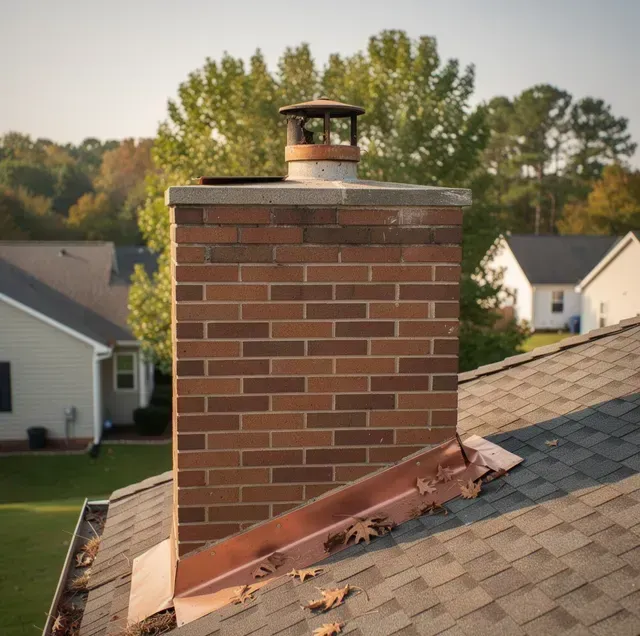
The chimney is the part of your home most exposed to the elements — it projects above the roofline and takes rain, wind, and weather from all sides and the top. It also has several distinct components that keep water out, and a leak happens when one of them fails. So a leaking chimney is really a question of which weak point has let water in: the cap at the top, the crown around it, the flashing where it meets the roof, or the masonry itself. Each is a potential entry point, and finding which one is failing is the key to stopping the leak. Water that gets in then travels, often showing up as stains or dampness inside near the fireplace.
The Common Causes
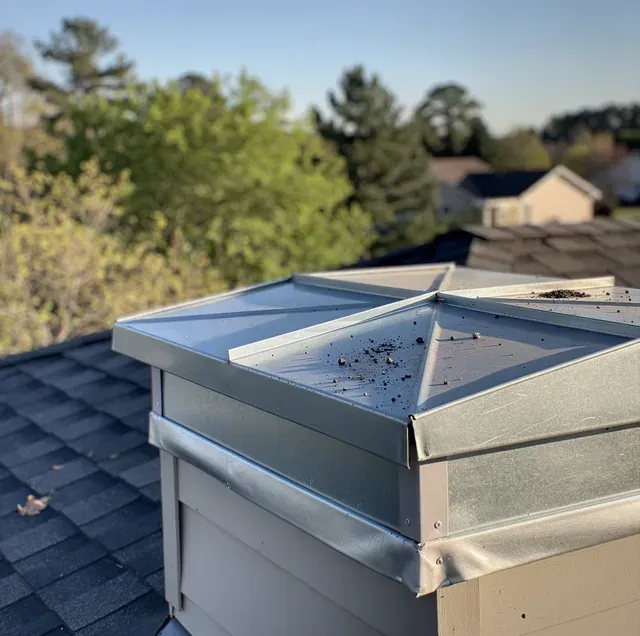
A Missing or Damaged Chimney Cap
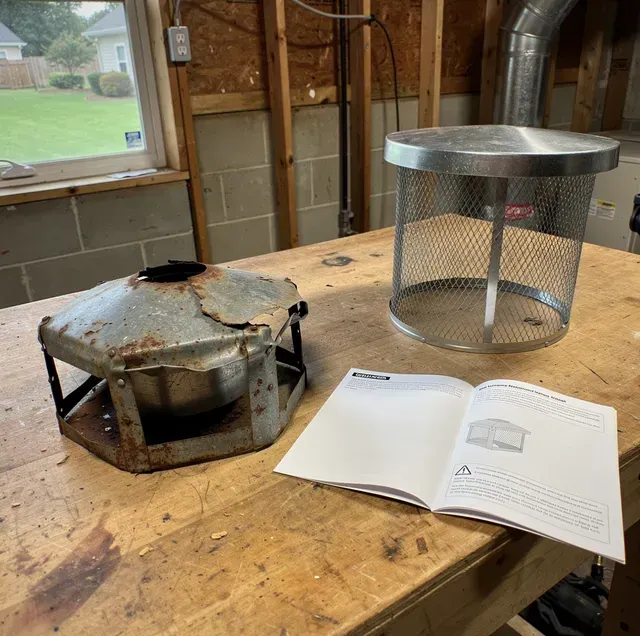
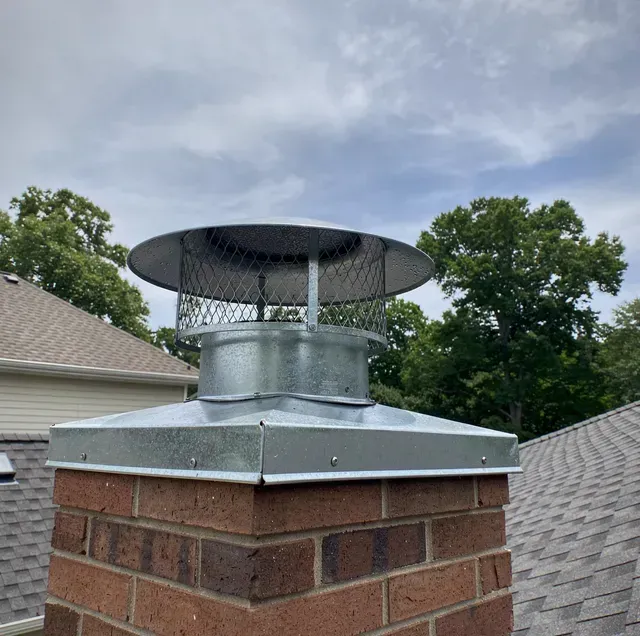
The chimney cap covers the top of the flue, keeping rain (and animals and debris) out while letting smoke escape. If the cap is missing or damaged, rain goes straight down the flue into the chimney. A missing cap is one of the most direct causes of a chimney leak, since it leaves the top wide open to the weather.
A Cracked Chimney Crown
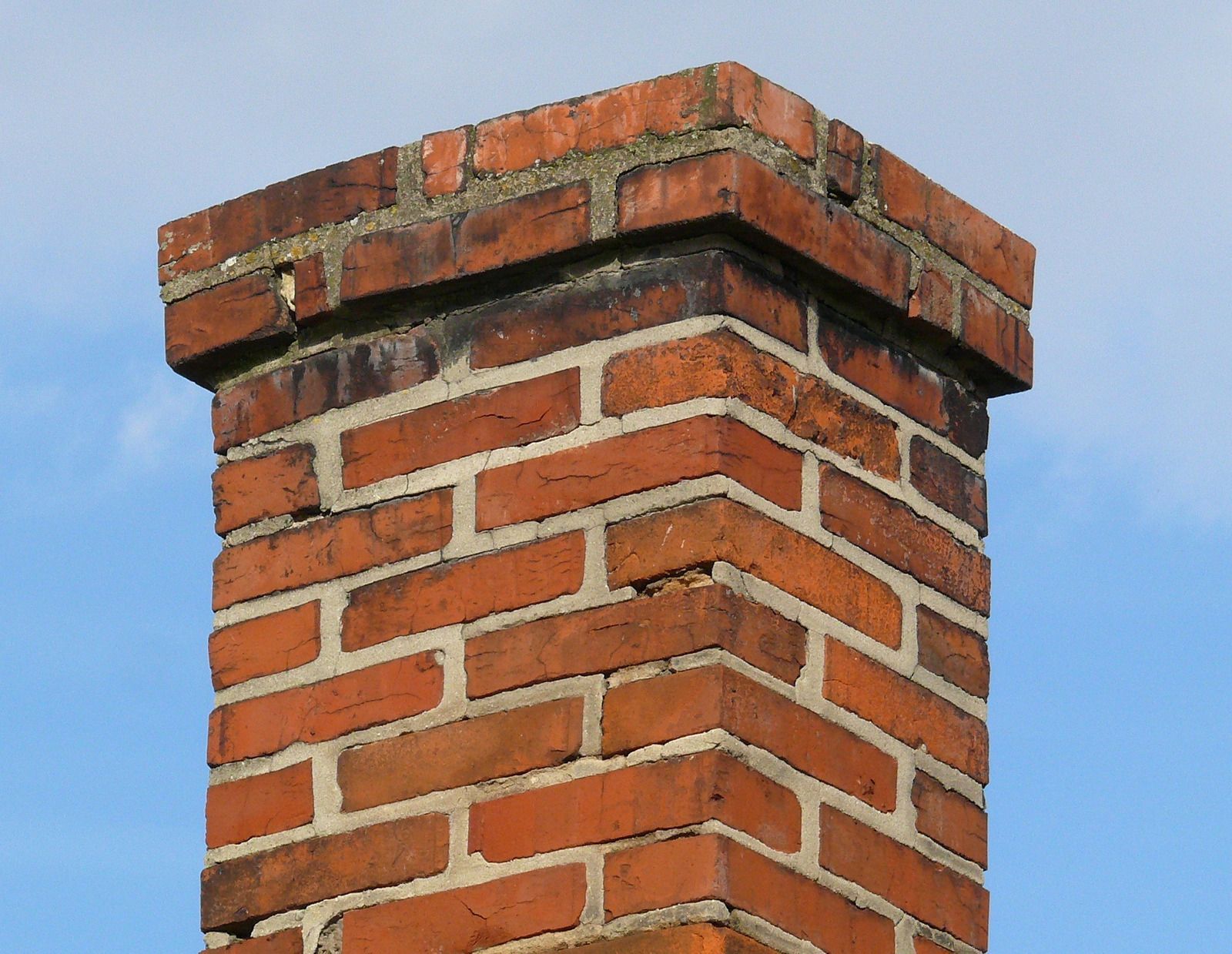
The crown is the concrete or masonry top surface of the chimney, around the flue, designed to shed water away. When the crown cracks or deteriorates, water seeps in through the cracks and into the chimney structure. A cracked crown is a common leak source, and the cracks tend to worsen over time, especially with freeze-thaw.
Worn or Failed Flashing
Flashing is the metal that seals the joint where the chimney meets the roof — a critical waterproofing point. When flashing is worn, corroded, improperly installed, or has pulled away, water gets in at that junction, often causing leaks that show up inside near the chimney. Flashing problems are one of the most common causes of chimney leaks.
Porous or Damaged Masonry
The brick and mortar of a chimney can absorb water, and when the masonry is porous, cracked, or the mortar joints have deteriorated, water soaks in and works its way through. Damaged bricks and mortar let moisture penetrate the structure, and freeze-thaw cycles widen the cracks and worsen the problem over time.
| Cause | Where water gets in |
|---|---|
| Missing/damaged cap | Straight down the open flue |
| Cracked crown | Through cracks in the concrete top |
| Worn/failed flashing | Where the chimney meets the roof |
| Porous/damaged masonry | Absorbed through brick and mortar |
Why a Chimney Leak Matters
A leaking chimney isn't just an annoyance — the water causes real, spreading damage. Inside, it leads to stains, dampness, and a musty smell near the fireplace, and it can damage walls, ceilings, and the surrounding structure. Within the chimney, water deteriorates the masonry, mortar, and internal components, accelerating the system's breakdown. Freeze-thaw cycles make it worse: water that gets into cracks freezes, expands, and widens them, so a small leak grows over time. Left unaddressed, a chimney leak can turn into significant and costly damage to both the chimney and the home. That's why finding the entry point and fixing it promptly matters — catching a leak early, when it's a worn cap or a bit of flashing, prevents the larger structural damage that comes from letting water work on the chimney season after season. A chimney professional can identify where the water is getting in and address it.
WARNING: A chimney leak rarely fixes itself and usually worsens — water that gets into cracks freezes and expands in cold weather, widening the damage over time. The longer a leak goes unaddressed, the more it deteriorates the masonry and spreads into the home, turning a minor repair into a major one. Address chimney leaks promptly rather than waiting.
Frequently Asked Questions
Why is my chimney leaking water?
A chimney leaks when one of its weatherproofing points fails and lets water in: a missing or damaged chimney cap (letting rain straight down the flue), a cracked chimney crown (the concrete top), worn or failed flashing (where the chimney meets the roof), or porous, cracked masonry and mortar absorbing water. Each is a potential entry point. Finding which one is letting water in is the key to stopping the leak, and a chimney professional can identify the source and address it before it causes more damage.
What is chimney flashing, and why does it leak?
Flashing is the metal that seals the joint where the chimney meets the roof, a critical point for keeping water out. It leaks when it's worn, corroded, improperly installed, or has pulled away from the chimney or roof, letting water in at that junction. Flashing problems are among the most common causes of chimney leaks, and they often show up as water stains near the chimney. Repairing or replacing failed flashing is frequently part of stopping a chimney leak.
Can a missing chimney cap cause a leak?
Yes, directly. The chimney cap covers the top of the flue to keep rain, animals, and debris out while letting smoke escape. If the cap is missing or damaged, rain goes straight down the open flue into the chimney, which is one of the most direct causes of a leak. A missing cap leaves the top of the chimney exposed to the weather. Installing or replacing the cap closes that entry point, and a professional can confirm whether the cap is the source.
Is a leaking chimney serious?
It can become serious if left unaddressed. The water causes interior stains, dampness, and musty smells, can damage walls, ceilings, and the surrounding structure, and deteriorates the chimney's masonry and components. Freeze-thaw cycles worsen it, as water in cracks freezes, expands, and widens them over time, so a small leak grows. Left alone, a chimney leak can lead to significant, costly damage to both the chimney and the home. Catching and fixing it early prevents that larger damage, which is why prompt attention matters.
How do I find where my chimney is leaking?
Because a chimney has several potential entry points — the cap, crown, flashing, and masonry — pinpointing the source can be tricky, and it's best done by a chimney professional who can inspect each component. They can determine whether the water is coming in through a missing or damaged cap, a cracked crown, worn flashing, or porous masonry, and address the specific cause. Identifying the right entry point matters, since fixing the wrong thing won't stop the leak. A professional inspection is the reliable way to find and fix it.
Find the Entry Point, Stop the Leak
A leaking chimney comes down to one of a few exposed weak points letting water in: a missing or damaged cap, a cracked crown, worn flashing, or porous masonry. Because the chimney stands above the roof, taking in weather from every side, any of these gives water a path inside, where it stains and damages the home and deteriorates the chimney, worsening with every freeze-thaw cycle. The leak won't fix itself, so identifying the entry point that's failing and addressing it promptly is what stops the water and prevents a small problem from becoming major structural damage. A professional inspection pinpoints the source.
Water stains or dampness near your fireplace? — Get the leak source found and fixed by CSIA-certified chimney technicians. Perfect Chimney Cleaning serves Greensboro, High Point, Winston-Salem. Call (336) 604-6711.
Recent Posts